






kostel svatého Václava (Třebětice) Church
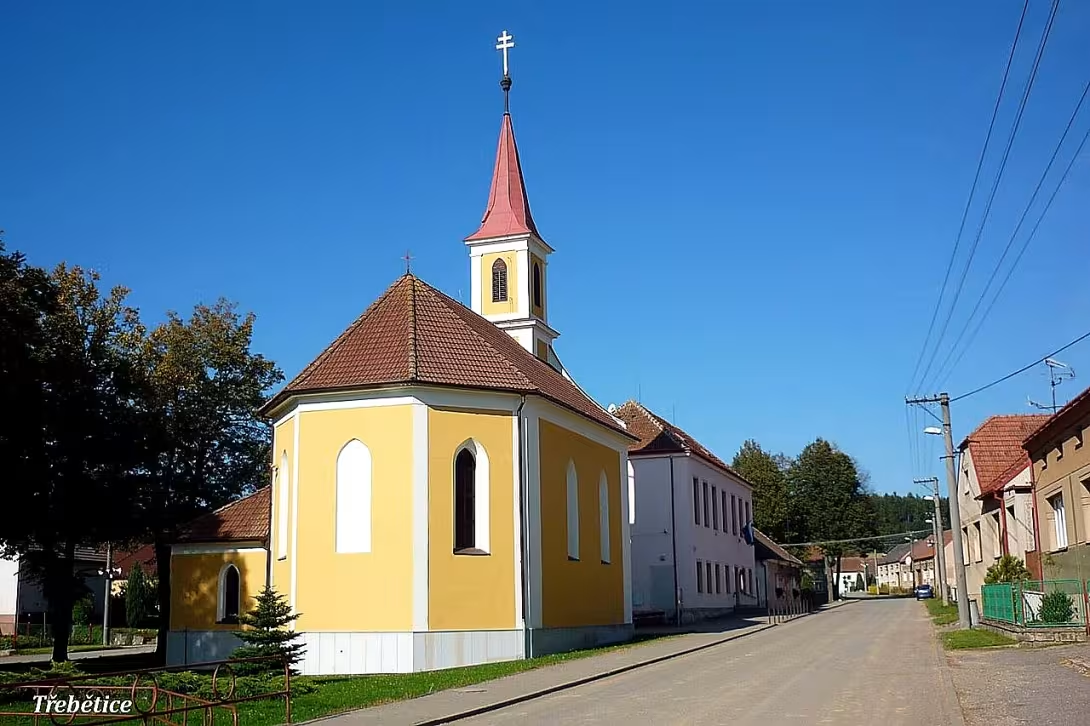
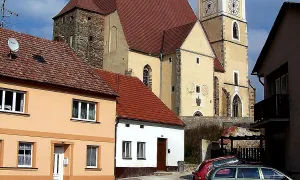
The Church of Saint Wenceslas in Třebětice is an outstanding example of Neo-Gothic architecture and serves as the parish church for the local community. Situated on the village square near the municipal office and a fire reservoir, it was built in 1854 to replace an earlier chapel from 1768. This site has been significant since its inception, reflecting both historical and architectural developments in the region.
The origins of this monument trace back to the mid-19th century when Bohemia was part of the Austrian Empire. The Neo-Gothic style chosen for the church reflects a broader European trend during that period, which sought to revive medieval forms. Initially built as a chapel dedicated to Saint Wenceslas in 1768, it was replaced by the current structure due to evolving architectural and community needs.
Architecturally, the Church of Saint Wenceslas features typical Neo-Gothic elements such as pointed arches and intricate detailing. Over the years, it has undergone several renovations that have preserved its historical integrity while adapting to contemporary requirements. In 1882, the flooring was replaced, followed by a renovation of both the roof and façade in 1894. The most significant changes occurred in 1969 when directives from the Second Vatican Council led to the removal of altars and pulpit, significantly altering the interior.
Throughout its history, the church has experienced various administrative changes that have shaped its role within the community. In 1867, it became a parish following the construction of a nearby rectory. This transition marked an important development in its function as a central place of worship for the local population.
The church is home to several artistic and historical features that add to its allure. Inside, visitors can find statues of saints and a painted Stations of the Cross, which contribute to the spiritual ambiance. In 1985, a wooden cross was replaced by a cast iron one, reflecting ongoing maintenance efforts. The church also houses modern varhany installed between 1996 and 1997, replacing older ones from 1942.
The exterior surroundings of the Church of Saint Wenceslas are equally noteworthy. A stone cross dating back to 1863 stands before it, while a small chapel with a statue of Saint Wenceslas is located nearby. Additionally, there is a monument dedicated to World War I victims, providing historical context and honoring those who served.
Today, the church remains an active parish site, open for worship and community events. Its rich history and architectural beauty make it a worthwhile visit for anyone interested in exploring the cultural heritage of Třebětice. The serene setting on the village square, combined with its proximity to other historical monuments, offers visitors a glimpse into the past while appreciating the continuity of tradition in this charming Czech locale.
Then and now
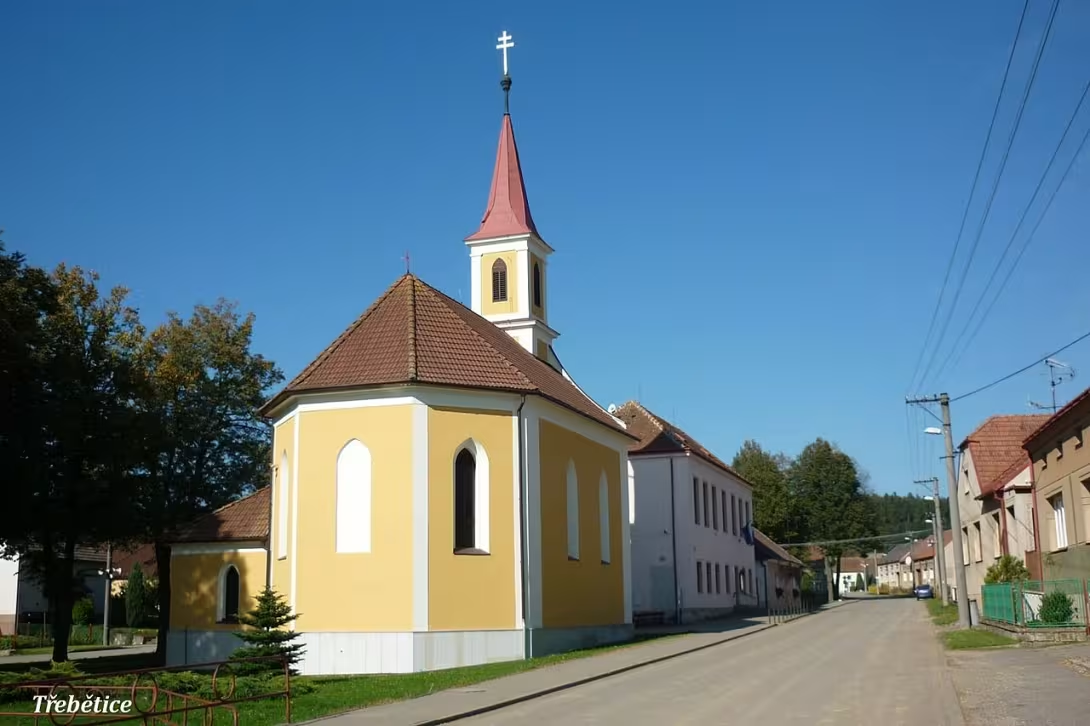
Drag the slider to compare how the landmark may have looked when it was built with the view today.
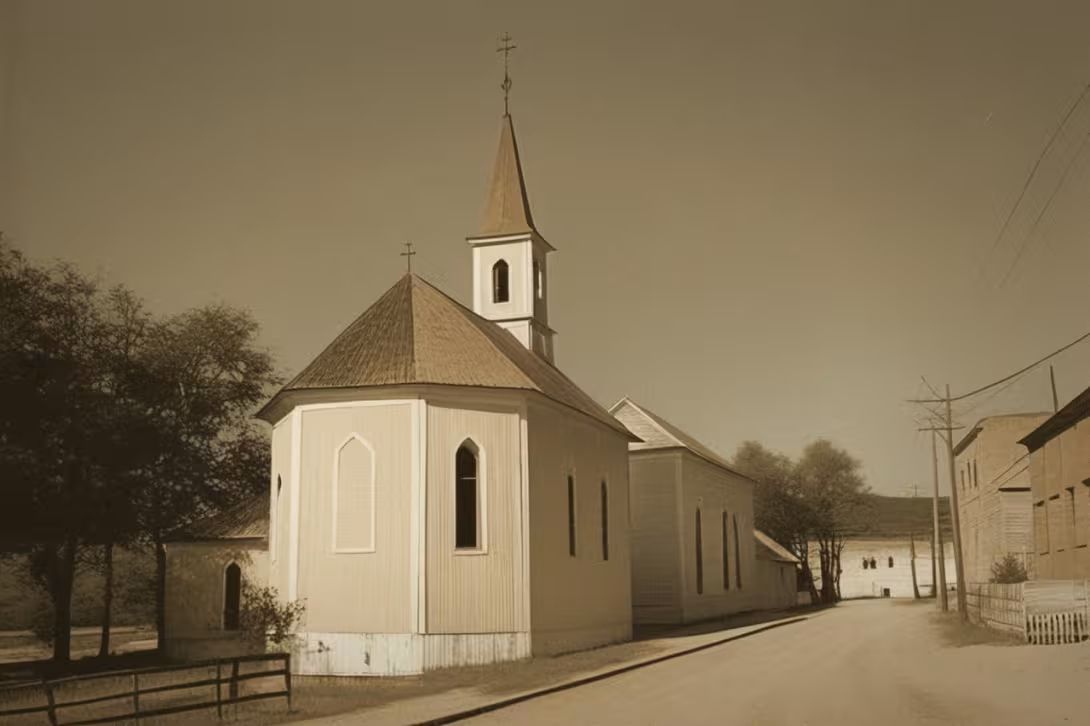
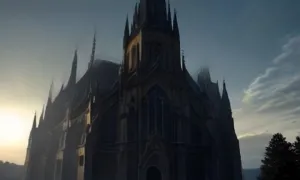
The historical appearance on the left is an AI-generated visualisation and serves as inspiration only.
Historical milestones
- 1768
- A chapel dedicated to Saint Wenceslas was originally built on this site.
- 1854
- The current Neo-Gothic church was constructed.
- 1867
- The church became a parish following the construction of a rectory.
- 1969
- Interior changes were made in accordance with the Second Vatican Council's directives.
Architectural development
Originally built as a Neo-Gothic structure in 1854, the Church of Saint Wenceslas underwent several renovations and modifications. In 1882, its flooring was replaced, and by 1894, both the roof and façade were renovated. Significant changes occurred in 1969 following directives from the Second Vatican Council, which led to the removal of altars and pulpit, altering the interior significantly.
Historical events
In 1854, the current Neo-Gothic church was constructed, replacing an earlier chapel from 1768.
The church became a parish in 1867 following the construction of a nearby rectory.
Points of interest
- The Church of Saint Wenceslas was initially built as a chapel in 1768 before being replaced by the Neo-Gothic structure we see today. This reflects an interesting evolution from a modest chapel to a significant parish church, highlighting changes in community needs and architectural styles over time.
- In 1882, the flooring of the church underwent replacement, indicating early efforts to maintain and adapt the building for continued use, even before major renovations like those in 1894 which addressed both the roof and façade. This shows an ongoing commitment to preserving the church's functionality and appearance through proactive maintenance.
- A notable change occurred in 1969 when directives from the Second Vatican Council led to significant interior alterations, including the removal of altars and pulpit. This reflects broader religious reforms during that era, impacting not just Třebětice but churches worldwide, as they adapted to new liturgical practices.
- The church's modern varhany installed between 1996 and 1997 replaced older ones from 1942, showcasing a blend of historical preservation with contemporary enhancements. This transition highlights the church’s ability to integrate modern elements while maintaining its historical essence.
- A stone cross dating back to 1863 stands before the church, serving as a silent witness to the community's history and devotion over the centuries. Its presence adds a layer of historical depth to the site, connecting visitors with the past in a tangible way.
Guide
This guide is narrated by a synthetic voice generated by artificial intelligence.
Show guide text
This text was created by artificial intelligence and has not been editorially reviewed. It may contain inaccuracies.
Welcome to the Church of Saint Wenceslas in Třebětice, a serene and captivating site that stands as a testament to both history and architectural evolution. As you stand here on this tranquil village square, take a moment to absorb your surroundings—the church's Neo-Gothic silhouette rising gracefully against the sky, complemented by historical monuments such as an evocative stone cross and a poignant war memorial.
Let us begin our journey through time with the origins of this sacred site. In 1768, a modest chapel dedicated to Saint Wenceslas was erected here, serving the spiritual needs of the local community. This humble structure laid the foundation for what would become a significant parish church. As the years passed and the community grew, so did its aspirations. By 1854, the original chapel had been replaced by the magnificent Neo-Gothic church you see before you today—a reflection of mid-19th-century architectural trends that embraced grandeur and spiritual upliftment.
As we delve into the architecture, notice the intricate details that define this period style—the pointed arches, the elegant tracery, and the harmonious proportions. Though the architects remain unnamed, their vision is evident in every stone and spire. The church's design not only fulfills its sacred purpose but also serves as a visual bridge connecting past and present.
In 1867, following the construction of a rectory, this building was officially recognized as a parish church, marking another significant chapter in its history. This transformation underscores the growing importance of the community it served. Later, in 1969, the interior underwent changes to align with the directives of the Second Vatican Council, ensuring that the church remained relevant and responsive to contemporary spiritual needs.
While specific historical figures associated with this site remain unknown, the stories embedded within its walls are palpable. Each stone whispers tales of devotion, resilience, and transformation—a narrative arc from a simple chapel to an enduring parish landmark.
Now, let us ponder a fascinating aspect of this church: its evolution over time. The transition from a modest 18th-century chapel to a grand Neo-Gothic structure encapsulates not just architectural innovation but also the shifting dynamics of community life and spiritual expression. This transformation mirrors broader societal changes and highlights how places of worship adapt to meet evolving needs.
As we conclude our exploration, I invite you to linger in this sacred space, perhaps taking a moment to reflect on its history or simply enjoy the peaceful atmosphere it exudes. Whether you're drawn by architectural curiosity or spiritual contemplation, Třebětice's Church of Saint Wenceslas offers something for everyone. Thank you for joining me on this journey through time and stone. May your visit be both enlightening and inspiring.
Tips for visitors
The best time to visit the Church of Saint Wenceslas in Třebětice is during late spring or early autumn when the weather is pleasant, and the surrounding landscape is lush with greenery. This period also tends to be less crowded, allowing for a more serene experience as you explore the Neo-Gothic architecture. The soft natural light enhances the intricate details of the church's design, making it ideal for photography.
Walking from the village center to the church is also an option, offering a chance to appreciate the local scenery.
When visiting, consider bringing comfortable walking shoes as you may want to explore the surrounding areas on foot. A camera is recommended for capturing the architectural details of the church and the charming nearby sites like the stone cross from 1863 and the small chapel with Saint Wenceslas' statue. Additionally, a light jacket might be useful if visiting in early autumn or late spring when temperatures can vary.
For photography enthusiasts, the best spots to capture the Church of Saint Wenceslas are during sunrise or sunset when the lighting is soft and warm, highlighting the church's Gothic features. The village square offers a picturesque backdrop for wider shots that include both the church and its surroundings. Be mindful of any restrictions on flash photography inside the church.
Within 30 minutes from Třebětice, visitors can explore additional historical sites such as the monument dedicated to World War I victims, providing context to the region's history. The small chapel with a statue of Saint Wenceslas nearby is also worth visiting for its quaint charm and spiritual significance. These locations offer enriching experiences that complement your visit to the church.
Frequently asked questions
Can the monument be visited?
Religious buildings are usually open mainly during services; at other times a visit is normally arranged with the parish or the operator. We have not verified specific times.
Where is the monument?
Location: Třebětice, Jihočeský kraj. The map on this page shows the exact spot.
Businesses nearby
Do you run a restaurant, accommodation, shop, museum, rental, wellness or other visitor service near this monument? Show yourself directly to the people heading to it — this is how they will see you in the app and on the web:
Nearby
Located near the village square, the church is close to the municipal office and a fire reservoir. Nearby are a stone cross from 1863, a small chapel with a statue of Saint Wenceslas, and a monument dedicated to World War I victims.
Accommodation nearby
Trips and activities nearby
Guided tours, tickets and activities nearby from GetYourGuide
Affiliate link: if you buy from the partner, we may receive a commission. The price for you does not change.
Search tours and activities →Themed route
Thematic Walking Tour: Třebětice
1. Church of Saint Wenceslas (Třebětice) - Religious Site Begin your tour at the heart of Třebětice with a visit to the Church of Saint Wenceslas, located near the village square. This historic church is not only an architectural gem but also serves as a spiritual center for the community. Its serene atmosphere and beautiful interior make it a must-visit for those interested in religious history and architecture.
2. Stone Cross (1863) - Historical Landmark A short walk from the church, you'll find a stone cross erected in 1863. This historical landmark stands as a testament to the village's rich past. The cross offers an intriguing glimpse into local history and is perfect for those interested in exploring the cultural heritage of Třebětice.
3. Chapel with Statue of Saint Wenceslas - Religious Site Nearby, discover a small chapel featuring a statue of Saint Wenceslas. This charming site adds depth to your understanding of local religious traditions and provides a peaceful spot for reflection. The statue is beautifully crafted, making it an interesting stop for art enthusiasts and history buffs alike.
4. Monument Dedicated to World War I Victims - Memorial Site Conclude your tour at the monument dedicated to the victims of World War I. This poignant memorial honors those who lost their lives during the conflict and serves as a reminder of the village's connection to broader historical events. It is an important site for anyone interested in history, offering a moment of contemplation on the impact of war.
This thematic walking tour allows you to explore Třebětice’s rich cultural and historical landscape within a short distance, providing insights into its religious heritage and local history.
Seasonal recommendations
Spring: The arrival of spring at the Church of Saint Wenceslas in Třebětice brings a gentle awakening to the surrounding landscape, with blossoming trees and vibrant wildflowers adding a natural beauty that complements the historic architecture. This season offers a unique atmosphere where the soft light of longer days enhances the intricate details of the church’s façade. Visitors might find themselves enveloped in an almost ethereal ambiance as nature awakens around them. It's advisable to wear layers, as spring weather can be unpredictable with occasional rain showers. The early morning or late afternoon are ideal times for a visit when the light is soft and the crowds are fewer.
Summer: Summer at the Church of Saint Wenceslas is marked by long days filled with warm sunlight that highlights the church’s historical features in vivid detail. This season often sees an increase in visitors, drawn to the picturesque setting and pleasant weather ideal for exploring the countryside around Třebětice. The lush greenery surrounding the site adds a vibrant backdrop that enhances the experience of visiting this historic landmark. To avoid the midday heat and larger crowds, it’s best to plan your visit early in the morning or later in the afternoon. Comfortable walking shoes and light clothing are recommended for exploring both the church and its scenic surroundings.
Autumn: Autumn transforms the Church of Saint Wenceslas into a serene haven amidst a tapestry of golden hues and rich reds, as the leaves change color around Třebětice. The cooler temperatures create a crisp atmosphere that is perfect for leisurely strolls through the historic site. This season offers an intimate experience with fewer tourists, allowing visitors to fully appreciate the church’s architecture without distraction. Layered clothing is essential to stay comfortable during this time of year, and carrying a light jacket can be helpful as evenings tend to get cooler.
Winter: Winter at the Church of Saint Wenceslas presents a quiet, almost mystical experience, with snow potentially blanketing the landscape in a serene white. The church’s Gothic architecture takes on a new character under winter skies, offering a unique perspective that differs from other seasons. While the colder weather might deter some visitors, it provides an opportunity to enjoy the site in relative solitude and tranquility. It's important to dress warmly with layers, including a hat and gloves, as temperatures can be quite low.
Visualizations and artistic views


The visualisations are generated by artificial intelligence and serve as inspiration.
Photos from the area
Real photos taken near the monument


Zdroj a licence jsou uvedeny u každého snímku.
Tips from visitors
No tips yet. Be the first!
Log in and add your tip.
Sources and literature
Photos: Fojsinek / CC BY-SA 3.0 — Wikimedia Commons. The author and licence also appear when you hover over the image.
Faktickým podkladem tohoto textu byl článek na Wikipedii, jehož autory jsou přispěvatelé Wikipedie. Článek je dostupný pod licencí CC BY-SA 4.0.
Location on the map

Příběhy a pověsti
Legendy, pověsti a příběhy spjaté s touto památkou
Fotografie návštěvníků
Zatím žádné fotografie. Buďte první, kdo přidá fotografii z návštěvy!
Log in a přidejte svou fotografii nebo hodnoťte.
Za ověřenou návštěvu v aplikaci získáte víc bodů — poznáme podle GPS, že jste na místě.
Reviews and comments