






Kostel svatého Václava (Václavice) Church
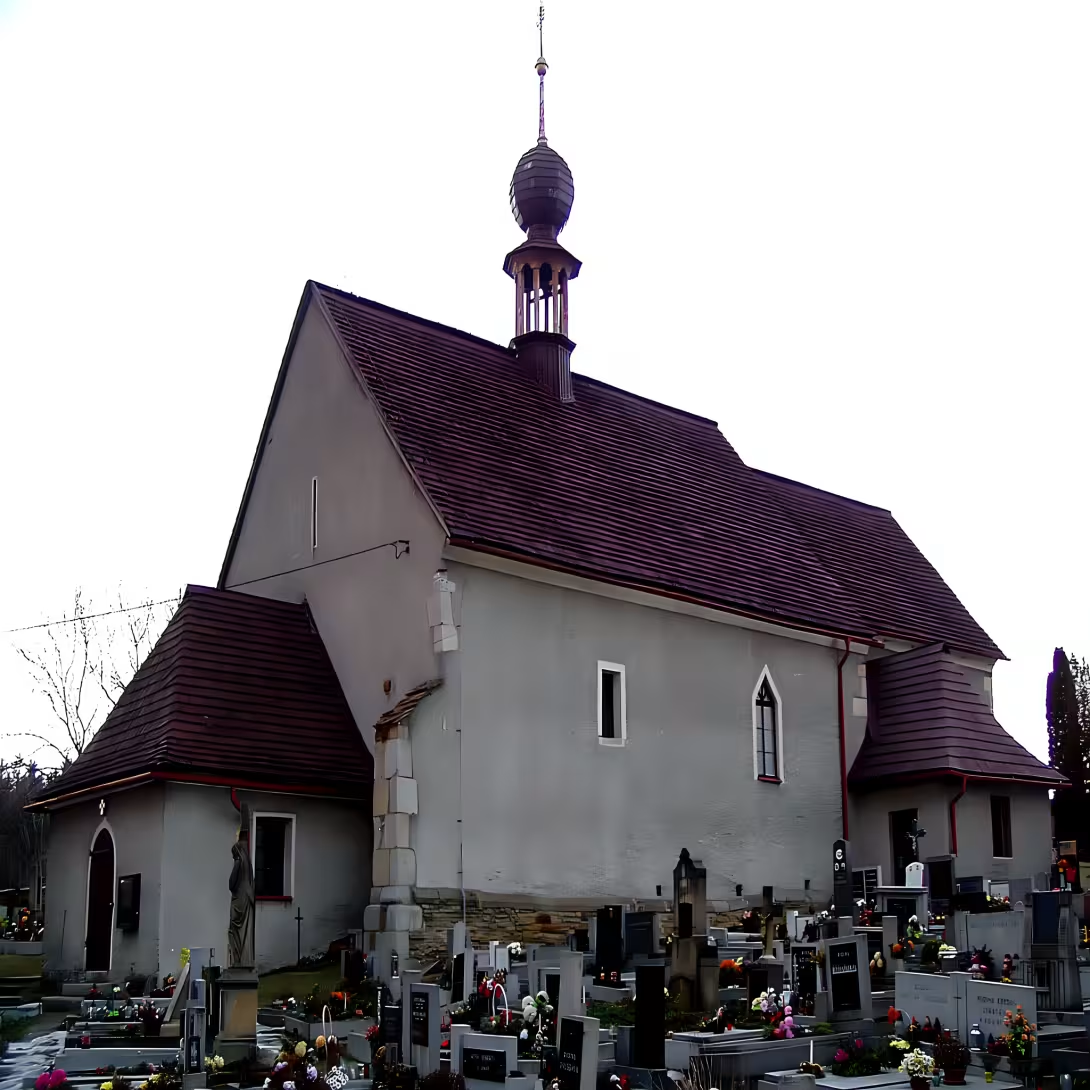
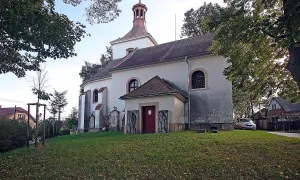
The Church of Saint Václav in Václavice is an outstanding example of early Gothic architecture with deep historical roots in Czech heritage. Originally built in the village of Dobenín, this Roman Catholic filial church now resides in Václavice and holds cultural monument status in the Czech Republic. Its significance lies not only in its architectural style but also as a witness to pivotal historical events.
The origins of the Church of Saint Václav trace back to Dobenín, first mentioned in 1359, though it is likely older. The village gained prominence when a council convened there in 1068 under Kosmas's leadership. During this assembly, Jaromír from the Přemyslid dynasty was elected as Bishop of Prague against King Vratislav II's wishes. By 1259, Dobenín had established a parish church dedicated to Saint Wenceslas. However, its existence ended abruptly in 1424 when Jan Žižka led his forces through nearby forests and defeated local nobles including Jan Městecký z Opočna, Petra z Červené Hory, and Artuše z Černčic. The battle resulted in Dobenín's destruction, marking a significant moment in Bohemian history.
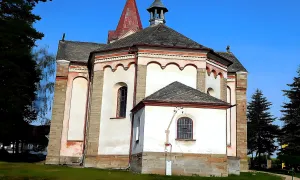
Architecturally, the Church of Saint Václav features a simple early Gothic design with a single nave and rectangular layout. It includes a presbytery with a cross vault and a pointed triumphal arch. A notable element is a 14th-century trefoil window retaining remnants of ribbed vaulting. Additionally, the preserved Romanesque sanctuary adds to its historical charm.
Throughout history, various owners and administrators have influenced the church's fortunes. In 1925, significant restoration work was undertaken by Josef Bartoň from Dobenína, ensuring its preservation as a cultural monument. The interior reflects a predominantly Baroque style, featuring a family crypt housing the remains of Petr Straka z Nedabylic and his son Jan Jiří Straka. A legend suggests that Petr Straka faced posthumous punishment for constructing Rozkoš pond, adding intrigue to its history.
The church has also been a site of conflict; during the Austro-Prussian War in 1866, it suffered damage. Despite this, it remains an important cultural and historical site today. The nearby stone bell tower, likely from the Renaissance period, stands as another architectural highlight with two bells dating back to the late 15th and 16th centuries.
Today, the Church of Saint Václav continues to serve its community with regular services held on the second Sunday of each month at 3:00 PM. Its historical significance, combined with its architectural beauty, makes it a worthwhile destination for visitors interested in exploring Czech history and early Gothic architecture. The church offers insights into the region's turbulent past while standing as a testament to resilience and cultural heritage. Visitors are invited to experience this remarkable site and immerse themselves in its storied legacy.
Then and now
Drag the slider to compare how the landmark may have looked when it was built with the view today.
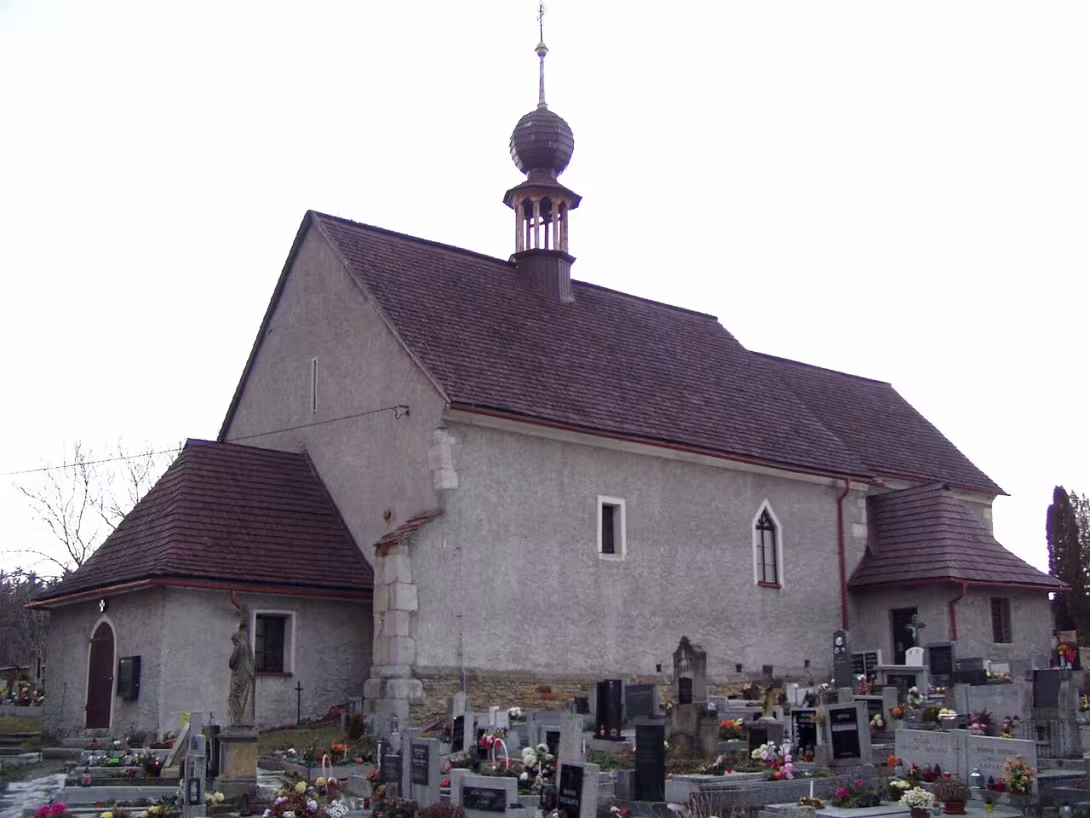
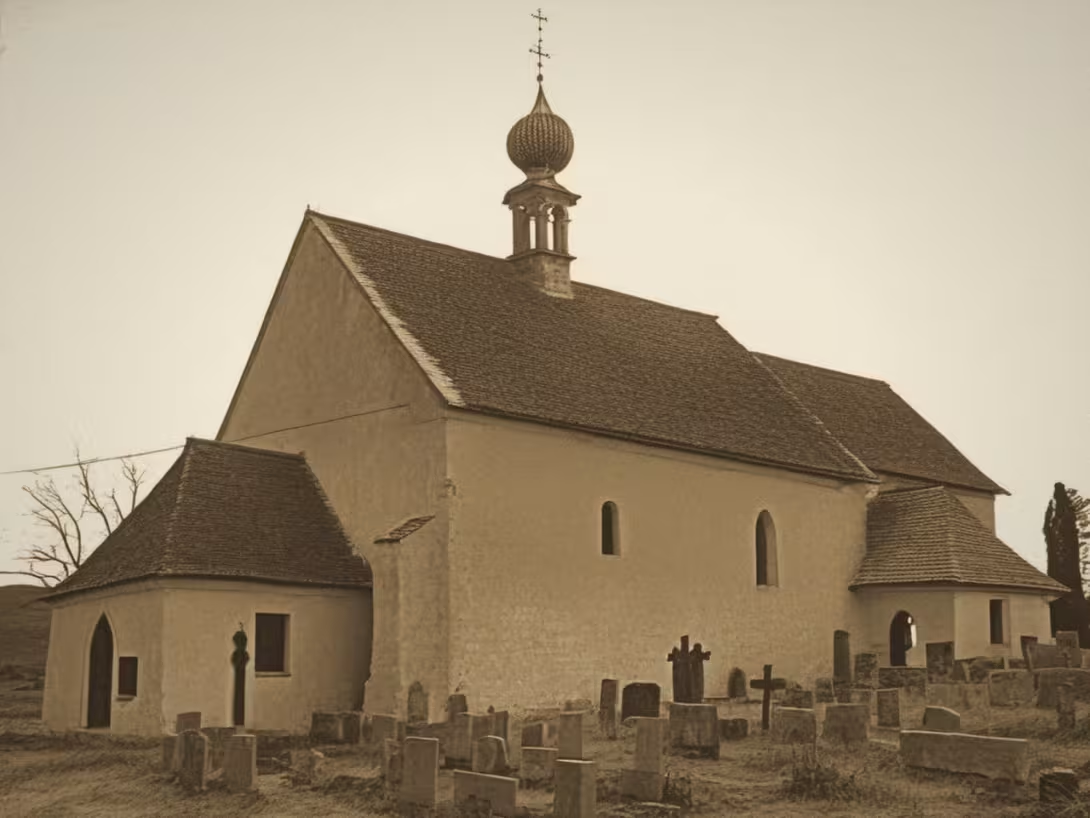
The historical appearance on the left is an AI-generated visualisation and serves as inspiration only.
Historical milestones
- 1068
- A council was held in Dobenín where Jaromír was elected as Prague bishop.
- 1424
- Battle led by Jan Žižka resulted in the destruction of Dobenín.
Architectural development
The church is characterized by its simple early Gothic style with a single nave and rectangular layout. It features a presbytery with a cross vault and a pointed triumphal arch. A trefoil window from the 14th century remains, along with remnants of ribbed vaulting. The Romanesque sanctuary has been preserved.
Historical events
In 1068, a council was held in Dobenín where Jaromír was elected as Prague bishop against King Vratislav II's wishes.
The village of Dobenín was destroyed following a battle on January 3, 1424, led by Jan Žižka against local forces.
Points of interest
- The Church of Saint Václav was originally built in the village of Dobenín and only later relocated to Václavice, reflecting the turbulent history and shifting landscapes of medieval Bohemia.
- In 1068, a significant council convened at Dobenín under Kosmas's leadership, where Jaromír from the Přemyslid dynasty was elected as Bishop of Prague against King Vratislav II's wishes, highlighting the political intrigue of the era.
- Legend has it that Petr Straka z Nedabylic faced posthumous punishment for constructing Rozkoš pond, adding a layer of mystery and folklore to the church’s history.
- During the Austro-Prussian War in 1866, the Church of Saint Václav suffered damage, marking its role as not just a religious site but also a witness to regional conflicts over centuries.
- The stone bell tower near the church is likely from the Renaissance period and features two bells dating back to the late 15th and 16th centuries, showcasing the blend of architectural styles present at this historical site.
Guide
This guide is narrated by a synthetic voice generated by artificial intelligence.
Show guide text
This text was created by artificial intelligence and has not been editorially reviewed. It may contain inaccuracies.
Welcome to the historic Church of Saint Václav in Václavice, a remarkable testament to early Gothic architecture and rich Czech history. As you stand here today, imagine the stories these ancient walls could tell if they had voices. This sacred site originally rose from the village of Dobenín, bearing witness to significant events that shaped medieval Bohemia.
The origins of this church date back to an era when Dobenín was a focal point for pivotal historical gatherings and conflicts. In 1068, a council convened here under the leadership of Kosmas, where Jaromír from the Přemyslid dynasty was elected as the bishop of Prague—a significant event marking the intertwining of religious authority and political power in the region.
As you gaze upon this structure, notice its Gothic elements that have endured through time. The church's walls are not just stone; they are canvases depicting a turbulent past filled with medieval councils and battles. Although specific architectural details aren't documented here, take a moment to appreciate the craftsmanship that has allowed it to stand resiliently for centuries.
Key historical figures are woven into the fabric of this site’s narrative. The Přemyslid Jaromír, Jan Městecký z Opočna, Petra z Červené Hory, Artuše z Černčic, and the legendary warrior leader Jan Žižka are among those whose lives intersected with this church. In 1424, Dobenín faced destruction during a battle led by Jan Žižka, marking another chapter in its storied history.
One of the intriguing aspects of this church is its relocation from Dobenín to Václavice, reflecting the shifting landscapes and turbulent history of medieval Bohemia. This move symbolizes resilience and adaptation through centuries of change.
As you continue your exploration, let these stories inspire a deeper appreciation for the layers of history that surround you. Feel free to wander around and absorb the atmosphere, perhaps contemplating how this church has stood as a silent witness to both the triumphs and tribulations of those who came before us.
Thank you for joining us on this journey through time at the Church of Saint Václav. May your visit be enlightening and memorable. We invite you to delve further into its history, perhaps discovering more about the figures and events that have left their mark here. Safe travels as you continue your exploration of Královéhradecký kraj!
Tips for visitors
The best time to visit the Church of Saint Václav in Václavice is during late spring or early autumn when the weather is pleasant, allowing for a comfortable exploration of its architectural details and surrounding landscapes. These seasons offer mild temperatures and longer daylight hours, ideal for appreciating the church's Gothic architecture without the discomforts of summer heat or winter cold. Additionally, visiting outside peak tourist season ensures a more tranquil experience.
This dual accessibility makes planning your visit flexible according to personal preference.
When visiting the Church of Saint Václav, it's recommended to bring comfortable walking shoes for exploring both the church grounds and its surroundings. A camera is also advisable to capture the unique architectural features and serene landscapes. Given that lighting can vary throughout the day, early morning or late afternoon visits are suggested for optimal natural light conditions.
For families with children, visiting the Church of Saint Václav offers a great opportunity to introduce young ones to Czech history and Gothic architecture in an engaging setting. The church's historical significance and architectural beauty provide educational value, while its peaceful surroundings offer space for family activities. Nearby, within a 30-minute drive or walk, are additional sites that can complement the visit with more exploration opportunities.
In terms of photography, the best spots around the Church of Saint Václav include the church's façade and interior, where early Gothic architectural elements are most visible. The lighting is particularly favorable during the golden hours of sunrise and sunset, casting a warm glow that enhances the textures and details of the stonework. Exploring different angles can also reveal unique perspectives of this historical monument.
Frequently asked questions
Can the monument be visited?
Religious buildings are usually open mainly during services; at other times a visit is normally arranged with the parish or the operator. We have not verified specific times.
Where is the monument?
Location: Václavice, Královéhradecký kraj. The map on this page shows the exact spot.
Why is the monument protected?
It is listed in the Central List of Cultural Monuments of the Czech Republic as a cultural monument (register no. 28141/6-1864).
Businesses nearby
Do you run a restaurant, accommodation, shop, museum, rental, wellness or other visitor service near this monument? Show yourself directly to the people heading to it — this is how they will see you in the app and on the web:
Events nearby



Zdroj akcí: otevřená data měst a obcí ČR (Národní katalog otevřených dat) a kalendář akcí Národního památkového ústavu.
Nearby
The church is located near a likely Renaissance bell tower with two bells from the late 15th and 16th centuries. The surrounding landscape includes historical sites related to battles during the Hussite Wars.
Accommodation nearby
Themed route
Thematic Walking Tour: Václavice and Surroundings
1. Kostel svatého Václava (Václavice) - Church Begin your journey at the heart of Václavice with the Church of Saint Wenceslas, a stunning example of local religious architecture. This church is not only a place of worship but also a testament to the community's historical and cultural heritage, offering visitors a glimpse into the architectural styles that have shaped the region.
2. Local Cemetery - Historical Site A short walk from the church will lead you to the local cemetery, an often-overlooked site rich with history. The gravestones and monuments here tell stories of generations past, providing insight into the lives and times of Václavice's ancestors. It’s a serene place for reflection and appreciation of the area's historical continuity.
3. Village Square - Community Hub Continue your exploration by visiting the village square, the central gathering spot in Václavice. This area serves as a vibrant community hub where local events and markets take place. The square is surrounded by traditional houses that reflect the architectural charm of the region, offering a picturesque setting for visitors to immerse themselves in village life.
4. Local Farmstead - Cultural Experience Conclude your tour at a nearby farmstead, which provides an authentic experience of rural Czech culture. Here, you can learn about local agricultural practices and perhaps even sample some traditional foods or crafts produced by the community. This visit offers a unique opportunity to connect with the region's cultural roots and understand the daily life that has sustained Václavice through the ages.
This tour provides a comprehensive look at Václavice, highlighting its historical, cultural, and communal aspects while remaining within the immediate vicinity of the Church of Saint Wenceslas.
Seasonal recommendations
Spring: The arrival of spring at the Church of Saint Wenceslas in Václavice brings a vibrant transformation to its surroundings, with lush greenery and blooming flowers enhancing the natural beauty around this historic site. The soft, diffused light filtering through budding trees creates an ethereal atmosphere that highlights the intricate details of the church's architecture. Visitors can enjoy the tranquility of spring mornings when the air is crisp and the crowds are minimal. It’s advisable to wear comfortable layers as temperatures can vary throughout the day, and early visits might offer a more serene experience before larger groups arrive.
Summer: During summer, the Church of Saint Wenceslas basks in long daylight hours, casting warm golden hues that accentuate its historic façade. The surrounding landscape is at its most lush, providing a picturesque setting for visitors. This season sees an increase in visitor numbers due to favorable weather and school holidays, so arriving early can help avoid crowds. Comfortable walking shoes are recommended as exploring the nearby areas on foot is ideal. Light clothing is advisable during the day, but carrying a hat or sunglasses will protect against the sun.
Autumn: Autumn transforms Václavice into a tapestry of warm colors, with golden leaves and rich hues creating a stunning backdrop for the Church of Saint Wenceslas. The cooler temperatures and shorter days contribute to a cozy atmosphere, making it an ideal time for photography enthusiasts to capture the church in its seasonal splendor. As the weather begins to chill, visitors should dress warmly in layers. Early visits are recommended as the light fades earlier, allowing you to enjoy the site without the pressure of closing times.
Winter: Winter cloaks the Church of Saint Wenceslas in a serene blanket of snow, offering a magical and tranquil experience. The stark contrast between the white landscape and the church's historic stone creates a picturesque scene often enhanced by soft winter lighting. Planning your visit during weekdays can help avoid larger crowds that might gather on weekends or holidays when people seek indoor attractions.
Visualizations and artistic views


The visualisations are generated by artificial intelligence and serve as inspiration.
Photos from the area
Real photos taken near the monument


Zdroj a licence jsou uvedeny u každého snímku.
Atmosphere of the place
This atmospheric visualisation of the place and period was generated by artificial intelligence. It is not real footage of the location.
Tips from visitors
No tips yet. Be the first!
Log in and add your tip.
Sources and literature
Photos: Addvisor / CC BY-SA 3.0, rozlišení zvýšeno umělou inteligencí — Wikimedia Commons. The author and licence also appear when you hover over the image.
Faktickým podkladem tohoto textu byl článek na Wikipedii, jehož autory jsou přispěvatelé Wikipedie. Článek je dostupný pod licencí CC BY-SA 4.0.
Location on the map

Příběhy a pověsti
Legendy, pověsti a příběhy spjaté s touto památkou
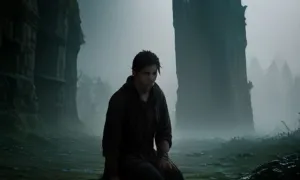
Příběh: Kostel svatého Václava (Václavice)
Bylo to v pondělí ráno, kdy Martin Černý zjistil, že jeho životní plán se rozpadá jako kostka sýra ve staré skříňce. Kostel svatého Václava, stojící jako tem…
Číst příběh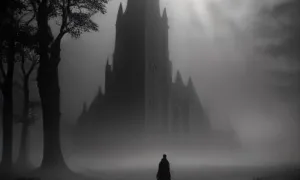
Pověst: Kostel svatého Václava (Václavice)
Staří obyvatelé Václavic a přilehlých vsí vyprávějí, že kdo vychází za soumraku po polní cestě kolem kostela svatého Václava, ten si má dávat dobrý pozor, ka…
Číst příběhFotografie návštěvníků
Zatím žádné fotografie. Buďte první, kdo přidá fotografii z návštěvy!
Log in a přidejte svou fotografii nebo hodnoťte.
Za ověřenou návštěvu v aplikaci získáte víc bodů — poznáme podle GPS, že jste na místě.
Reviews and comments