






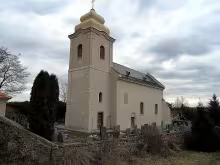
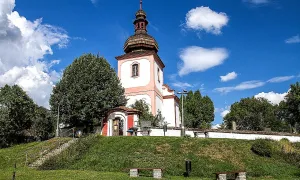
The Church of Saint Wenceslas in Žabonosy is a remarkable cultural monument in the Středočeský region, known for its historical layers and architectural evolution. Originally built after 950 as a pre-Romanesque church, it was replaced by a Romanesque structure with an emporium around the mid-12th century. This site is one of the oldest and most significant monuments in the Kolín region, reflecting Bohemia's cultural and ecclesiastical developments during this period.
The origins of the Church trace back to when Bohemia experienced architectural transformation influenced by Romanesque styles. The initial pre-Romanesque church, constructed after 950 on what is believed to be a Slavníkovské hradiště, marked an early phase in regional ecclesiastical architecture. By the mid-12th century, this structure was replaced with a more sophisticated Romanesque design that included an emporium, indicating a shift towards complex architectural forms and functions.
Architecturally, the church underwent several modifications over the centuries. In the late 13th century, it saw the addition of a rectangular presbytery and a northern chapel to enhance its functionality and aesthetic appeal. The most significant transformation occurred in 1721 when the church's exterior was redesigned in the Baroque style, obscuring much of its original Romanesque features. Despite these changes, archaeological research conducted between 2008 and 2010 revealed that the site once hosted a larger three-nave basilica, which was replaced by the current structure for reasons still debated among historians.
Throughout its history, the church has been associated with notable figures such as Jan z Jenštejna, who oversaw further modifications in the late 14th century. These changes included adding a northern chapel that later served as a sacristy, although some sources suggest a possible connection to P. Parléř's workshop without concrete evidence.
Today, the Church of Saint Wenceslas remains an important cultural and historical site. It is protected as a national monument in the Czech Republic, reflecting its enduring significance. Visitors are drawn to its unique architectural history and insights into the region's past. The church offers a glimpse into the evolution of ecclesiastical architecture from pre-Romanesque to Romanesque and Baroque styles, making it a worthwhile destination for those interested in Bohemian heritage.
In conclusion, the Church of Saint Wenceslas is not only a testament to architectural ingenuity but also a cultural beacon that continues to captivate historians and tourists. Its layered history and preserved beauty invite visitors to explore its storied past and appreciate its place within Czech cultural heritage.
Historical milestones
- 950
- Construction of the original pre-Romanesque church.
- 1200
- Replacement by a Romanesque structure with an emporium.
- 1270
- Addition of a rectangular presbytery and northern chapel.
Architectural development
The Church of Saint Wenceslas began as a pre-Romanesque structure built after 950. It was replaced by a Romanesque church with an emporium in the mid-12th century. In the late 13th century, it underwent significant modifications including the addition of a rectangular presbytery and a northern chapel. The church's exterior was baroque-styled in 1721.
Historical events
The original pre-Romanesque church was replaced by a Romanesque structure with an emporium around the mid-12th century.
In the late 13th century, a rectangular presbytery and a northern chapel were added to the church.
Points of interest
- The Church of Saint Wenceslas is built on what is believed to be a Slavníkovské hradiště, an ancient stronghold site that adds historical depth and mystery to its origins.
- Although the church underwent significant Baroque redesign in 1721, archaeological studies revealed it once housed a larger three-nave basilica, suggesting a grander structure was replaced for reasons still debated by historians today.
Guide
Show guide text
Welcome to the Church of Saint Wenceslas in Žabonosy, a remarkable cultural monument nestled in the heart of Středočeský kraj. As you stand here, take a moment to absorb the serene atmosphere surrounding this historic site. The church's façade exudes an air of timelessness, inviting you to delve into its rich history.
The story of this sacred place begins with the construction of an original pre-Romanesque church after 950. This early structure laid the groundwork for what would become a significant religious and cultural landmark. By around 1200, it was replaced by a more robust Romanesque edifice, complete with an emporium—a testament to its growing importance as both a spiritual and commercial hub.
As you gaze upon the church, notice how time has sculpted its architecture. The addition of a rectangular presbytery and a northern chapel in 1270 marked significant modifications that enriched its architectural narrative. These elements are not just structural but tell stories of adaptation and resilience through centuries.
This site is also intertwined with fascinating historical figures, including Jan z Jenštejna, whose legacy adds depth to the church's storied past. While much about the architects remains shrouded in mystery, their vision has left an indelible mark on this landscape.
One intriguing aspect of the Church of Saint Wenceslas is its foundation upon what is believed to be a Slavníkovské hradiště—an ancient stronghold site that adds layers of historical depth and intrigue. This connection to a bygone era invites you to ponder the countless stories embedded in the very ground beneath your feet.
In 1721, the church underwent a significant Baroque redesign, yet archaeological studies have revealed fascinating details about its earlier forms. These findings offer glimpses into a larger, more complex past that continues to captivate historians and visitors alike.
As we conclude this brief exploration, I encourage you to continue discovering the many layers of history and architecture that Žabonosy has to offer. Take your time to explore further and let the whispers of the past guide your journey through this remarkable site. Thank you for joining me today, and enjoy every moment of discovery here at the Church of Saint Wenceslas.
---
This audio guide is designed to enrich your visit with insights into the historical and architectural significance of this cherished monument. Enjoy your exploration!
Businesses nearby
Do you run a restaurant, accommodation, shop, museum, rental, wellness or other visitor service near this monument? Show yourself directly to the people heading to it — this is how they will see you in the app and on the web:
Accommodation nearby
Trips and activities nearby
Guided tours, tickets and activities nearby from GetYourGuide
Search tours and activities →Themed route
Tematická Výletní Trasa: Kostel svatého Václava v Žabonosech
1. Kostel svatého Václava (Žabonosy) *Typ:* Historická památka, náboženský objekt *Proč stojí za návštěvu:* Tento kostel je architektonickou perli Středočeského kraje. Jeho historie sahá až do 13. století, což ho činí významným místem pro ty, kdo se zajímají o dějiny a architekturu. Interiér nabízí poutavé fresky a sochy, které představují bohatou uměleckou tradici.
2. Nádvoří kostela *Typ:* Historický areál *Proč stojí za návštěvu:* Nádvoří kostela je místo, kde si můžete užít klidné chvilky a prohlédnout se po historických značkách. Je to ideální místo pro relaxaci a reflektování v krásném venkovním prostředí. Zde můžete také najít informace o historii kostela a jeho architektuře.
3. Věž kostela *Typ:* Historická struktura *Proč stojí za návštěvu:* Výstup na věž nabízí jedinečnou perspektivu na okolní krajinu a obec Žabonosy. Zde můžete užít pohled z vrcholu, který je odměnou za krátké chvíle strávené vystupováním po schodech. Tohle místo je ideální pro fotografii a pro ty, kteří hledají nové pohledy na známé kraje.
4. Park kolem kostela *Typ:* Zelená zóna *Proč stojí za návštěvu:* Park nabízí klidné prostory, kde si můžete užít přírody a relaxovat po prohlídce kostela. Je to ideální místo pro piknik nebo pro chvilku odpočinku v příjemném venkovním prostředí. Zelené louky a stromy poskytují útočiště před každodenním životem.
5. Místní tradiční kavárna *Typ:* Kulturní zážitek *Proč stojí za návštěvu:* Po prohlídce kostela a jeho okolí můžete navštívit místní kavárnu, kde si užijete tradiční českou kuchyni. To je skvělý způsob, jak zakončit svůj výlet a prozkoumat místní gastronomii. Zde můžete také setkat nové lidi a sdílet své dojmy o návštěvě kostela.
Tato trasa nabízí komplexní zážitek od historických po kulturní aspekty obce Žabonosy, což ji činí ideální pro každého cestovatele.
Seasonal recommendations
Spring: Visiting the Church of Saint Wenceslas during springtime offers a unique experience as nature awakens around Žabonosy. The blooming flowers and fresh greenery create a picturesque setting, enhancing the church's historical charm. The soft morning light provides ideal conditions for photography, casting gentle shadows that highlight architectural details. As temperatures begin to rise, it’s advisable to wear layers to accommodate varying weather conditions throughout the day. This period often sees fewer visitors compared to summer, making it an excellent time for those seeking a more tranquil exploration of this historic site.
Summer: In the summertime, the Church of Saint Wenceslas is enveloped in vibrant life, with lush landscapes surrounding Žabonosy. The longer daylight hours allow for extended visits and opportunities to enjoy outdoor activities nearby after exploring the church. However, summer also brings larger crowds, especially during peak tourist season. To avoid long waits, it's recommended to arrive early in the morning or later in the afternoon when temperatures are more bearable. Comfortable walking shoes and light clothing are essential due to the warm weather.
Autumn: Autumn transforms the Church of Saint Waveslas into a serene haven as Žabonosy is adorned with fiery hues of red, orange, and gold. The crisp air and golden sunlight create an enchanting atmosphere perfect for photography enthusiasts. This season often sees a moderate number of visitors, providing a balance between summer crowds and winter quietness. Layered clothing is advisable to cope with the cooler temperatures and unpredictable weather. An afternoon visit can be particularly rewarding as the light softens towards sunset.
Winter: Winter presents a magical backdrop for visiting the Church of Saint Wenceslas in Žabonosy, especially when snow blankets the landscape, adding a touch of enchantment to the historic architecture. The shorter days mean that visits are best planned early in the day to make the most of natural light. This season typically sees fewer tourists, offering a peaceful experience. Visitors should dress warmly and be prepared for potential closures due to inclement weather or reduced opening hours. Despite these challenges, winter offers a unique opportunity to appreciate the church's beauty in a quiet, snow-covered setting.
Visualizations and artistic views

Vizualizace jsou generovány umělou inteligencí a slouží jako inspirace.


Tips from visitors
No tips yet. Be the first!
Log in and add your tip.

Reviews and comments