



Kostel svatého Víta (Havlíčkova Borová) Church
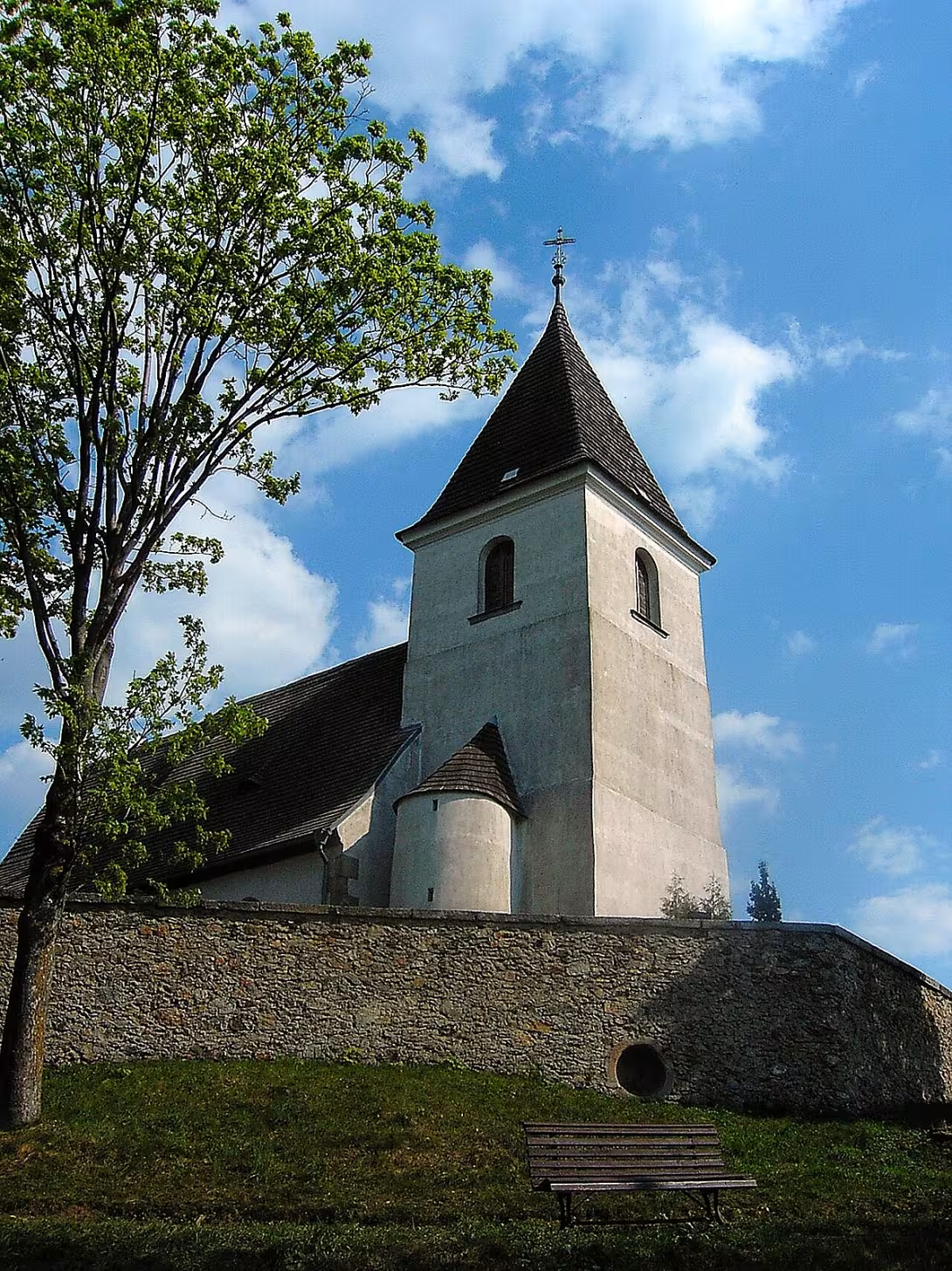
The Church of Saint Vitus in Havlíčkov Borová is a proof of the rich historical tapestry of the Czech Republic. This single-boat Gothic church is located in the Vysočina region, surrounded by a cemetery founded in 1856 and extended in 1947. Originally built on the site of the Romanesque chapel from the end of the 12th century, it was transformed into its present form at the turn of the 15th and 16th centuries. The importance of the church lies not only in its architectural evolution, but also in the role of cultural monument protected by the Czech Republic.
The origin of St. Vitus' church dates back to the late Middle Ages, when Bohemia was a vibrant cultural and political centre in Central Europe. During this time, religious and social changes affected architectural styles throughout the region. The conversion from Romanesque Chapel to Gothic Church reflects these broader trends. At the turn of the 15th and 16th centuries, this place developed to meet the changing aesthetic and spiritual needs of its community.
Architecturally, the Church of St. Vitus shows elements typical of Gothic design, with its single-boat structures that provide a clear example of this style influence in Bohemia. The addition of the bell tower in 1696 further improved its profile and marked the important stage of its architectural development. Inside, visitors can admire baroque oratory paintings depicting the sacrifice of David and Abel, next to a 17th-century stone christening font. These artistic elements add depth to the historical story of the church.
Throughout its history, the Church of St. Vitus witnessed important events that shaped its legacy. During World War I in 1916, two of his bells were removed for war purposes, so only the smallest bell in a row. In response, a benefit campaign was organised in 1925 to replace these bells. New, named after Saint Vitus and Saint John of Nepomuk, were installed and sanctified in the same year. In addition, in 1918, the church organ tubes were removed due to war requirements.
Today, the Church of St. Vitus remains a rare cultural monument. Its historical significance and architectural beauty make it a useful visit for interested people to discover the Czech heritage. The surrounding cemetery, founded in 1856 and extended in 1947, adds another layer of historical context to this place. Visitors are invited to meet first-hand with the permanent heritage of this remarkable church, which remains a symbol of the resilience and cultural continuity in Havlíček Borová.
Then and now
Drag the slider to compare how the landmark may have looked when it was built with the view today.
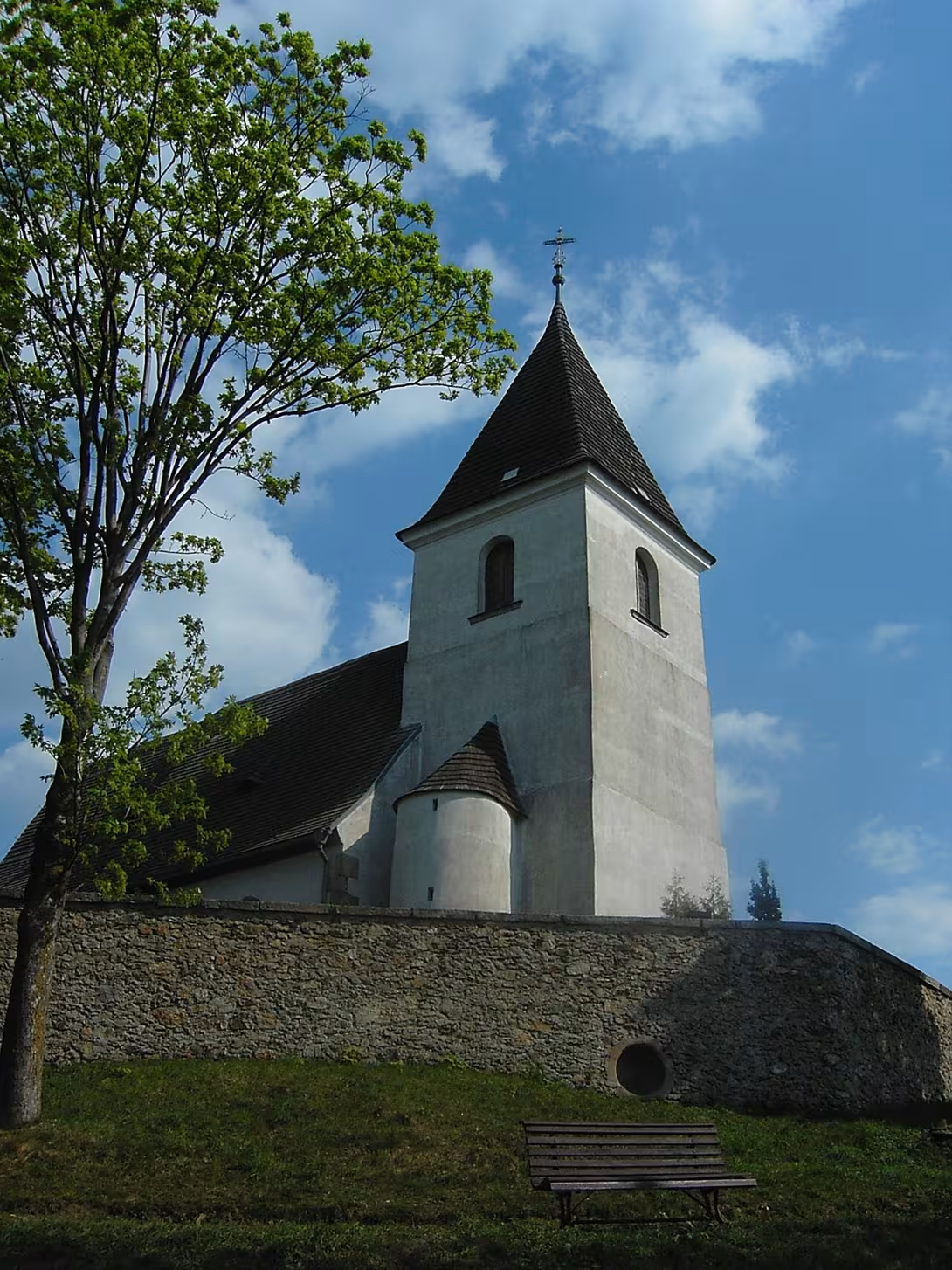
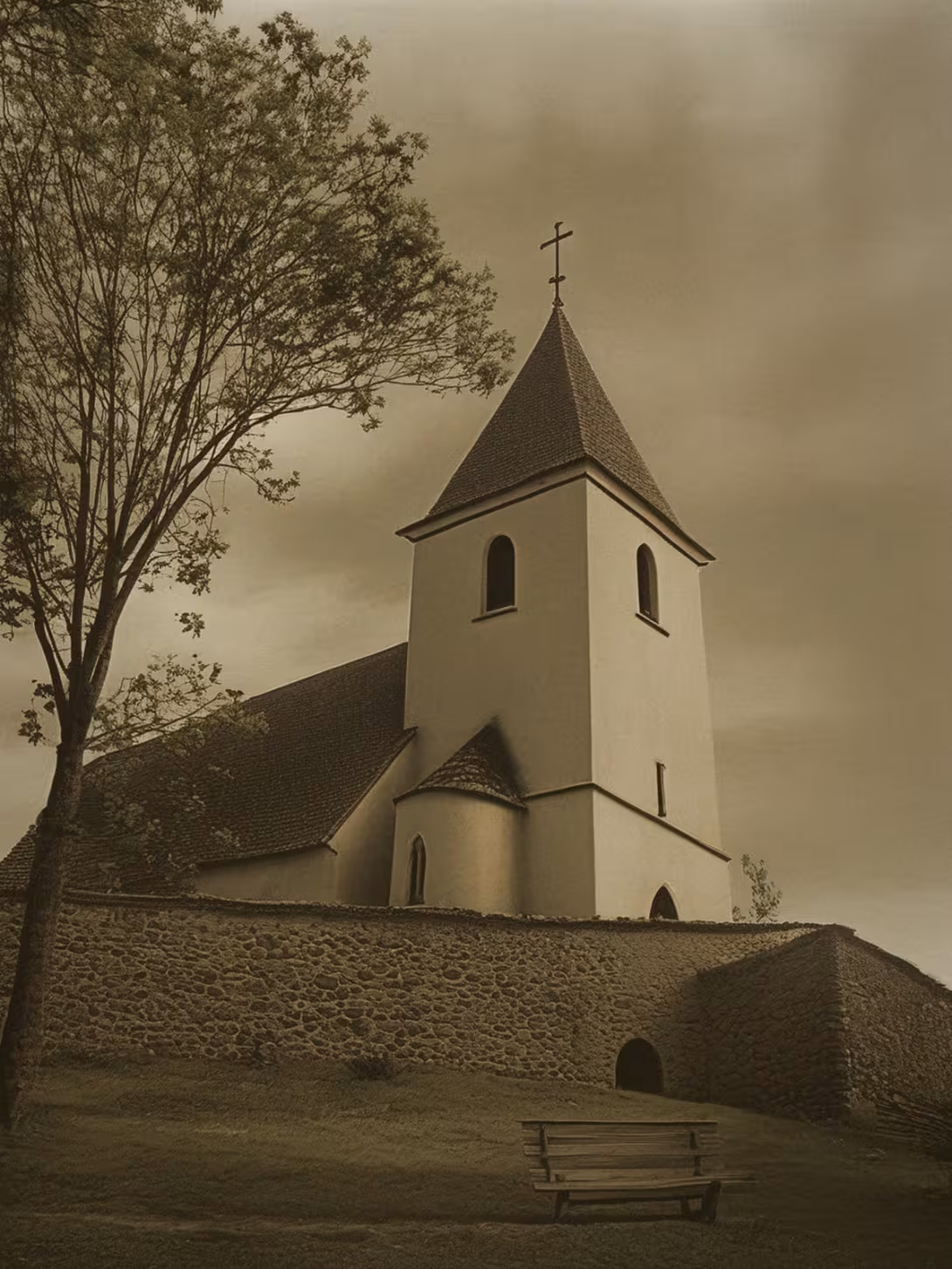
The historical appearance on the left is an AI-generated visualisation and serves as inspiration only.
Historical milestones
- 1856
- A cemetery was established around the church.
- 1947
- The current cemetery has been expanded.
Architectural development
The place was originally hosted by a Romanesque chapel which was later converted into a Gothic church at the turn of the 15th and 16th centuries. In 1696 a bell tower was added which increased its architectural profile.
Historical events
In 1916, two bells were removed for war purposes, so only the smallest bell of the church.
The 1925 tax campaign led to the installation and sanctification of new bells named after Saint Vitus and Saint John of Nepomuk.
Points of interest
- The Church of Saint Vitus originally stood on the site of a Romanesque chapel from the late 12th century, showing how architectural styles evolved for centuries in response to cultural and spiritual needs.
- In 1916, during the First World War, two bells were church requisized for war purposes, leaving only the smallest bell behind. This event highlights the impact of global conflicts on local communities and their heritage.
- In 1925, a unique fund-raiser was launched, replacing the lost bells, resulting in a new name named after the installation and sanctification of St. Vito and St. John Nepomuk, demonstrating community resilience and commitment to the preservation of cultural monuments.
- The interior of the church is equipped with baroque orak paintings depicting the sacrifice of David and Abel, in addition to the stone baptism of the 17th century, adding layers of artistic and historical depth to its storytelling.
- In 1918, the organs of the church were removed due to war challenges, reflecting another case where global events directly influenced local religious practices and heritage conservation.
Guide
This guide is narrated by a synthetic voice generated by artificial intelligence.
Show guide text
This text was created by artificial intelligence and has not been editorially reviewed. It may contain inaccuracies.
Welcome to the Church of St. Vitus in Havlickov Borová, a remarkable testimony of architectural evolution and historical persistence. As you stand here, surrounded by a peaceful embrace of the cemetery that was founded in 1856, take a moment to appreciate this single-boat building that has passed centuries.
The place you are now standing on was originally based in a Romanesque chapel from the late 12th century. Over time, as cultural and spiritual needs developed, architecture turned into a Gothic church, which we see today at the turn of the 15th and 16th centuries. This development speaks of the adaptability and resilience of human expression through stone and faith.
As you look around, notice how the church blends smoothly with its surroundings, which is proof of both its historical significance and its architectural beauty. The bell tower, added in 1696, stands as an important feature, extending towards the sky - a silent observer of the time passage. While inside, your eyes could be attracted to baroque oral paintings depicting David and Abel's sacrifice, offering not only visual pleasure, but also a view of the spiritual stories that were worshipped by those before us.
The history of this church is intertwined with important events, such as during the First World War in 1916, when two of its bells were requisized for war effort. This moment reminds us of the wider historical currents that passed through Havlicek Bora and how they left their mark in this sacred place.
As you continue to explore, let your curiosity guide you. Every corner of this church and its cemetery contains stories that await discovery, from architectural transitions that have passed through the silent whisper of history echoed from their walls.
We invite you to dive deeper into this fascinating place, wander through time and discover the layers of history that make St. Vitus's church a truly unique monument. Thank you for joining us on this journey through history, architecture and spirituality. May your research be as rewarding as it is instructive.
Tips for visitors
The best time to visit the church of St. Vitus in Havlíčkov Borová is at the end of spring or early autumn when the weather is pleasant and the surrounding landscape offers a beautiful background for your visit. These seasons provide ideal conditions for exploring the church and its cemetery without summer crowds or winter cold. Besides, a visit on weekdays can offer a calmer experience compared to weekends.
For those who prefer public transport, there are options that can take you near the church; However, it is best to verify the current routes and plans through the transport search tool or local transit website.
When planning your visit, consider bringing comfortable walking shoes, especially if you plan to explore the church area. The camera is also recommended to capture architectural details of the church and its quiet cemetery settings. Because lighting can significantly affect the quality of the photo, the goal for early morning or late afternoon visits when natural light increases the texture and color of the site.
For families with children, a visit to St. Vitus Church offers an educational experience from local history and architecture. Thanks to the quiet environment it is suitable for a peaceful walk after exploring the church. Near, within 30 minutes, you will find other attractions that satisfy family interests such as natural trails or historical sites in the Vysočina region. Always look forward to any family activities or events that take place during your visit.
Frequently asked questions
Can the monument be visited?
Religious buildings are usually open mainly during services; at other times a visit is normally arranged with the parish or the operator. We have not verified specific times.
Where is the monument?
Location: Havlíčkova Borová, Kraj Vysočina. The map on this page shows the exact spot.
Why is the monument protected?
It is listed in the Central List of Cultural Monuments of the Czech Republic as a cultural monument (register no. 25056/6-171).
Businesses nearby
Do you run a restaurant, accommodation, shop, museum, rental, wellness or other visitor service near this monument? Show yourself directly to the people heading to it — this is how they will see you in the app and on the web:
Nearby
PHARMAZobrazit interaktivní přenos okolí - Restaurace, ubytová, početné a další město v okrehu 15 km.
Data: přispěvatelé OpenStreetMap, okreh 15 km.
Historické památky
- Karel Havlíček Borovský (0.5 km)
- vozík ze šachy Tereza (3.8 km)
- Žižkova mohyla (4.6 km)
- sv. Jan Nepomucký (8.7 km)
- obětem 1. a 2. světové války (9.7 km)
- zámek Pohled (10.0 km)
- Mariánský sloup (12.7 km)
- Památník letecké nevody 19. 11.1996 (12.8 km)
PŘÍLOHA
- Račínská hospůdka (6.3 km)
- Salón Expres (9.4 km)
- Starý hostinec (9.7 km)
- Na Stezce (12.0 km)
- Táferna (12, 5 km)
- Pivnice Na Divočině (12.6 km)
- Tisovka (13.1 km)
- Süssus Hostinec (13.7 km)
PŘÍLOHA
- Leopold (6.3 km)
- U Šimáka (7.1 km)
- Velké Dářko (9.1 km)
- Penzion Polnička (10.3 km - 84)
- penzion Vysočina (10.3 km)
- penzion Najdek (10.4 km)
- penzion Velké Dářko (10.4 km)
- Tálský mlýn (11.7 km)
Poujčovny a sport
- Koupaliště Přebyslav (6.7 km)
- Kastar (7.6 km - 326)
- Kaba Sport - Jízdní kolo (12.3 km)
- Fitness centrum Orlovna (13.0 km)
- Best Fitness Sport Club (13.4 km)
- Cyklo Moravec (13.5 km)
- Active Club (13.5 km)
- Cyklo Chlubna (13.6 km)
Garantica Turistika a příroda
- Pod Kopcem (rozcestí) (6.3 km)
- Přesyslav (6.9 km)
- Radostín (7.1 km)
- Nížkov (žst) (8.6 km)
- Sokolohrady (10.4 km)
- Točitý vír (11.3 km)
- pramen Sázavy (12.1 km)
- Tismovka (12.3 km)
Accommodation nearby
Themed route
Thematic cruise route: Kostel svatého Víta (Havlíčkova Borová)
1. Kostel svatého Víta (Havlíčkova Borová) - Main objective * Type: * Church * Why is it worth visiting: * This baroque church is not only the spiritual center of the village, but also an architectural treasure with a rich history. It is a significant construction and the interior is encouraged to make the registration and application for permission.
2. St Vitus's tank skeleton * Type: * * Why is it worth a visit: * Walking on the claims increases the use with calm circumstances and at the same time submit to the church from a different angle. It is an ideal place for relaxation or short pause due to changes that occur as a result of changes in condition and possibilities and assistance as a result of changes in condition.
3. Tower of St. Vitus Church * Type: * Tower * Why is it worth a visit: * A trip at your own expense for one perspective on the village Havlíčkova Borová and surrounding landscape. Here you can use beautiful hippos that are only available from higher heights, which is great for photographers or simple meditation.
4. Park around the Holy Vitus skeleton * Type: * Park * Why is it worth a visit: * The park around the church offers a place to postpone and walk in a pleasant process. It is an ideal place for native trips where dou can hinge or explore the water. The park is also a perfect place to relax and enjoy your peace after a challenging cube.
This route offers a comprehensive experience of the church of St. Víta, is history and surroundings, a cross point each point allows you to explore various aspects of toemusta.
Seasonal recommendations
Spring: The visit to St. Vitus church in spring offers a unique experience when nature wakes up around Havlickova Borová. The surrounding landscape is decorated with vibrant wild flowers and wandering trees, creating a picturesque environment that increases the historical charm of the church. In this time of year, they usually see fewer visitors, which allows for a quieter survey. It is advisable to wear comfortable layers due to fluctuating temperatures, and morning visits can provide the most pleasant weather conditions.
Summer: Summer is an ideal time to explore St. Vitus' church, because long hours of the day allow longer sightseeing opportunities. The lush greenery around Havlickova Borová creates a calm atmosphere, ideal for peaceful walks after a visit to the church. During this top tourist season, it is best to arrive early in the morning or later in the afternoon to avoid the crowd. Light and breathable clothing is recommended, along with sun protection such as hats and sunscreen.
Autumn: Autumn brings a stunning transformation of colors around the church of St. Vitus, with leaves turning shades of red, orange and gold. The colder weather allows comfortable walks around Havlickova Borová's lively landscape. This season is less crowded than summer, offering a more intimate experience. The layered clothes are suitable for adapting to changing temperatures all day long, and wearing an umbrella might be wise due to possible rain showers.
Winter: Winter at St. Vitus Church offers a magical atmosphere with snow covered with surroundings that creates a picturesque scene in Havlicka Bora. Shorter days are limited in visiting times, so planning visits during daylight is necessary. It is important to dress well and wear waterproof shoes for comfort. While winter can be calmer when it comes to the number of visitors, it also means that some equipment could have shortened operating hours or services.
Visualizations and artistic views


The visualisations are generated by artificial intelligence and serve as inspiration.
Photos from the area
Real photos taken near the monument

Zdroj a licence jsou uvedeny u každého snímku.
Tips from visitors
No tips yet. Be the first!
Log in and add your tip.
Sources and literature
Photos: Roy at Czech Wikipedia (Original text: Zdeněk Karas) / Public domain — Wikimedia Commons. The author and licence also appear when you hover over the image.
Faktickým podkladem tohoto textu byl článek na Wikipedii, jehož autory jsou přispěvatelé Wikipedie. Článek je dostupný pod licencí CC BY-SA 4.0.
Location on the map
More monuments – Havlíčkova Borová
Show all in the municipality


Příběhy a pověsti
Legendy, pověsti a příběhy spjaté s touto památkou
Fotografie návštěvníků
Zatím žádné fotografie. Buďte první, kdo přidá fotografii z návštěvy!
Log in a přidejte svou fotografii nebo hodnoťte.
Za ověřenou návštěvu v aplikaci získáte víc bodů — poznáme podle GPS, že jste na místě.
Reviews and comments