






kostel svatého Vojtěcha (Lštění) Church
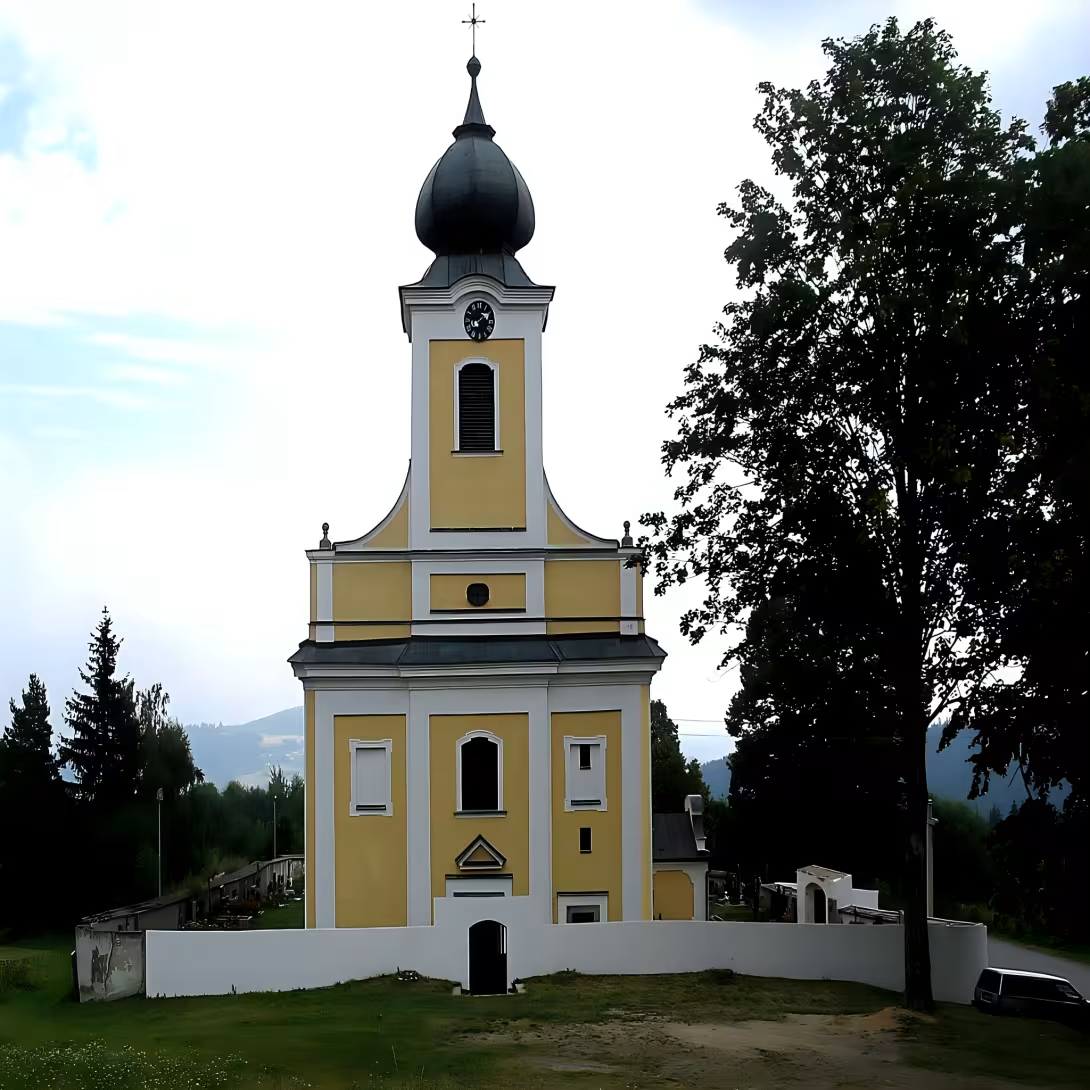
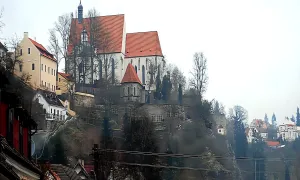
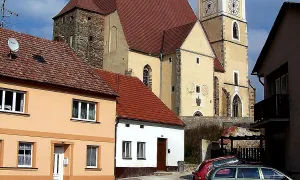
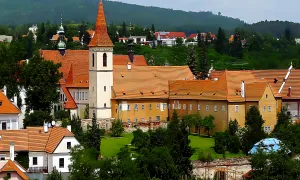
The Church of Saint Vojtěch in Lštění is a remarkable Baroque church, serving as both a cultural monument and a significant pilgrimage site since the mid-17th century. Located in the village of Lštění within the Radhostice district, it was constructed between 1739 and 1741 on the site of an earlier Gothic structure from the mid-13th century. Its tower reaches 90 meters above sea level, making it one of the highest-placed parish churches not only in Šumava but also across all of Czechia.
The original Gothic church, mentioned before 1354, underwent several ownership changes among local nobility, including the Rožmberks and Schwarzenbergs. After lightning damage to this early structure, a new Baroque edifice was commissioned by Anton Erhard Martinelli, an Austrian imperial architect of Italian origin. The construction process spanned from 1739 to 1741, with the church being consecrated in 1743 by vicar Matěj Schulpach.
Architecturally, the Church of Saint Vojtěch features a single-nave design with Baroque elements such as ovular vaults and attic pilasters. The original Gothic presbytery has been preserved within the new structure's sacristy, showcasing Gothic cross-ribbed vaulting. This blend of architectural styles reflects the cultural influences prevalent during the 18th century when Bohemia was part of the Habsburg Monarchy.
Throughout its history, the church underwent significant changes in ownership and administration. Initially under the patronage of local nobility such as the Rožmberks and Schwarzenbergs, it later became a parish church before transitioning to a filial church within the Vlachovo Březí parish. The church's tower, one of the highest-placed parish churches in both Šumava and all of Czechia, adds to its architectural significance.
In 2002–2003, the church underwent extensive reconstruction, culminating in a solemn re-consecration in April 2004 by Prokop Siostrzonek. This restoration preserved its historical and cultural value while ensuring its continued role as a place of worship and pilgrimage.
Today, the Church of Saint Vojtěch remains an accessible site for visitors interested in exploring its rich history and architectural beauty. Its status as both a cultural monument and a significant pilgrimage destination underscores its importance within the region. Visitors are invited to experience this unique blend of Gothic and Baroque architecture while reflecting on its historical significance.
Then and now
Drag the slider to compare how the landmark may have looked when it was built with the view today.
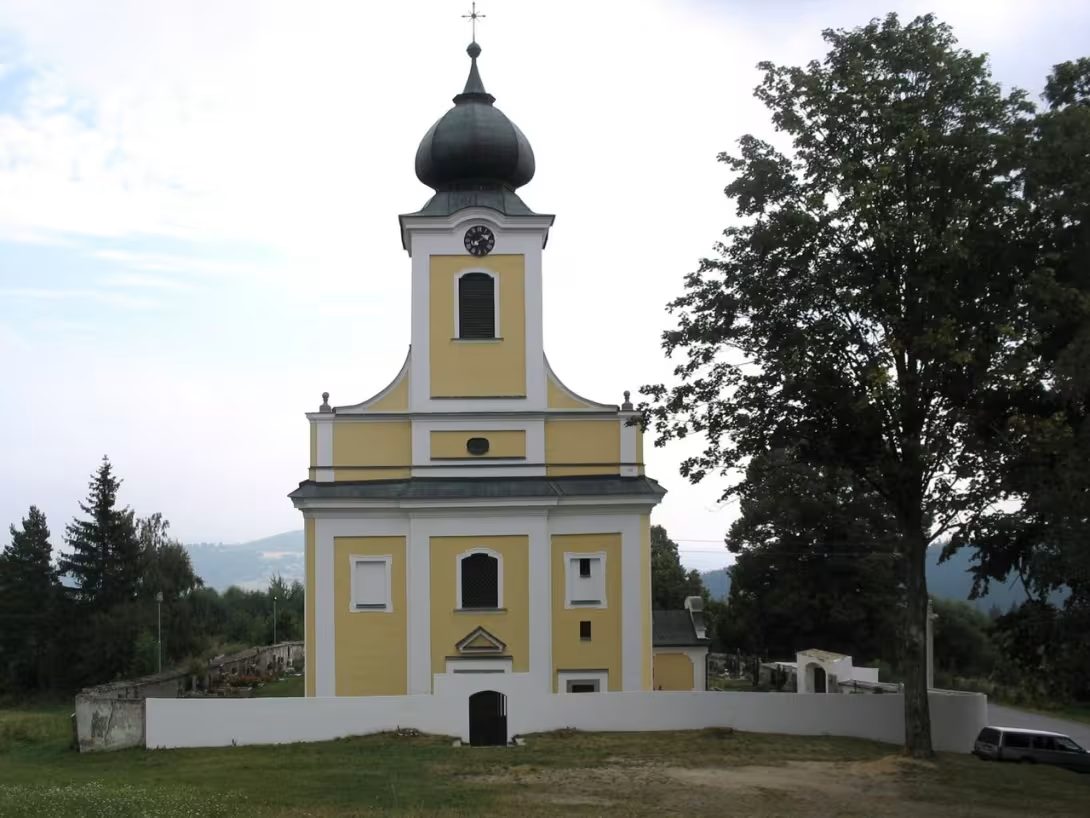
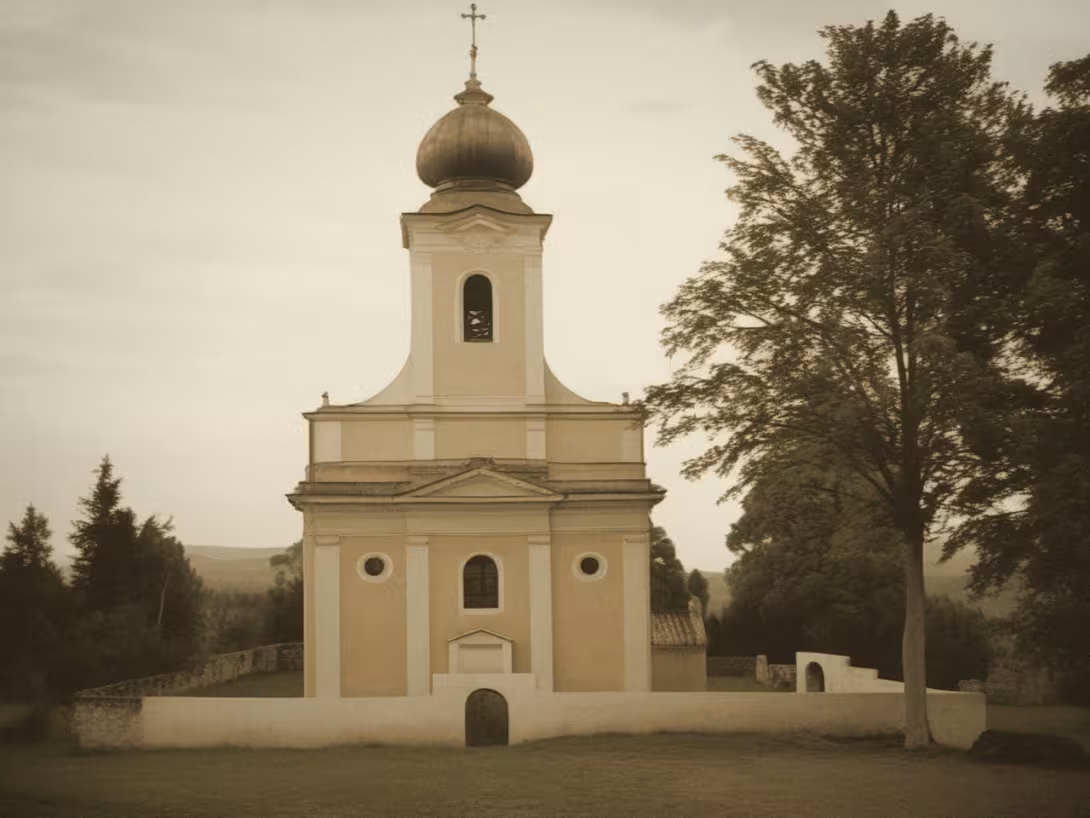
The historical appearance on the left is an AI-generated visualisation and serves as inspiration only.
Historical milestones
- kolem 1354
- První zmínka o gotickém kostele.
- 1739–1741
- Výstavba barokního kostela svatého Vojtěcha.
- 1743
- Kostel byl zasvěcen vicářem Matějem Schulpachem.
- 2002–2003
- Prošel rozsáhlou rekonstrukcí.
- 2004
- Solenní znovuzasvěcení kostela v dubnu.
Architectural development
The original Gothic church featured a small tower and three altars, with its presbytery preserved as part of the new Baroque structure's sacristy. The current church is single-nave with baroque elements such as ovular vaults and attic pilasters. It underwent significant reconstruction from 2002 to 2003 and was re-consecrated in April 2004.
Historical events
The original Gothic church mentioned before 1354 underwent several ownership changes among local nobility including the Rožmberks and Schwarzenbergs.
In 1739–1741, a new Baroque church was constructed after lightning struck the old building. It was consecrated in 1743 by vicar Matěj Schulpach.
Points of interest
- The Church of Saint Vojtěch's tower is one of the highest-placed parish churches in Czechia, standing at 90 meters above sea level, which makes it a notable landmark not just for its religious significance but also for its impressive height within the Šumava region.
Guide
This guide is narrated by a synthetic voice generated by artificial intelligence.
Show guide text
This text was created by artificial intelligence and has not been editorially reviewed. It may contain inaccuracies.
Welcome to the Church of Saint Vojtěch in Lštění, a remarkable testament to Baroque architecture and spiritual heritage nestled within this picturesque locale. As you stand before it, take a moment to absorb its grandeur—a structure that has witnessed centuries unfold. The church's façade, with its intricate details and commanding presence, beckons you into a story deeply rooted in history.
The origins of this sacred site trace back to the mid-13th century when an early Gothic church first graced this land. By 1354, records mention this initial structure, serving as a spiritual beacon for the community. However, it was between 1739 and 1741 that the Church of Saint Vojtěch as you see it today came into being. Designed by Anton Erhard Martinelli, its Baroque style replaced the Gothic predecessor, marking a new era in architectural elegance and religious devotion.
As you gaze upon the church, notice how the Baroque elements blend seamlessly with the natural surroundings. The façade's symmetry, coupled with ornate detailing, exemplifies the artistic vision of its time. Though specific sculptures or paintings are not detailed here, the overall atmosphere exudes a sense of reverence and awe, inviting contemplation.
In 1743, vicar Matěj Schulpach sanctified this magnificent edifice, cementing its role as a pivotal place of worship and pilgrimage. The church has since stood as a cultural monument, with its significance further underscored by a comprehensive restoration between 2002 and 2003, culminating in its solemn re-dedication in April 2004.
One cannot help but be captivated by the church's towering presence. Its tower ascends to an impressive height of 90 meters above sea level, making it one of the highest-placed parish churches not just in Šumava, but across all of Czechia. This architectural marvel offers more than spiritual solace; it provides a vantage point that symbolizes both earthly and divine aspirations.
As you continue to explore this historic site, let your imagination wander through the centuries. Picture the countless souls who have sought guidance within these walls or gazed up at its towering spire in awe. Each stone tells a story of faith, resilience, and artistic achievement.
Before we part ways with this enchanting landmark, I invite you to take a moment longer, perhaps to walk around it and appreciate its place within the landscape. The Church of Saint Vojtěch is more than just an architectural wonder; it's a bridge connecting past and present, inviting all who visit to ponder their own journey.
Thank you for joining me on this brief exploration. May your stay in Lštění be filled with discovery and inspiration. Until next time, keep wandering and wondering at the beauty of our world’s historical treasures.
Tips for visitors
The best time to visit the Church of Saint Vojtěch in Lštění is during late spring or early autumn, when the weather is pleasant for walking and exploring the surrounding areas. During these months, you can enjoy the natural beauty of the region without the crowds that often accompany peak tourist seasons like summer. Additionally, the lighting conditions are ideal for photography, especially around mid-morning or late afternoon when the sunlight casts a soft glow over the Baroque architecture.
Parking and transportation options to Lštění are convenient; you can drive your own vehicle or use public transport. If driving, there is parking available nearby, though it's advisable to check for any restrictions in advance. For those preferring public transport, local bus services connect to Lštění, but be sure to verify the latest schedules and routes using a transportation app or website before your visit.
When visiting the Church of Saint Vojtěch, consider bringing comfortable walking shoes as you may want to explore the area around the church. A camera is also recommended to capture the stunning Baroque details of the church's architecture. Additionally, carrying a light jacket can be helpful, as temperatures can vary throughout the day.
For photography enthusiasts, some of the best spots for capturing the Church of Saint Vojtěch are from the front entrance and the surrounding pathways where you can get a full view of its facade. The lighting is particularly beautiful during the golden hours—just after sunrise or before sunset—when shadows add depth to the Baroque details.
In terms of nearby attractions within 30 minutes, visitors might enjoy exploring other historical sites in the region that complement their experience at Lštění. While specific locations are not listed here, typically such areas offer a mix of natural landscapes and additional cultural or historical points of interest. It's worth checking local guides or maps for recommendations.
For families with children, visiting the Church of Saint Vojtěch can be an educational experience. Consider bringing along some simple history books about Baroque architecture to engage younger visitors. The church grounds are generally safe and accessible, making it a family-friendly outing. Additionally, exploring nearby nature trails could provide a fun activity for kids after touring the church.
Businesses nearby
Do you run a restaurant, accommodation, shop, museum, rental, wellness or other visitor service near this monument? Show yourself directly to the people heading to it — this is how they will see you in the app and on the web:
Events nearby
Zdroj akcí: otevřená data měst a obcí ČR (Národní katalog otevřených dat) a kalendář akcí Národního památkového ústavu.
Accommodation nearby
Themed route
Tematická výletní trasa: Kostel svatého Vojtěcha (Lštění)
1. Kostel svatého Vojtěcha, Lštění *Typ:* Religiózní památka *Proč stojí za návštěvu:* Tento barokní kostel je nejen duchovním centrem obce Lštění, ale také architektonickou perli. Jeho bohatě zdobený interiér a historie přitahují návštěvníky z celého okresu Radhostice.
2. Kaple svaté Anny *Typ:* Kaple *Proč stojí za návštěvu:* Nachází se v blízkosti kostela a nabízí klidné místo pro meditaci a úvahy. Její historie je úzce spjata s místními tradicemi, což ji činí zajímavou pro ty, kteří se zajímají o regionální dědictví.
3. Mikulášský sloup *Typ:* Historická památka *Proč stojí za návštěvu:* Tento sloup je symbolem místní kultury a historie, připomínající tradice spojené s Mikulášovým den. Je umístěn v blízkosti kostela a nabízí krásnou fotografickou příležitost.
4. Památník válečných obětí *Typ:* Památník *Proč stojí za návštěvu:* Nachází se v okolí kostela a je významným místem pro vzpomínku na historické události. Poskytuje vhled do minulosti obce a jejího přispění během válek.
5. Lštěnský rybník *Typ:* Rybník *Proč stojí za návštěvu:* Tento rybník je ideálním místem pro odpočinek a relaxaci po prozkoumání historických památek. Jeho klidné vody a přírodní prostředí nabízejí krásný pohled na okolní krajinu.
Tato trasa kombinuje kulturní, historické a přírodní prvky oblasti Lštění, což ji činí ideální pro celodenní výlet.
Seasonal recommendations
Spring: Visiting the Church of St. Vojtěch during spring offers a unique experience as nature awakens around Lštění. The landscape is painted with vibrant colors from blooming flowers, and gentle breezes carry fresh scents through the air, creating an idyllic atmosphere for exploration. As daylight lingers longer into the evening, the church's architecture is beautifully illuminated by natural light, enhancing its historic features. This season sees fewer visitors compared to summer, providing a more tranquil environment to appreciate the site. It’s advisable to wear comfortable layers as temperatures can fluctuate, and early morning visits might offer the best opportunity to enjoy the serene surroundings before crowds gather.
Summer: Summer is an ideal time for visiting St. Vojtěch Church due to its extended daylight hours, allowing ample time to explore both the church and surrounding areas. The lush greenery provides a picturesque backdrop, while warm weather encourages outdoor activities nearby. However, this is also the peak tourist season, so expect larger crowds, especially during midday. To avoid the heat and ensure a more peaceful experience, consider visiting early in the morning or later in the afternoon. Dressing in light clothing and wearing comfortable shoes is recommended for navigating both the church grounds and any outdoor paths.
Autumn: Autumn brings a stunning display of colors as the leaves around Lštění turn into shades of red, orange, and gold, creating a breathtaking setting for visiting St. Vojtěch Church. The cooler temperatures make it a comfortable time to explore without the summer crowds. As days shorten, the church is often bathed in warm, golden light during sunset, adding a magical quality to its historic architecture. This season can be unpredictable weather-wise, so layering clothing is advisable, and checking forecasts before visiting ensures you’re prepared for any sudden changes.
Winter: The winter months transform St. Vojtěch Church into a serene, almost mystical destination with snow often blanketing the landscape around Lštění. The church’s architecture stands out starkly against the white backdrop, providing unique photo opportunities. However, shorter days mean less daylight for exploration, and some facilities may have reduced opening hours. It's crucial to dress warmly in layers and wear sturdy boots to navigate potentially icy paths. Visiting during weekdays can help avoid larger weekend crowds, allowing a more intimate experience of this historic site in its winter splendor.
Visualizations and artistic views


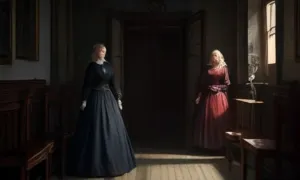
The visualisations are generated by artificial intelligence and serve as inspiration.
Photos from the area
Real photos taken near the monument

Zdroj a licence jsou uvedeny u každého snímku.
Tips from visitors
No tips yet. Be the first!
Log in and add your tip.
Sources and literature
Fotografie: Dingoa / CC BY 3.0, rozlišení zvýšeno umělou inteligencí — Wikimedia Commons. The author and licence also appear when you hover over the image.
Faktickým podkladem tohoto textu byl článek na Wikipedii, jehož autory jsou přispěvatelé Wikipedie. Článek je dostupný pod licencí CC BY-SA 4.0.
Location on the map

Příběhy a pověsti
Legendy, pověsti a příběhy spjaté s touto památkou
Fotografie návštěvníků
Zatím žádné fotografie. Buďte první, kdo přidá fotografii z návštěvy!
Přihlaste se a přidejte svou fotografii nebo hodnoťte.
Za ověřenou návštěvu v aplikaci získáte víc bodů — poznáme podle GPS, že jste na místě.
Reviews and comments