






kostel Všech svatých (Milotice) Church
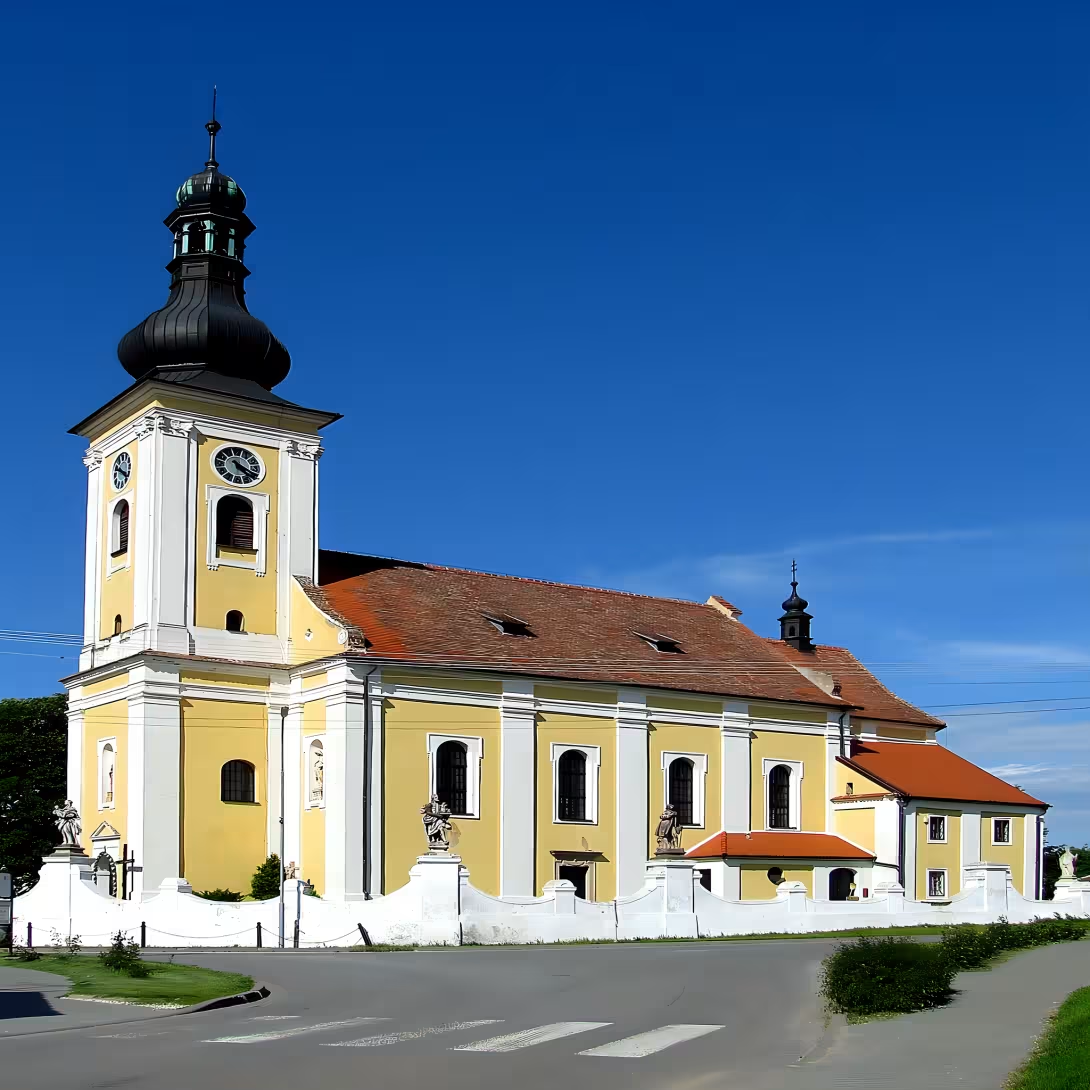
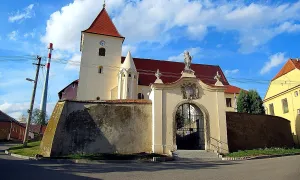
The Church of All Saints in Milotice is a baroque architectural gem located in the Hodonín District, South Moravian Region. Constructed between 1697 and 1701 on the site of an older stone church, it stands as the third ecclesiastical structure in Milotice following medieval and Renaissance predecessors. Recognized as a cultural monument of the Czech Republic, this church is notable for its rich interior decorations and historical significance.
Built during a period when Bohemia was part of the Habsburg Monarchy, the Church of All Saints emerged amidst religious conflicts following the Thirty Years' War and Counter-Reformation efforts. Although the specific architect remains unknown, it is assumed that Jan Křtitel Ernuszt may have been involved in its design. The church replaced earlier structures dating back to the 14th century and a Renaissance building from the late 16th century.
Architecturally, the Church of All Saints features baroque style with an initially modest interior, incorporating elements from the previous church demolished before 1697. It originally included three altars: one dedicated to All Saints, another to the Holy Trinity, and a third to the Sorrowful Virgin Mary. Over time, significant renovations expanded its artistic offerings. By the mid-18th century, under František Ludvík Serényi's patronage, additional side altars were added, including those dedicated to Saint John of Nepomuk and Saint Bartholomew.
The church has faced several challenges throughout its history. In 1705, it was damaged during an incursion by Kuruc forces shortly after its completion. Later, in 1807, a fire destroyed the entire tower. Despite these setbacks, the structure underwent restoration and continued to evolve artistically. The interior now boasts six altars, with works from artists such as Ondřej Schweigl and Josef Tadeáš Rotter contributing to its rich decoration.
The exterior of the church is enclosed by a wall built between 1702 and 1703, adorned with baroque sculptures that enhance its historical ambiance. This wall features notable sculptures like the Malé Kalvárie, created by different artists over time, including works by Ondřej Schweigl and Josef Leonard Weber. The surrounding area once served as a cemetery until 1787, adding to its historical depth.
Today, the Church of All Saints remains an accessible cultural monument, inviting visitors to explore its baroque architecture and artistic treasures. Its significance is underscored by events such as the return of the painting of Our Lady of Milotice in 2017, which had been absent for 68 years. This church not only stands as a testament to historical resilience but also offers a glimpse into the rich cultural heritage of the region. Visitors are encouraged to experience its unique blend of history and artistry firsthand.
Then and now
Drag the slider to compare how the landmark may have looked when it was built with the view today.
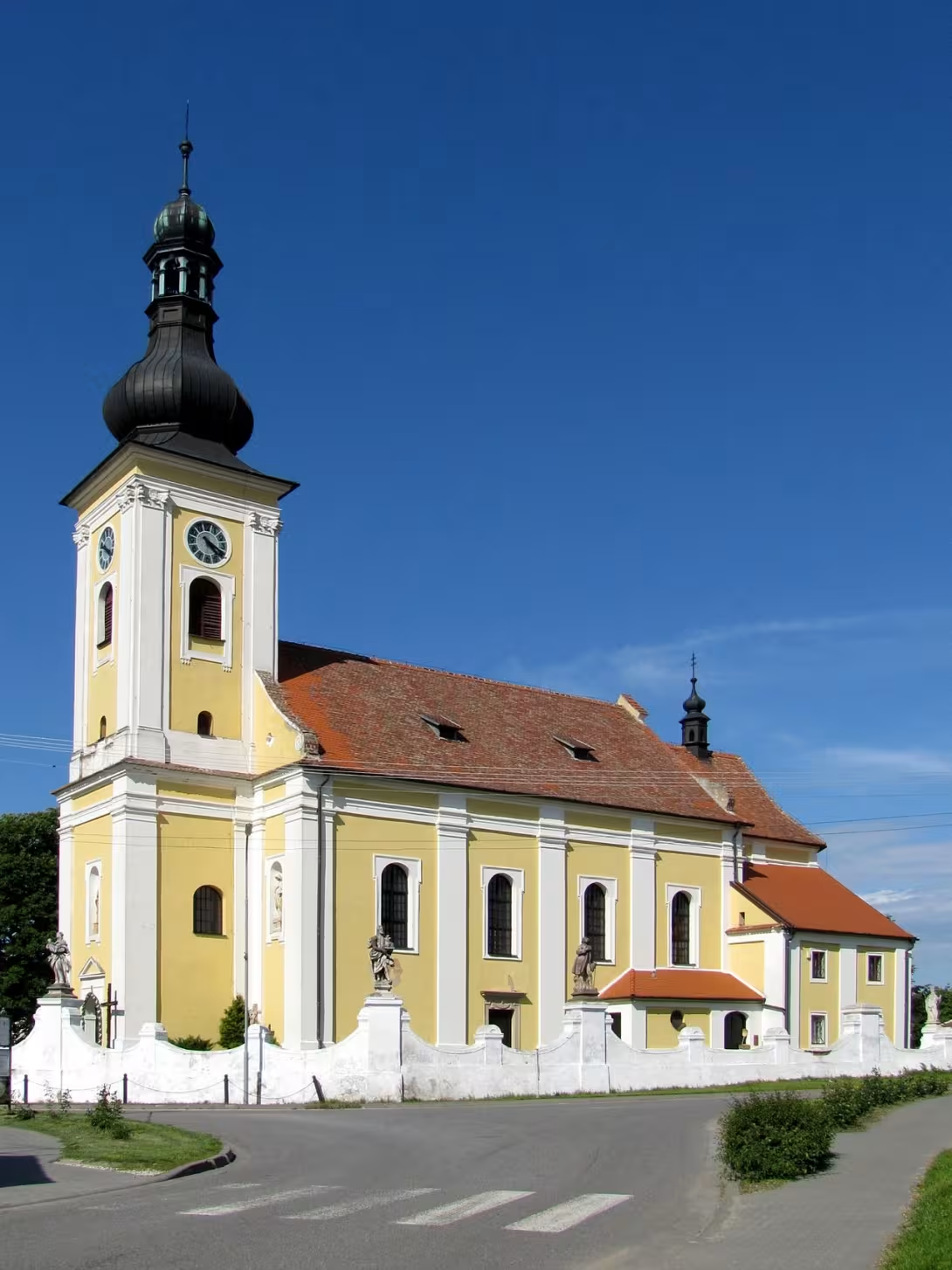

The historical appearance on the left is an AI-generated visualisation and serves as inspiration only.
Historical milestones
- 1697
- Construction began on the site of an older stone church.
- 1701
- The construction of the Church of All Saints was completed.
- 1744
- Olomoucký biskup Jakub Arnošt z Lichtenštejna-Kastelkornu consecrated the church after renovations.
Architectural development
Originally featuring a modest interior from the previous church, the new structure included three altars. Over time, it underwent significant renovations and expansions, including the addition of side altars in the mid-18th century under the patronage of František Ludvík Serényi. The church's exterior is enclosed by a wall built between 1702 and 1703, adorned with baroque sculptures.
Historical events
The church was damaged in 1705 during an incursion by Kuruc forces.
A fire in 1807 destroyed its entire tower.
Points of interest
- The Church of All Saints was built during a time of religious conflict following the Thirty Years' War and Counter-Reformation, reflecting its significance in the Catholic revival efforts within the Habsburg Monarchy.
- Despite being damaged by Kuruc forces just two years after completion, the church has endured multiple restorations, showcasing resilience and adaptability throughout its history.
- The painting of Our Lady of Milotice was absent from the church for 68 years before returning in 2017, highlighting a notable event in its recent cultural heritage preservation efforts.
- The baroque sculptures adorning the church's enclosing wall were created by different artists over time, including Ondřej Schweigl and Josef Leonard Weber, contributing to the site’s artistic diversity and historical ambiance.
- Originally featuring three altars, the church expanded its interior artistry with additional side altars in the mid-18th century under František Ludvík Serényi's patronage, reflecting evolving religious and cultural influences.
Guide
This guide is narrated by a synthetic voice generated by artificial intelligence.
Show guide text
This text was created by artificial intelligence and has not been editorially reviewed. It may contain inaccuracies.
Welcome to the Church of All Saints in Milotice, a stunning testament to Baroque architecture nestled in the Hodonín District of the South Moravian Region. As you stand before this magnificent structure, take a moment to absorb its grandeur and historical significance.
The story of this church begins in 1697, during a period marked by religious conflict following the Thirty Years' War and Counter-Reformation. It was built on the site of an older stone church, representing the third ecclesiastical structure in Milotice after medieval and Renaissance predecessors. The construction spanned from 1697 to 1701, reflecting its importance in the Catholic revival efforts within the Habsburg Monarchy.
As you look around, notice how the Baroque style is evident in the architectural details that capture your eye. Although specific elements are not detailed here, take a moment to appreciate the craftsmanship and artistry of this era. The church's interior boasts rich decorations, including altars from the late 18th century, which add layers of history and culture to its sacred space.
In 1744, Olomoucký biskup Jakub Arnošt z Lichtenštejna-Kastelkornu consecrated the church after renovations. This moment marked a significant chapter in its storied past, further embedding it within the religious fabric of the region.
An intriguing aspect of this church's history is its resilience. Just two years after completion, it was damaged by Kuruc forces. Yet, despite such challenges, the Church of All Saints stands today as a symbol of endurance and faith.
As you continue to explore, let your curiosity guide you through every corner of this architectural gem. Each step reveals more about the rich tapestry of history woven into its walls.
Thank you for joining us on this journey through time at the Church of All Saints in Milotice. We invite you to delve deeper and discover even more stories hidden within its sacred confines. Until next time, farewell and keep exploring!
Tips for visitors
The best time to visit the Church of All Saints in Milotice is during late spring or early autumn, when the weather is mild and pleasant for exploring. These seasons offer comfortable temperatures and beautiful natural surroundings that enhance the experience of visiting this baroque architectural gem. Additionally, these times are less crowded compared to summer months, allowing you to appreciate the church's intricate details more peacefully.
The area is accessible by road, making it convenient for those driving their own vehicles. For visitors preferring public transit, regional buses connect nearby towns with Hodonín District, where Milotice is located.
When visiting the Church of All Saints, it’s recommended to bring comfortable walking shoes as you may want to explore the surrounding area on foot. A camera is essential for capturing the stunning baroque architecture and serene landscapes. Additionally, consider bringing a light jacket or sweater, especially if visiting in spring or autumn, as temperatures can be variable.
Photography enthusiasts will find several spots around the church ideal for capturing its beauty. The best lighting conditions are typically during the golden hours of early morning or late afternoon when the sunlight enhances the church's intricate details and creates a warm glow. Be sure to check if photography is allowed inside, as some areas may have restrictions.
For families with children visiting the Church of All Saints in Milotice, there are several nearby attractions within a 30-minute drive that can make for an enjoyable day out. The Hodonín Zoo offers a variety of animal exhibits and interactive experiences suitable for all ages. Additionally, exploring local nature trails provides opportunities for outdoor fun and learning about the region's flora and fauna.
Frequently asked questions
Can the monument be visited?
Religious buildings are usually open mainly during services; at other times a visit is normally arranged with the parish or the operator. We have not verified specific times.
Where is the monument?
Location: Milotice, Jihomoravský kraj. The map on this page shows the exact spot.
Why is the monument protected?
It is listed in the Central List of Cultural Monuments of the Czech Republic as a cultural monument (register no. 40959/7-2324).
Businesses nearby
Do you run a restaurant, accommodation, shop, museum, rental, wellness or other visitor service near this monument? Show yourself directly to the people heading to it — this is how they will see you in the app and on the web:
Events nearby

Zdroj akcí: otevřená data měst a obcí ČR (Národní katalog otevřených dat) a kalendář akcí Národního památkového ústavu.
Accommodation nearby
Themed route
Thematic Route: Exploring the Church of All Saints and Surroundings in Milotice
1. Church of All Saints (Milotice)
Type: Historical Monument
Why Visit: The Church of All Saints stands as a central piece of architectural heritage in Milotice, showcasing Baroque elements that reflect the region's rich history. Its serene ambiance and intricate design make it an ideal starting point for exploring local culture.
2. Local Cemetery
Type: Historical Site
Why Visit: Adjacent to the Church of All Saints is a historic cemetery that offers insights into the community’s past generations. Walking through this peaceful site provides a reflective experience, with gravestones and monuments telling stories from centuries ago.
3. Milotice Village Square
Type: Cultural Hub
Why Visit: A short walk from the church leads to the village square, where local life unfolds daily. It's an excellent spot for observing traditional events or simply enjoying a moment of tranquility amidst historical buildings that have stood as silent witnesses to time.
4. Local Farmsteads
Type: Agricultural Heritage Sites
Why Visit: Nearby farmsteads offer a glimpse into the rural lifestyle and agricultural practices unique to this region. These sites highlight traditional farming techniques and local craftsmanship, providing an authentic experience of Jihomoravský kraj’s countryside.
5. Walking Path through Village
Type: Scenic Trail
Why Visit: A leisurely walk along the village paths allows visitors to immerse themselves in the natural beauty surrounding Milotice. This route offers picturesque views and a chance to appreciate the harmonious blend of nature and architecture that defines this charming locale.
This thematic route provides a comprehensive exploration of Milotice, focusing on its historical and cultural landmarks while offering an authentic experience of the local way of life.
Seasonal recommendations
Spring: Visiting the Church of All Saints in Milotice during spring offers a picturesque experience as nature awakens with blossoming flowers and lush greenery surrounding the historic site. The soft, natural light enhances the intricate details of the church's architecture, making it an ideal time for photography enthusiasts. Visitors should expect moderate crowds as people take advantage of the pleasant weather to explore outdoor attractions. It is advisable to wear comfortable layers, as temperatures can vary throughout the day, and consider arriving early in the morning to enjoy a quieter visit before larger groups arrive.
Summer: The summer months bring vibrant colors and extended daylight hours, allowing visitors ample time to appreciate both the church's interior and its serene surroundings. This season often sees higher visitor numbers due to school holidays and favorable weather conditions, so planning ahead is essential. Arriving early in the morning can help avoid crowds, while a hat and sunscreen are recommended for protection against the sun. The warm atmosphere makes it perfect for leisurely strolls around Milotice after exploring the church.
Autumn: Autumn transforms the Church of All Saints with its stunning foliage, creating a magical backdrop that enhances the historical ambiance. The cooler temperatures make for a comfortable visit without the summer heat, and the shorter days mean visitors should plan their itinerary to maximize daylight hours. This season typically sees fewer tourists, allowing for a more tranquil experience. Wearing layers is advisable as the weather can be unpredictable, with crisp mornings followed by warmer afternoons.
Winter: Winter offers a unique charm at the Church of All Saints, with snow-covered landscapes and soft lighting that accentuates its architectural beauty. The atmosphere during this time is serene and contemplative, perfect for those seeking peace away from bustling tourist spots. Arriving early can help avoid any potential weather-related delays, ensuring a smooth visit to enjoy the quiet beauty of Milotice's historic church.
Visualizations and artistic views


The visualisations are generated by artificial intelligence and serve as inspiration.
Photos from the area
Real photos taken near the monument


Zdroj a licence jsou uvedeny u každého snímku.
Tips from visitors
No tips yet. Be the first!
Log in and add your tip.
Sources and literature
Photos: Radek Linner / CC BY-SA 3.0, rozlišení zvýšeno umělou inteligencí — Wikimedia Commons. The author and licence also appear when you hover over the image.
Faktickým podkladem tohoto textu byl článek na Wikipedii, jehož autory jsou přispěvatelé Wikipedie. Článek je dostupný pod licencí CC BY-SA 4.0.
Location on the map



Příběhy a pověsti
Legendy, pověsti a příběhy spjaté s touto památkou

Fotografie návštěvníků
Zatím žádné fotografie. Buďte první, kdo přidá fotografii z návštěvy!
Log in a přidejte svou fotografii nebo hodnoťte.
Za ověřenou návštěvu v aplikaci získáte víc bodů — poznáme podle GPS, že jste na místě.
Reviews and comments