






Kostel Všech svatých (Nové Město nad Metují) Church
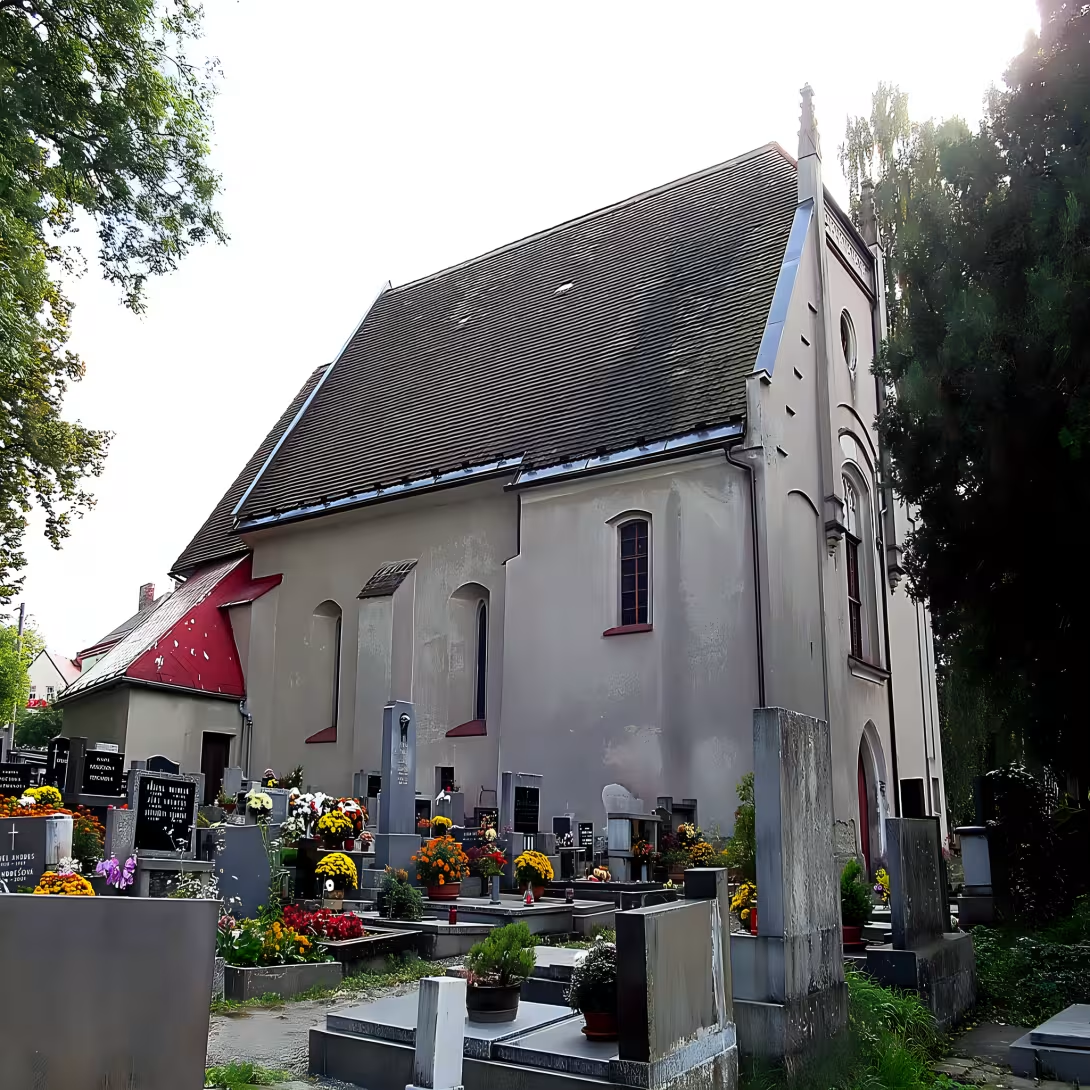
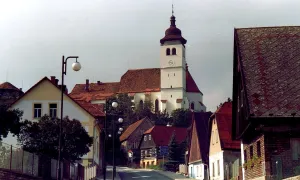
The Church of All Saints in Nové Město nad Metují stands as a remarkable historical monument, reflecting the town's rich cultural heritage. Situated within the cemetery, this Gothic-Renaissance church was built between 1560 and 1562 by Andrea Vlach for utraquist supporters. In the 17th century, it transitioned from its original patronage to Roman Catholic ownership and has been a designated cultural monument since 1958. The church's history mirrors significant religious transformations during the mid-16th century, influenced by broader European trends like the Protestant Reformation and Counter-Reformation.
The origins of the Church of All Saints stem from practical necessity and religious shifts. In 1555, the existing cemetery chapel of St. Mary Magdalene could no longer meet community needs, prompting a new cemetery and church construction. Andrea Vlach was commissioned to build this Gothic-Renaissance structure between 1560 and 1562. Initially named after the Transfiguration of the Lord, it later became associated with All Saints following its acquisition by the Roman Catholic Church in the 17th century.
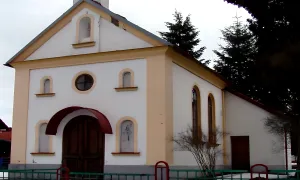
Architecturally, the church is a simple yet elegant example of Gothic-Renaissance design. It features a single nave with narrow windows and a three-sided facade, reflecting the stylistic influences of its time. Over the years, it has undergone several renovations that have shaped its current appearance. Notably, between 1867 and 1870, significant reconstruction efforts were undertaken to bring the church to its present form. The interior houses a simple altar adorned with a 19th-century painting depicting All Saints. Additionally, stone tombstones from the adjacent cemetery were embedded into the walls in the early 20th century, adding historical depth to the space. Smaller organs installed in 1887 by Josef Černý and Josef Rejna of Prague further enhance its artistic character.
Ownership and administration of the church have seen several changes over the centuries. Initially funded by the town and benefactors, it was managed by the Czechoslovak Church during the early 20th century before returning to Roman Catholic control in 1933. In a symbolic gesture reflecting its enduring significance, the church was sold to the local Roman Catholic parish for one crown in 2000.
The church has witnessed several key events that underscore its historical importance. Its construction marked a response to religious and practical needs of the era, while its transition between different religious administrations highlights broader societal changes. The burial site of Bedřich Smetana's parents adds a layer of cultural significance, connecting it to one of Bohemia’s most celebrated composers.
Today, the Church of All Saints remains an accessible monument that offers visitors a glimpse into the region's historical and architectural legacy. Services are held only on specific occasions such as All Saints' Day, All Souls' Day, and during funerals, preserving its role as a place of worship and reflection. Its designation as a cultural monument ensures its preservation for future generations to appreciate.
Visiting the Church of All Saints provides an opportunity to explore a piece of Bohemia's religious and architectural history. Its serene setting within the cemetery offers a reflective space where one can connect with the past while appreciating the enduring beauty of Gothic-Renaissance design. This historical monument is not only a testament to the town’s heritage but also a cherished site for those interested in exploring the cultural narratives that have shaped Nové Město nad Metují.
Then and now
Drag the slider to compare how the landmark may have looked when it was built with the view today.
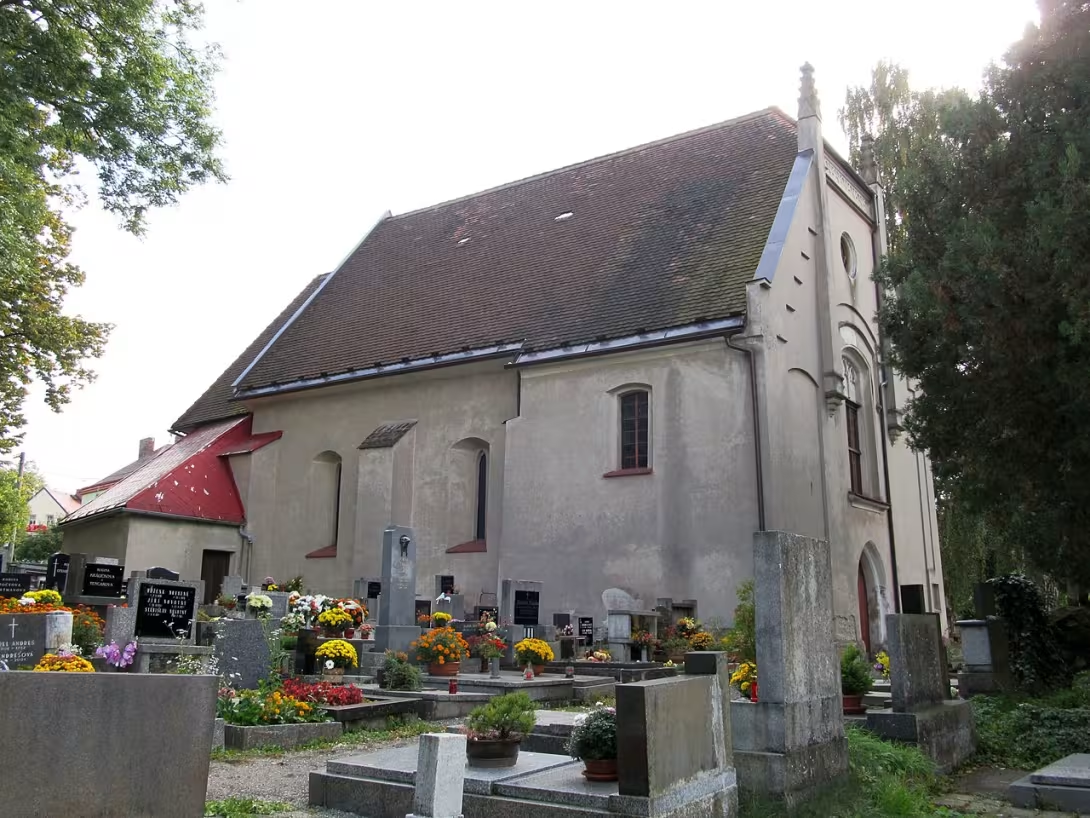

The historical appearance on the left is an AI-generated visualisation and serves as inspiration only.
Historical milestones
- 1555
- Cemetery chapel of St. Mary Magdalene could no longer meet needs.
- 1560
- Construction of the Church of All Saints began by Andrea Vlach.
- 1562
- Completion of the Church of All Saints construction.
- 17.0
- Transition to Roman Catholic ownership.
- 1867
- Significant reconstruction efforts began for the church.
- 1958
- Designated as a cultural monument.
Architectural development
The church began as a Gothic-Renaissance structure built between 1560-1562. It underwent significant renovations in 1821 and was extensively rebuilt from 1867-1870. The interior features include a simple altar with a 19th-century painting of All Saints, stone tombstones embedded into the walls, and smaller organs installed in the early 20th century.
Historical events
In 1555, due to insufficient capacity at the existing cemetery chapel of St. Mary Magdalene, a new cemetery and church were initiated.
Between 1560-1562, Andrea Vlach constructed the Gothic-Renaissance Church originally named after the Transfiguration of the Lord.
In 1933, following the completion of the Husova Chapel by the Czechoslovak Church, the church was returned to Roman Catholic use.
Owners
Initially owned by the town of Nové Město nad Metují and benefactors; later managed by the Czechoslovak Church in the early 20th century before returning to Roman Catholic ownership. In 2000, it was sold to the local Roman Catholic parish for a symbolic one crown.
Points of interest
- The Church of All Saints was originally built for utraquist supporters, a group that followed the teachings of Jan Hus and sought to practice both Catholic and Protestant traditions, reflecting the religious diversity of 16th-century Bohemia.
- In the early 20th century, the church was managed by the Czechoslovak Church, an independent Christian denomination established in response to nationalistic movements, highlighting its role in broader socio-political developments in the region.
- The sale of the church to the local Roman Catholic parish for one crown in 2000 symbolizes both a historical continuity and a nod to its enduring cultural value, despite changing economic contexts over the centuries.
- Bedřich Smetana's parents are buried at the site, linking this religious monument to Bohemia’s rich musical heritage and offering an intriguing connection between sacred architecture and cultural history.
- The church features stone tombstones from the adjacent cemetery embedded into its walls in the early 20th century, creating a unique fusion of architectural elements that serve as historical records within the structure itself.
Guide
This guide is narrated by a synthetic voice generated by artificial intelligence.
Show guide text
This text was created by artificial intelligence and has not been editorially reviewed. It may contain inaccuracies.
The Cemetery Church of All Saints in Nové Město nad Metují is a Roman Catholic subsidiary church. Since May 3rd, 1958, it has been protected as a cultural monument.
Its story begins with the cemetery. In 1555, the old cemetery near the former Church of Saint Mary Magdalene was no longer sufficient. The Church of the Birth of the Virgin Mary stands there today. The city therefore established a new cemetery. At the initiative of the Utraquists, a Gothic-Renaissance church was built there between 1560 and 1562. It was constructed by builder Andrea Vlach. The construction was paid for mainly by the community, with smaller contributions from benefactors.
The church originally bore the name of the Transfiguration of the Lord. In the 17th century, the Catholic Church took it over, and from then on it has been dedicated to All Saints. In 1570, an ossuary with a tower, two bells, and a crypt were added to it. The church underwent repairs in 1821. It was rebuilt along with the ossuary in its present form between 1867 and 1870.
In the nineteen twenties, the community loaned the church to the newly formed Czechoslovak Church. In 1933, they completed their own Hussite Chapel according to a design by Jindřich Freiwald. The vacant Church of All Saints was then made available to the Roman Catholic Church, though the municipality remained the owner. Only after 2000 did the municipality sell it to the Nové Město Roman Catholic parish for the symbolic price of one crown.
The building is simple and has a single nave. It has narrow small windows and a façade with three axes. Inside stands a simple altar with a 19th-century image of All Saints. In the early 20th century, stone epitaph plates from the adjacent cemetery were set into the walls. On the small choir are smaller organ pipes from Prague organ builders Josef Černý and Josef Rejny from 1887.
The church mainly serves the cemetery. Services are held in it only on All Saints' Day, on All Souls' Day, and at funerals. In the cemetery around it rest the parents of composer Bedřich Smetana.
Tips for visitors
The best time to visit the Church of All Saints is during late spring or early autumn when the weather is mild, and the surrounding cemetery offers a serene atmosphere without the summer crowds. This period also provides optimal lighting for photography, capturing the intricate Gothic-Renaissance details of the church's architecture. The bell tower, with its two historic bells, can be seen in all its glory against clear skies typical of these seasons.
Public transportation options are accessible, and visitors can use local buses to reach Nové Město nad Metují. For the most current transport routes and schedules, it's advisable to check a reliable online travel planner or contact local tourist information centers.
When planning your visit, consider bringing comfortable walking shoes as you'll likely explore both the church grounds and the surrounding cemetery area. A camera is recommended for capturing the historical gravestones and architectural details of the church. Additionally, carrying a light jacket might be wise, especially if visiting in the early morning or late afternoon when temperatures can drop.
Photography enthusiasts will find several spots around the church ideal for capturing its beauty. The best lighting conditions are usually during the golden hours—shortly after sunrise and before sunset. Position yourself near the bell tower to include it in your shots, and explore different angles within the cemetery for unique perspectives of the gravestones.
For those interested in exploring nearby attractions within a 30-minute drive, consider visiting the birthplace of composer Bedřich Smetana's parents, located in the same cemetery. This site adds historical depth to your visit and offers insight into the cultural heritage of Nové Město nad Metují.
Frequently asked questions
Can the monument be visited?
Religious buildings are usually open mainly during services; at other times a visit is normally arranged with the parish or the operator. We have not verified specific times.
Where is the monument?
Location: Nové Město nad Metují, Královéhradecký kraj. The map on this page shows the exact spot.
Why is the monument protected?
It is listed in the Central List of Cultural Monuments of the Czech Republic as a cultural monument (register no. 17905/6-1821).
Businesses nearby
Do you run a restaurant, accommodation, shop, museum, rental, wellness or other visitor service near this monument? Show yourself directly to the people heading to it — this is how they will see you in the app and on the web:
Events nearby


Zdroj akcí: otevřená data měst a obcí ČR (Národní katalog otevřených dat) a kalendář akcí Národního památkového ústavu.
Nearby
Located on a cemetery in Nové Město nad Metují, it is surrounded by historical gravestones and features a bell tower with two bells. The parents of composer Bedřich Smetana are buried here.
Accommodation nearby
Themed route
Thematic Walking Tour: Nové Město nad Metují
1. Kostel Všech svatých (Nové Město nad Metují) - Church Begin your journey at the heart of this tour, the Kostel Všech svatých, a historic church located on a cemetery in Nové Město nad Metují. This site is not only an architectural marvel but also holds cultural significance as the final resting place of Bedřich Smetana's parents. The church features a bell tower with two bells, offering visitors a glimpse into its rich history and musical heritage.
2. Cemetery - Historical Gravestones From the church, explore the surrounding cemetery, which is adorned with historical gravestones that tell stories of the past. This area provides an intimate connection to local history and culture, making it a poignant site for reflection and appreciation of Nové Město nad Metují's heritage.
3. Bell Tower - Architectural Feature Conclude your tour by visiting the bell tower associated with the church. The tower houses two bells that have chimed through the ages, adding to the auditory landscape of this historic town. Climbing or viewing from below offers a unique perspective on both the church and its surroundings.
This thematic walking tour encapsulates the historical and cultural essence of Nové Město nad Metují, focusing solely on the significant sites within the immediate vicinity of Kostel Všech svatých.
Seasonal recommendations
Spring:
Visiting the Church of All Saints during spring offers a unique experience as nature awakens around Nové Město nad Metují. The blooming flowers and fresh greenery create a picturesque setting, enhancing the church's historic charm with vibrant colors and soft sunlight filtering through stained glass windows. This season is ideal for capturing stunning photographs against the backdrop of a revitalized landscape. Visitors should be prepared for occasional showers by wearing comfortable layers or a light waterproof jacket. The weather can be unpredictable, so checking forecasts before your visit is advisable. Springtime tends to attract fewer tourists than summer, providing a more serene atmosphere.
Summer:
The summer months bring warm temperatures and longer daylight hours, making it an excellent time to explore the Church of All Saints in Nové Město nad Metují. The lush surroundings are in full bloom, offering a vibrant contrast against the church's historic architecture. This season is perfect for leisurely walks through the nearby parks or along the riverbanks after your visit. However, summer also attracts more visitors, so arriving early can help avoid crowds and ensure a peaceful experience inside the church. Comfortable walking shoes and light clothing are recommended to stay cool during this busy period.
Autumn:
Autumn in Nové Město nad Metují presents a stunning display of colors as the leaves turn golden and red around the Church of All Saints, creating a magical atmosphere that enhances its historic beauty. The cooler temperatures make it an ideal time for exploring without the summer crowds, allowing visitors to appreciate the church's architecture and surrounding nature in peace. As daylight hours shorten, planning your visit during midday can maximize natural lighting inside the church. Wearing layers is advisable as temperatures can vary throughout the day.
Winter:
The winter season transforms the Church of All Saints with a serene, almost mystical atmosphere under a blanket of snow or amidst frost-covered trees. The quiet and stillness offer a unique opportunity to experience the church's tranquility away from the hustle and bustle of other seasons. Checking the church's schedule is essential as some services or tours might be limited during this time. Despite these considerations, winter provides a peaceful setting to appreciate the historic site’s beauty.
Visualizations and artistic views


The visualisations are generated by artificial intelligence and serve as inspiration.
Photos from the area
Real photos taken near the monument


Zdroj a licence jsou uvedeny u každého snímku.
Tips from visitors
No tips yet. Be the first!
Log in and add your tip.
Sources and literature
Photos: Ewwwa / CC BY-SA 3.0, rozlišení zvýšeno umělou inteligencí — Wikimedia Commons. The author and licence also appear when you hover over the image.
Faktickým podkladem tohoto textu byl článek na Wikipedii, jehož autory jsou přispěvatelé Wikipedie. Článek je dostupný pod licencí CC BY-SA 4.0.
Location on the map



Příběhy a pověsti
Legendy, pověsti a příběhy spjaté s touto památkou
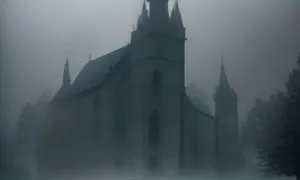
Příběh: Kostel Všech svatých (Nové Město nad Metují)
Bylo to v pondělí ráno, kdy Martina z Husinec, obchodníka s mýty z Nového Města nad Metují, zachvátila nevysvětlitelná úzkost. Cesta do kostela Všech svatých…
Číst příběh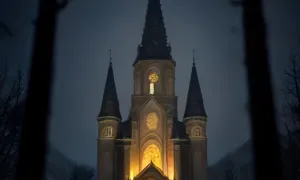
Pověst: Kostel Všech svatých (Nové Město nad Metují)
Podle místní pověsti se ten příběh odehrál v dobách, kdy víra rozdělovala sousedy jako ostrý pluh pole. Bylo to v druhé polovině šestnáctého století, kdy utr…
Číst příběhFotografie návštěvníků
Zatím žádné fotografie. Buďte první, kdo přidá fotografii z návštěvy!
Log in a přidejte svou fotografii nebo hodnoťte.
Za ověřenou návštěvu v aplikaci získáte víc bodů — poznáme podle GPS, že jste na místě.
Reviews and comments