






Kostel Nejsvětější Trojice (Nové Město nad Metují) Church
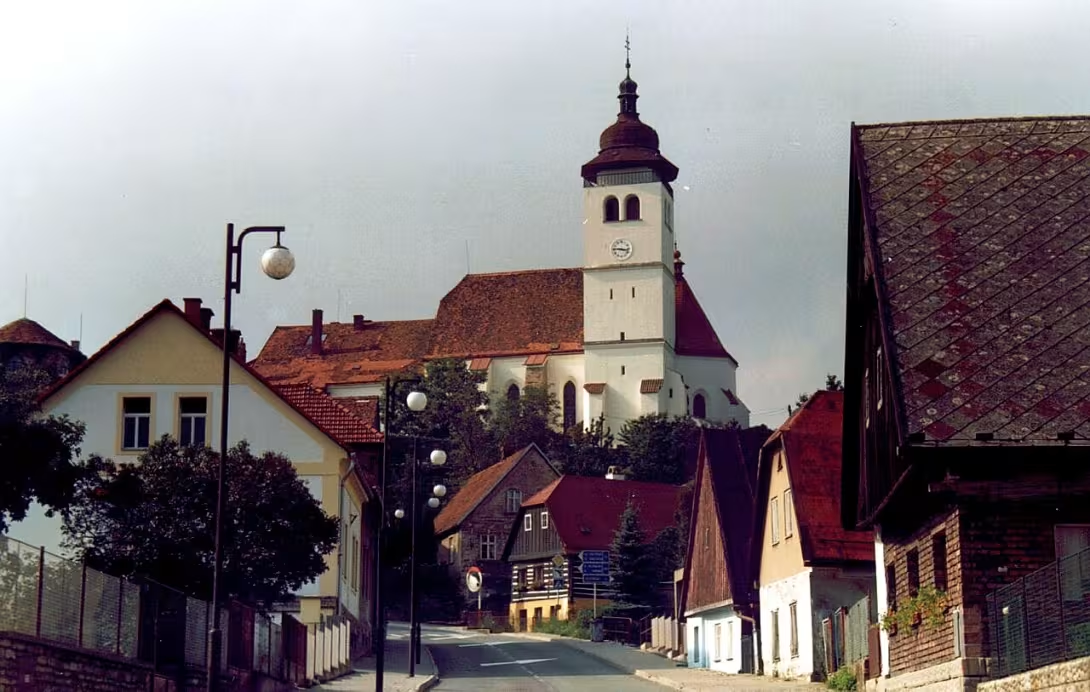
The Church of the Holy Trinity in Nové Město nad Metují exemplifies late Gothic architecture and is recognized as a cultural monument of the Czech Republic. Situated on the southeast side of the square in this historic town, it was constructed between 1513 and 1523 by Jan Černčík z Kácova during the development of the town.
The church's origins are linked to the early 16th-century Bohemian landscape, a period marked by significant religious and political shifts leading up to the Protestant Reformation. At that time, Bohemia was part of the Holy Roman Empire, experiencing an architectural transition from Gothic to Renaissance styles across Central Europe. The Church of the Holy Trinity reflects both the stylistic preferences and socio-political climate of its era.
Architecturally, it features a late Gothic style with a single-nave structure and a pentagonal closure integrated into a row of houses on the southeast side of the square. Its most striking feature is the 40-meter-high city tower, which has an octagonal shape and includes an observatory, living quarters for the bell ringer, and a sacristy on its ground floor. The presbytery boasts a star vault with lunettes and a central baroque fresco, while the nave is covered by a cross-vaulted ceiling. Over time, significant modifications were made, including a covered staircase to the choir added in 1556 and various exterior restorations.
Throughout its history, the church has experienced key events and numerous renovations. After burning down in 1526, it was reconstructed by Jan z Pernštejna in 1540. In the early 19th century, parts of the roof collapsed twice—once in 1805 and again in 1817—and were repaired with financial support from kníže Karel z Dietrichsteina. The church's exterior reached its current form after renovations in 1896.
The tower houses two notable bells: a larger bell weighing 1200 kg, cast in Kovolit in 1949, and a smaller bell named Maria, cast in 1990 by the Dytrich family foundry in Brodek u Přerova. Inside, visitors can find historical artifacts such as a tombstone of Jan ze Štubenberka from 1570, a main portal altar from 1677 with an image from 1693, and a baroque pulpit from the same period. A Marian image from 1726 adorns the choir loft, featuring a silhouette of the town.
The church's organ history is also noteworthy; originally crafted in 1656 by Jiří Wendt z Křešova, it was later modified in 1851 by Amadeus Hanisch, a local organ builder. Over the years, several spiritual leaders have administered the church, including R.D. Petr Štěpánek from 1969 to 1992, followed by R.D. Mgr. Jan Linhart until 2002, and then R.D. Vladimír Janouch until 2017. Currently, it is under the leadership of R.D. Benedikt Rudolf Machalík.
Today, the Church of the Holy Trinity remains a vibrant center for worship with services held on Sundays at 7:30 AM, 9:00 AM, and 6:00 PM. Its rich history, architectural beauty, and cultural significance make it an essential visit for anyone exploring Nové Město nad Metují. The church offers insight into the region's past while continuing to serve as a spiritual haven for its community. Visitors are invited to explore this remarkable monument, where history and faith converge in stunning late Gothic architecture.
Then and now
Drag the slider to compare how the landmark may have looked when it was built with the view today.
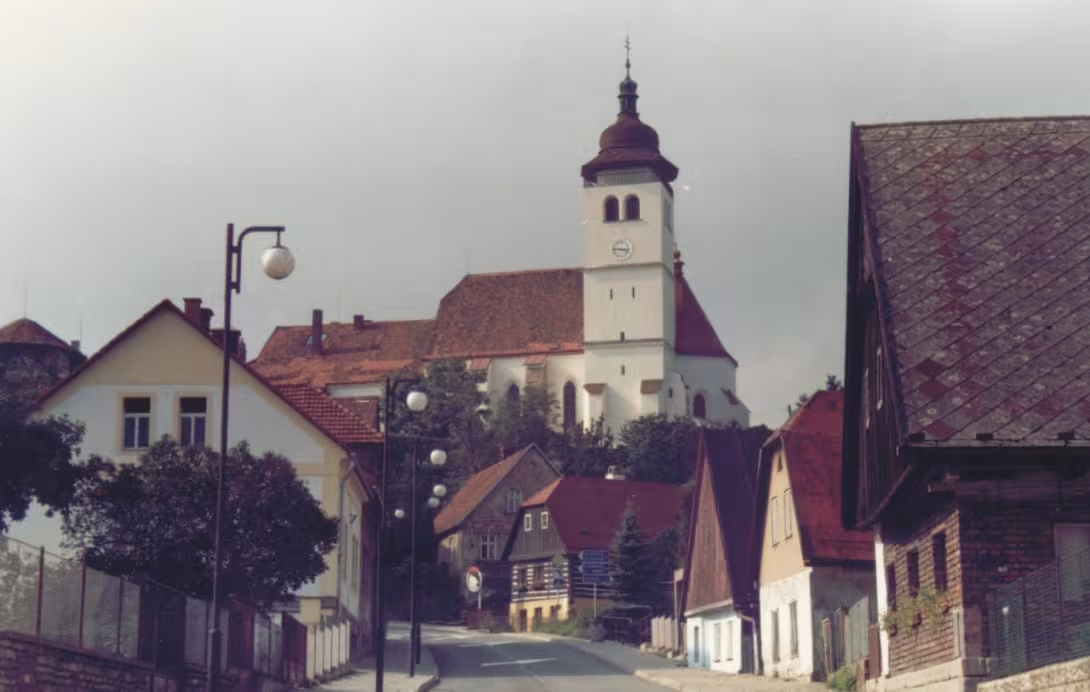
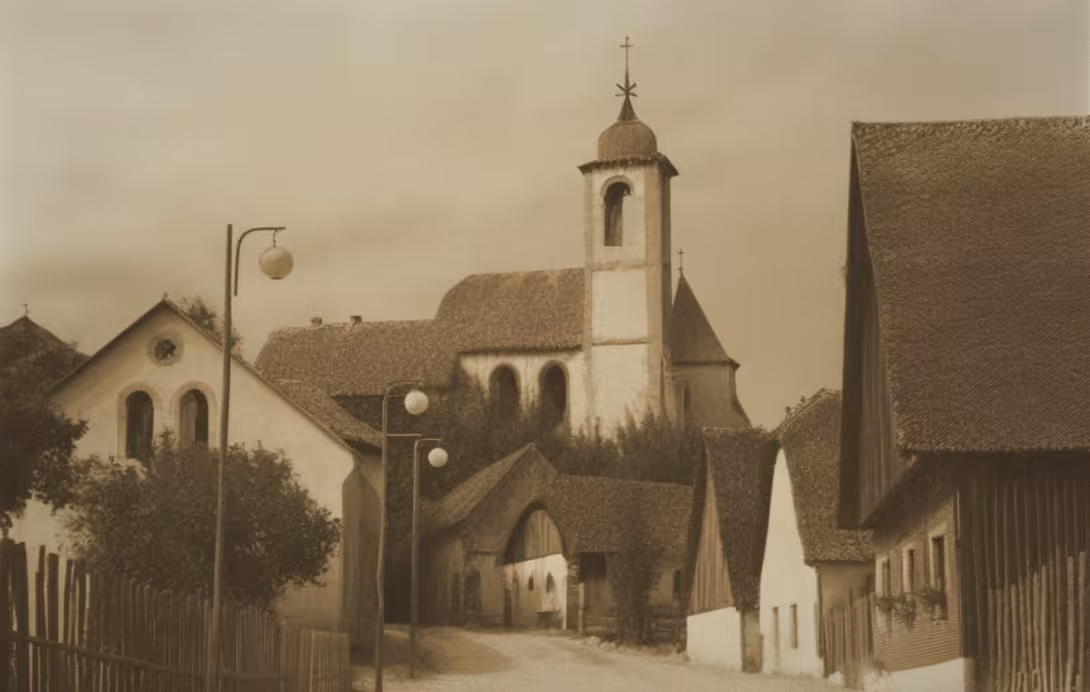
The historical appearance on the left is an AI-generated visualisation and serves as inspiration only.
Historical milestones
- 1526
- The church burned down.
- 1540
- Reconstruction by Jan z Pernštejna.
- 1805
- Part of the roof collapsed and was repaired with financial support from kníže Karel z Dietrichsteina.
- 1817
- Roof repairs on the presbytery were completed with assistance from kníže Karel z Dietrichsteina.
Architectural development
The church's architecture is characterized by its late Gothic style, featuring a high city tower with an octagonal shape. The presbytery has a star vault with lunettes and a baroque fresco in the center. Over time, it underwent significant modifications including the addition of a covered staircase to the choir in 1556 and various restorations of its exterior.
Historical events
The church was rebuilt in 1540 by Jan z Pernštejna after burning down in 1526.
In 1805 and again in 1817, parts of the roof were repaired with financial support from kníže Karel z Dietrichsteina.
Points of interest
- The Church of the Holy Trinity has a unique architectural feature in its 40-meter-high city tower that not only serves as an observatory but also includes living quarters for the bell ringer and a sacristy on its ground floor, reflecting multifunctional design typical of late Gothic structures.
- After suffering damage from fires and collapses throughout its history, the church received significant financial support for restoration from kníže Karel z Dietrichsteina in the early 19th century, highlighting the importance of aristocratic patronage in preserving cultural heritage during that era.
- The church's organ has a storied past, originally built by Jiří Wendt z Křešova in 1656 and later modified in 1851 by Amadeus Hanisch. This reflects the ongoing evolution and adaptation of musical instruments to meet changing liturgical needs over centuries.
- One of the church’s notable interior artifacts is a tombstone dedicated to Jan ze Štubenberka from 1570, providing a tangible connection to individuals who played significant roles in the town's history during the late Renaissance period.
- The smaller bell within the tower, named Maria and cast in 1990 by the Dytrich family foundry in Brodek u Přerova, symbolizes continuity and renewal, as it was added long after the church’s initial construction, representing ongoing community involvement in its preservation.
Guide
This guide is narrated by a synthetic voice generated by artificial intelligence.
Show guide text
This text was created by artificial intelligence and has not been editorially reviewed. It may contain inaccuracies.
Welcome to the Church of the Holy Trinity in Nové Město nad Metují—a remarkable testament to late Gothic architecture and a cherished cultural monument of the Czech Republic. As you stand here today, take a moment to absorb your surroundings: the church's elegant silhouette rises against the skyline, its historical presence echoing through time.
The origins of this sacred site date back to between 1513 and 1523 when it was constructed by Jan Černčík z Kácova. Built alongside the town, the church has been a witness to centuries of history, enduring trials such as fires and structural damages that have necessitated numerous reconstructions. Imagine standing here in 1526, just three years after its completion, as flames engulfed the building—a poignant reminder of both vulnerability and resilience.
Now, let's turn our attention to the church's architectural features. Notice its single-nave structure, a hallmark of late Gothic design that emphasizes verticality and lightness. One of the most striking elements is the 40-meter-high city tower. This isn't just any tower; it serves multiple purposes beyond its primary function as an observatory. On the ground floor, you'll find living quarters for the bell ringer and a sacristy—a testament to the multifunctional design typical of this era.
Throughout its history, several key figures have left their mark on this site. In 1540, Jan z Pernštejna undertook significant reconstruction efforts following earlier damages. Fast forward to the early 19th century: in 1805 and again in 1817, kníže Karel z Dietrichsteina played a crucial role in repairing parts of the roof, ensuring this architectural gem continued to stand tall.
Now, for an intriguing tidbit that might pique your curiosity. The church's city tower is not only structurally impressive but also historically fascinating. It encapsulates the essence of late Gothic architecture with its multifunctional design—a rare feature where practicality meets spirituality and community life.
As we conclude this auditory journey, I invite you to explore further, perhaps wandering around the town or delving into more stories that Nové Město nad Metují has to offer. Thank you for accompanying me on this exploration of the Church of the Holy Trinity—a place where history and architecture beautifully intertwine. Safe travels as you continue your journey through time and culture!
Tips for visitors
The best time to visit the Church of the Holy Trinity in Nové Město nad Metují is during late spring or early autumn, when the weather is pleasant for walking around and exploring the area. These seasons offer comfortable temperatures and beautiful natural light that enhances the architectural details of the church. Additionally, visiting outside peak tourist season means fewer crowds, allowing you to appreciate the tranquility and historical ambiance more fully.
For those using public transport, there are routes that connect to nearby towns, but you should verify current schedules and connections through a transportation search tool. This ensures a smooth journey to the church.
When visiting the Church of the Holy Trinity, consider bringing comfortable walking shoes as you may want to explore the surrounding area on foot. A camera is also recommended to capture the stunning Gothic architecture and intricate details inside the church. Since lighting conditions can vary throughout the day, early morning or late afternoon visits are ideal for photography, offering softer light that highlights the textures of the building.
For families with children visiting the Church of the Holy Trinity, there are several engaging activities nearby within a 30-minute drive. The area around Nové Město nad Metují offers opportunities for outdoor exploration and learning about local history. While specific family-friendly attractions aren't detailed here, exploring the natural landscapes or visiting local museums can provide educational entertainment.
Frequently asked questions
Can the monument be visited?
Religious buildings are usually open mainly during services; at other times a visit is normally arranged with the parish or the operator. We have not verified specific times.
Where is the monument?
Location: Na Zadomí, Nové Město nad Metují, Královéhradecký kraj. The map on this page shows the exact spot.
Why is the monument protected?
It is listed in the Central List of Cultural Monuments of the Czech Republic as a cultural monument (register no. 47314/6-2913).
Businesses nearby
Do you run a restaurant, accommodation, shop, museum, rental, wellness or other visitor service near this monument? Show yourself directly to the people heading to it — this is how they will see you in the app and on the web:
Events nearby

Zdroj akcí: otevřená data měst a obcí ČR (Národní katalog otevřených dat) a kalendář akcí Národního památkového ústavu.
Accommodation nearby
Themed route
Tematická výletní trasa: Kostel Nejsvětější Trojice a okolí
1. Kostel Nejsvětější Trojice (Nové Město nad Metují)
Typ: Historický kostel
Proč stojí za návštěvu: Tento barokní kostel, postavený v 18. století, je nejenom duchovním centrem města, ale také architektonickou perli s bohatými freskami a historií spojující se s místní komunitou. Je to ideální místo pro ty, kdo chtějí pochopit kulturní dědictví Nového Města nad Metují.
2. Nádvoří kostela Nejsvětější Trojice
Typ: Historický areál
Proč stojí za návštěvu: Nádvoří je klidným útočištěm, kde se můžete uvolnit a podívat se na detaily okolní architektury. Je to také ideální místo pro fotografování kostela z různých úhlů a pro pochopení jeho postavení v kontextu městského prostředí.
3. Městský park u kostela Nejsvětější Trojice
Typ: Místní park
Proč stojí za návštěvu: Park nabízí klidnou zelenou útulku pro relaxaci a krátké procházky. Je to místo, kde můžete si užít přírodního prostředí v blízkosti historických památek a zároveň se ponořit do klidné atmosféry Nového Města nad Metují.
4. Místní muzeum (pokud je k dispozici)
Typ: Muzeum
Proč stojí za návštěvu: Pokud existuje místní muzeum v blízkosti kostela, nabízí cenné informace o historii a kulturním dědictví obce. Je to skvělý způsob, jak se dozvědět více o minulosti Nového Města nad Metují a jeho významu pro region.
Tato trasa nabízí kombinaci historických, kulturních i přírodních zážitků, což umožňuje návštěvníkům hluboce poznat Nové Město nad Metují a jeho nejvýznamnější památku.
Seasonal recommendations
Spring: Visiting the Church of the Most Holy Trinity during spring offers a rejuvenating experience as nature awakens around Nové Město nad Metují. The surrounding landscape is adorned with blooming flowers and fresh greenery, creating a picturesque setting that enhances the church's historical charm. This season often brings mild temperatures, making it ideal for exploring both indoors and outdoors. Visitors should consider wearing layers to accommodate changing weather conditions throughout the day. While spring tends to attract fewer tourists than summer, arriving early can help avoid any potential crowds and ensure a more tranquil visit.
Summer: Summer is an excellent time to explore the Church of the Most Holy Trinity, as the longer daylight hours allow for extended sightseeing opportunities in Nové Město nad Metují. The warm weather invites visitors to enjoy outdoor activities before or after their church tour, such as strolling through local parks or visiting nearby attractions. However, this is also the peak tourist season, so it's advisable to arrive early to avoid larger crowds and fully appreciate the serene atmosphere of the church. Comfortable walking shoes and light clothing are recommended for a pleasant visit.
Autumn: Autumn brings a stunning transformation to the Church of the Most Holy Trinity with its vibrant foliage providing a breathtaking backdrop. The cooler temperatures make for comfortable exploration, both inside the church and in the surrounding areas. This season is ideal for photography enthusiasts looking to capture the rich colors of fall. Although autumn sees fewer visitors than summer, it's still wise to plan your visit during weekdays or early mornings to enjoy a quieter experience. Layered clothing will help you stay warm as temperatures begin to drop.
Winter: Winter offers a unique and serene atmosphere at the Church of the Most Holy Trinity, with snow often blanketing Nové Město nad Metují in a peaceful white cover. The church's architecture is particularly striking against the winter landscape, creating an enchanting scene perfect for photography or quiet reflection. Due to shorter daylight hours and colder temperatures, it's important to dress warmly in layers and plan your visit during the day when the church is open. Winter can be less crowded than other seasons, providing a more intimate experience of this historical site.
Visualizations and artistic views


The visualisations are generated by artificial intelligence and serve as inspiration.
Photos from the area
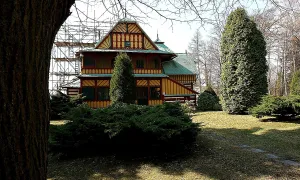
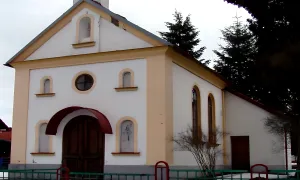
Real photos taken near the monument


Zdroj a licence jsou uvedeny u každého snímku.
Atmosphere of the place
This atmospheric visualisation of the place and period was generated by artificial intelligence. It is not real footage of the location.
Tips from visitors
No tips yet. Be the first!
Log in and add your tip.
Sources and literature
Photos: Pajast / CC BY-SA 3.0 — Wikimedia Commons. The author and licence also appear when you hover over the image.
Faktickým podkladem tohoto textu byl článek na Wikipedii, jehož autory jsou přispěvatelé Wikipedie. Článek je dostupný pod licencí CC BY-SA 4.0.
Location on the map



Příběhy a pověsti
Legendy, pověsti a příběhy spjaté s touto památkou
Fotografie návštěvníků
Zatím žádné fotografie. Buďte první, kdo přidá fotografii z návštěvy!
Log in a přidejte svou fotografii nebo hodnoťte.
Za ověřenou návštěvu v aplikaci získáte víc bodů — poznáme podle GPS, že jste na místě.
Reviews and comments