






kostel Všech svatých v Uhříněvsi Church
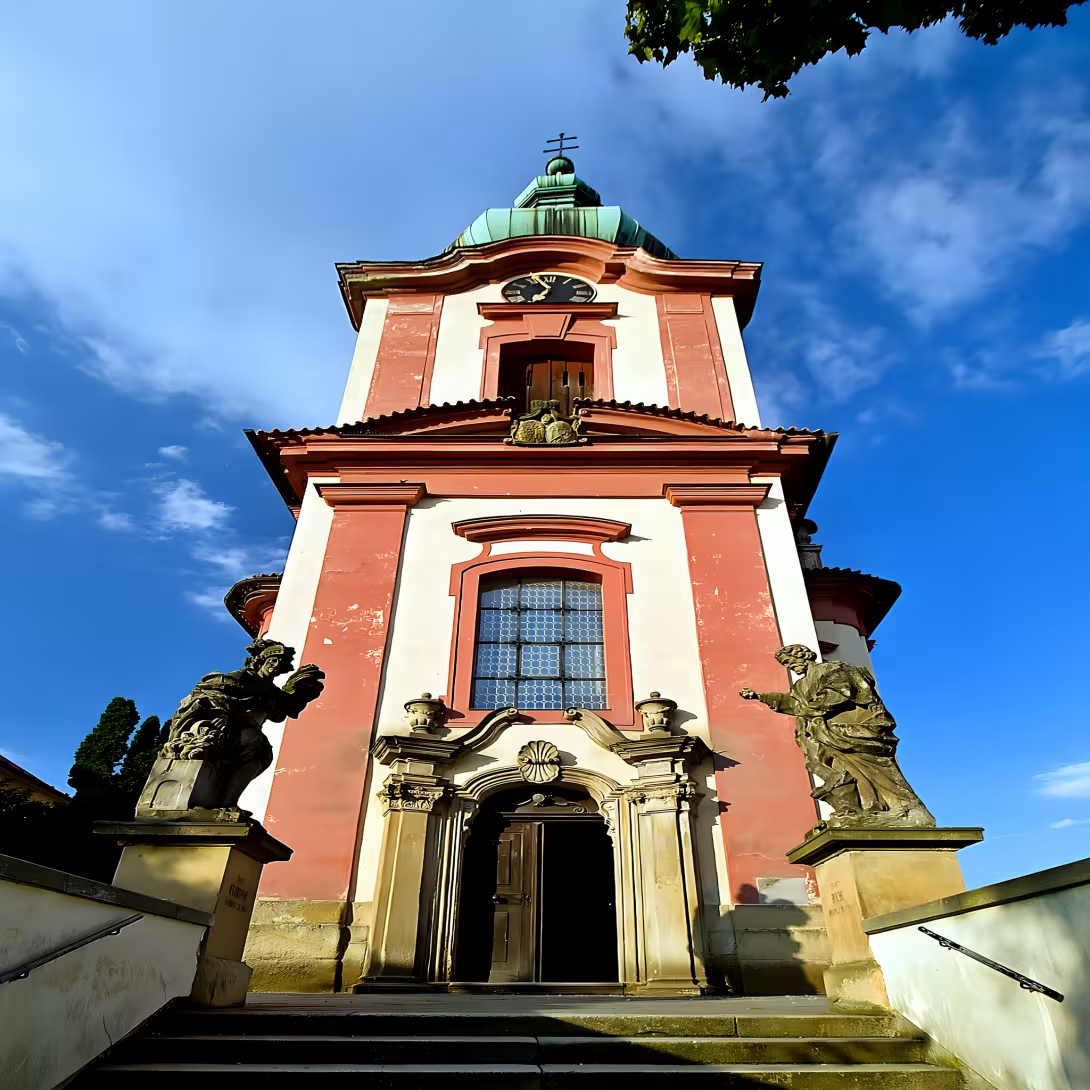
The Church of All Saints in Uhříněves is a Roman Catholic parish church renowned for its Baroque architecture, constructed at the end of the first half of the 18th century. Located in the municipality of Uhříněves within Prague's metropolitan area, this cultural monument stands as a testament to both historical and artistic significance. The church replaced an older chapel and features notable works by artists such as František Ferdinand Ublacker and Jan Petr Molitor. Its connection to local figures like Václav Jan Nepomuk Cžipa further enhances its importance.
The origins of the Church of All Saints trace back to the 14th century, with initial mentions recorded during that time. Following the Hussite Wars, Uhříněves became utraquist until 1624 when Prince Karl von Liechtenstein acquired the estate and restored Catholic administration. The current church was built between 1740 and 1743 under the initiative of Václav Jan Nepomuk Cžipa, who served as a local priest for 42 years. With the support of Duchess Marie Theresa Savoy, construction began according to designs by architect Tomáš Budil. In 1752, František Ferdinand Ublacker completed the main altar and pulpit, while Jan Petr Molitor contributed significant artworks including frescoes.
Architecturally, the church exemplifies Baroque style, characterized by its elaborate design and artistic elements. The construction period from 1740 to 1743 laid the foundation for this architectural masterpiece. Restoration efforts initiated in 2000 have focused on preserving its structural integrity and aesthetic appeal, with significant work done on the roof, windows, and interior paintings. Notably, Molitor's frescoes and altar pieces have been meticulously restored, maintaining their historical and artistic value.
Throughout its history, the church has seen various influential figures associated with it. Václav Jan Nepomuk Cžipa played a crucial role in its establishment, while Marie Theresa Savoy facilitated its construction. By 1908, the church was elevated to deanery status, marking an important milestone in its ecclesiastical history.
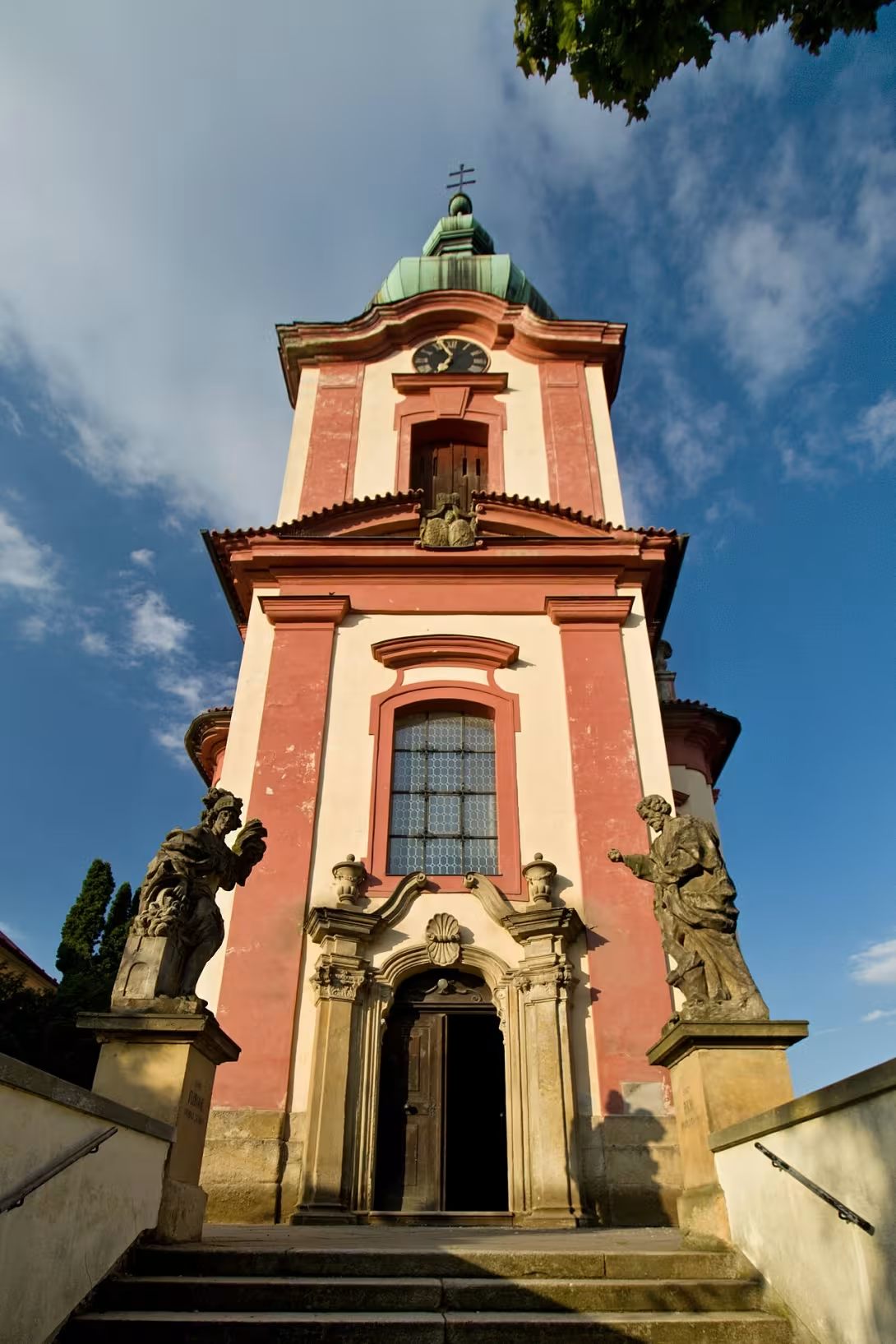
The Church of All Saints is home to several intriguing features and historical artifacts. It houses two bells; the larger one, cast by Tomáš Jaroše in 1552, is dedicated to Saints Wenceslas and Ludmila. Sculptures of Saints Florian and Roch, created by Jan Jiří Šlanzovský, stand at the main entrance. These elements contribute to the church's rich historical tapestry.
Today, the Church of All Saints remains a vibrant center for worship and cultural heritage. Mass is held daily from Monday to Friday at 6:00 PM, on Saturday at 8:00 AM, and on Sunday at 9:30 AM and 6:00 PM, with adjustments during summer school holidays. The church's ongoing restoration efforts ensure its preservation for future generations.
Visitors are invited to explore this remarkable monument, where history and art converge in a harmonious blend of Baroque splendor. Its cultural significance and architectural beauty make it a worthwhile destination for those interested in the rich tapestry of Bohemian heritage.
Then and now
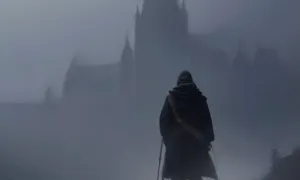
Drag the slider to compare how the landmark may have looked when it was built with the view today.
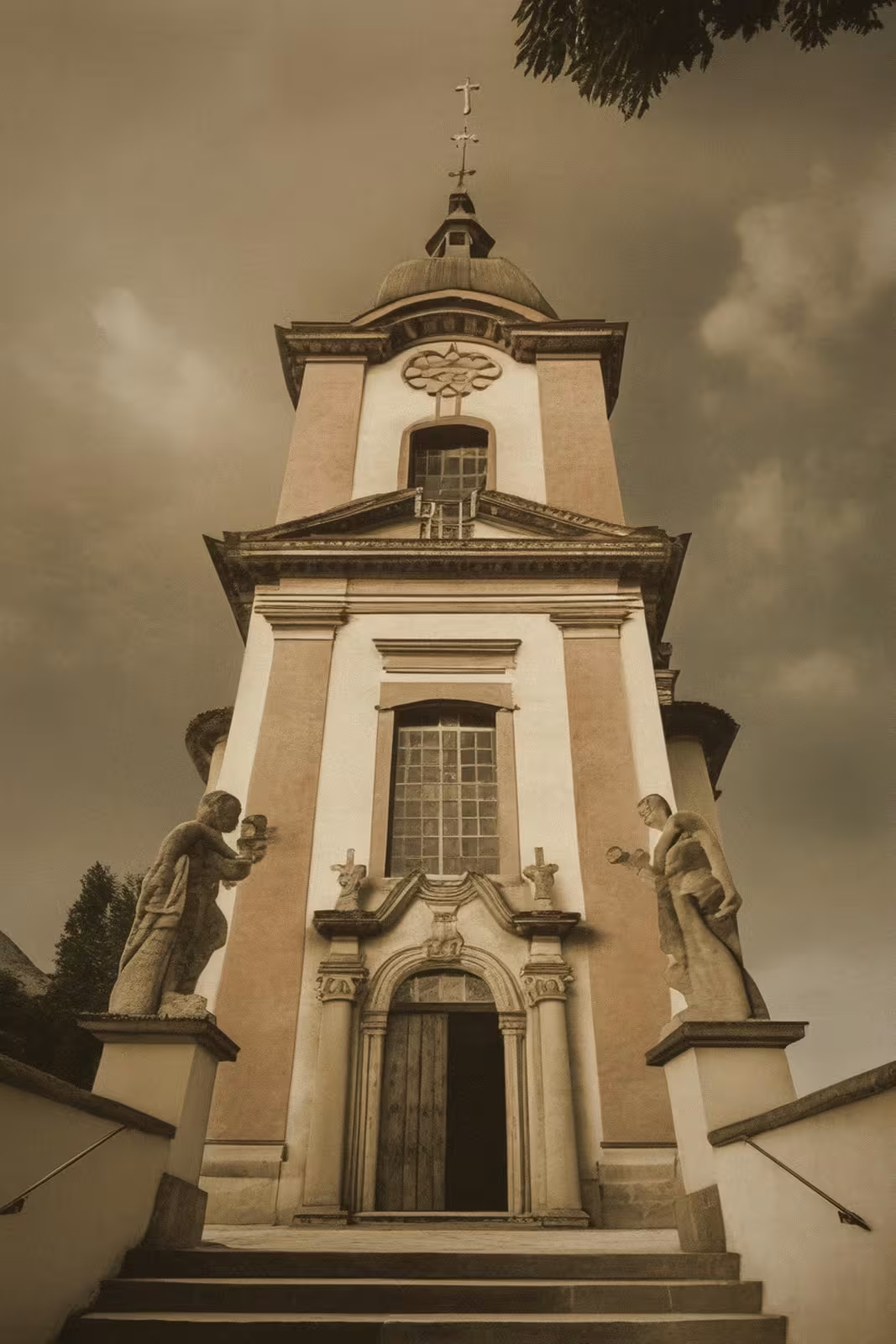
The historical appearance on the left is an AI-generated visualisation and serves as inspiration only.
Historical milestones
- 1743
- Completion of the church construction.
- 1552
- Larger bell cast by Tomáš Jaroše, dedicated to Saints Wenceslas and Ludmila.
Architectural development
Constructed between 1740-1743, the Church of All Saints showcases Baroque architecture. The main altar and pulpit were completed in 1752 by František Ferdinand Ublacker. Restoration efforts began in 2000, focusing on structural repairs and aesthetic restoration.
Historical events
- 1740
- Construction of the current church began.
- 1752
- Creation of the main altar and pulpit by František Ferdinand Ublacker.
- 1908
- The church was elevated to a deanery status.
Points of interest
- The Church of All Saints replaced an older chapel that had been mentioned since the 14th century, highlighting a long-standing religious presence in Uhříněves before its current Baroque structure was built.
- During the Hussite Wars, Uhříněves adopted utraquist practices until 1624 when Prince Karl von Liechtenstein restored Catholic administration, reflecting the region's turbulent religious history.
Guide
This guide is narrated by a synthetic voice generated by artificial intelligence.
Show guide text
This text was created by artificial intelligence and has not been editorially reviewed. It may contain inaccuracies.
Welcome to the Church of All Saints in Uhříněves, a serene and historic gem nestled within the charming locality of Uhříněves, part of Prague's vibrant landscape. As you stand here today, enveloped by an atmosphere rich with history, take a moment to absorb your surroundings. Before you is a stunning Baroque-style church that stands as a testament to the artistic and architectural prowess of the 18th century.
The Church of All Saints was completed in 1743, replacing an older, smaller chapel mentioned since the 14th century—a symbol of the enduring religious presence in this area. This transition from a modest chapel to a grand Baroque edifice reflects a period of significant cultural and spiritual development in Uhříněves. The church's construction was overseen by architect Tomáš Budil, who skillfully crafted a structure that harmonizes with its historical surroundings.
As you gaze upon the church, notice how it captures the essence of Baroque architecture—characterized by its grandeur and attention to detail. While specific features aren't detailed here, take in the overall aesthetic, from the intricate designs adorning its facade to the harmonious proportions that invite contemplation. The church is not only a place of worship but also an artistic masterpiece, featuring significant works by artists such as František Ferdinand Ublacker and Jan Petr Molitor.
The history of this sacred site is intertwined with notable figures who have left their mark on Uhříněves. Václav Jan Nepomuk Cžipa, a local hero, played an influential role in the community's development, while Marie Terezie Savojská, Empress of Austria, reigned during a time when cultural and artistic endeavors flourished throughout Europe.
A fascinating aspect of this church’s history is its connection to the larger bell cast by Tomáš Jaroše in 1552. Dedicated to Saints Wenceslas and Ludmila, this bell echoes through time, serving as a reminder of the region's deep-rooted traditions and spiritual heritage.
As you explore further, consider how Uhříněves embraced utraquist practices during the Hussite Wars until 1624 when these were replaced by other religious influences. This historical pivot highlights the dynamic nature of faith in this community over centuries.
We invite you to take your time exploring every corner of the Church of All Saints, immersing yourself in its history and beauty. Whether it's reflecting on its architectural splendor or contemplating the stories of those who walked these grounds before us, there is much to discover here.
Thank you for joining us on this journey through time at the Church of All Saints. We hope your visit has been enlightening and that you feel inspired to explore more of what Uhříněves—and indeed Prague—has to offer. Safe travels as you continue your adventure!
Businesses nearby
Do you run a restaurant, accommodation, shop, museum, rental, wellness or other visitor service near this monument? Show yourself directly to the people heading to it — this is how they will see you in the app and on the web:
Events nearby
Zdroj akcí: otevřená data měst a obcí ČR (Národní katalog otevřených dat) a kalendář akcí Národního památkového ústavu.
Accommodation nearby
Trips and activities nearby
Guided tours, tickets and activities nearby from GetYourGuide
Affiliate link: if you buy from the partner, we may receive a commission. The price for you does not change.
Search tours and activities →Themed route
Tematická výletní trasa z Uhříněvska
1. Kostel Všech svatých v Uhříněvsi (Kostel) Začneme naší cestou u kostela Všech svatých, který je nejstarším sakrálním objektem v Uhříněvsi. Tento barokní kostel s bohatou historií a architektonickými prvky stojí za návštěvu pro milovníky duchovních památek a historie. Jeho interiér nabízí krásné fresky a výzdobu, které odrážejí bohatou minulost obce.
2. Park u kostela Všech svatých Přibližně 5 minut chůze od kostela se nachází malebný park, který je ideálním místem pro relaxaci a prohlídku po návštěvě kostela. Park nabízí krásné zelené prostory s výhledy na okolní krajinu, což ho činí perfektním pro piknik nebo jen pro chvilku odpočinku.
3. Zámek Uhříněves Odtud se pohybujeme směrem k Zámeckému parku a zámku Uhříněves, který je vzdálen asi 1 km. Tento barokní zámek s rozsáhlým parkem je jednou z nejznámějších památek obce. Jeho historie sahá až do 17. století, což ho činí fascinujícím pro všechny, kteří mají rádi historické stavby a architekturu.
4. Zámecký park Uhříněves Po návštěvě zámku se můžeme ponořit do Zámeckého parku, který je součástí samotného areálu. Park nabízí krásnou příležitost pro procházky po cestách mezi stromy a zahradami s historickými prvky. Je to ideální místo pro relaxaci, fotografování nebo jen pro prohlídku v klidu.
Tato trasa nabízí kombinaci duchovních, historických a přírodních atrakcí, které společně odrážejí bohatou minulost a kulturu Uhříněvska.
Seasonal recommendations
Spring: Visiting the Church of All Saints in Uhříněves during spring offers a serene experience as nature begins to bloom around this historic site. The soft light filtering through budding trees creates a gentle, ethereal atmosphere that enhances the church's architectural beauty. This time is ideal for appreciating the surrounding gardens and landscapes, which are waking up from winter dormancy. Visitors should consider wearing comfortable layers, as temperatures can vary with occasional rain showers. Arriving in the morning can help avoid larger crowds, providing a more tranquil experience.
Summer: The summer months bring vibrant energy to Uhříněves, with lush greenery and warm sunlight accentuating the Church of All Saints' historic charm. This is an excellent time for photography enthusiasts, as the long daylight hours offer ample opportunity to capture stunning images. However, it's advisable to visit early in the day or later in the afternoon to avoid peak tourist times when the church might be busier. Light, breathable clothing and sun protection are recommended due to the warmer weather.
Autumn: Autumn transforms Uhříněves into a picturesque setting with its rich tapestry of reds, oranges, and yellows enveloping the Church of All Saints. The cooler temperatures make for pleasant strolls through the surrounding parkland, while the softer light provides an ideal backdrop for exploring the church's intricate details. This season is less crowded than summer, allowing for a more intimate experience. Visitors should dress in layers to accommodate fluctuating temperatures and consider bringing an umbrella or raincoat, as autumn showers are common.
Winter: The Church of All Saints takes on a magical quality during winter, with snow often blanketing the landscape around this historic site. The muted colors of the season create a stark yet beautiful contrast against the church's architecture, while shorter daylight hours add to its mystical allure. Winter is typically quieter, offering an opportunity for reflection and appreciation without large crowds. Visitors should dress warmly in layers and be prepared for potentially icy paths. Checking opening times in advance is wise, as they may vary during this season.
Visualizations and artistic views


The visualisations are generated by artificial intelligence and serve as inspiration.
Photos from the area
Real photos taken near the monument


Zdroj a licence jsou uvedeny u každého snímku.
Tips from visitors
No tips yet. Be the first!
Log in and add your tip.
Sources and literature
Fotografie: VitVit / CC BY-SA 4.0, rozlišení zvýšeno umělou inteligencí — Wikimedia Commons. The author and licence also appear when you hover over the image.
Faktickým podkladem tohoto textu byl článek na Wikipedii, jehož autory jsou přispěvatelé Wikipedie. Článek je dostupný pod licencí CC BY-SA 4.0.
Location on the map

Příběhy a pověsti
Legendy, pověsti a příběhy spjaté s touto památkou
Fotografie návštěvníků
Zatím žádné fotografie. Buďte první, kdo přidá fotografii z návštěvy!
Přihlaste se a přidejte svou fotografii nebo hodnoťte.
Za ověřenou návštěvu v aplikaci získáte víc bodů — poznáme podle GPS, že jste na místě.
Reviews and comments