






Královská obora Park
Královská obora, also known as Stromovka, is a significant natural and landscape park in Prague-Bubeneč, within the Bubeneč district of Prague 7. Established in the thirteenth century as a royal game reserve, it now covers 95 hectares on the floodplain of the Vltava River. The park evolved from its medieval origins to become a public space accessible since 1804. It is renowned for its English landscape garden design and protected status as both a natural and cultural monument.
The origin of Královská obora dates back to around 1268, when King Přemysl Otakar II is believed to have founded the park. Initially serving as a game reserve for nearby summerhouses, it was transferred from the property of St. Vitus' provost to Jan Lucemburský in 1320. The park underwent significant expansion under Ferdinand I in the mid-16th century and experienced major changes during Rudolf II's reign in the late 16th century. These included the construction of Rudolfová štolba, a system of ponds that continues to feed into the park today.
Architecturally, Královská obora reflects its transformation from a medieval royal forest to a public park with Renaissance influences introduced during Rudolf II's reign. The current layout, featuring exotic trees and landscaped ponds, was established in the 19th century when it transitioned into an English landscape garden. This design emphasizes natural beauty and harmony, creating a serene environment for visitors.
Ownership of Královská obora has shifted over centuries, beginning as royal property. It later became associated with historical figures such as Jan Lucemburský, Vladislav Jagellonský, Ferdinand I, and Rudolf II, each contributing to its development and expansion. These changes reflect the park's significance in Bohemian history and its adaptation through different eras.
Key events in the park's history include the construction of a royal hunting lodge for Vladislav Jagellonský in 1495 and the rebuilding and expansion of Císařský mlýn in 1589. The park also houses an arboretum with many introduced tree species, adding to its botanical interest. These elements highlight Královská obora's role as a site of both historical importance and natural beauty.
Today, Královská obora remains a cherished public space, offering opportunities for sports, recreation, and cultural education. Its accessibility since 1804 has allowed generations to enjoy its picturesque landscapes and diverse flora. The park is situated near the Vltava River and Císařský ostrov, with historical sites like Místodržitelský letohrádek nearby. Additionally, the opening of Centrum Stromovka shopping mall in 2019 has added a modern convenience to its vicinity.
Královská obora is not only a testament to Prague's rich history but also a living monument that continues to evolve and inspire. Its blend of natural beauty, historical significance, and cultural heritage makes it an essential destination for anyone visiting Prague. Visitors are invited to explore this remarkable park, where the past and present coexist harmoniously amidst lush landscapes and tranquil waters.
Then and now
Drag the slider to compare how the landmark may have looked when it was built with the view today.
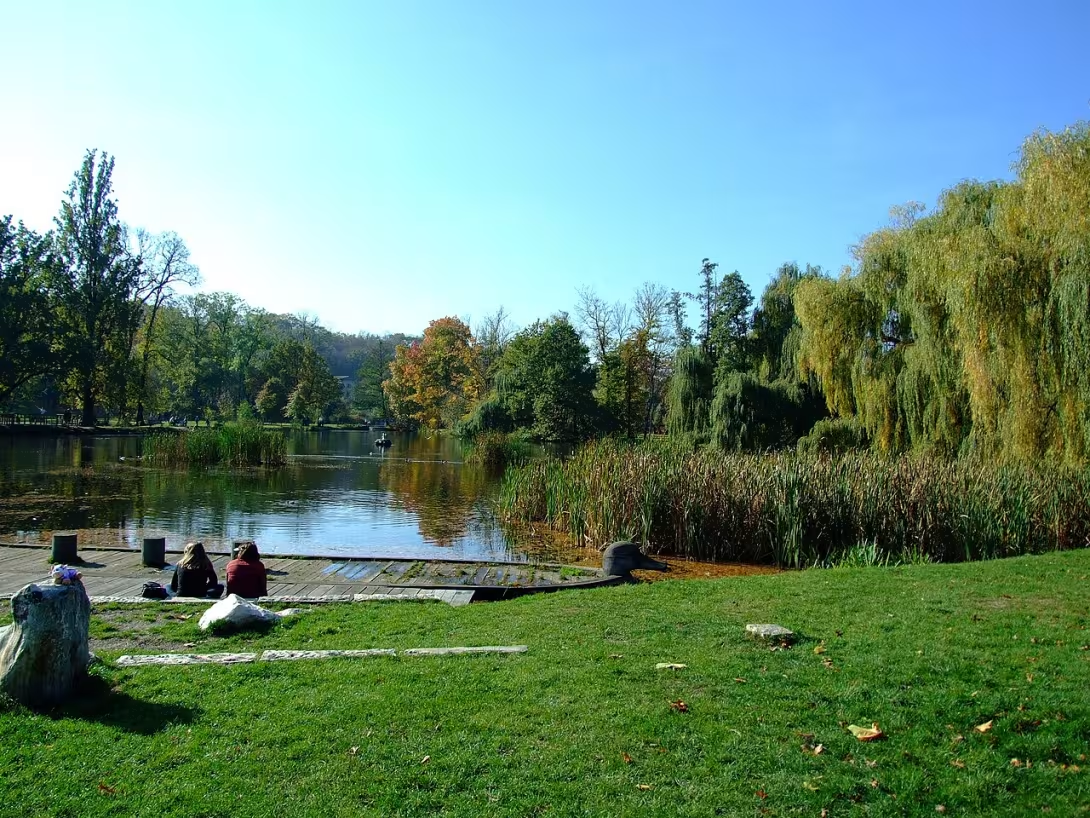
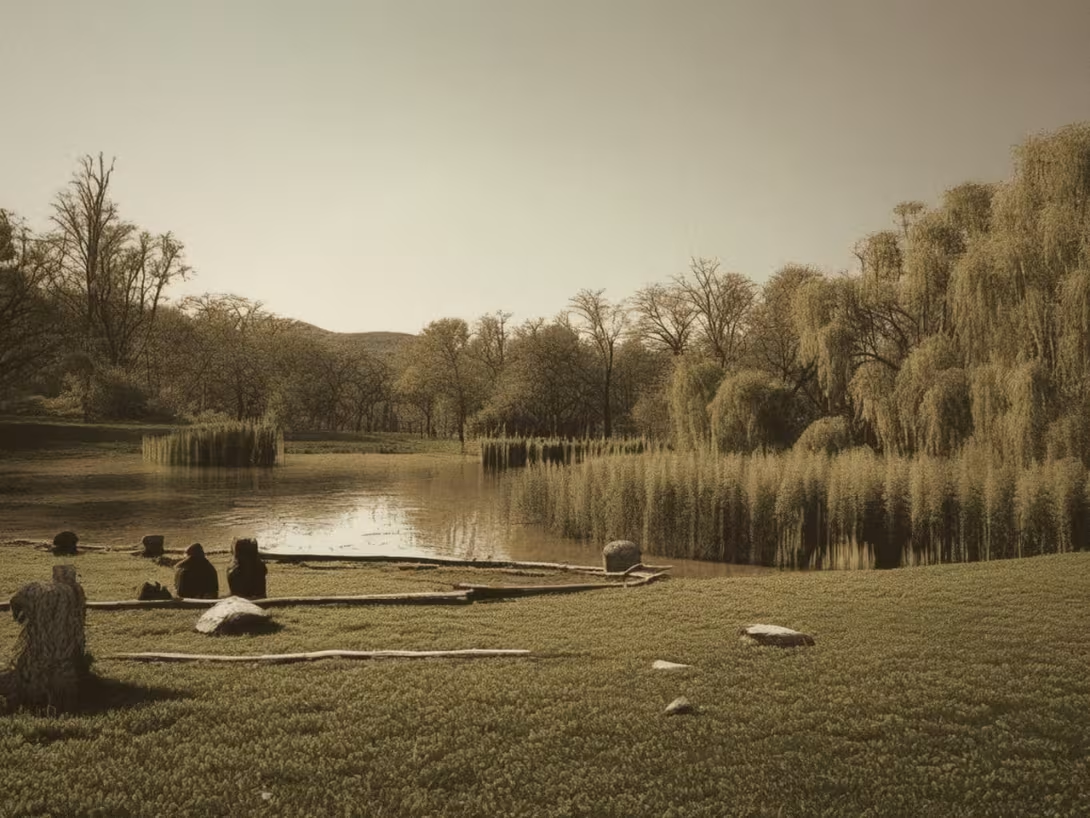
The historical appearance on the left is an AI-generated visualisation and serves as inspiration only.
Historical milestones
- 1268
- Foundation of the Royal Hunting Lodge by King Přemysl Otakar II.
- 1320
- Transfer of ownership to Jan Lucemburský.
- 1495
- Construction of a hunting lodge for Vladislav Jagellonský.
- 1589
- Reconstruction and expansion of the Imperial Mill.
- Circa 1550
- Larger expansion under Ferdinand I.
- Late 16th century
- Changes during Rudolf II's reign, including the construction of Rudolph's Stolps.
- 18
Architectural development
Královská obora has evolved from a medieval royal forest to a public park. Significant developments occurred during the reigns of Ferdinand I and Rudolf II, with the latter introducing Renaissance architectural elements and extensive landscaping. The park's current layout, featuring ponds and exotic trees, was established in the 19th century.
Historical events
King Přemysl Otakar II is believed to have founded the park around 1268.
In 1495, a royal hunting lodge was built for Vladislav Jagellonský.
Rudolf II initiated major changes in the late 16th century, including the construction of Rudolfová štolba.
Owners
Originally owned by the king in medieval times
Transferred from the property of St. Vitus' provost to Jan Lucemburský in 1320
Expanded under Ferdinand I in the mid-16th century
Underwent significant changes during Rudolf II's reign
Points of interest
- Despite its public accessibility since 1804, Královská obora's transformation into an English landscape garden in the 19th century was a significant shift from its medieval origins as a royal game reserve, reflecting broader European trends in landscape design.
- The park's system of ponds, Rudolfová štolba, originally constructed during Rudolf II’s reign to supply water to Prague Castle, remains functional today, showcasing an enduring piece of historical engineering that continues to influence the park's ecology and aesthetics.
Guide
This guide is narrated by a synthetic voice generated by artificial intelligence.
Show guide text
This text was created by artificial intelligence and has not been editorially reviewed. It may contain inaccuracies.
Welcome to the enchanting Královská obora, or Stromovka, a verdant oasis nestled in Prague-Bubeneč. As you stand here, take a moment to absorb the lush surroundings that stretch out before you—a tapestry of exotic trees and serene ponds, inviting exploration and reflection.
The origins of this park trace back to 1268 when King Přemysl Otakar II founded Královská obora as a royal game reserve. Over time, it evolved significantly; by 1320, ownership had passed to Jan Lucemburský. The park's transformation continued in the late 15th century with the construction of a hunting lodge for Vladislav Jagellonský, marking its importance as both a practical and symbolic royal asset.
As you wander through this landscape, notice how it seamlessly blends natural beauty with historical depth. While specific architectural details are not documented, the park's layout invites curiosity about its past. The ponds fed by Rudolfová štolba add to the picturesque setting—a testament to the thoughtful design that has endured over centuries.
Key figures have left their mark on this place. King Ferdinand I expanded the park in the mid-16th century, and under Rudolf II's reign at the end of the 16th century, significant changes were made, including the construction of Rudolfových štolb. These historical layers contribute to the rich narrative that surrounds you.
One fascinating aspect of Královská obora is its transformation in the 19th century into an English landscape garden. This shift from a medieval game reserve reflects broader European trends and signifies a new era for the park, emphasizing public access since 1804 while retaining its historical essence.
As you continue your journey through this historic site, let your curiosity guide you. Explore further to uncover more stories etched in nature's embrace here at Královská obora. Thank you for joining us on this walk through time and space. Enjoy the rest of your visit!
Tips for visitors
The best time to visit Královská obora, also known as Stromovka, is during the spring or early autumn when the park's exotic trees are in full bloom and the weather is mild. These seasons offer pleasant temperatures for walking and enjoying outdoor activities without the summer crowds or winter chill. Additionally, the lighting conditions during these times are ideal for photography, capturing vibrant colors and long shadows.
Parking and transportation to Královská obora can be managed by using public transport options such as trams and buses that connect to Bubeneč. For those driving, there may be parking facilities nearby, but it's advisable to check the availability in advance. Public transport is a convenient option given the park's proximity to central Prague, making it accessible without the hassle of finding parking.
When visiting Královská obora, consider bringing comfortable walking shoes, as exploring the extensive grounds can be quite rewarding. A picnic basket with snacks and drinks can enhance your experience, especially if you plan to spend a few hours in the park. Don't forget to bring a camera or smartphone for capturing the picturesque landscapes and unique flora.
For photography enthusiasts, some of the best spots within Královská obora include areas near the Místodržitelský letohrádek and along the paths that offer views of the Vltava River. Early morning or late afternoon light provides a soft glow ideal for capturing stunning images of the park's natural beauty.
Nearby attractions within 30 minutes include Císařský ostrov, which offers additional scenic spots and historical interest. Families with children might also enjoy visiting Stromovka's railway tunnel, providing an engaging experience for kids interested in trains or exploring unique structures.
Businesses nearby
Natáčelo se zde
- Zátopek (2021) film
Zdroj: Wikidata (vlastnost „místo natáčení“) · Všechna filmová místa
Events nearby
Zdroj akcí: otevřená data měst a obcí ČR (Národní katalog otevřených dat) a kalendář akcí Národního památkového ústavu.
Nearby
Královská obora is located near the Vltava River and Císařský ostrov, separated by a canal. The area includes historical sites such as the Místodržitelský letohrádek and features like Stromovka's railway tunnel.
Accommodation nearby
Trips and activities nearby
Guided tours, tickets and activities nearby from GetYourGuide
Affiliate link: if you buy from the partner, we may receive a commission. The price for you does not change.
Search tours and activities →Themed route
Thematic Walking Tour: Exploring the Royal Game Reserve and Its Historical Surroundings
1. Královská obora (Royal Game Reserve) - *Type:* Historic Park - *Why Visit:* Begin your journey at this enchanting park, a former royal hunting ground that offers lush greenery along the Vltava River. The area is rich in history and provides serene walking paths perfect for nature lovers and those interested in Prague's historical landscape.
2. Místodržitelský letohrádek (Viceroy’s Summer Palace) - *Type:* Historical Site - *Why Visit:* Located near the Royal Game Reserve, this charming summer palace is a testament to 19th-century architecture and offers stunning views of the surrounding parkland. It's an ideal spot for history enthusiasts eager to explore its elegant interiors and learn about its past residents.
3. Císařský ostrov (Emperor’s Island) - *Type:* Park - *Why Visit:* Just a short walk across the canal from Královská obora, this island park is perfect for those seeking tranquility amidst nature. It's an excellent place to relax and enjoy panoramic views of Prague, making it a must-visit for anyone looking to unwind.
4. Stromovka Railway Tunnel - *Type:* Historical Feature - *Why Visit:* As you explore the area around Stromovka, don't miss this unique railway tunnel that adds an intriguing historical layer to your visit. It's a fascinating site for those interested in engineering and history, offering insights into Prague’s past transportation networks.
This tour offers a blend of nature, history, and architectural beauty, providing a comprehensive experience of the Royal Game Reserve and its captivating surroundings.
Seasonal recommendations
Spring: The arrival of spring breathes new life into Královská obora, with the park's vibrant greenery and blooming flowers creating a picturesque setting that captivates visitors. This season is characterized by mild temperatures and longer daylight hours, making it an ideal time for leisurely walks or picnics under the canopy of budding trees. The fresh scent of earth after rain adds to the park’s enchanting atmosphere. For those planning a visit, light layers are recommended as mornings can be cool, but the days warm up pleasantly. Early morning visits are suggested to fully appreciate the awakening nature before the park becomes busier with weekend crowds.
Summer: During summer, Královská obora transforms into a lively oasis within Prague 7. The lush greenery provides ample shade, making it a perfect retreat from the city's heat. This is the peak season for visitors, so expect larger crowds and vibrant outdoor activities like family picnics or casual sports games in open areas. With extended daylight hours, you can enjoy longer stays in the park; however, arriving early is advisable to secure a good spot before it fills up. Comfortable walking shoes and light clothing are recommended, along with sun protection such as hats and sunscreen.
Autumn: Autumn at Královská obora offers a tranquil and colorful experience as the leaves turn into hues of red, orange, and yellow. The cooler temperatures make for comfortable strolls through the park’s winding paths, which are now lined with fallen leaves that create a soft, rustling carpet underfoot. This season is less crowded than summer, providing a more peaceful atmosphere ideal for contemplation or photography. Visitors should dress in layers to accommodate fluctuating temperatures and consider bringing an umbrella as rain showers can be frequent during this time.
Winter: In winter, Královská obora exudes a serene charm with its snow-covered landscape and bare trees that create striking silhouettes against the often clear blue skies. The park offers a quiet escape from the bustling city, ideal for those seeking solitude or a brisk walk to invigorate their senses in the crisp air. With shorter daylight hours, it’s best to plan your visit during midday when there is more natural light. Visitors should dress warmly with coats, hats, and gloves, as temperatures can be quite chilly, especially in the shade of the park's trees.
Visualizations and artistic views


The visualisations are generated by artificial intelligence and serve as inspiration.
Photos from the area
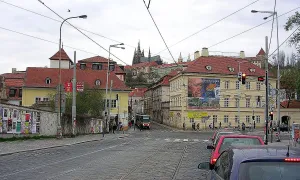
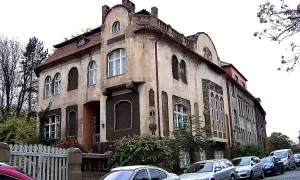
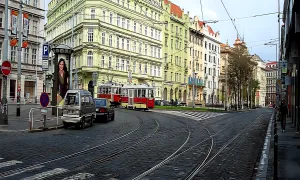
Real photos taken near the monument


Zdroj a licence jsou uvedeny u každého snímku.
Tips from visitors
No tips yet. Be the first!
Log in and add your tip.
Sources and literature
Fotografie: I would appreciate being notified if you use my work outside Wikimedia. More of my work can be found in my personal gall / CC BY-SA 3.0 — Wikimedia Commons. The author and licence also appear when you hover over the image.
Faktickým podkladem tohoto textu byl článek na Wikipedii, jehož autory jsou přispěvatelé Wikipedie. Článek je dostupný pod licencí CC BY-SA 4.0.
Location on the map
More monuments – Bubeneč (Praha 7)
Show all in the municipality
Příběhy a pověsti
Legendy, pověsti a příběhy spjaté s touto památkou

Fotografie návštěvníků
Zatím žádné fotografie. Buďte první, kdo přidá fotografii z návštěvy!
Přihlaste se a přidejte svou fotografii nebo hodnoťte.
Za ověřenou návštěvu v aplikaci získáte víc bodů — poznáme podle GPS, že jste na místě.
Reviews and comments