






Krausova vila Villa
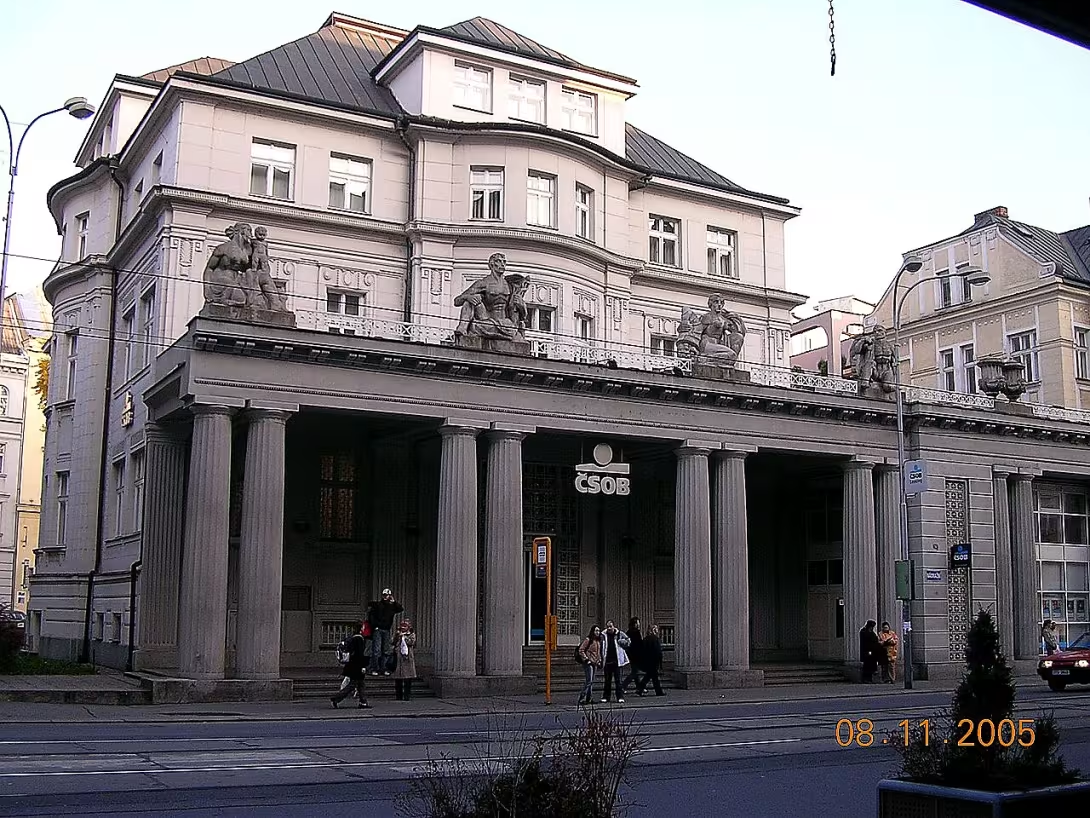
Krausova vila is a notable example of Secessionist architecture in Moravská Ostrava, built in 1910-1911 for Dr. Karl Kraus, a prominent figure in the city's German community. This four-story villa, with its neoclassical interior elements, reflects the architectural trends of central Germany at the time. Today, it stands as a testament to the city's rich cultural and industrial heritage.
Construction of the villa began in 1910, with plans drawn up by Hans Ulrich and Alois Schön. The building was designed to showcase the wealth and status of its owner, Dr. Karl Kraus, a lawyer and member of the local elite. Kraus was a prominent figure in the city's cultural scene, and his villa reflected his refined taste and appreciation for the arts.
The villa's architecture is a prime example of Secessionist style, characterized by curved lines, ornate details, and a mix of materials such as stone, wood, and metal. The interior features a grand entrance hall with a marble staircase, a stucco ceiling, and a wooden staircase with intricate carvings. The exterior is adorned with a portico, designed by Ernst Korner, featuring a figurative sculpture by Augustin Handzel.
In 1919, the villa was sold to Česká banka Union, which made significant changes, including adding a new floor and reconstructing the portico. The villa was later used as a museum from 1945 to 1974, housing the Muzeum revolučních bojů a budování socialismu. Today, the villa is a notable example of Secessionist architecture in the region, with its unique blend of styles and materials making it a fascinating piece of cultural heritage.
The villa's history is closely tied to the city's development as an industrial center in the early 20th century. During this time, Moravská Ostrava was a major hub of industry and commerce, and the villa's construction reflected the wealth and status of its owner. The villa's Secessionist style and neoclassical interior elements were influenced by the artistic and cultural movements of the time, making it a unique and valuable piece of cultural heritage.
Today, the villa is a must-visit destination for anyone interested in architecture, history, and culture. Its unique blend of styles and materials makes it a fascinating piece of cultural heritage, easily accessible in the heart of Moravská Ostrava. Whether you're a history buff, an architecture enthusiast, or simply looking for a unique experience, Krausova vila is a must-see destination that will deepen your appreciation for the city's rich cultural and industrial heritage.
Then and now
Drag the slider to compare how the landmark may have looked when it was built with the view today.
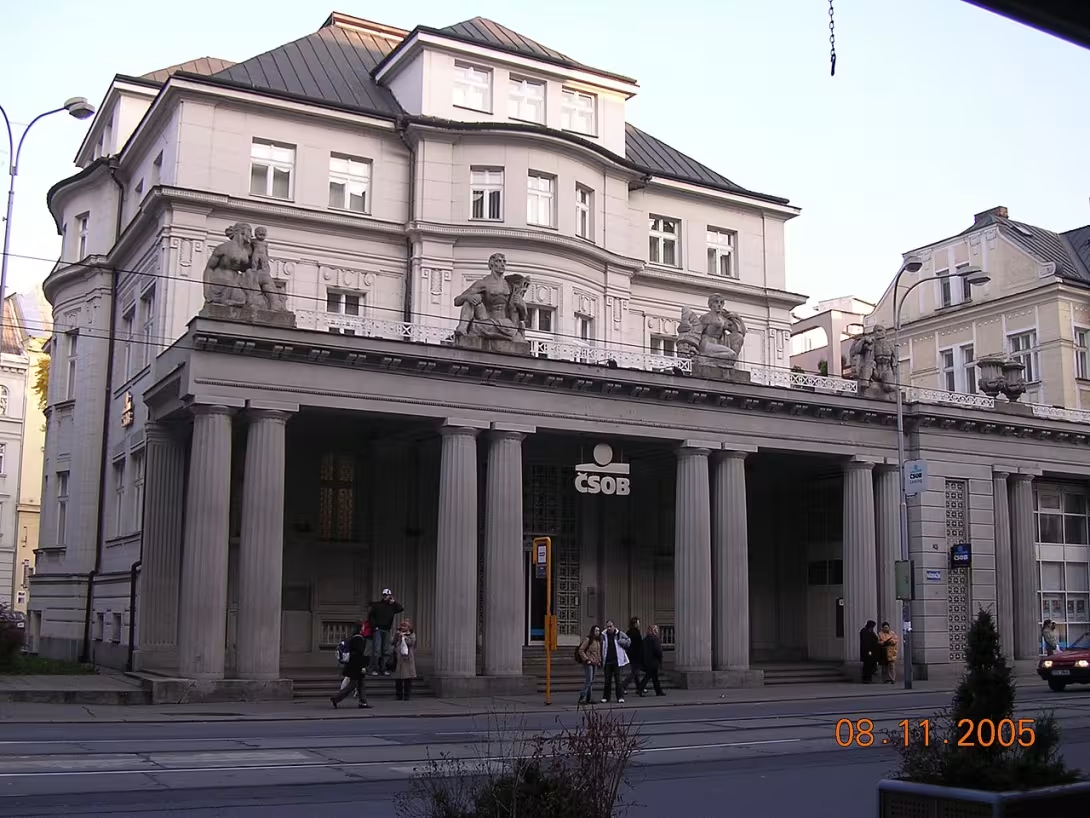

The historical appearance on the left is an AI-generated visualisation and serves as inspiration only.
Historical milestones
- 1859
- First information about the building
- 1910
- Built for Dr. Karl Kraus
- 1919
- Sold to Česká banka Union
- 1920
- Used as a bank
- 1945
- Used as a museum
- 1974
- Reconstructed after a fire
Architectural development
The villa was built in 1910-1911 in the Secessionist style, with a neoclassical interior. In 1919, it was sold to Česká banka Union and underwent significant changes, including the addition of a new floor and the reconstruction of the portico. The villa was later used as a museum from 1945 to 1974.
Historical events
Built in 1910-1911 for Dr. Karl Kraus
Sold to Česká banka Union in 1919
Used as a museum from 1945 to 1974
Owners
Dr. Karl Kraus (1910-1919), Česká banka Union (1919-1945), Muzeum revolučních bojů a budování socialismu (1945-1974)
Points of interest
– The villa's original owner, Dr. Karl Kraus, was a prominent figure in the city's German community, and his villa reflected his refined taste and appreciation for the arts.
– The villa's portico was designed by Ernst Korner, featuring a figurative sculpture by Augustin Handzel, which adds to the building's unique and artistic character.
– The villa was used as a museum from 1945 to 1974, housing the Muzeum revolučních bojů a budování socialismu, which is a lesser-known chapter in the building's history.
– The villa's Secessionist style and neoclassical interior elements were influenced by the artistic and cultural movements of the time, making it a unique and valuable piece of cultural heritage.
– The villa's history is closely tied to the city's development as an industrial center in the early 20th century, reflecting the wealth and status of its owner and the city's growing importance during this time.
Guide
This guide is narrated by a synthetic voice generated by artificial intelligence.
Show guide text
This text was created by artificial intelligence and has not been editorially reviewed. It may contain inaccuracies.
Welcome! You are standing in front of Krausová Villa, an outstanding historical monument in Moravian Ostrava. Come move closer and take a look at this beautiful residence. Notice its four-story architecture, characteristic of the Art Nouveau style with neoclassical elements. The villa was originally built between 1910-1911 for Dr. Karl Kraus, a prominent figure in the German community in Ostrava. His taste and love for art are reflected in the rich architectural design of this villa.
Let's delve into its history. The first mentions of the building date back to 1859, but the villa itself was constructed in the first decade of the 20th century. In 1910, it was purchased by Dr. Karl Kraus, and in 1919, it was sold to Česká banka Union. By 1920, the villa became the headquarters for this bank, and in 1945, it was used as a museum. After a fire in 1974, the villa was reconstructed.
Take note of the portico designed by Ernst Korner. Here you will find an artistic sculpture by August Handzel, adding uniqueness to this part of the villa. The villa has become a symbol of Dr. Karl Kraus's legacy as a significant figure in Ostrava's German community.
Come take a closer look and breathe in its atmosphere deeply. The ambiance of this villa is truly unique. The charm of this villa lies in the fact that its original owner, Dr. Karl Kraus, was a great lover of art and beautiful things. His taste and preference are reflected in the rich architectural design of this villa. During his time in Ostrava, Dr. Kraus was very active in the local cultural and social spheres, and his villa became a symbol of his contribution to this community.
Allow me to invite you to further explore this beautiful historical monument. Krausová Villa is a true gem of Moravian Ostrava and deserves a closer look.
Tips for visitors
The best time to visit Krausova vila is during the spring and summer months when the weather is mild and sunny, allowing you to take the most out of your visit and enjoy the beautiful surroundings.
It's recommended to bring a camera to capture the stunning architecture and beautiful interior of the villa. The best spots for photography are the main entrance, the staircase, and the interior rooms.
If you're visiting with children, consider bringing a stroller or carrier for the kids to explore the villa's interior. There are also several parks and playgrounds nearby, such as the nearby Smetana Park, which is a great place for kids to run around.
If you have time, consider visiting the nearby Smetana Park, which is a beautiful green area with a pond, walking trails, and a playground. It's about a 10-15 minute walk from the villa.
Frequently asked questions
Can the monument be visited?
Some buildings of this kind are open for guided tours, others serve another purpose or are privately owned. We have not verified whether and when this monument is open – please ask the operator.
What are the opening hours and admission?
We have not verified the opening hours or admission. Current information is published by the operator.
Where is the monument?
Location: Nádražní 213/10, Moravská Ostrava, Ostrava, Moravskoslezský kraj. The map on this page shows the exact spot.
Why is the monument protected?
It is listed in the Central List of Cultural Monuments of the Czech Republic as a cultural monument (register no. 24141/8-2384).
Businesses nearby
Do you run a restaurant, accommodation, shop, museum, rental, wellness or other visitor service near this monument? Show yourself directly to the people heading to it — this is how they will see you in the app and on the web:
Events nearby
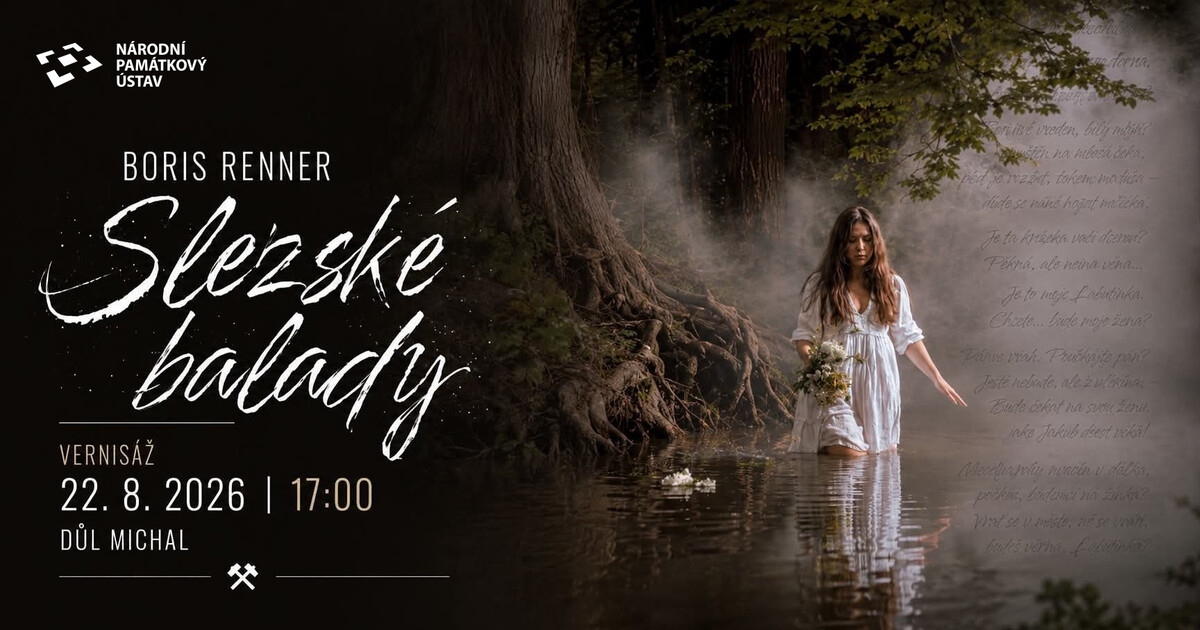
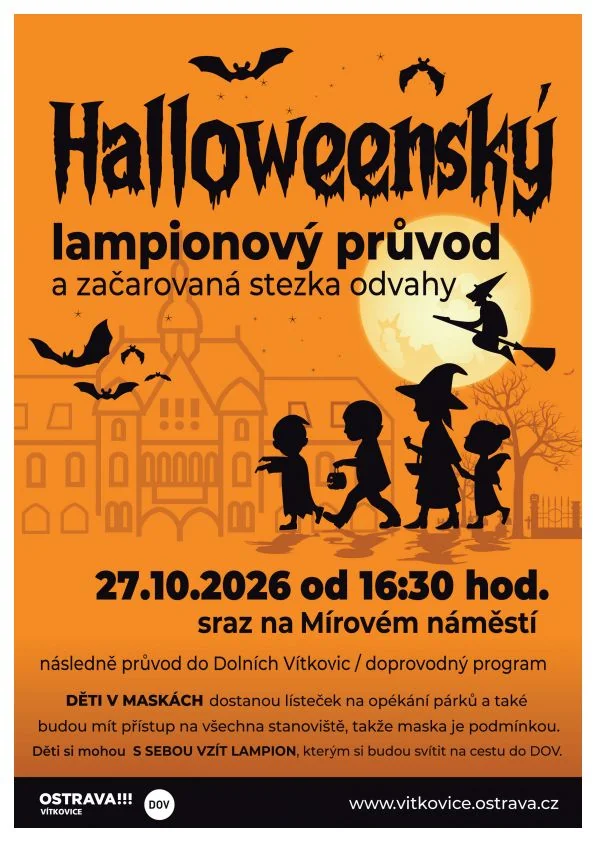
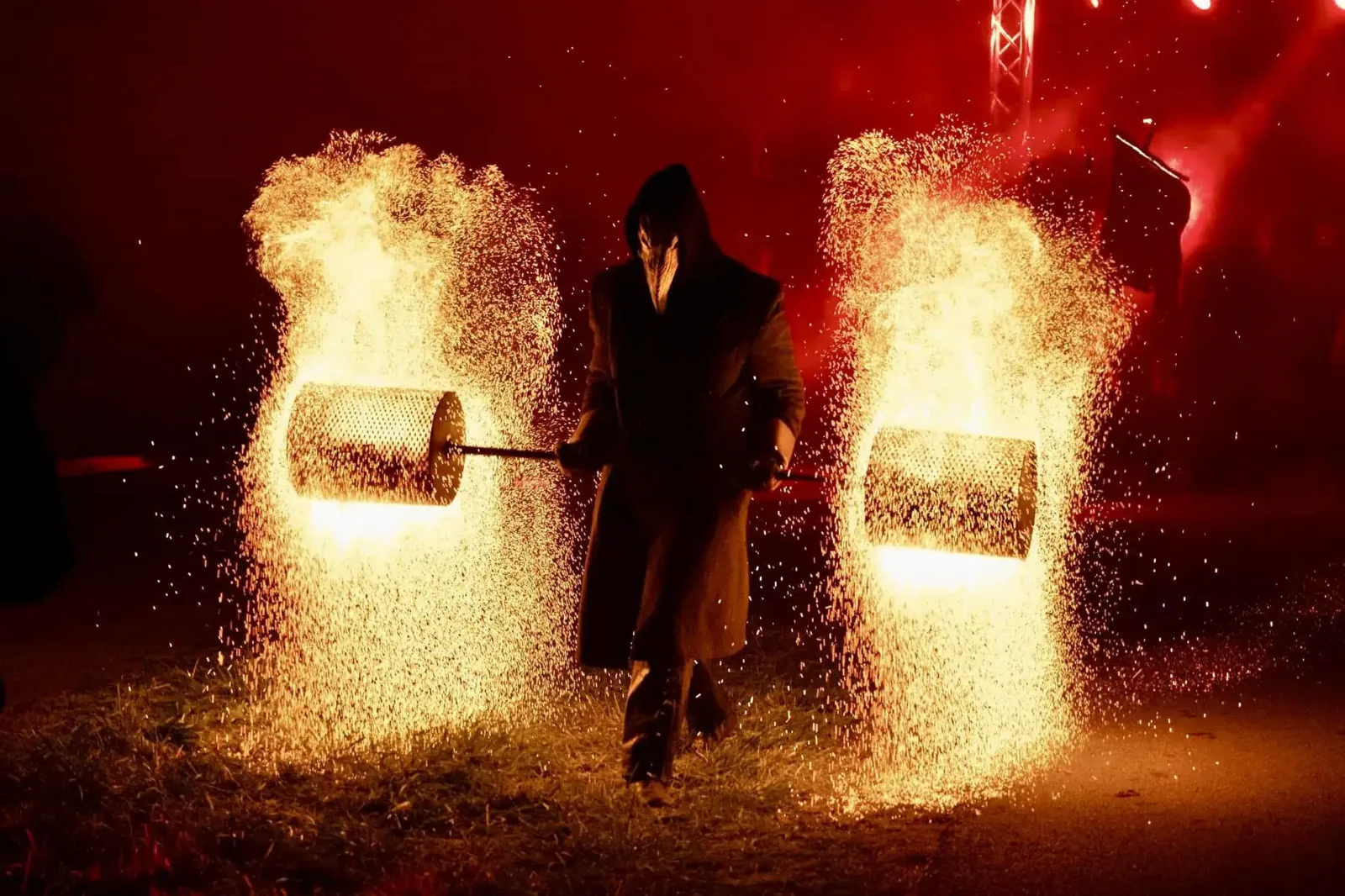
Zdroj akcí: otevřená data měst a obcí ČR (Národní katalog otevřených dat) a kalendář akcí Národního památkového ústavu.
Nearby
The villa is located in the city center of Moravská Ostrava, surrounded by other notable buildings and landmarks.
Accommodation nearby
Themed route
Moravská Ostrava City Walk
1. Krausova vila (vila) - This beautiful villa is a must-see for its stunning architecture and rich history. It was built in the early 20th century for the industrialist and philanthropist Hugo Kraus.
2. Moravská Ostrava City Hall (radnice) - Located just a short walk from the villa, the city hall is a beautiful example of Art Nouveau architecture and offers a glimpse into the city's rich history and culture.
3. St. James' Church (kostel) - This beautiful church is one of the oldest buildings in Moravská Ostrava and features stunning Gothic architecture and a peaceful atmosphere.
4. Moravská Ostrava Market (tržnice) - This bustling market is a great place to experience the local culture and try some traditional Czech cuisine. You can find everything from fresh produce to handmade crafts.
5. Šantovka Park (park) - This charming park is a peaceful oasis in the heart of the city and offers a beautiful walking trail, a pond, and plenty of green space to relax and enjoy the surroundings.
Seasonal recommendations
Jaro: Specific to spring is the revival of nature when the surroundings of the villa become green and blooming. The atmosphere is full of optimism and hope for a new beginning. Practical tips: The best time to visit is in April or May, when the weather is pleasant and there are not many crowds. We recommend bringing a camera to capture the beautiful spring scenery.
Léto: Specific to summer is the warm weather with sunny skies and high temperatures. The atmosphere is relaxed and summery. Practical tips: The best time to visit is in June or July, when tourist numbers peak. We recommend arriving early to avoid large crowds and bringing sun hats and umbrellas.
Podzim: Specific to autumn is the changing colors of the surrounding nature as trees turn green and shed their leaves. The atmosphere is calm and contemplative. Practical tips: The best time to visit is in September or October, when the weather is cooler and there are not many crowds. We recommend bringing a camera to capture the beautiful autumn scenery.
Zima: Specific to winter is the lighting of the villa, where the interior space is enveloped in darkness and illuminated only by lanterns. The atmosphere is calm and contemplative. We recommend bringing warm clothing and boots to avoid the cold and wet.
Visualizations and artistic views


The visualisations are generated by artificial intelligence and serve as inspiration.
Photos from the area
Real photos taken near the monument


Zdroj a licence jsou uvedeny u každého snímku.
Tips from visitors
No tips yet. Be the first!
Log in and add your tip.
Sources and literature
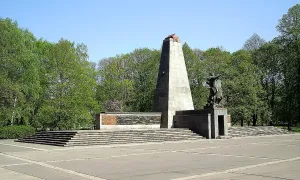
Photos: Karla Karla / CC BY-SA 3.0 — Wikimedia Commons. The author and licence also appear when you hover over the image.
Faktickým podkladem tohoto textu byl článek na Wikipedii, jehož autory jsou přispěvatelé Wikipedie. Článek je dostupný pod licencí CC BY-SA 4.0.
Location on the map
More monuments – Moravská Ostrava
Show all in the municipality



Příběhy a pověsti
Legendy, pověsti a příběhy spjaté s touto památkou
Příběh: Krausova vila
Bylo to v pondělí ráno, kdy mladý muž jménem Franz slyšel neobyčejný zvuk vycházející z hlubin Krausovy vile. Po desetiletí sloužil jako strážce této histori…
Číst příběh
Pověst: Krausova vila
Podle místní pověsti duše doktora Karla Krause nikdy vilu zcela neopustila. Staří obyvatelé Nádražní ulice vyprávějí, že v posledních srpnových dnech roku 19…
Číst příběhFotografie návštěvníků
Zatím žádné fotografie. Buďte první, kdo přidá fotografii z návštěvy!
Log in a přidejte svou fotografii nebo hodnoťte.
Za ověřenou návštěvu v aplikaci získáte víc bodů — poznáme podle GPS, že jste na místě.
Reviews and comments