






Kristův kostel Church
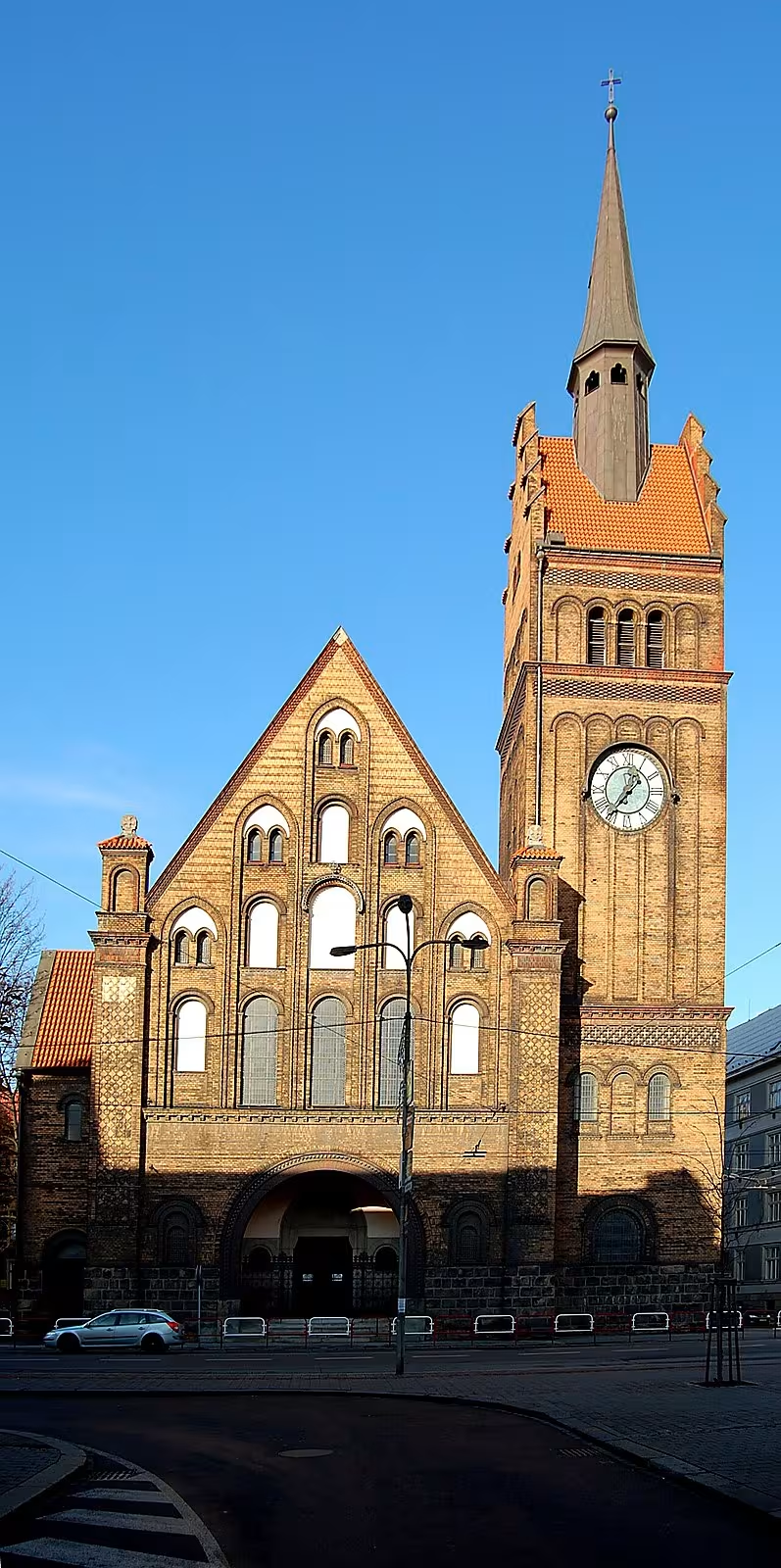
Evangelický Kristův kostel, also known as the Red Church, is located in Moravská Ostrava within the Ostrava District of the Moravian-Silesian Region. Built between 1905 and 1907, this church is a significant historical monument due to its unique architectural style that blends Romanesque and Gothic elements. Its distinctive red brickwork and asymmetrical tower make it an important example of early 20th-century architecture in Ostrava.
The origins of Evangelický Kristův kostel are rooted in the cultural and religious developments at the turn of the 20th century, when Bohemia was part of the Austro-Hungarian Empire. The church replaced an inadequate chapel that could no longer serve the rapidly growing Protestant community in Moravia. In August 1904, the Evangelical Church held an architectural competition for a new design, attracting over 100 submissions. Ultimately, the project by Vienna-based architects Karl Toller and Ludwig Föigl was chosen, although it received only second prize. Construction began in July 1905 after completing a model of the church. Despite initial challenges with unstable ground requiring reinforcement with wooden piles, the building was finished ahead of schedule in just two years.
Architecturally, Evangelický Kristův kostel is notable for its historical style that incorporates Romanesque and Gothic influences. The structure features red brickwork complemented by decorative elements, creating a striking visual contrast. Its asymmetrical tower, which reaches 60 meters high, is crowned with a polygonal helm and an oplechovaná střecha (tile roof), adding to its unique character. A porcelánový ciferník (porcelain clock face) further enhances the tower's distinctiveness. The church’s façade includes a trojúhelníkový štít (triangular gable) and a valený záklenek (arched lintel) above its entrance, adorned with a kovaná mříž (wrought iron grille) featuring dubových listů (oak leaf motifs).
Ownership of the church has shifted over time. Initially belonging to the Evangelical Church, it became part of the German Evangelical Church in Czechoslovakia after World War I. Following World War II, the building was confiscated by Czechoslovak authorities and later transferred to the Czech Brethren Church and Silesian Evangelical Church of Augsburg Confession in 2009. This transition was not a straightforward restitution but rather a transfer of ownership, which had previously complicated investment into its restoration.
Throughout its history, Evangelický Kristův kostel has witnessed significant events that reflect broader historical changes. The church's consecration on November 1, 1907, marked the culmination of its construction and symbolized the growing Protestant presence in Moravia. Post-World War II confiscations and eventual transfer to other religious bodies highlight the complex interplay between religion and politics during turbulent times.
Today, Evangelický Kristův kostel remains a prominent landmark within Ostrava's urban landscape. Its architectural beauty and historical significance make it an essential visit for those interested in early 20th-century architecture and the cultural history of the region. The church continues to serve as a place of worship while also attracting visitors who appreciate its unique design and storied past.
Evangelický Kristův kostel stands not only as a testament to architectural innovation but also as a witness to the dynamic historical shifts in Central Europe. Its preservation allows current and future generations to connect with the cultural heritage of Ostrava, making it a must-visit destination for anyone exploring this vibrant city.
Then and now
Drag the slider to compare how the landmark may have looked when it was built with the view today.
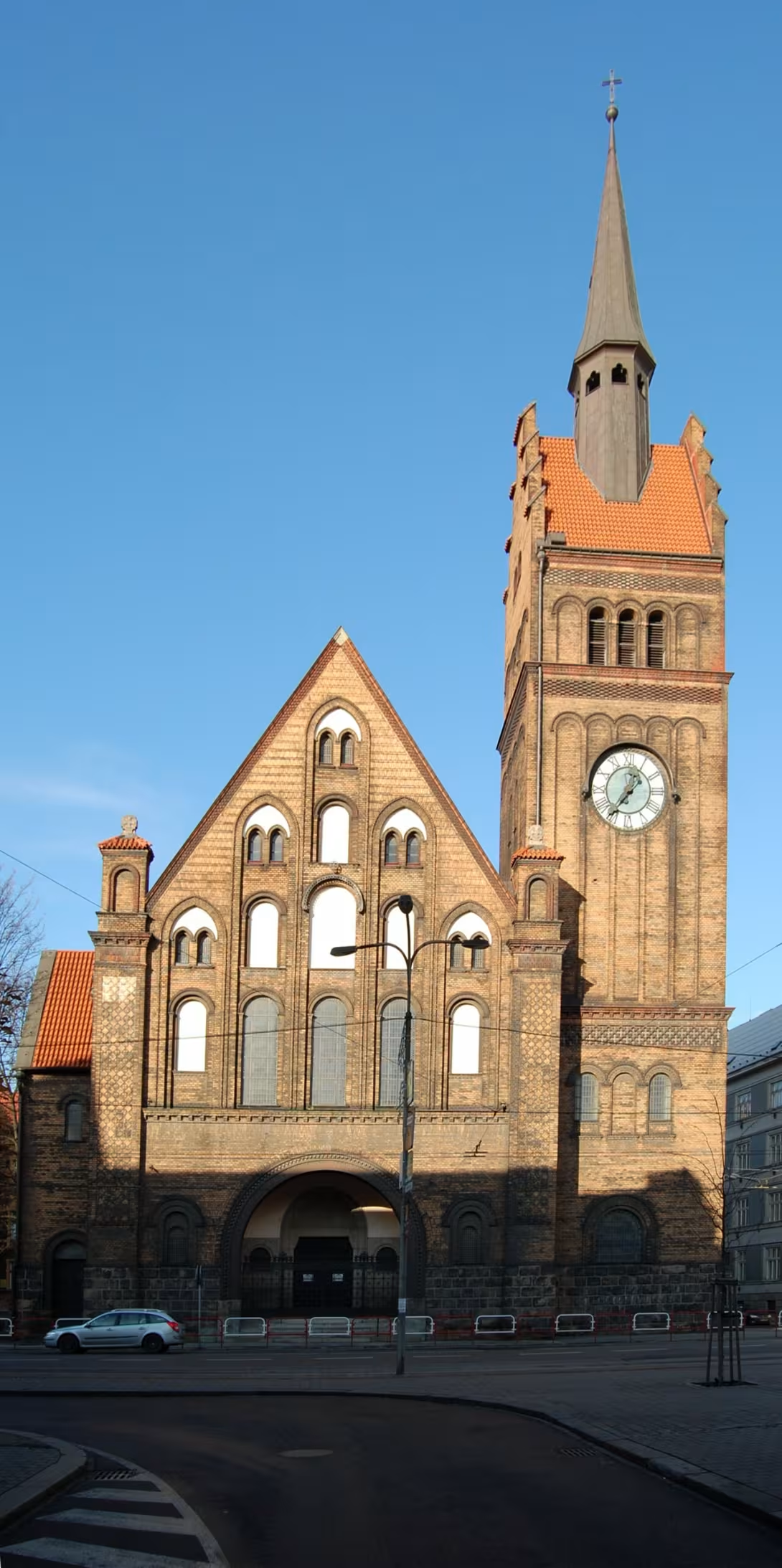

The historical appearance on the left is an AI-generated visualisation and serves as inspiration only.
Historical milestones
- 1904
- An architectural competition was held for the new church design.
- 1907
- The church was consecrated on November 1st.
Architectural development
The church was built in a historical style combining Romanesque and Gothic elements. It features red brickwork with decorative elements, and its asymmetrical tower is a prominent feature. The structure faced initial challenges due to unstable ground, which required reinforcement with wooden piles.
Historical events
1904: An architectural competition for a new church design was held, with over 100 submissions.
1907: The church was consecrated on November 1st after two years of construction.
Owners
Initially owned by the Evangelical Church, after World War I it became part of the German Evangelical Church in Czechoslovakia. Post-World War II, it was confiscated and later transferred to the Czech Brethren Church and Silesian Evangelical Church of Augsburg Confession in 2009.
Points of interest
- Despite receiving only second prize in the architectural competition for its design, Evangelický Kristův kostel was ultimately selected as the winning project by Vienna-based architects Karl Toller and Ludwig Föigl. This decision underscores an intriguing aspect of early 20th-century architectural competitions where aesthetic vision sometimes outweighed ranking.
- The construction of Evangelický Kristův kostel faced significant challenges due to unstable ground, necessitating the use of wooden piles for reinforcement. Remarkably, despite these initial hurdles, the building was completed ahead of schedule in just two years, highlighting the efficiency and determination of its builders.
- A unique feature of the church's architecture is its asymmetrical tower crowned with a polygonal helm and an oplechovaná střecha (tile roof), which stands at 60 meters high. The inclusion of a porcelánový ciferník (porcelain clock face) adds to the tower’s distinctiveness, blending practicality with artistic design.
- After World War II, Evangelický Kristův kostel was confiscated by Czechoslovak authorities and later transferred to different religious bodies over time. This transfer of ownership in 2009 to the Czech Brethren Church and Silesian Evangelical Church of Augsburg Confession illustrates the complex relationship between religion and politics in post-war Europe.
- The church’s façade is adorned with a kovaná mříž (wrought iron grille) featuring dubových listů (oak leaf motifs), which adds an artistic touch to its Romanesque and Gothic architectural style. This decorative element reflects the cultural influences of the time, merging traditional craftsmanship with modern design sensibilities.
Guide
This guide is narrated by a synthetic voice generated by artificial intelligence.
Show guide text
This text was created by artificial intelligence and has not been editorially reviewed. It may contain inaccuracies.
Welcome to the historic site of Evangelický Kristův kostel, or as it is affectionately known, the Red Church, in Moravská Ostrava. As you stand before this remarkable structure, take a moment to soak in its vibrant red brickwork that catches the eye and invites curiosity. The church's unique asymmetrical tower reaches skyward, adorned with a distinctive polygonal helm and a porcelain clock face—a sight to behold.
The story of this iconic building begins in 1904 when an architectural competition was launched to design a new church for Ostrava. Despite being awarded only second place, the vision crafted by Vienna-based architects Karl Toller and Ludwig Föigl won out as the chosen project. This decision highlights an intriguing chapter in early 20th-century architecture where bold ideas can defy conventional expectations.
As you explore this site, notice how the church's design harmoniously blends Romanesque and Gothic elements, creating a historical style that speaks to its era. The asymmetrical tower with its polygonal helm is not just an architectural feat but also a testament to the creative spirit of its designers. The red brickwork provides a striking contrast against the decorative details, making it both eye-catching and memorable.
While specific historical figures connected to this church remain largely unknown, the building itself stands as a silent witness to the cultural and religious history of Moravská Ostrava. Its consecration on November 1st, 1907, marked not just the completion of an architectural project but also the beginning of its role in the community.
One fascinating aspect of this church is how it defied expectations by being selected as the winning design despite receiving second prize in the competition. This choice underscores a period when innovation and vision could triumph over traditional accolades—a narrative that adds depth to your visit.
As you continue to explore, let yourself be drawn into the atmosphere surrounding Evangelický Kristův kostel. Each detail tells a story of its time, inviting reflection on the past while standing proudly in the present.
We invite you to delve deeper into this site's history and architecture. Take your time to appreciate every angle, and perhaps discover a personal connection with this remarkable monument. Thank you for joining us at Evangelický Kristův kostel. We hope your visit has been as enriching as it is inspiring.
Tips for visitors
The best time to visit Evangelický Kristův kostel, also known as the Red Church, is during late spring or early fall when the weather is pleasant for walking around Ostrava's urban landscape. These seasons offer comfortable temperatures and fewer crowds, allowing you to fully appreciate the church’s architectural beauty without the hustle of peak tourist times. Additionally, visiting on a weekday can provide a more serene experience compared to weekends.
Parking near the Red Church can be challenging due to its central location in Ostrava. However, there are several parking facilities within walking distance that you might consider. Public transportation is highly recommended; it's convenient and efficient for reaching the church. You can use trams or buses from various parts of the city. To ensure a smooth journey, check current routes and schedules on local transit websites or apps before your visit.
When visiting the Red Church, it’s advisable to bring comfortable walking shoes as you might explore not only the church but also its surrounding urban area. A camera is essential for capturing the stunning architecture of the church, especially if you plan to take photos during the golden hour when natural light enhances the building's colors and details. Additionally, carrying a small umbrella or raincoat can be helpful in case of unexpected weather changes.
The Red Church offers excellent spots for photography, particularly its western facade which is illuminated beautifully by the setting sun. The interior also provides unique opportunities to capture the intricate designs inspired by Romanesque and Gothic styles. For families with children, consider visiting during a guided tour if available, as it can be both educational and engaging for kids. Exploring nearby parks or playgrounds after your visit could provide a fun activity for younger visitors.
Within 30 minutes of the Red Church, you can explore several interesting sites in Ostrava. The Ostrava Castle offers historical insights and panoramic views of the city. Additionally, the Vítkovice Industrial Heritage Site is an intriguing place to learn about the industrial history of the region. These nearby attractions provide a well-rounded cultural experience complementing your visit to the Red Church.
Frequently asked questions
Can the monument be visited?
Yes. We verified the opening hours or admission on the official website (3. 10. 2026); you will find them in the visitor information on this page. Please double-check with the operator before you travel.
What are the opening hours and admission?
Details verified on the official website (3. 10. 2026) are listed in the visitor information on this page. Official website: http://ostrava.evangnet.cz/
Where is the monument?
Location: Husovo náměstí, Moravská Ostrava, Ostrava, Moravskoslezský kraj. The map on this page shows the exact spot.
Why is the monument protected?
It is listed in the Central List of Cultural Monuments of the Czech Republic as a cultural monument (register no. 17232/8-2444).
Businesses nearby
Do you run a restaurant, accommodation, shop, museum, rental, wellness or other visitor service near this monument? Show yourself directly to the people heading to it — this is how they will see you in the app and on the web:
Events nearby
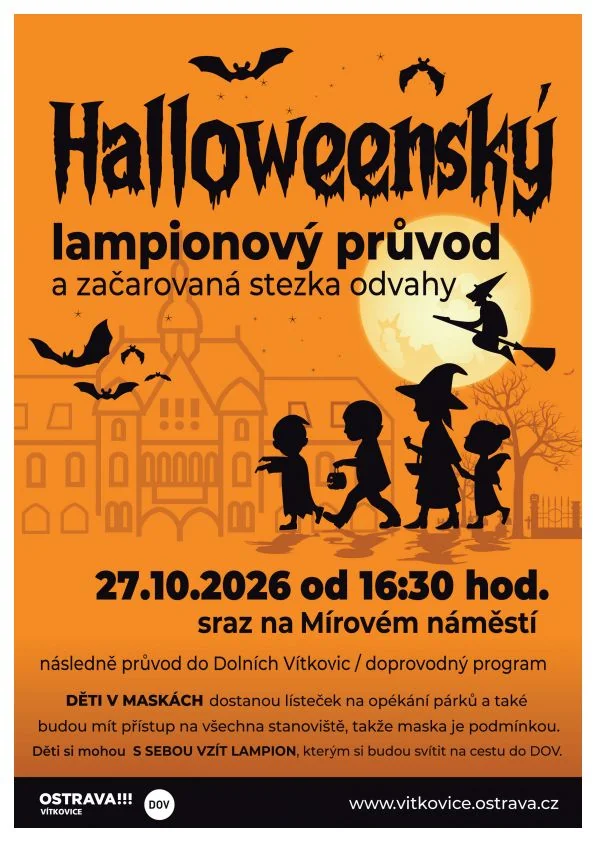
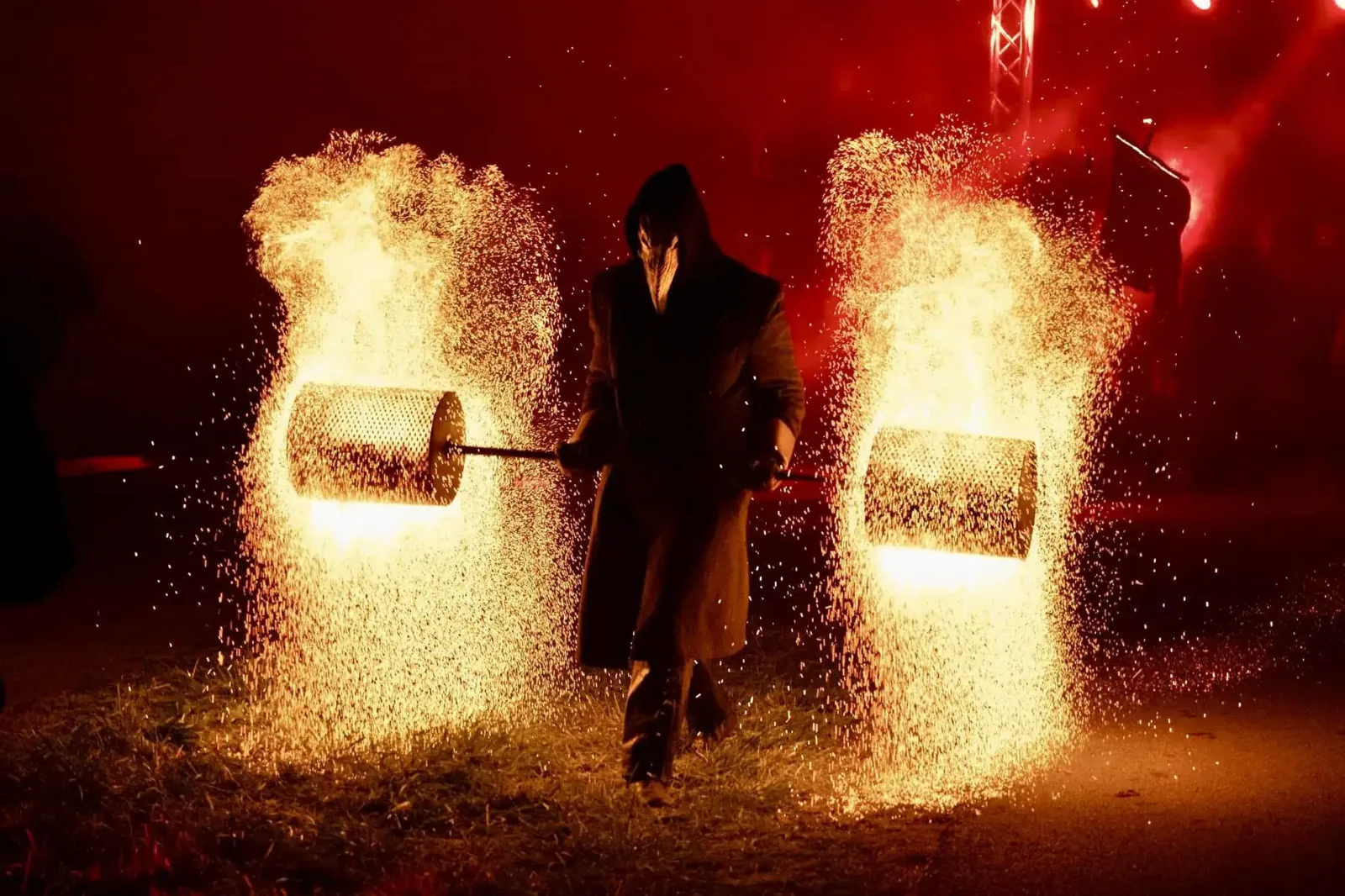
Zdroj akcí: otevřená data měst a obcí ČR (Národní katalog otevřených dat) a kalendář akcí Národního památkového ústavu.
Nearby
Located in Ostrava, the church is surrounded by urban development. It stands as a prominent historical and architectural landmark within the city.
Accommodation nearby
Themed route
Thematic Walking Tour: Kristův kostel and Its Surroundings
1. Kristův Kostel (Church) - Type: Historical Landmark - Why Visit: Located in the heart of Moravská Ostrava, Kristův kostel is a prominent historical and architectural landmark. Visitors are drawn to its stunning Baroque architecture and rich history that reflects the cultural heritage of the region.
2. Church Square (Náměstí před Kristovým Kostelem) - Type: Urban Plaza - Why Visit: Situated directly in front of Kristův kostel, this urban square offers a peaceful respite from city life. It's an ideal spot to appreciate the church’s architecture and enjoy the surrounding greenery that enhances its historical ambiance.
3. Nearby Residential Streets - Type: Urban Development - Why Visit: The streets encircling Kristův kostel showcase typical urban development in Moravská Ostrava. Walking through these areas provides insight into local life and the integration of historical sites within modern cityscapes.
4. Local Shops and Cafés - Type: Commercial Area - Why Visit: Just a short walk from Kristův kostel, this area offers visitors an opportunity to experience local commerce and hospitality. It's perfect for grabbing a coffee or a snack while reflecting on the historical journey through Moravská Ostrava.
This tour provides a comprehensive exploration of Kristův kostel and its immediate urban environment, offering both cultural enrichment and a glimpse into everyday life in Moravská Ostrava.
Seasonal recommendations
Spring: Visiting Kristián Church during spring offers a unique experience as the surrounding landscape of Moravská Ostrava begins to bloom with fresh greenery and vibrant flowers, creating an enchanting atmosphere that complements the historical architecture. The soft natural light enhances the intricate details of the church's design, making it an ideal time for photography enthusiasts. Visitors should be prepared for occasional showers, so wearing a waterproof jacket is advisable. This season typically sees moderate crowds, allowing for a more relaxed exploration. Arriving in the morning can help avoid any unexpected rain and ensure you have ample time to enjoy both the interior and exterior of this historic site.
Summer: The summer months bring long daylight hours that illuminate Kristián Church with warm, golden light, accentuating its architectural beauty and creating an inviting atmosphere for visitors. This is the peak tourist season, so expect larger crowds, especially during weekends and holidays. To make the most of your visit, consider arriving early in the morning to avoid the heat and congestion. Dressing comfortably in lightweight clothing is recommended due to the warm weather. Summer also offers various outdoor activities around Moravská Ostrava, making it a perfect time for those looking to combine their church visit with exploring the region’s natural beauty.
Autumn: Autumn transforms Kristián Church into a picturesque site as the surrounding foliage changes into rich shades of red, orange, and yellow. The cooler temperatures make for comfortable exploration, both inside the church and in its serene gardens. This season is ideal for those who appreciate photography, as the soft autumn light provides excellent conditions for capturing the church's historic details against a stunning natural backdrop. While crowds are generally lighter than in summer, it’s still wise to visit on weekdays if possible. Layered clothing will help you stay comfortable as temperatures can vary throughout the day.
Winter: Visiting Kristián Church in winter offers a serene and almost magical experience, with snow often blanketing the landscape of Moravská Ostrava, creating a tranquil atmosphere that contrasts beautifully with the church's historic architecture. The shorter days mean less natural light, so plan to visit during daylight hours for the best illumination inside the church. Winter is typically the quietest season for tourists, allowing for a more intimate experience. Dress warmly in layers and consider bringing gloves and a hat, as temperatures can be quite low. Be aware that opening times may vary due to shorter days, so check ahead of your visit.
Visualizations and artistic views


The visualisations are generated by artificial intelligence and serve as inspiration.
Photos from the area
Real photos taken near the monument

Zdroj a licence jsou uvedeny u každého snímku.
Atmosphere of the place
This atmospheric visualisation of the place and period was generated by artificial intelligence. It is not real footage of the location.
Tips from visitors
No tips yet. Be the first!
Log in and add your tip.
Sources and literature
Photos: Sveter / CC BY-SA 3.0 — Wikimedia Commons. The author and licence also appear when you hover over the image.
Faktickým podkladem tohoto textu byl článek na Wikipedii, jehož autory jsou přispěvatelé Wikipedie. Článek je dostupný pod licencí CC BY-SA 4.0.
Location on the map
More monuments – Moravská Ostrava
Show all in the municipality


Příběhy a pověsti
Legendy, pověsti a příběhy spjaté s touto památkou
Fotografie návštěvníků
Zatím žádné fotografie. Buďte první, kdo přidá fotografii z návštěvy!
Log in a přidejte svou fotografii nebo hodnoťte.
Za ověřenou návštěvu v aplikaci získáte víc bodů — poznáme podle GPS, že jste na místě.
Reviews and comments