






lázeňský dům čp. 58 v Kuksu Building
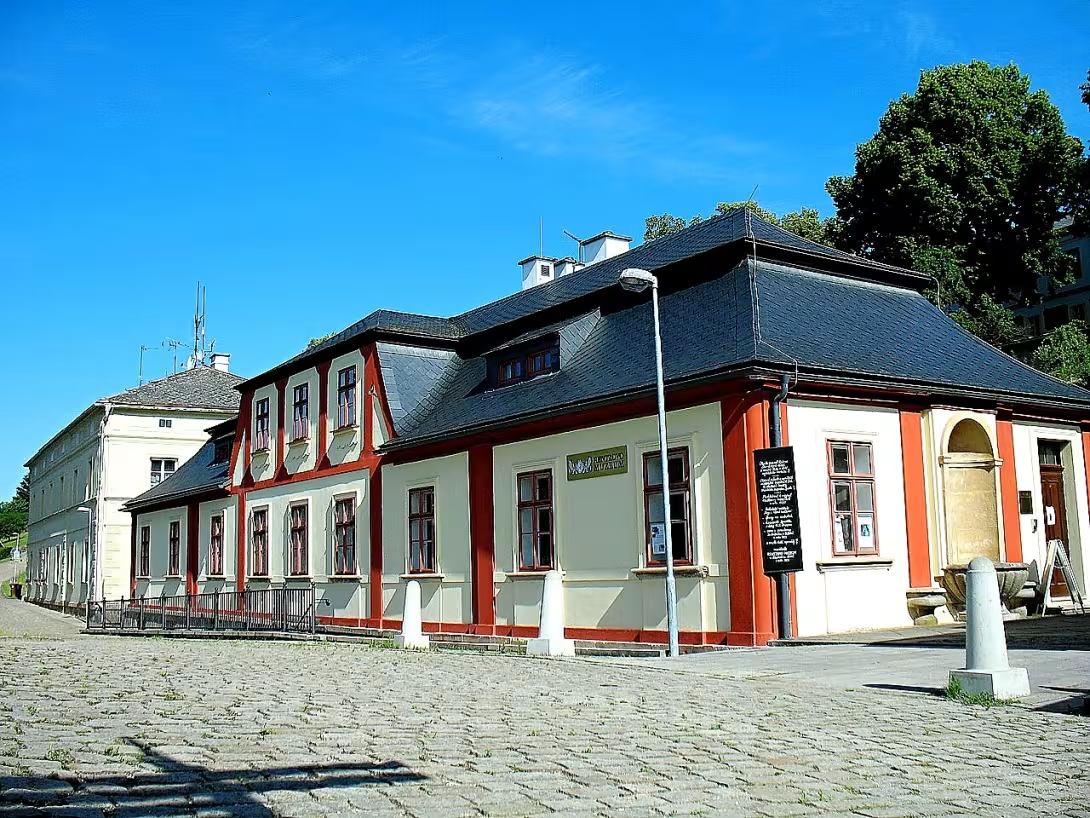
Lázeňský dům čp. 58 in Kuks is a baroque building constructed between 1707 and 1708 as part of the spa complex founded by Count František Antonín Špork. Situated on the Elbe River's left bank, this historical monument served as one of the new spa facilities leading to the baths and Špork's castle. Today, it houses Rentzovo muzeum, dedicated to Michael Heinrich Rentz, a notable German graphic artist and engraver who worked at Kuks starting in 1722.
The origins of Lázeňský dům čp. 58 date back to the early 18th century when Count František Antonín Špork began constructing his renowned spa complex in Kuks. The building was part of a larger vision to create one of Europe's most celebrated spas, known for its luxury and cultural vibrancy during that period. After Count Špork's death in 1738, the spa facilities experienced a decline, marking a significant shift in their fortunes.
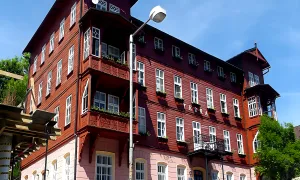
Architecturally, Lázeňský dům čp. 58 exemplifies baroque design with its oblong ground floor and mansard roof. Constructed with attention to symmetry and detail, it features nine window axes on the southern façade and reconstructed dormer windows above the main entrance. After partial demolition in 1988, it lay largely in ruins until restoration efforts began in 2012. These efforts culminated in a faithful reconstruction of its original color scheme—white with red decorative elements—and the establishment of Rentzovo muzeum within its walls.
Ownership and administration details post-Špork's death are not specified, but the building's historical significance is clear from its association with Špork's ambitious spa project. The decline following his death marked a period of neglect until recent revitalization efforts brought new life to this historic site.
Key events in the history of Lázeňský dům čp. 58 include its initial construction as part of the Kuks spa complex and its eventual transformation into Rentzovo muzeum, completed in 2014. This museum showcases the works of Michael Heinrich Rentz, who contributed significantly to the cultural heritage of Kuks through his graphic artistry.
Today, Lázeňský dům čp. 58 stands as a testament to both its baroque origins and modern restoration efforts. Visitors can explore Rentzovo muzeum, which offers insights into the artistic contributions of Michael Heinrich Rentz and other notable figures associated with Kuks. The building's location near the Elbe River adds to its appeal, making it an integral part of the cultural heritage reserve of Kuks.
Lázeňský dům čp. 58 is not only a remarkable piece of architectural history but also a vibrant cultural site that continues to attract visitors interested in art and history. Its transformation from a neglected ruin into a museum highlights the enduring legacy of Count Špork's vision for Kuks, inviting modern audiences to appreciate its historical and artistic significance.
Then and now
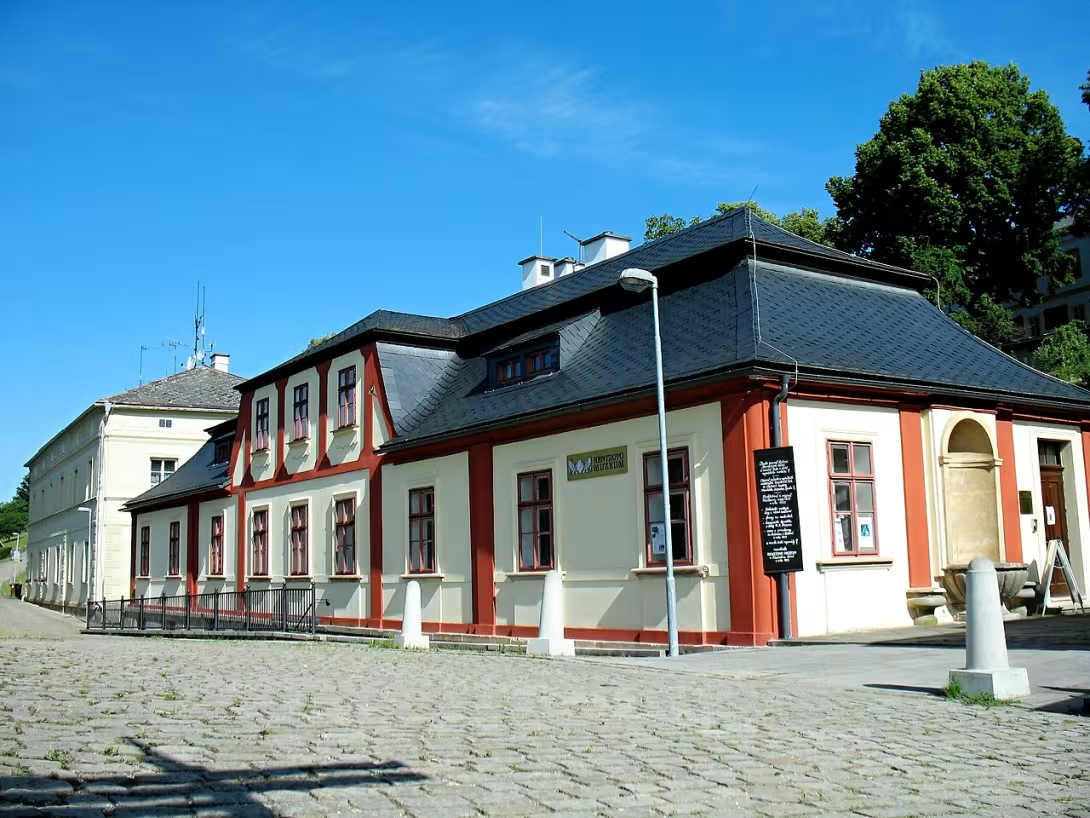
Drag the slider to compare how the landmark may have looked when it was built with the view today.
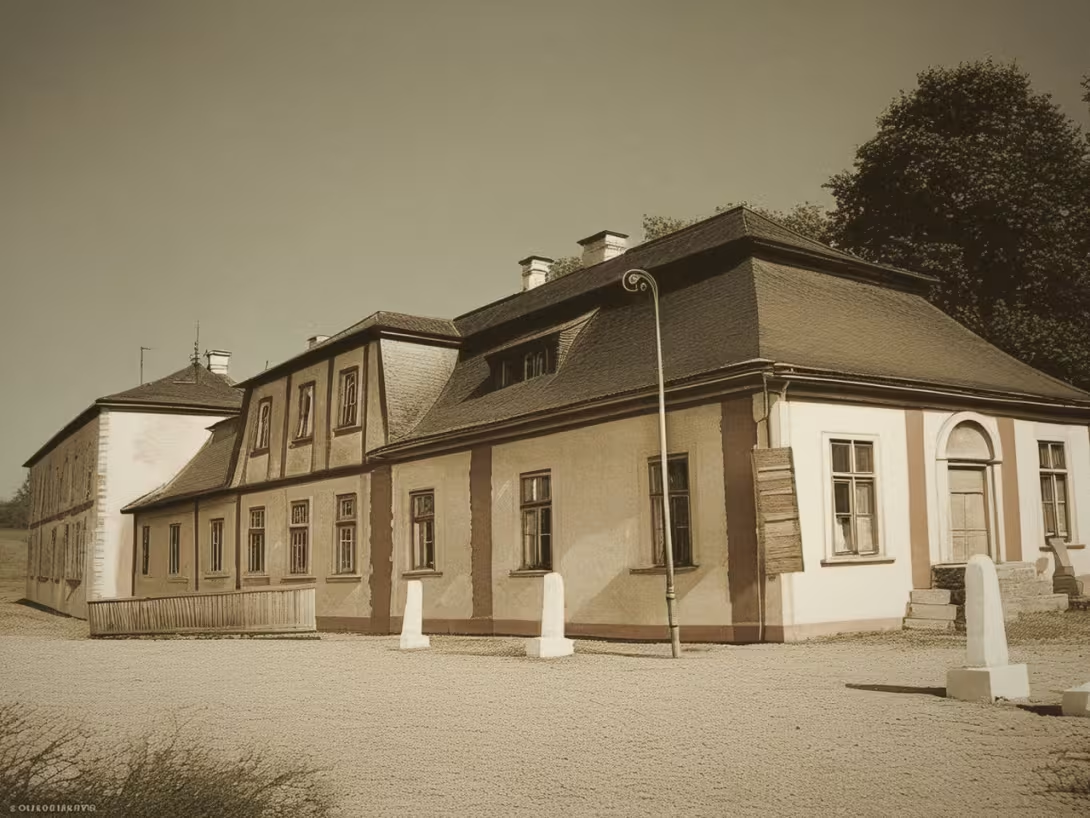
The historical appearance on the left is an AI-generated visualisation and serves as inspiration only.
Historical milestones
- 1707
- Construction of Lázeňský dům čp. 58 began.
- 2014
- Completion of Rentzovo muzeum within the redeveloped building.
Architectural development
Originally built in the early 18th century as a baroque structure, Lázeňský dům čp. 58 underwent partial demolition in 1988 and was largely ruined until its restoration began in 2012. The redeveloped building now features a reconstructed façade with original color schemes and houses Rentzovo muzeum.
Historical events
1692: Construction of Kuks spas began under Count František Antonín Špork.
1707-1708: Lázeňský dům čp. 58 was constructed as part of the spa complex.
1738: Decline of the spa facilities following the death of Count Špork.
2014: Completion of Rentzovo muzeum within the redeveloped building.
Owners
Initially owned by Count František Antonín Špork, who founded the spa complex. Ownership details post-Špork's death are not specified in the source.
Points of interest
– The Lázeňský dům čp. 58 was part of Count František Antonín Špork's ambitious plan to create one of Europe’s most luxurious spas in the early 18th century, reflecting his vision for a cultural and social hub.
– After its partial demolition in 1988, Lázeňský dům čp. 58 lay largely abandoned until restoration efforts began in 2012, highlighting the challenges of preserving historic architecture over centuries.
– The museum within Lázeňský dům čp. 58, known as Rentzovo muzeum, is dedicated to Michael Heinrich Rentz, showcasing his significant contributions to graphic art and engraving during his time in Kuks starting from 1722.
– Despite its decline after Count Špork's death in 1738, the building’s transformation into a museum underscores the enduring legacy of Špork’s vision for Kuks, emphasizing cultural revival through modern restoration efforts.
– The baroque design of Lázeňský dům čp. 58 is characterized by its symmetrical architecture and detailed features such as reconstructed dormer windows, reflecting the architectural trends of its time and adding to its historical allure.
Guide
This guide is narrated by a synthetic voice generated by artificial intelligence.
Show guide text
This text was created by artificial intelligence and has not been editorially reviewed. It may contain inaccuracies.
Welcome to the historic site of Lázeňský dům čp. 58 in Kuks, a remarkable testament to baroque architecture and cultural ambition. As you stand here on the picturesque left bank of the Elbe River, take a moment to absorb the grandeur of this building that has withstood the test of time.
The story of Lázeňský dům čp. 58 begins in the early 18th century when Count František Antonín Špork envisioned transforming Kuks into one of Europe's most opulent spa destinations. Between 1707 and 1708, this building was constructed as an integral part of his ambitious plan to create a cultural and social hub. It served not only as a luxurious facility for relaxation but also connected visitors to the baths and Špork’s castle.
As you look at Lázeňský dům čp. 58 today, notice its baroque style that reflects the architectural trends of its time. The building's structure speaks volumes about the era in which it was built, with an emphasis on symmetry and grandeur that was typical of baroque design.
František Antonín Špork is a key figure associated with this place. His vision for Kuks as a cultural center was both bold and ahead of its time. After his death in 1738, the site experienced periods of decline but has been revived through restoration efforts completed in 2014, including the establishment of Rentzovo muzeum within the building.
One intriguing aspect of Lázeňský dům čp. 58 is its journey through history—from a centerpiece of an elite spa complex to partial demolition in 1988 and subsequent abandonment until restoration efforts breathed new life into it. This narrative underscores both the resilience and the cultural significance of this historic site.
As you continue your exploration, allow yourself to be drawn deeper into the history and beauty surrounding Lázeňský dům čp. 58. We invite you to delve further into Kuks and discover more about its rich past. Thank you for joining us on this journey through time; we hope it has been both enlightening and inspiring.
Tips for visitors
The best time to visit Lázeňský dům čp. 58 is during the late spring or early autumn months, when the weather is mild and pleasant for exploring both the interior of this baroque masterpiece and its surrounding natural beauty along the Elbe River. These seasons also offer vibrant foliage in the nearby areas, enhancing your photographic opportunities.
Parking and transportation options are available to ensure a convenient visit. The area can be accessed by car or public transport; however, it's advisable to check current routes and availability via an online search prior to your trip. Public transport may provide direct access to Kuks, making it a hassle-free option for those looking to avoid driving.
When planning your visit, consider bringing comfortable walking shoes and weather-appropriate clothing, especially if you plan to explore the surrounding areas of the cultural heritage reserve. A camera is recommended to capture the stunning architecture of Lázeňský dům čp. 58 and its picturesque setting by the Elbe River.
For photography enthusiasts, the best spots include the front facade of the building with the river as a backdrop, offering a classic baroque composition. Early morning or late afternoon light can provide soft illumination for capturing the intricate details of the architecture. Additionally, exploring the surrounding natural landscape can yield beautiful landscape shots.
Nearby attractions within a 30-minute drive include other historical buildings and natural features that are part of the Kuks cultural heritage reserve. These sites offer further insight into the area's rich history and provide additional opportunities for exploration and photography.
Businesses nearby
Do you run a restaurant, accommodation, shop, museum, rental, wellness or other visitor service near this monument? Show yourself directly to the people heading to it — this is how they will see you in the app and on the web:
Events nearby
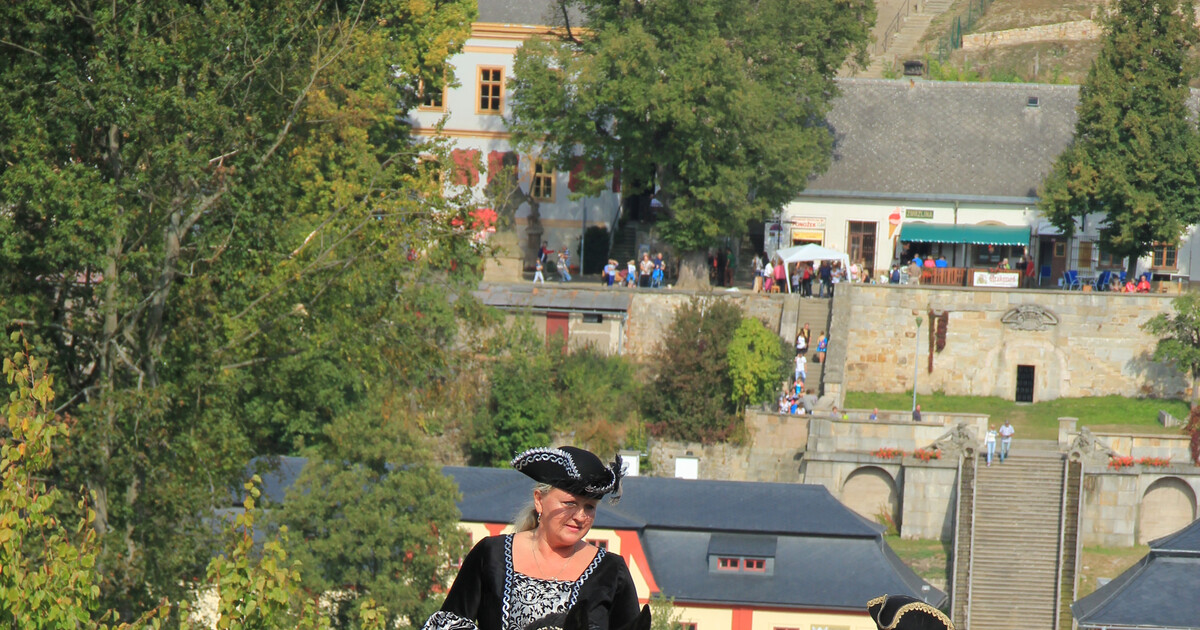
Zdroj akcí: otevřená data měst a obcí ČR (Národní katalog otevřených dat) a kalendář akcí Národního památkového ústavu.
Nearby
Located near the Elbe River, Lázeňský dům čp. 58 is part of the cultural heritage reserve of Kuks, which includes other historical buildings and natural features.
Accommodation nearby
Themed route
Thematic Walking Tour of Kuks
1. Lázeňský dům čp. 58 - *Type:* Historical Building - *Why Visit:* This elegant baroque-style building served as a spa house in the 18th century and is now part of the cultural heritage reserve of Kuks. Its architecture and historical significance make it a must-see for those interested in European spa culture and history.
2. Kuks Monastery - *Type:* Historic Monastery - *Why Visit:* Located just a short walk from Lázeňský dům, the Kuks Monastery is renowned for its unique blend of baroque architecture and picturesque gardens. The monastery's church and cloister offer insight into monastic life in the 18th century.
3. Kuks Gardens - *Type:* Historic Garden - *Why Visit:* Adjacent to the monastery, these beautifully preserved gardens showcase a variety of landscape designs from different periods. They provide a serene environment for visitors to explore and appreciate the natural beauty intertwined with historical elements.
4. Kuks Waterworks - *Type:* Historical Engineering Site - *Why Visit:* A short walk from the gardens, this site features an impressive water management system designed in the 18th century. It highlights the innovative engineering techniques of the era and offers a glimpse into how water was historically harnessed for both practical and aesthetic purposes.
5. Kuks Chapel - *Type:* Historic Chapel - *Why Visit:* Situated near the gardens, this chapel is an example of baroque religious architecture. Its serene atmosphere and detailed interior make it a peaceful spot to reflect on the cultural heritage of Kuks.
This tour offers a comprehensive exploration of the historical and architectural treasures within the Kuks reserve, providing insight into its rich past and natural beauty.
Seasonal recommendations
Spring: The arrival of spring at the Kuks spa house, čp. 58, brings a refreshing transformation as nature awakens. The surrounding gardens are adorned with blooming flowers and lush greenery, creating an idyllic setting for visitors to explore. This season offers gentle weather, making it perfect for leisurely walks around the historic site. While the natural light is soft and inviting, you might encounter occasional rain showers, so carrying a waterproof jacket could be beneficial. Spring is also a time when visitor numbers start to increase as people seek out outdoor activities after winter, so arriving early in the day can help avoid larger crowds.
Summer: Summer at Kuks is characterized by vibrant sunshine and warm temperatures, ideal for enjoying the lush landscapes surrounding the spa house. The long daylight hours provide ample opportunity to explore both the interiors of the historic building and its beautiful gardens. During this peak tourist season, it's advisable to visit early in the morning or later in the afternoon to avoid crowds. Comfortable walking shoes and light clothing are recommended due to the heat, along with plenty of water to stay hydrated. The summer atmosphere is lively, making it a perfect time for families and groups seeking an engaging outdoor experience.
Autumn: Autumn at Kuks offers a serene and picturesque setting as the leaves change colors, creating a stunning backdrop for visitors exploring the spa house. The cooler temperatures make it comfortable to wander through the grounds and admire the fall foliage. This season is less crowded than summer, providing a more peaceful visit while still enjoying pleasant weather. Layered clothing is advisable due to fluctuating temperatures throughout the day. Autumn's golden hues enhance the historical charm of the site, making it an ideal time for photography enthusiasts and those seeking tranquility.
Winter: Winter transforms Kuks into a quiet retreat with its historic spa house standing out against a backdrop of snow-covered landscapes. The cooler weather can bring shorter days and potential closures due to adverse conditions, so checking opening times in advance is recommended. Wearing warm clothing, including hats and gloves, is essential for comfort during your visit. While the site may be less crowded, some areas might not be accessible if heavy snowfall occurs. Winter offers a unique atmosphere of calm and reflection, perfect for those who appreciate the serene beauty of Kuks under a blanket of snow.
Visualizations and artistic views


The visualisations are generated by artificial intelligence and serve as inspiration.
Photos from the area
Real photos taken near the monument


Zdroj a licence jsou uvedeny u každého snímku.
Tips from visitors
No tips yet. Be the first!
Log in and add your tip.
Sources and literature
Fotografie: Marie Čcheidzeová / CC BY-SA 4.0 — Wikimedia Commons. The author and licence also appear when you hover over the image.
Faktickým podkladem tohoto textu byl článek na Wikipedii, jehož autory jsou přispěvatelé Wikipedie. Článek je dostupný pod licencí CC BY-SA 4.0.
Location on the map

Příběhy a pověsti
Legendy, pověsti a příběhy spjaté s touto památkou

Fotografie návštěvníků
Zatím žádné fotografie. Buďte první, kdo přidá fotografii z návštěvy!
Přihlaste se a přidejte svou fotografii nebo hodnoťte.
Za ověřenou návštěvu v aplikaci získáte víc bodů — poznáme podle GPS, že jste na místě.
Reviews and comments