



Lednice Water structure
The Lednice Ice House, near Krňovice in the Czech Republic, is a historic structure from the late 18th century. It served as an ice storage facility for supplies harvested from the nearby Orlice River during winter months. The building was crucial to a nearby inn's operations and has been recognized for its cultural significance since being declared a national monument in 2003. Today, it is part of the Podorlický Skanzen open-air museum.
Constructed as a single-story masonry building with lime-plastered walls devoid of windows, the Lednice Ice House features a rectangular plan and a gabled roof covered with shingles. Its distinctive entrance portal is divided into three sections, leading to two vaulted rooms at varying levels below ground, built using quarry stone. This design reflects its purpose as an efficient ice storage facility.
The ice house was declared a cultural heritage site by the Ministry of Culture of the Czech Republic in 2003, highlighting its historical and cultural importance. Restoration work completed in 2005 with regional support ensured its preservation for future generations. This monument stands as a testament to past practices in ice storage and reflects broader Enlightenment-era developments across Europe.
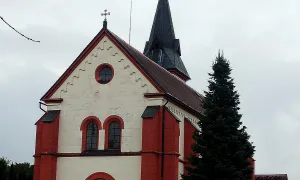
Located near Krňovice village, the Lednice Ice House is close to a church dedicated to the Assumption of the Virgin Mary and features natural landscapes including the Orlice River. Its proximity underscores its historical role in utilizing local resources during the late 18th century when Bohemia was part of the Habsburg Monarchy.
Today, the Lednice Ice House is accessible as part of the Podorlický Skanzen open-air museum, showcasing historical structures and landscapes. Visitors can explore this unique site to gain insight into past ice storage practices. Its well-preserved architecture and historical significance make it a worthwhile destination for those interested in cultural heritage and history.
The Lednice Ice House offers a fascinating glimpse into the practical innovations of the past, making it an enriching experience for visitors. Its preservation as part of a museum ensures that this remarkable piece of history remains accessible to all who wish to explore its unique story.
Then and now
Drag the slider to compare how the landmark may have looked when it was built with the view today.
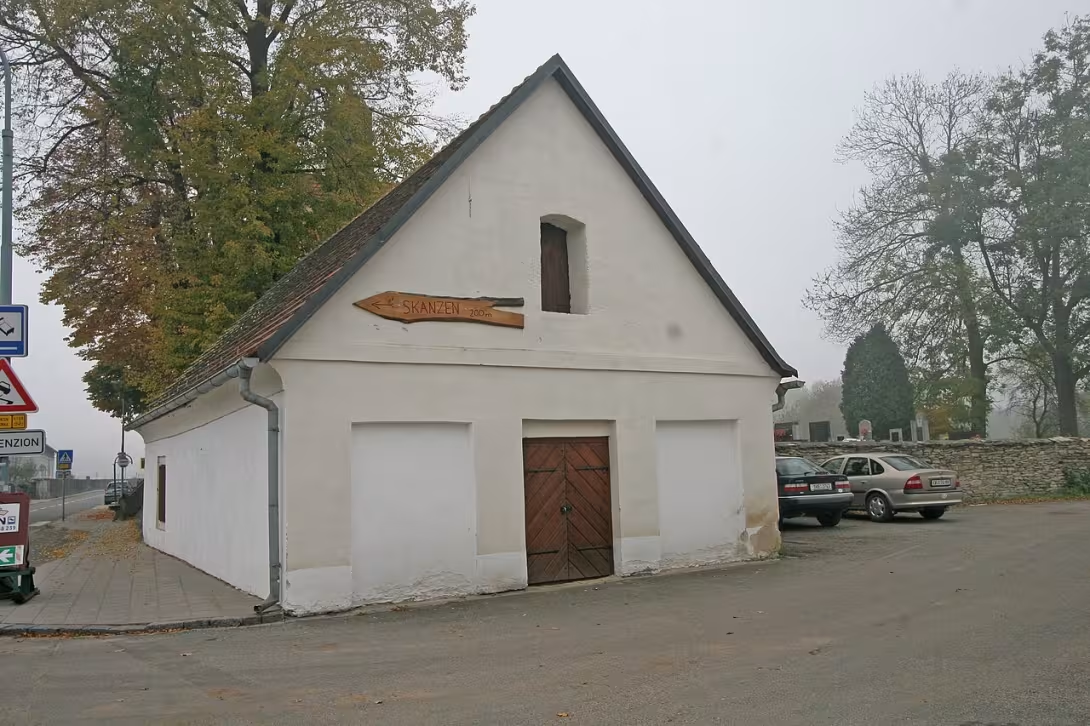
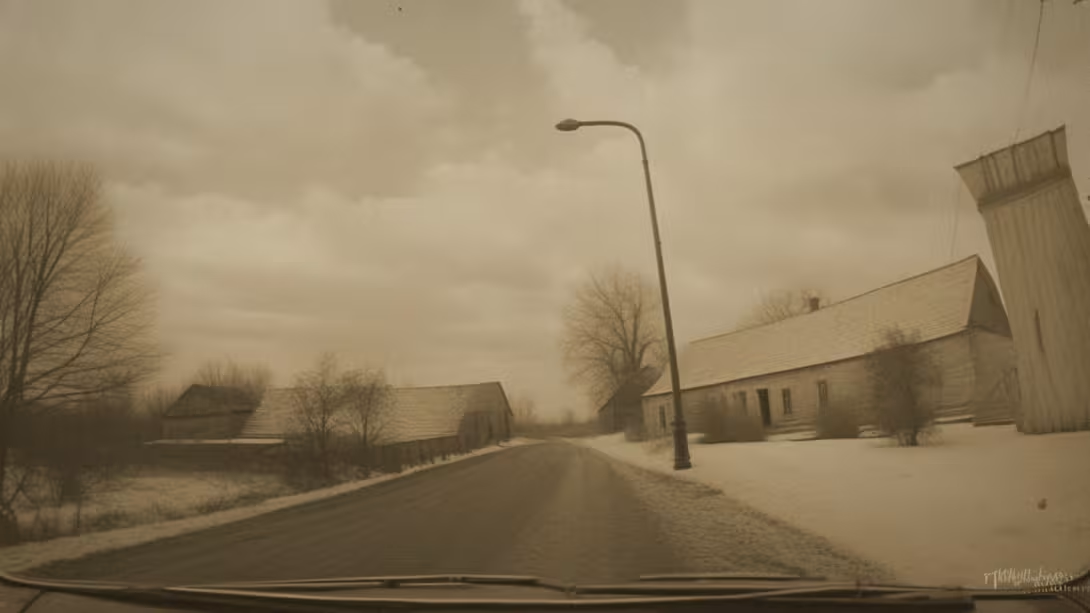
The historical appearance on the left is an AI-generated visualisation and serves as inspiration only.
Historical milestones
- konec 18. století
- Výstavba Lednického ledu jako skladiště ledu.
- 2003
- Declarace Lednického ledu kulturním památkou.
- 2005
- Dokončení rekonstrukce s regionální podporou.
Architectural development
Constructed as a single-story masonry building, the Lednice ice house features a rectangular plan with lime plastered walls devoid of windows. Its gabled roof is covered with shingles, and it has a distinctive entrance portal divided into three sections. The interior consists of two vaulted rooms at varying levels below ground, built using quarry stone.
Historical events
In 2003, the ice house was declared a cultural heritage site by the Ministry of Culture of the Czech Republic.
The structure underwent restoration in 2005 with support from the Hradec Králové Regional Authority and the city of Třebechovice pod Orebem.
Guide
This guide is narrated by a synthetic voice generated by artificial intelligence.
Show guide text
This text was created by artificial intelligence and has not been editorially reviewed. It may contain inaccuracies.
In Krňovice near Hradec Králové, not far from the Church of the Assumption of the Virgin Mary, there stands an inconspicuous building that once served an important purpose. It is an ice house, sometimes also called an ice storage. It was likely built towards the end of the eighteenth century.
It served to store ice for the entire year for a nearby pub, which today bears the name Hostinec U skanzenu. In winter, ice was hauled into it from the nearby Orlice River. This ice would then last even through the warm months, when it was necessary to cool food and beverages.
The ice house is a single-storey brick building with a rectangular ground plan. It has lime renders and a pitched roof covered with roof tiles. The entrance gabled façade is divided by three rectangular recessed fields, and in the middle is a rectangular entrance. In the gable above it is a small window into the loft. The rear gable is of brick and rendered, partially built also from flat brick tiles. Facing the street, the building has a single window opening with a stone frame. The masonry is made of quarried limestone marl.
Inside there are two rooms of unequal size, both vaulted with a barrel vault. Their floors lie below the level of the surrounding terrain. This very feature helped maintain cold inside and prevented the ice from melting so quickly.
In two thousand three, the ice house was declared a cultural monument. Two years later it was renovated with support from the Králové Hradec Region and the city of Třebechovice pod Orebem. Since two thousand fifteen, it has been part of Podorlický skanzen.
Tips for visitors
The best time to visit the Lednice ice house is during late spring or early autumn when the weather is mild, making it comfortable for exploring both the historical structure and its natural surroundings. This period also offers pleasant lighting conditions for photography, capturing the serene beauty of the area without the crowds typical of peak tourist seasons.
The ice house's proximity to Hradec Králové makes it accessible for a day trip.
When visiting, bring comfortable walking shoes and weather-appropriate clothing as you'll be exploring both indoors and outdoors. A camera is recommended to capture the unique architecture of the ice house and the picturesque landscapes around the Orlice River. Don't forget water and snacks if you plan on spending several hours in the area.
For photography enthusiasts, early morning or late afternoon offers the best natural light for capturing stunning images of the Lednice ice house and its surroundings. The play of light through the structure's windows can create dramatic effects, especially during golden hour. Additionally, the Orlice River provides a beautiful backdrop for landscape shots.
Nearby attractions within 30 minutes include the Assumption of the Virgin Mary Church in Krňovice, offering a glimpse into local religious architecture and history. The natural landscapes around the Orlice River are perfect for short hikes or leisurely walks, allowing visitors to appreciate the area's beauty beyond the ice house itself.
Families with children will find the Lednice ice house and its surroundings an educational and enjoyable experience. The nearby natural areas offer opportunities for outdoor activities, making it a great outing for all ages.
Frequently asked questions
Can the monument be visited?
This is a structure in a public space that can usually be seen from outside free of charge. We have not verified that this particular one is freely accessible.
Where is the monument?
Location: Krňovice, Královéhradecký kraj. The map on this page shows the exact spot.
Why is the monument protected?
It is listed in the Central List of Cultural Monuments of the Czech Republic as a cultural monument (register no. 1917825299).
Businesses nearby
Do you run a restaurant, accommodation, shop, museum, rental, wellness or other visitor service near this monument? Show yourself directly to the people heading to it — this is how they will see you in the app and on the web:
Nearby
Located near the village of Krňovice, the Lednice ice house is in proximity to a church dedicated to the Assumption of the Virgin Mary. The area features natural landscapes including the Orlice River, which played a crucial role in the ice harvesting process.
Accommodation nearby
Themed route
Thematic Walking Tour: The Ice House of Lednice and Surroundings
1. Lednice Ice House - Type: Historical Water Structure - Why Visit: This remarkable ice house, located near the village of Krňovice, is a testament to 18th-century engineering ingenuity used for storing ice harvested from the nearby Orlice River. Its well-preserved architecture offers insights into historical methods of food preservation and water management.
2. Church of the Assumption of the Virgin Mary - Type: Religious Building - Why Visit: Situated close to the Lednice Ice House, this church is a serene place of worship with architectural charm that reflects local religious traditions. Its proximity to the ice house provides an opportunity to explore both historical and spiritual aspects of the region.
3. Orlice River - Type: Natural Landscape - Why Visit: The Orlice River played a crucial role in the ice harvesting process historically associated with the Lednice Ice House. A walk along its banks offers picturesque views and an understanding of how natural resources were utilized ingeniously by past generations.
4. Village of Krňovice - Type: Rural Settlement - Why Visit: Explore the charming village of Krňovice, which provides a glimpse into rural life in this part of Moravia. The village's traditional architecture and peaceful atmosphere complement your visit to nearby historical sites.
5. Orlice Riverbanks Walking Trail - Type: Nature Walk - Why Visit: This trail along the Orlice River offers a tranquil setting for nature enthusiasts, with opportunities to observe local flora and fauna. It serves as an extension of the river's historical narrative by highlighting its natural beauty and ecological significance.
This tour provides a comprehensive exploration of the Lednice Ice House and its immediate surroundings, offering cultural, historical, and natural insights into this unique area.
Seasonal recommendations
Spring: The arrival of spring at Lednice (vodní dílo) and Krňovice brings a rejuvenating atmosphere, with the landscape awash in vibrant colors as wildflowers bloom along the waterways. This is an ideal time to witness nature awakening, with birdsong filling the air and lush greenery enveloping the historic gardens. Visitors can enjoy relatively mild weather, making it comfortable for leisurely strolls through the expansive grounds. To fully appreciate this season's beauty, consider wearing layers that can be adjusted as temperatures fluctuate throughout the day. While spring is generally less crowded than peak summer months, arriving early in the morning can provide a more serene experience and help avoid larger groups.
Summer: Summer at Lednice (vodní dílo) offers long days of sunshine, perfect for exploring its extensive gardens and water features. The lush greenery is at its peak, creating an idyllic backdrop for leisurely walks or picnics by the lakeside. This season also sees a higher number of visitors due to school holidays and favorable weather conditions, so planning your visit early in the morning can help avoid crowds. Wearing comfortable footwear and light clothing is advisable as temperatures rise, along with bringing sunscreen and hats to protect against the sun's rays.
Autumn: Autumn transforms Lednice (vodní dílo) into a picturesque landscape of warm hues, with leaves turning shades of gold and amber. The cooler weather makes for pleasant exploration of the grounds without the summer heat, offering an ideal setting for photography enthusiasts keen on capturing the season’s beauty. As daylight hours shorten, it's wise to plan your visit during midday when lighting is optimal for viewing the gardens' autumnal splendor. Layered clothing is recommended to accommodate fluctuating temperatures throughout the day.
Winter: Winter at Lednice (vodní dílo) presents a serene and tranquil atmosphere, with snow-covered landscapes offering a unique perspective on its historic waterworks and architecture. Wearing warm clothing, including thermal layers, gloves, and hats, will ensure comfort during your visit. While the grounds might be quieter due to the cold, this season provides a peaceful setting to appreciate the beauty of Lednice's winter wonderland.
Visualizations and artistic views


The visualisations are generated by artificial intelligence and serve as inspiration.
Photos from the area
Real photos taken near the monument

Zdroj a licence jsou uvedeny u každého snímku.
Tips from visitors
No tips yet. Be the first!
Log in and add your tip.
Sources and literature
Photos: Petr1888 / CC BY-SA 3.0 — Wikimedia Commons. The author and licence also appear when you hover over the image.
Faktickým podkladem tohoto textu byl článek na Wikipedii, jehož autory jsou přispěvatelé Wikipedie. Článek je dostupný pod licencí CC BY-SA 4.0.
Location on the map

Příběhy a pověsti
Legendy, pověsti a příběhy spjaté s touto památkou
Fotografie návštěvníků
Zatím žádné fotografie. Buďte první, kdo přidá fotografii z návštěvy!
Log in a přidejte svou fotografii nebo hodnoťte.
Za ověřenou návštěvu v aplikaci získáte víc bodů — poznáme podle GPS, že jste na místě.
Reviews and comments