






Lehovec Other
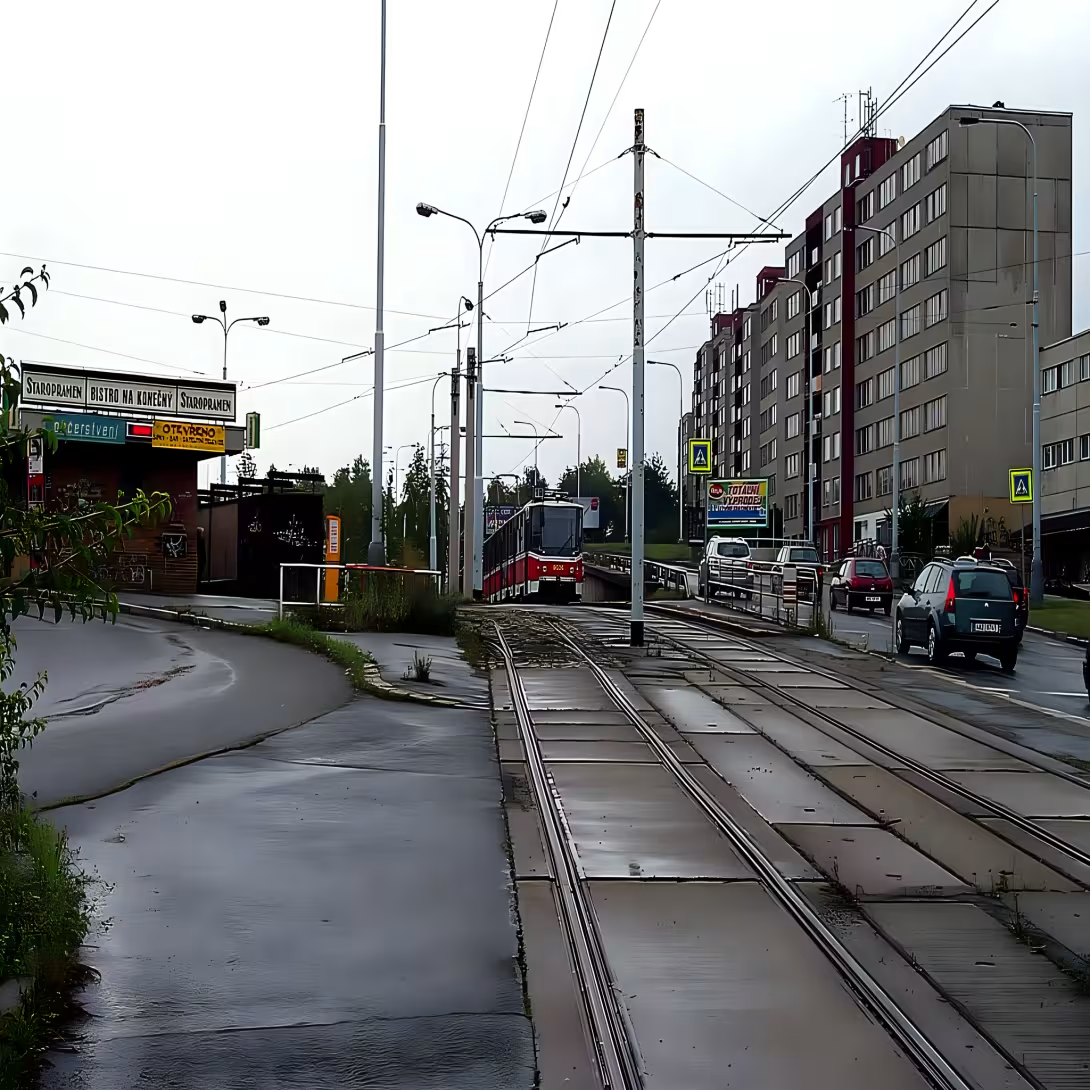
Lehovec is a modern residential area located in Prague's Hloubětín district, notable for its development during the 1970s and 1980s under Czechoslovakia’s socialist regime. This urban district emerged as part of a broader state-planned effort to accommodate growing populations with well-connected infrastructure and housing solutions. Situated near Kyje and Černý Most, Lehovec features modern apartment buildings, essential amenities like schools and shopping centers, and accessibility via tram lines.
The origins of Lehovec trace back to the 1950s when a few low brick houses were constructed on its periphery. However, it was during the 1970s and 1980s that the area underwent significant transformation. This period marked an era of substantial construction and expansion, reflecting typical urban planning trends in Czechoslovakia at the time. The socialist government prioritized state-planned urban development to modernize cities and provide adequate housing for its citizens.
Architecturally, Lehovec's evolution began modestly with low brick houses but shifted dramatically during the 1970s and 1980s. This era saw the construction of modern apartment buildings that epitomized socialist architectural principles. These structures were designed to create well-planned residential zones equipped with necessary infrastructure, such as schools and shopping centers like Kaufland and Penny Market. The introduction of a tram line on June 30, 1976, further enhanced Lehovec's connectivity within Prague.
Throughout its development, Lehovec was shaped by the broader historical context of Czechoslovakia under socialism. This period was marked by significant investment in infrastructure and housing to support urban populations. The state-planned expansion aimed at modernizing cities like Prague, ensuring that areas such as Lehovec were well-equipped with essential services and transportation links.
Today, Lehovec stands as a testament to the era of socialist urban planning in Czechoslovakia. It remains a vibrant residential area with accessible amenities and efficient public transport. The presence of schools, shopping centers, and tram connectivity makes it an attractive place for residents and visitors alike. Its historical significance lies in its representation of state-planned development during a transformative period in Prague's history.
Visiting Lehovec offers insight into the urban planning strategies of socialist Czechoslovakia and provides a glimpse into the everyday life of its past inhabitants. The area’s blend of modern infrastructure and historical context makes it a noteworthy destination for those interested in exploring Prague beyond its more famous landmarks.
Then and now
Drag the slider to compare how the landmark may have looked when it was built with the view today.
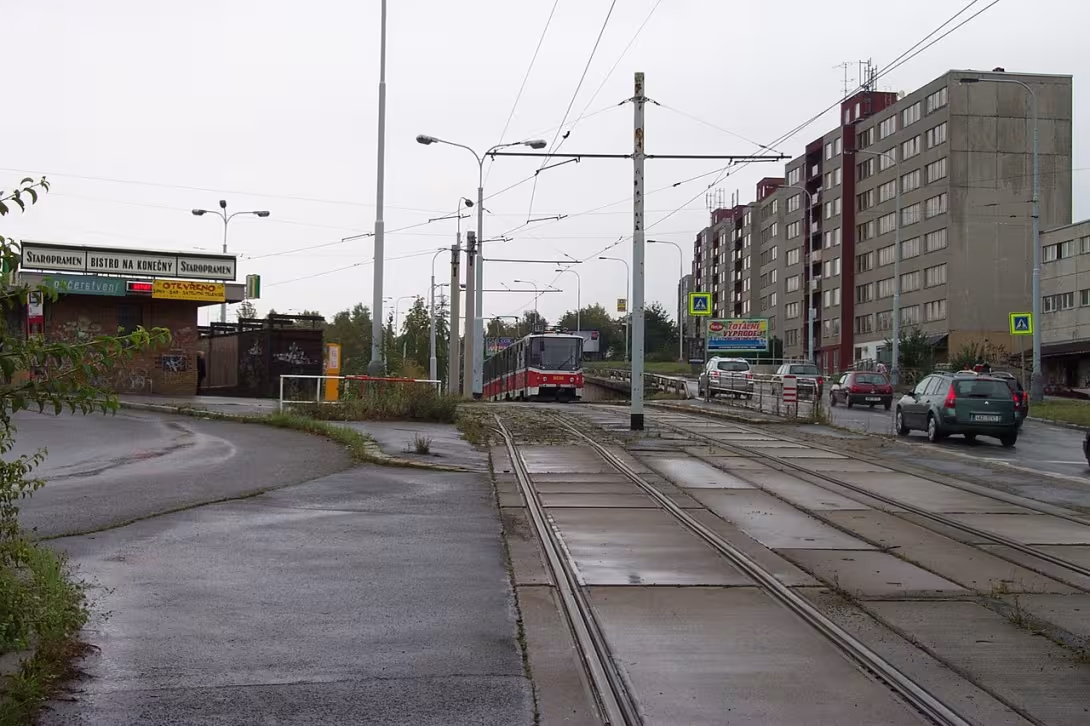
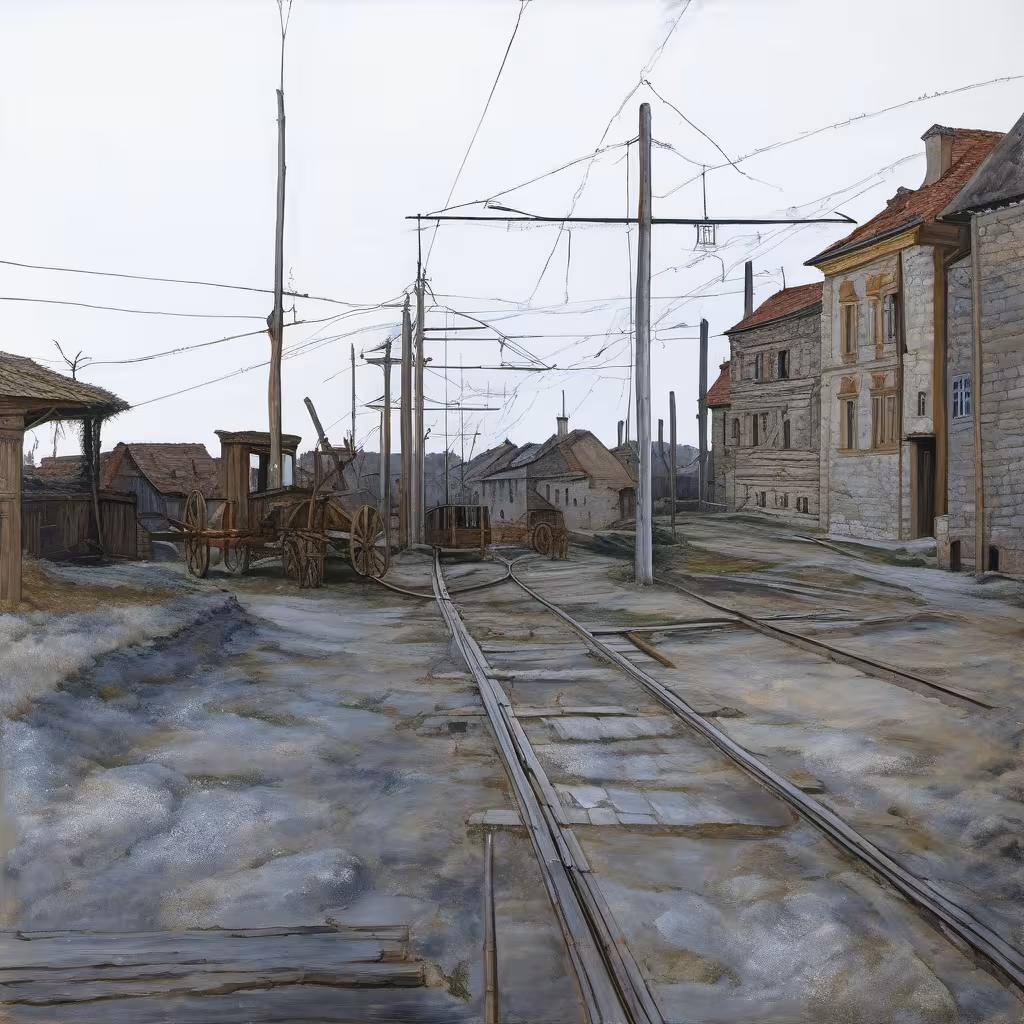
The historical appearance on the left is an AI-generated visualisation and serves as inspiration only.
Historical milestones
- 1950
- Construction of initial low brick houses on Lehovec's periphery.
- 1970
- Significant transformation and construction in Lehovec began.
- 1980
- Continued development of modern apartment buildings in Lehovec.
- 1976
- Introduction of tram line on June 30, enhancing connectivity.
Architectural development
Lehovec's architectural development started modestly in the 1950s with some low brick houses. The area underwent substantial transformation during the 1970s and 1980s, characterized by the construction of modern apartment buildings typical of socialist urban planning. This period marked a shift towards creating well-planned residential zones equipped with necessary infrastructure.
Historical events
Development of the residential area began in the 1950s with a few low brick houses.
Major construction and expansion occurred between the 1970s and 1980s, transforming Lehovec into a significant urban district.
Guide
This guide is narrated by a synthetic voice generated by artificial intelligence.
Show guide text
This text was created by artificial intelligence and has not been editorially reviewed. It may contain inaccuracies.
Lehovec is a local name for an area in the east of Prague. It lies east of Hloubětín, not far from Kyjí and Černý Most.
The present-day appearance of Lehovec was given by a housing estate of the same name, which was built in the seventies and eighties. Though a few lower brick houses did grow here in the fifties, they stood only on the edge of the area.
Transport came with the housing estate. Since June thirtieth, nineteen seventy-six, a tram line has led here. In the same period, an elevated intersection was also created, where the streets Poděbradská, Kolbenova and Chlumecká meet.
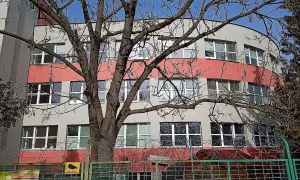
Lehovec today serves mainly as a place to live. There are larger and smaller shops here and a primary school on Chvaletická street.
Tips for visitors
The best time to visit Lehovec is during the late spring or early fall when the weather is pleasant, making it ideal for exploring both indoor and outdoor activities. During these seasons, you can enjoy comfortable temperatures that are perfect for walking around the neighborhood or visiting nearby parks without the discomfort of summer heat or winter cold.
Transportation to Lehovec is convenient due to its excellent connectivity by tram lines. While specific line numbers should be checked in a local transit app, trams provide easy access from various parts of Prague.
When planning your visit, consider bringing comfortable walking shoes as you'll likely spend time exploring the area on foot. Additionally, if you're interested in photography, a camera with good low-light performance can be beneficial due to varying lighting conditions throughout the day. Don't forget essentials like water and sunscreen during warmer months.
For photography enthusiasts, some of the best spots include areas around residential buildings where modern architecture meets natural landscapes. Early morning or late afternoon light often provides the most flattering conditions for capturing the unique character of Lehovec. Be mindful of privacy when photographing in residential areas.
Nearby attractions within a 30-minute travel distance include Kyje, which offers green spaces and recreational facilities, making it ideal for families with children. Černý Most is another nearby area where you can find local shops and eateries to explore. These locations provide additional opportunities for leisure activities after visiting Lehovec.
Frequently asked questions
Can the monument be visited?
This is a ruin. Such sites are often freely accessible, but some can only be visited with a guide or are closed for safety reasons. We have not verified the current situation – take care and respect any restrictions.
Where is the monument?
Location: Hloubětín, Hlavní město Praha. The map on this page shows the exact spot.
Businesses nearby
Do you run a restaurant, accommodation, shop, museum, rental, wellness or other visitor service near this monument? Show yourself directly to the people heading to it — this is how they will see you in the app and on the web:
Events nearby

Zdroj akcí: otevřená data měst a obcí ČR (Národní katalog otevřených dat) a kalendář akcí Národního památkového ústavu.
Nearby
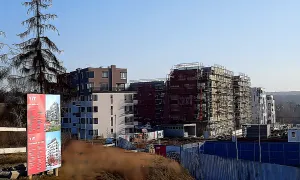
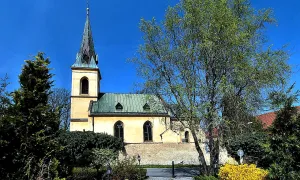
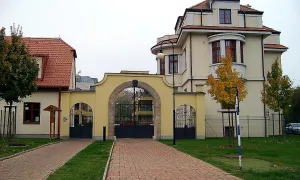
Lehovec is situated near Hloubětín, Kyje, and Černý Most in Prague. The area features a modern urban landscape with residential buildings, shopping centers, and schools. It is well-connected by tram lines, enhancing its accessibility within the city.
Accommodation nearby
Trips and activities nearby
Guided tours, tickets and activities nearby from GetYourGuide
Affiliate link: if you buy from the partner, we may receive a commission. The price for you does not change.
Search tours and activities →Themed route
Thematic Walking Tour: Exploring Lehovec and Its Surroundings
1. Lehovec Housing Estate - Type: Residential Area - Why Visit: Begin your journey at the Lehovec housing estate, a modern urban development that showcases contemporary architecture and community living in Prague. The area is notable for its well-planned residential buildings, offering insights into modern urban planning within the capital.
2. Shopping Centers Near Lehovec - Type: Commercial Area - Why Visit: Explore the nearby shopping centers to experience the vibrant commercial life of this part of Prague. These centers are perfect for a leisurely stroll or a quick shopping trip, providing a glimpse into everyday urban life and local commerce.
3. Schools in Hloubětín - Type: Educational Institutions - Why Visit: Take a moment to appreciate the educational landscape by visiting some of the schools in Hloubětín. These institutions reflect the community's commitment to education and offer an opportunity to observe local life and architecture.
4. Tram Lines Connecting the Area - Type: Public Transportation - Why Visit: Conclude your tour by exploring the tram lines that connect Lehovec with surrounding areas like Kyje and Černý Most. These trams are not only a practical mode of transportation but also provide a unique perspective on Prague's efficient public transit system, enhancing accessibility across the city.
This walking tour offers a comprehensive look at the urban environment around Lehovec, highlighting its residential, commercial, educational, and transport features.
Seasonal recommendations
Spring: Visiting Lehovec during spring offers a unique experience as the surrounding landscape bursts into life with vibrant colors and fresh blooms. The natural beauty is enhanced by longer daylight hours, providing ample time to explore both the historical site and its picturesque surroundings. During this season, visitors can enjoy mild temperatures that make for comfortable wandering through the open spaces. It's advisable to wear layers, as mornings can be cool while afternoons warm up. Spring tends to attract fewer crowds compared to summer, making it an ideal time for those seeking a more tranquil visit.
Summer: Summer is a popular season for exploring Lehovec due to its pleasant weather and extended daylight hours, which allow visitors to fully appreciate the historical site's details and natural surroundings. The lush greenery and blooming flowers create a vibrant atmosphere that enhances the experience. However, this is also peak tourist season, so it’s wise to arrive early in the morning to avoid larger crowds. Light, breathable clothing is recommended due to warmer temperatures, and visitors should stay hydrated as they explore.
Autumn: Autumn brings a distinct charm to Lehovec with its rich tapestry of fall colors that transform the landscape into a breathtaking spectacle. The cooler weather makes for comfortable exploration without the sweltering heat of summer, allowing visitors to enjoy long walks around the site at their leisure. This season is ideal for those who appreciate nature's quieter moments, as it tends to be less crowded than summer. Layered clothing is advisable to accommodate fluctuating temperatures throughout the day.
Winter: Winter offers a serene and atmospheric experience at Lehovec, with snow-covered landscapes providing a picturesque backdrop that enhances the historical site’s allure. The shorter daylight hours mean planning ahead is essential, as some areas may have limited opening times or be closed due to weather conditions. Visitors should dress warmly in layers and wear sturdy footwear for walking on potentially icy paths. While winter can attract fewer tourists, it's important to check accessibility and any special arrangements that might be needed during this season.
Visualizations and artistic views


The visualisations are generated by artificial intelligence and serve as inspiration.
Photos from the area
Real photos taken near the monument


Zdroj a licence jsou uvedeny u každého snímku.
Atmosphere of the place
This atmospheric visualisation of the place and period was generated by artificial intelligence. It is not real footage of the location.
Tips from visitors
No tips yet. Be the first!
Log in and add your tip.
Sources and literature
Photos: I would appreciate being notified if you use my work outside Wikimedia. More of my work can be found in my personal gall / CC BY-SA 3.0, rozlišení zvýšeno umělou inteligencí — Wikimedia Commons. The author and licence also appear when you hover over the image.
Location on the map

Příběhy a pověsti
Legendy, pověsti a příběhy spjaté s touto památkou
Fotografie návštěvníků
Zatím žádné fotografie. Buďte první, kdo přidá fotografii z návštěvy!
Log in a přidejte svou fotografii nebo hodnoťte.
Za ověřenou návštěvu v aplikaci získáte víc bodů — poznáme podle GPS, že jste na místě.
Reviews and comments