



Kejřův mlýn Water mill
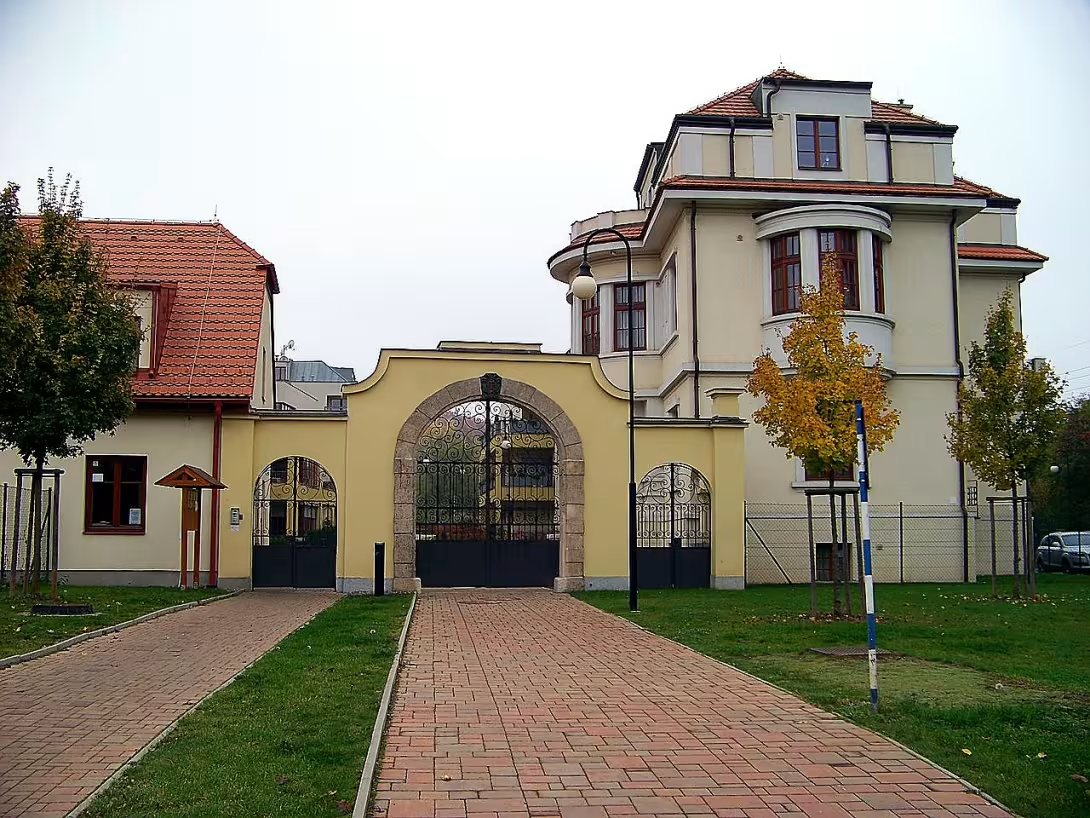
Kejřův Mlýn is a former water mill located in Hloubětín, Prague 9, near Hořejší rybník. Its history dates back to the 16th century, with its first recorded mention in 1544. Over the centuries, it has transformed from a functional mill into a cultural monument and now residential apartments. This evolution reflects historical changes and modern adaptations, making it an intriguing destination for visitors interested in Prague's architectural heritage.
The origins of Kejřův Mlýn trace back to the 16th century when mlynář Matouš first documented it in 1544 as part of a transaction. Initially owned by the Order of the Knights of the Cross with the Red Star, the mill served various purposes, including milling for a hospital. The Thirty Years' War caused significant damage, leading to multiple reconstructions and changes in ownership. By 1713–1730, the Knights redeemed the mill from hereditary lease and managed it themselves, marking an important period of self-administration.
Architecturally, Kejřův Mlýn has seen several transformations since its inception. Notably, significant renovations occurred in 1718, updating its structure. The early 20th-century owner, Josef Kejř, left a lasting mark with a commemorative plaque dated 1917. In the early 21st century, the mill was transformed into residential apartments by Star Group Ltd., preserving three heritage-protected structures: an obytný dům (residential building) with elements of rondokubismus, a brána (gate), and a hospodářská budova (economic building). These preserved elements highlight the architectural evolution from its original form to modern adaptations.
Throughout its history, Kejřův Mlýn has seen various owners and administrators. The mill was initially owned by mlynář Matouš in 1544, followed by a succession of owners including Václav Houser, Kateřina Smiřická z Hazmburku, Jindřich, Pavel Kyjovský, Jan Drtina, and others. Notably, during the period from 1713 to 1730, it was managed by the Knights of the Cross with the Red Star after they redeemed it for 3500 zlatých. The mill's ownership continued through individuals like Jakub Bartl in the late 18th century and Josef Kejř in the early 20th century.
Key events at Kejřův Mlýn include its first recorded mention in 1544, significant damage during the Thirty Years' War, and its redemption by the Knights of the Cross with the Red Star in the early 18th century. In 2006, it was registered as a cultural monument, recognizing its historical significance. Additionally, operatic singer Anna Kejřová, born at the site in 1899, is a notable figure associated with the mill.
Today, Kejřův Mlýn stands as a testament to Prague's rich history and architectural evolution. The site has been redeveloped into residential apartments while preserving its historical essence through protected structures. Visitors can appreciate the blend of historical significance and modern living spaces that characterize this unique monument. Its proximity to Hořejší rybník and surrounding green spaces adds to its appeal, making it a worthwhile destination for those interested in exploring Prague's cultural heritage.
Kejřův Mlýn offers a fascinating glimpse into the past while seamlessly integrating into contemporary life. Its historical significance and architectural preservation make it an essential stop for anyone visiting Prague, providing insight into the city's evolving landscape and rich history.
Then and now
Drag the slider to compare how the landmark may have looked when it was built with the view today.
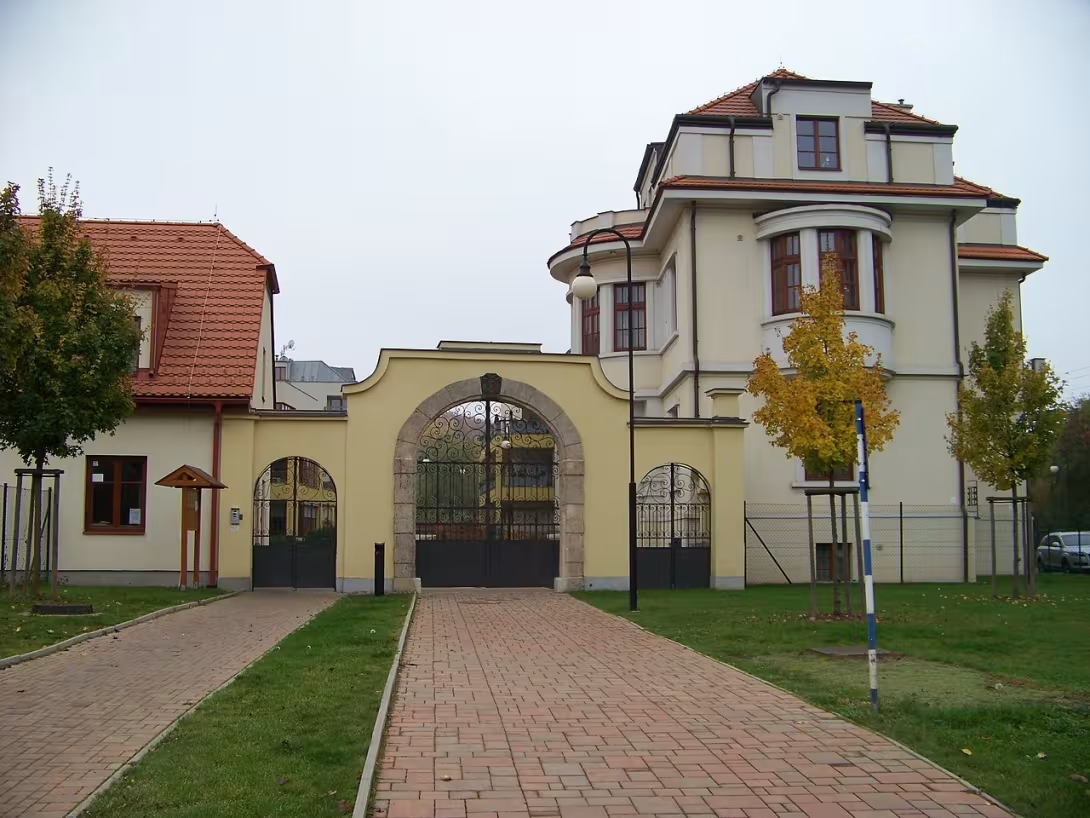
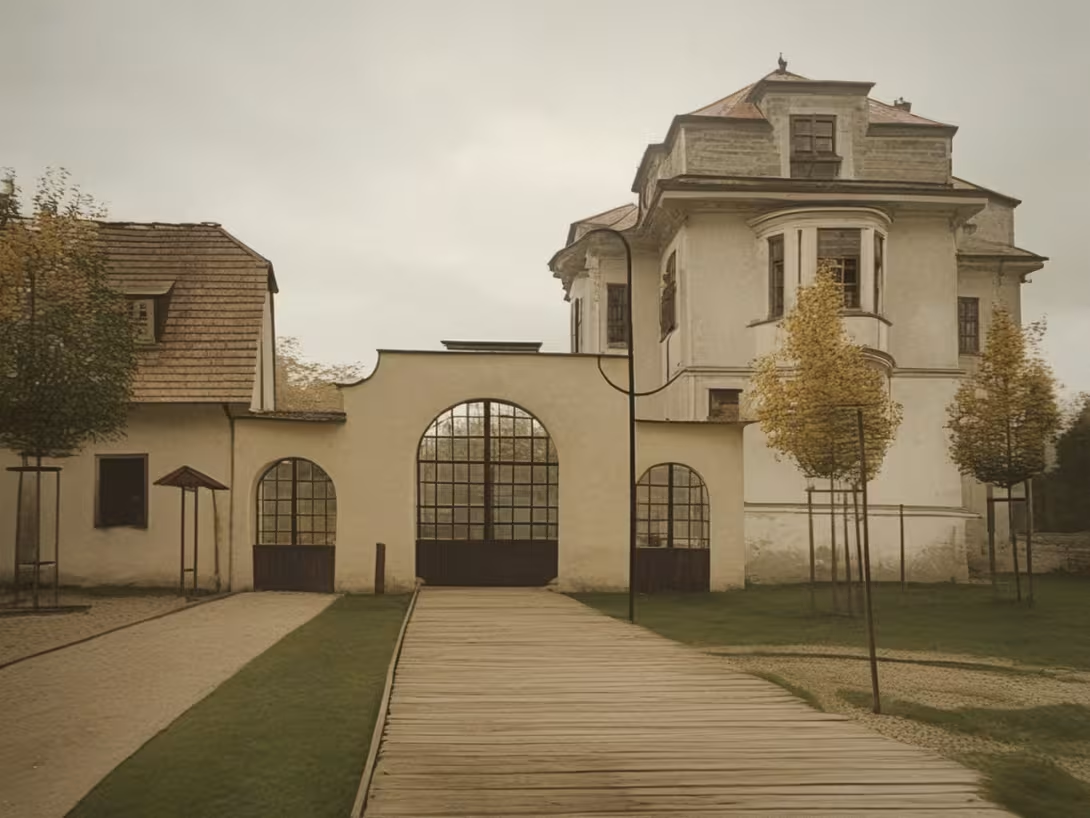
The historical appearance on the left is an AI-generated visualisation and serves as inspiration only.
Historical milestones
- 2006
- Kejřův mlýn was registered as a cultural monument.
- 1718
- The mill underwent significant renovations.
Architectural development
Kejřův mlýn has undergone several architectural changes since its inception in the 16th century. Notably, it was significantly renovated in 1718 and again after damage from the wars over Austrian succession. The early 20th-century owner, Josef Kejř, left a lasting mark with a commemorative plaque dated 1917. In the early 21st century, the mill was transformed into residential apartments by Star Group Ltd., preserving three heritage-protected structures.
Historical events
1544: First recorded mention of the mill in Křižovnická soudní kniha.
1618-1648: The Thirty Years' War caused significant damage to the mill, leading to its reconstruction.
1713–1730: The Knights of the Cross with the Red Star redeemed the mill from hereditary lease for 3500 zlatých and managed it themselves.
2006: Kejřův mlýn was registered as a cultural monument.
Owners
1544–? Matouš
?–1562 Václav Houser
1584–? Kateřina Smiřická z Hazmburku a na Kostelci nad Černými lesy
1609–? Jindřich
1617–? Pavel Kyjovský, měšťan Nového Města pražského
1618–? Jan Drtina
1661–1672 Jan Kocourek, mlynář a měšťan ze Sadské
1679–? Ottavio Miseroni z Nového Města pražského
1701–? Jan Mautl, měšťan Starého Města pražského
1780–? Jakub Bartl, měšťan Starého Města pražského
1912–Josef Kejř
Points of interest
- One of the lesser-known figures associated with Kejřův Mlýn is operatic singer Anna Kejřová, who was born at the site in 1899. Her connection to this historical location adds a layer of cultural significance beyond its architectural history.
- The mill's ownership transitioned through several notable individuals over the centuries, including Václav Houser and Kateřina Smiřická z Hazmburku. These changes reflect broader socio-economic shifts in Prague during their respective periods.
- During the Thirty Years' War, Kejřův Mlýn suffered significant damage, necessitating multiple reconstructions. This period of turmoil highlights the resilience and adaptability of structures like this mill amidst historical upheavals.
- The Knights of the Cross with the Red Star played a crucial role in the mill's history by redeeming it from hereditary lease for 3500 zlatých between 1713 and 1730, marking an era of self-administration that was pivotal to its preservation and continued operation.
- In addition to its transformation into residential apartments, Kejřův Mlýn has preserved architectural elements such as rondokubismus in one of the buildings. This style reflects a unique period in Czech architecture, merging traditional forms with modernist influences.
Guide
This guide is narrated by a synthetic voice generated by artificial intelligence.
Show guide text
This text was created by artificial intelligence and has not been editorially reviewed. It may contain inaccuracies.
Kejřův mlýn is a former water mill on the Rokytce creek in Starý Hloubětín, not far from Hořejšího rybník. Its history dates back to the sixteenth century, and people live there today.
The first written mention comes from fifteen forty-four, when the miller Matouš bought the mill from the miller Václav. The mill and surrounding land belonged to the order of the Knights of the Red Star, which also owned a farmyard in Hloubětín. For a hundred and fifty years the order rented out the mill. The millers had to grind grain for the order's hospital and pay rent. The mill experienced its greatest flourishing at the end of the sixteenth and beginning of the seventeenth century. At that time it had three grinding wheels, a saw mill, eleven acres of arable land, and two meadows.
During the Thirty Years' War the mill was burned and destroyed. After reconstruction, the tenants changed frequently. The exception was the years from seventeen thirteen to seventeen thirty, when the Knights bought the mill out of hereditary lease for thirty-five hundred gold coins and managed it themselves. In seventeen eighteen it underwent a major renovation. It was damaged again during the Wars of the Austrian Succession. From seventeen eighty on it was held by the Old Town merchant Jakub Bartl, who had the property renovated a year later. In nineteen twelve the mill was acquired by Josef Kejř, after whom it is named. A memorial plaque with his name and the date nineteen seventeen commemorates him. In eighteen ninety-nine the opera singer Anna Kejřová was born here.
After the Second World War the mill ceased to serve agriculture and housing and became a warehouse, among other things for the Orion Chocolate Factory. In two thousand six it was registered as a cultural monument. A reconstruction followed, during which it was supplemented with new buildings and seventy-nine apartments were created. This was completed in two thousand eight and was followed by further residential buildings of Kejřův park.
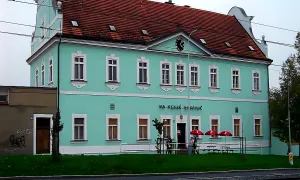
Three protected buildings have been preserved from the original site: a residential building, a gate, and an outbuilding. The residential building is a two-storey villa from the nineteen twenties with a pitched roof and Art Deco elements. On the first floor it has pronounced semicircular bay windows and a balcony. The gate is semicircularly arched and above it is a masonry parapet with cutout corners. On the arch in line with the stone frame is the sign of the Knights and the date seventeen eighteen. On either side of the gate are smaller entrances. The gate and entrances are fitted with wrought iron grillwork doors with scrolled motifs. The outbuilding, the former mill building, has a mansard roof and gable from the first half of the twentieth century.
Tips for visitors
The best time to visit Kejřův mlýn is during the late spring or early autumn months, when the weather is pleasant for exploring the park area and enjoying the natural surroundings. During these seasons, the greenery around Hořejší rybník is lush, providing a beautiful backdrop for your visit. Additionally, visiting outside of peak summer can mean fewer crowds, allowing you to appreciate the historical site more peacefully.
The area is accessible by various modes of transport, and checking a current transit app can help you find the best route from the city center.
When planning your visit, it’s wise to bring comfortable walking shoes as there are paths around Hořejší rybník that are perfect for leisurely strolls. Also consider bringing a camera or smartphone with a good camera function; the park area and mill offer picturesque views, especially during golden hour when the light is soft and warm.
For photography enthusiasts, some of the best spots include the areas around Hořejší rybník where reflections in the water can create stunning compositions. Early morning or late afternoon provides the most favorable lighting conditions for capturing the serene landscape and historical architecture of Kejřův mlýn.
Families with children will find the park area near Kejřův mlýn enjoyable, as it offers open spaces suitable for playing and picnicking. Within a 30-minute drive or public transport ride from the mill, you can visit other attractions like Troja Chateau or the Botanical Garden in Troja, which provide additional educational and recreational opportunities for children.
Frequently asked questions
Can the monument be visited?
This is a technical monument. Some are open as exhibitions, others are out of use or on private land. We have not verified whether this one is accessible. According to the heritage register restoration is under way, so access may be restricted.
What are the opening hours and admission?
We have not verified the opening hours or admission. Current information is published by the operator.
Where is the monument?
Location: Hloubětín, Hlavní město Praha. The map on this page shows the exact spot.
Why is the monument protected?
It is listed in the Central List of Cultural Monuments of the Czech Republic as a cultural monument (register no. 1000001449).
Businesses nearby
Do you run a restaurant, accommodation, shop, museum, rental, wellness or other visitor service near this monument? Show yourself directly to the people heading to it — this is how they will see you in the app and on the web:
Events nearby

Zdroj akcí: otevřená data měst a obcí ČR (Národní katalog otevřených dat) a kalendář akcí Národního památkového ústavu.
Nearby
Kejřův mlýn is situated near Hořejší rybník and features a park area developed in subsequent phases. The surrounding landscape includes typical Prague suburban settings with green spaces.
Accommodation nearby
Trips and activities nearby
Guided tours, tickets and activities nearby from GetYourGuide
Affiliate link: if you buy from the partner, we may receive a commission. The price for you does not change.
Search tours and activities →Themed route
Kejřův mlýn (water mill) - The main goal of the tour is to visit this historic water mill, which is a rare example of a preserved 19th-century industrial building in the Prague region.
Hořejší rybník (pond) - A picturesque pond located near the mill, offering a peaceful atmosphere and a great spot for a short break.
Park Kejřova mlýna (park) - A park area developed around the mill, featuring walking trails, benches, and a beautiful scenery.
Hloubětínská ulice (street) - A charming local street lined with residential houses and offering a glimpse into the everyday life of the Hloubětín community.
Seasonal recommendations
Jaro
Spring is the ideal time to visit Kejřův mlýn because nature around the monument begins to come back to life after a long winter. The green leaves of trees and flowers in the garden create a beautiful atmosphere. Lighting is mild, so visitors can easily explore both the interiors and exteriors of the mill without any issues. It's advisable to visit Kejřův mlýn during spring because there are fewer visitors than in the summer season.
Léto
The main summer season is full of life and energy, making Kejřův mlýn very popular during this time. The site offers interesting attractions and tours all day long, so it's a good idea to arrive early to enjoy everything at your leisure. Lighting is stronger than in spring to help visitors navigate the interiors and exteriors more easily.
Podzim
In autumn, Kejřův mlýn is surrounded by the beautiful colors of falling leaves. The atmosphere is calm and peaceful, making it ideal for those seeking rest and relaxation. Lighting is mild so that visitors can comfortably explore both the interiors and exteriors of the mill. It's a good time to visit Kejřův mlýn because there are fewer visitors than in the summer season.
Zima
During winter, Kejřův mlýn is closed for interior visits but can be viewed from outside. The atmosphere is calm and peaceful, perfect for those seeking rest and relaxation. It's a good time to visit because there are fewer visitors than in the summer season. Visitors should wear warm clothing and plan their visit during appropriate hours, as opening times are shorter.
Visualizations and artistic views


The visualisations are generated by artificial intelligence and serve as inspiration.
Photos from the area
Real photos taken near the monument


Zdroj a licence jsou uvedeny u každého snímku.
Tips from visitors
No tips yet. Be the first!
Log in and add your tip.
Sources and literature
Photos: ŠJů (cs:ŠJů) / CC BY-SA 3.0 — Wikimedia Commons. The author and licence also appear when you hover over the image.
Faktickým podkladem tohoto textu byl článek na Wikipedii, jehož autory jsou přispěvatelé Wikipedie. Článek je dostupný pod licencí CC BY-SA 4.0.
Location on the map


Příběhy a pověsti
Legendy, pověsti a příběhy spjaté s touto památkou

Příběh: Kejřův mlýn
Bylo to v pondělí ráno, kdy Martin zjistil, že jeho obyčejný hmotný svět se vyjasňuje pod vlivem nápadného pohřmění nad Kejřovým mlýnem. Na chvilku se mu zdá…
Číst příběh
Pověst: Kejřův mlýn
Traduje se, že v celém Hloubětíně nebylo místa, kde by voda zpívala hlasitěji než u mlýna v záhybu říčky Rokytky. Staří obyvatelé vyprávějí, že náhon k mlýnu…
Číst příběhFotografie návštěvníků
Zatím žádné fotografie. Buďte první, kdo přidá fotografii z návštěvy!
Log in a přidejte svou fotografii nebo hodnoťte.
Za ověřenou návštěvu v aplikaci získáte víc bodů — poznáme podle GPS, že jste na místě.
Reviews and comments