






Letohrádek Kinských Summer palace
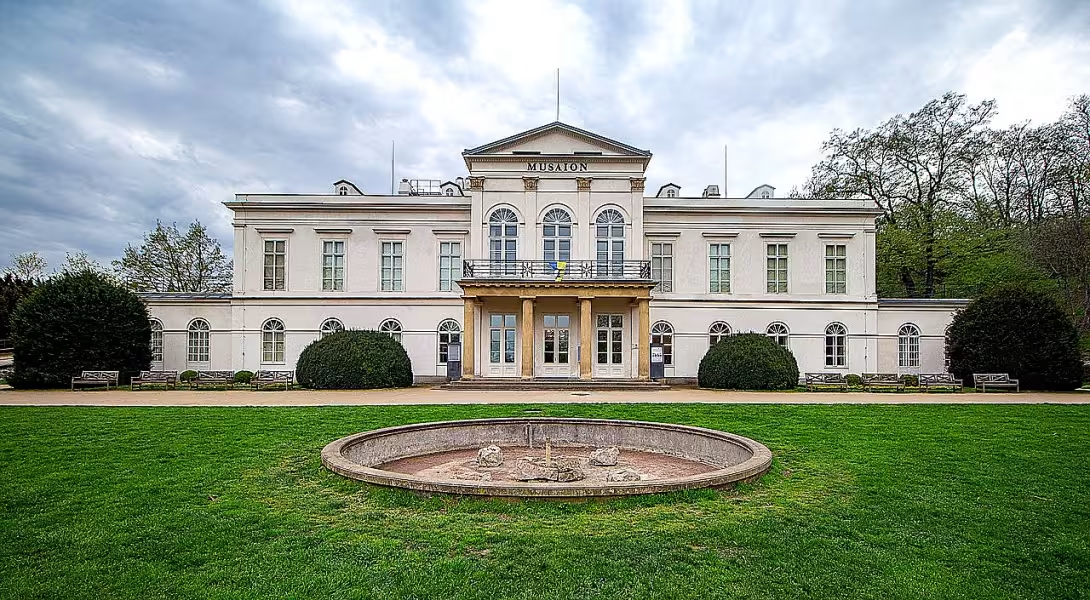
Letohrádek Kinských, also known as Musaion, is a suburban villa on Smíchov Hill in Prague. Built between 1827 and 1831 by architect Heinrich Koch, it features late classicism with Empire style elements. This historical monument gained prominence when it became the seat of the Czechoslovak National Museum in 1901, housing one of Europe's largest collections of folk art from the 17th to the 20th century.
The origins date back to the late 18th century when kněžna Marie Rosa Kinská acquired land on Smíchov Hill. Her grandson, Rudolf Kinský, transformed it into a romantic garden with rare trees and water features in the early 19th century. Architect Heinrich Koch was commissioned to design a summer residence for the family, resulting in this elegant villa that blends seamlessly with its surroundings.
Architecturally, Letohrádek Kinských is noted for its symmetrical facade featuring a Doric portico supported by four columns and a grand salon. The two-story structure embodies the simplicity and elegance typical of late classicism. Heinrich Koch also designed garden structures like pavilions and greenhouses, with details executed by architect E. Kozlík.
Ownership transitioned through notable figures such as Marie Rosa Kinská, Rudolf Kinský, and Vilemína Alžběta Kinská, who resided there from 1836 to 1871. The villa's significance increased when it became the seat of the Czechoslovak National Museum in 1901, a role it continues today as part of the Ethnographic Department of the National Museum.
Throughout its history, Letohrádek Kinských has witnessed key events and curiosities. Originally adorned with Carrara marble sculptures Psyché by Antonio Canova and Vlasta by Emanuel Max, these artworks highlight the villa's cultural heritage. The sculpture Vlasta now resides in Prague Castle, while the villa itself became a hub for exploring national identity during its tenure as a museum.
Today, Letohrádek Kinských is both an architectural gem and a vibrant cultural center. Following extensive restoration completed in 2005, it reopened to the public with exhibitions focusing on Czech folk culture. The surrounding park, designed by František Höhnel, offers panoramic views and complements the villa's historical charm.
Visitors can immerse themselves in a rich tapestry of history and artistry at Letohrádek Kinských. Its significance as both an architectural masterpiece and cultural repository makes it a must-visit destination for those interested in Czech heritage and national identity.
Then and now
Drag the slider to compare how the landmark may have looked when it was built with the view today.
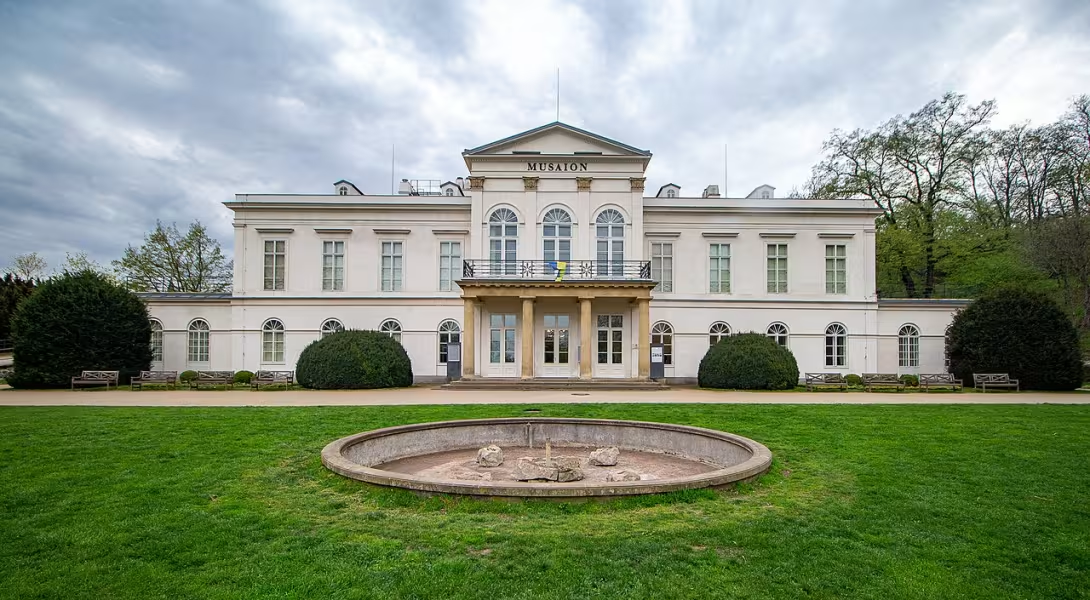

The historical appearance on the left is an AI-generated visualisation and serves as inspiration only.
Historical milestones
- end of the 18th century
- Marie Rosa Kinská acquired lands in Smíchov.
- 1827
- The construction of the summer residence began under Heinrich Koch.
- 1831
- Completion of the Kinskýs' summer residence.
- 1836
- Vilemína Alžběta Kinská settled in the summer residence.
- 1871
- The end of Vilemína Alžběta Kinská's stay at the summer residence.
- 1901
- The summer residence became the seat of the Czechoslovak National Museum.
Architectural development
The villa was designed by Heinrich Koch in the late classicism style with Empire elements. It features a two-story structure with a symmetrical facade and a grand salon. The garden structures were detailed by E. Kozlík, including pavilions and greenhouses.
Historical events
- 1901
- The villa became the seat of the Czechoslovak National Museum.
- 1922
- It started housing the Ethnographic Department of the National Museum, a role it continues to fulfill today.
Points of interest
- The Letohrádek Kinských originally featured two notable sculptures: Psyché by Antonio Canova and Vlasta by Emanuel Max. While the sculpture Vlasta now resides in Prague Castle, it was once a prominent feature of the villa's cultural heritage.
- Designed to blend with its surroundings, the villa’s symmetrical facade includes a Doric portico supported by four columns, reflecting Heinrich Koch's architectural prowess and his ability to harmonize structures with nature.
- The garden surrounding Letohrádek Kinských was transformed into a romantic landscape by Rudolf Kinský in the early 19th century. It included rare trees and water features, showcasing an innovative approach to integrating natural beauty with human design during that era.
- After its restoration completed in 2005, Letohrádek Kinských reopened as a public venue focusing on Czech folk culture. This transformation highlights its ongoing role in preserving and promoting national identity through art and history.
- Architect E. Kozlík contributed to the villa's garden structures such as pavilions and greenhouses, adding layers of complexity and detail that complemented Heinrich Koch’s original design, thus enriching the site's architectural diversity.
Guide
This guide is narrated by a synthetic voice generated by artificial intelligence.
Show guide text
This text was created by artificial intelligence and has not been editorially reviewed. It may contain inaccuracies.
Welcome to the Kinsky Palace, also known as Musaion. You are standing before a unique historical landmark located on Smíchov Hill in Prague. The palace is a true gem of architecture that will captivate you with its symmetrical façade featuring a Doric portico and grand salon.
Let's step back into the past to discover how the Kinsky Palace became part of Prague's culture. In 1827, architect Heinrich Koch began working on the construction of this country villa, which was completed in 1831. The palace became home to esteemed guests who could enjoy its beautiful gardens and admire the perfect architectural details.
Notice the symmetrical façade characteristic of late classicism. The palace is also known for its sculptures, some created by renowned artists. Psyche, a sculpture by Antonio Canova, was originally part of the palace but now resides in Prague Castle. Another statue, Vlasta by Emanuel Max, once dominated the palace grounds but can be seen in Prague today.
Let's return to history and consider the notable figures who visited the palace. Marie Rosa Kinsky acquired lands on Smíchov in the late 18th century, and in 1836 her daughter Wilhelmina Elizabeth settled here. Rudolf Kinsky, a member of the Kinsky family, was also an important figure who visited the palace.
Now pause before the palace and take in the atmosphere that prevails here. Examine the façade and notice the details resulting from exquisite architectural artistry. The Kinsky Palace is a true treasure of Prague and deserves to be discovered by all lovers of history and architecture.
Today, the palace serves as the headquarters of the Czech National Museum, which offers tours and provides visitors with an opportunity to learn about the rich history and culture of this beautiful landmark. Request tickets and head inside to explore the interior spaces and gain a deeper understanding of the history and significance of Kinsky Palace.
Tips for visitors
The best time to visit Letohrádek Kinských is during the late spring or early autumn months, when the weather is pleasant for exploring the park and enjoying the panoramic views from its terrace. These seasons offer comfortable temperatures and lush greenery, enhancing the beauty of the surrounding landscape designed by František Höhnel.
Visitors can drive to the area or use public transit; it's advisable to check current routes and schedules in a travel planner for the most efficient journey.
When visiting, consider bringing comfortable walking shoes as you'll likely want to explore both the villa and its surrounding park with a pond and waterfall. A camera is also recommended to capture the picturesque views from the terrace and the charming details of the late classicism architecture designed by Heinrich Koch.
For photography enthusiasts, the best spots include the terrace for panoramic views and the area around the pond and waterfall where light plays beautifully through the trees. Early morning or late afternoon offers softer lighting conditions that can enhance your photos with warm tones.
Nearby attractions within a 30-minute walk or drive include other historical sites in Prague's Smíchov district, offering cultural insights into the city's rich history. Families with children will find the park an enjoyable place to explore, with its natural features providing opportunities for leisurely walks and play.
Frequently asked questions
Can the monument be visited?
Some buildings of this kind are open for guided tours, others serve another purpose or are privately owned. We have not verified whether and when this monument is open – please ask the operator.
What are the opening hours and admission?
We have not verified the opening hours or admission. Current information is published by the operator. Official website: https://www.nm.cz/
Where is the monument?
Location: Smíchov, Hlavní město Praha. The map on this page shows the exact spot.
Why is the monument protected?
It is listed in the Central List of Cultural Monuments of the Czech Republic as a cultural monument (register no. 1000152407).
Businesses nearby
Do you run a restaurant, accommodation, shop, museum, rental, wellness or other visitor service near this monument? Show yourself directly to the people heading to it — this is how they will see you in the app and on the web:
Events nearby

Zdroj akcí: otevřená data měst a obcí ČR (Národní katalog otevřených dat) a kalendář akcí Národního památkového ústavu.
Nearby
Letohrádek Kinských is surrounded by a park with a pond and waterfall, designed by František Höhnel. The area offers panoramic views from its terrace.
Accommodation nearby
Trips and activities nearby
Guided tours, tickets and activities nearby from GetYourGuide
Affiliate link: if you buy from the partner, we may receive a commission. The price for you does not change.
Search tours and activities →Themed route
Letohrádek Kinských
1. Letohrádek Kinských (Hlavní cíl) Letohrádek Kinských is a beautiful example of a Baroque chateau, built in the 18th century. It's a must-visit for its stunning architecture and picturesque surroundings.
2. Park s jezírkem a vodopádem (Okolí) The park surrounding the chateau features a serene pond and a beautiful waterfall, designed by František Höhnel. Take a leisurely stroll around the park and enjoy the tranquil atmosphere.
3. Terasa s výhledem (Okolí) The chateau's terrace offers breathtaking panoramic views of the surrounding landscape. It's the perfect spot to relax and take in the beauty of the area.
4. Nádvoří Letohrádku Kinských (Vnitřek areálu) Explore the chateau's courtyard, which features a beautiful fountain and ornate architecture. It's a great place to learn about the history of the chateau and its former occupants.
5. Zahrada Letohrádku Kinských (Vnitřek areálu) The chateau's garden is a hidden gem, featuring a variety of plants and flowers. Take a peaceful walk through the garden and enjoy the serene atmosphere.
Seasonal recommendations
Jaro
In the spring season, Letohrádek Kinských is surrounded by blooming trees and flowers, creating a pleasant atmosphere. It's also unique for its open window in the garden that allows visitors to observe the surrounding nature. We recommend visiting the summerhouse during the spring when there is still plenty of space and you can explore the garden without large crowds.
Léto
In the summer season, Letohrádek Kinských is most visited, so it's best to come early in the season to avoid large crowds. The atmosphere is relaxed and pleasant, but due to high visitor numbers, there may be a wait at the entrance. We recommend visiting the summerhouse in the morning or early afternoon to avoid the biggest crowds.
Podzim
In the autumn season, Letohrádek Kinských is surrounded by the colors of the autumn forest, creating a pleasant atmosphere. It's also unique for its open window in the garden that allows visitors to observe the surrounding nature. We recommend visiting the summerhouse during the autumn when there is still plenty of space and you can explore the garden without large crowds.
Zima
In the winter season, Letohrádek Kinských is peaceful and quiet, making it an ideal time for a visit. Don't forget to dress warmly, as it may be chilly inside.
Visualizations and artistic views


The visualisations are generated by artificial intelligence and serve as inspiration.
Photos from the area
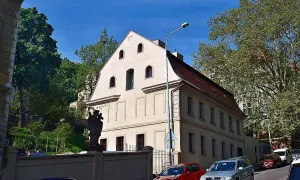
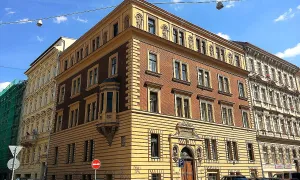
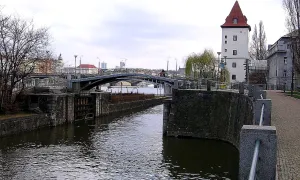
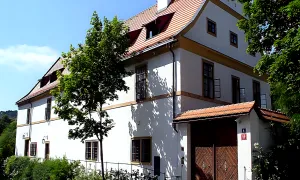
Real photos taken near the monument


Zdroj a licence jsou uvedeny u každého snímku.
Atmosphere of the place
This atmospheric visualisation of the place and period was generated by artificial intelligence. It is not real footage of the location.
Tips from visitors
No tips yet. Be the first!
Log in and add your tip.
Sources and literature
Photos: VitVit / CC BY-SA 4.0 — Wikimedia Commons. The author and licence also appear when you hover over the image.
Faktickým podkladem tohoto textu byl článek na Wikipedii, jehož autory jsou přispěvatelé Wikipedie. Článek je dostupný pod licencí CC BY-SA 4.0.
Location on the map
Příběhy a pověsti
Legendy, pověsti a příběhy spjaté s touto památkou

Fotografie návštěvníků
Zatím žádné fotografie. Buďte první, kdo přidá fotografii z návštěvy!
Log in a přidejte svou fotografii nebo hodnoťte.
Za ověřenou návštěvu v aplikaci získáte víc bodů — poznáme podle GPS, že jste na místě.
Reviews and comments