



Loretánská Street
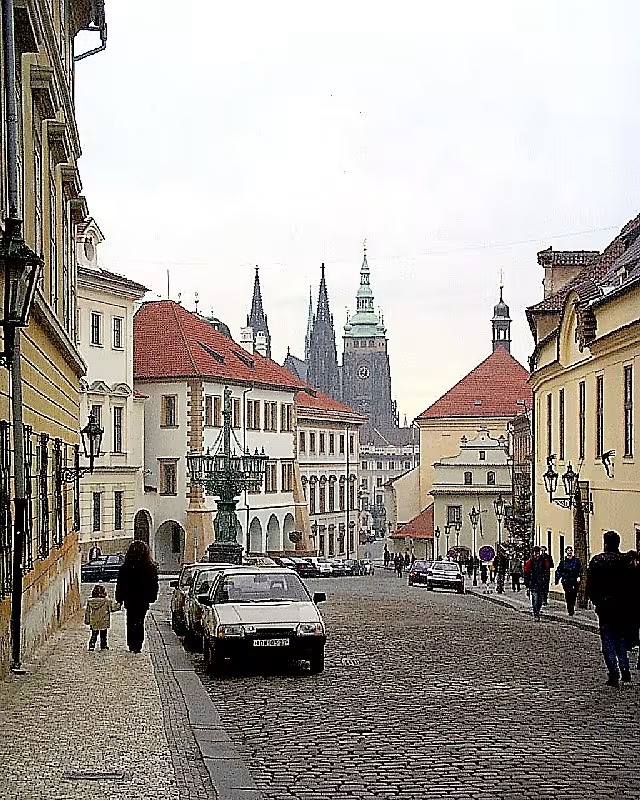
Loretánská street in Hradčany forms part of the pedestrian zone and connects Radnický stairs near Hradčanský Square with the Loretan square and Pohořelec street. It is one of the most important cultural arteries of old Prague, which bears traces of centuries of urban development and architectural styles.
The history of the street dates back to the 14th century, when the city of Hradčany and the surrounding area divided by its floor plan. The eastern part of the street belonged to the city of Hradčany, while the western part was lying behind the city walls. The fundamental change came in 1598, when Hradčany became a royal city. In this period, the Hradčanská Town Hall, a Renaissance building which serves the city administration to this day, was built on number 1. In the 16th century, the eastern part of the street by Radnicki stairs was called "Radodom." The modern name "Loretánská" began to be used only from the beginning of the 18th century and gradually took over for the whole street.
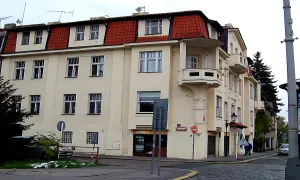
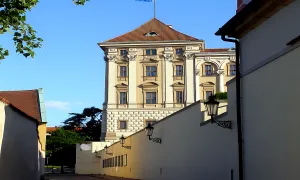
The architectural and cultural wealth of the Loretan Street is considerable. Trauttmannsdorf Palace at number 6 represents classical architecture and is protected as a cultural monument of the Czech Republic. No less valuable is the Hrzán Palace at number 9. On number 13 you can find commemorative records dedicated to Alice Masaryk and Marcie Davenport. The building at number 19 serves as Jaroslav Ježek School for the visually impaired. Part of the walls of the Loretine Garden is the Baroque niche chapel of St. Barbara, which was created in the past by František Maximilián Kaňka.
An interesting technical attraction is cast iron candelabra decorated from 1868, which is part of public lighting. This eight-arm candelabra, protected as a cultural monument, has its double in Hradčanská Square and is one of the unique elements of Prague's historical infrastructure.
Loretánská street provides visitors with a comprehensive view of the development of Prague Hradčan from the Middle Ages to the modern times. The combination of architectural jewels, historical institutions and craft art from different periods makes it an essential part of the heart of old Prague.
Historical milestones
- 14th century
- The eastern part of the street belonged to the city of Hradčany.
- 1598
- The establishment of the Hradčany Town Hall after the promotion of Hradčan to the royal city.
- 1867
- Creating an eight-arm candelabra for public lighting.
Architectural development
The development of the street dates back to the 14th century, when its eastern part was part of Hradčan. Architecture includes Renaissance Town Hall, Baroque Chapel and Classicist Palace. In the 19th century, a technical monument in the form of cast iron candelabra was added.
Historical events
In 1598 Hradčany became a royal city and a town hall was established. The current name Loretánská has been used for the street since the beginning of the 18th century.
Points of interest
- Loretánská street connects Radnická stairs with the Loretan square and Pohořelec street. - The history of the street dates back to the 14th century, when it was divided between the city of Hradčany and the surrounding territory. - In 1598, Hradčanská Town Hall, a Renaissance building serving today, was built on number 1. - Trauttmannsdorf Palace at number 6 and Hrzán Palace at number 9 are protected as cultural monuments of the Czech Republic. - The cast iron candelabra from 1868 is part of public lighting and protected as a cultural monument.
Guide
This guide is narrated by a synthetic voice generated by artificial intelligence.
Show guide text
This text was created by artificial intelligence and has not been editorially reviewed. It may contain inaccuracies.
Loretánská Street on Prague's Hradčany is part of a pedestrian zone. It connects Radnické schody near Hradčanské náměstí with Loretánské náměstí and with Pohořelec Street, which takes its name from a former settlement and later district.
In the fourteenth century, the eastern part of the street belonged to the city of Hradčany, whereas the western part lay beyond the fortifications. In fifteen ninety-eight, Hradčany became a royal city and the Hradčanská radnice was built at number one, a Renaissance building to which Radnické schody leads from Nerudova Street. The section by the stairs was then called Radodomská. The current name Loretánská has been used since the beginning of the eighteenth century.
The street is lined with two significant palaces. At number six stands the Trauttmannsdorfský palác, a classicist building protected as a cultural monument of the Czech Republic. At number nine is the Hrzánský palác. House number thirteen bears memorial plaques to Alice Masaryková and Marcie Davenportová. At number nineteen is the Jaroslava Ježka School for the Visually Impaired.
In the wall of the Loretánská garden is set a chapel of Saint Barbara. It is a Baroque niche chapel, whose author is František Maxmilián Kaňka.
An interesting feature is also an eight-branched cast iron candelabra from the nineteen sixties. It is artistically decorated and belongs to Prague's public lighting and is protected as a cultural monument. The same candelabra also stands on Hradčanské náměstí.
Tips for visitors
The best time to visit Loretanská Street is in the spring or autumn season when the weather is pleasant and less humane. This time of year also offers a beautiful view of the green architecture of the surroundings.
The best connection can be found using an online search engine or mobile application for local transport.
When you visit, remember suitable shoes, because the street is a pedestrian zone and you will need to walk. You could also bring an umbrella or an umbrella according to current weather.
The morning hours are ideal for taking photos of Lorethana Street, when the light is soft and pleasant. The best places for photography include the area around the Hrzán House or Trauttmansdorf Palace.
In the vicinity of Loretanská Street you can visit Hradčanská Square, where the Royal Castle and other historical monuments are located. For families with children there is a walk on the Radnický stairs or a visit to the Loretanian monastery.
Frequently asked questions
Can the monument be visited?
This is a structure in a public space that can usually be seen from outside free of charge. We have not verified that this particular one is freely accessible.
Where is the monument?
Location: Hradčany, Hlavní město Praha. The map on this page shows the exact spot.
For kids
Imagine going back to the past. When Praha was still a medieval town and Loretánská Street was just a narrow walking path. What was here? What did people do? What did it look like?
This is where people from different neighborhoods of Prague lived. They were merchants, craftsmen, royal officials... And among them was one of the most important men of the time - Emperor Charles IV. He's been meeting with city officials here and deciding on his next development.
Businesses nearby
Do you run a restaurant, accommodation, shop, museum, rental, wellness or other visitor service near this monument? Show yourself directly to the people heading to it — this is how they will see you in the app and on the web:
Events nearby

Zdroj akcí: otevřená data měst a obcí ČR (Národní katalog otevřených dat) a kalendář akcí Národního památkového ústavu.
Nearby
Hradčanské náměstí, Loretánské náměstí, Radnické schody a Pohořelec.
Accommodation nearby
Trips and activities nearby
Guided tours, tickets and activities nearby from GetYourGuide
Affiliate link: if you buy from the partner, we may receive a commission. The price for you does not change.
Search tours and activities →Themed route
Thematic cruise route: Loretánská Chapel and surroundings
1. Loretánská Chapel - Type: Religious monument - Why is it worth visiting: This Baroque chapel is one of the most important sacral monuments in Prague, known for its rich interior and historical reliefs. It's part of the monastic complex of the Order of Bosnian nuns.
2. Castle Square - Type: Historical Square - Why is it worth visiting: This square served as an earlier castle yard and is famous for its beautiful view of Prague. There is also a memorial of Jan Palach, which adds historical significance.
3. Loreto Square - Type: Historical Square - Why is it worth a visit: The square is named after the neighboring Loretan Chapel and served as an earlier castle yard. It's where history and modernity meet.
4. Radical Stairs - Type: Historical passage - Why is it worth a visit: These stairs link Hradčansky to the Lorethanski Square and are known for their historical meanings. Here is also a memorial of Josef Mánes, which adds an artistic dimension.
5. Burger - Type: Historical site - Why is it worth a visit: Pohořelec is one of the oldest parts of Prague, known for its historical significance and beautiful views of Old Town. It's a place full of ancient stories.
This route offers a combination of religious, historical and artistic experiences in the centre of Prague, making it ideal for anyone who wants to know the deeper aspects of the city.
Seasonal recommendations
Spring: During the spring season Loretánská Chapel in Hradčany gets immense beauty due to the sunlight that is projected through its coloured windows. Green nature is developing around and garden flowers are beginning to bloom, which gives the atmosphere a mild and living character. Visiting this monument in the spring season is ideal because you avoid extreme temperatures for years and winter. It is recommended to come early or in the evening when there are fewer people and the atmosphere is calmer. Dress appropriately for mild weather - perhaps with an umbrella under your arm, because spring days often bring sudden rain.
Summer: In the summer Loretánská chapel is lit by a long time of sunlight, which allows you to see more detailed architectural details. The summer atmosphere brings warm and often dry weather, which can be challenging for long-term walks. The best thing to do is to visit the memory in the morning or in the evening, when the temperature is falling and the crowd is fewer. We recommend to wear light clothes that resist the sun, and bring plenty of drinking water.
Autumn: In the autumn period Loretánská Chapel becomes melancholic charm thanks to shielding leafy trees and changing colour spectrum. The atmosphere is calmer than in the main summer season, allowing you to enjoy a quiet walk without obstacles to large crowds. The best place to visit a monument in early autumn, when the temperature is still pleasant and the leaves are in full splendor. Dress more evenly, because the weather can be variable - from sunny days to cold evenings.
Winter: During the winter period Loretánská Chapel receives magical charm, especially during the night hours when it is lit by light and creates an amazing atmosphere. Freezing weather contributes to a quiet visitor who can enjoy a peaceful walk without unnecessary crowd noise. Visit the memory on a day of bright weather when you can look at the beautiful starry sky. It is important to dress warm - use fur coats and a protective head - and remember that the chapel may be shorter in winter hours than in other seasons.
Visualizations and artistic views


The visualisations are generated by artificial intelligence and serve as inspiration.
Photos from the area
Real photos taken near the monument


Zdroj a licence jsou uvedeny u každého snímku.
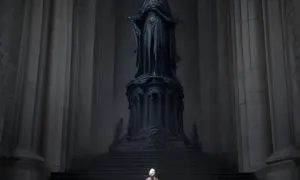
Atmosphere of the place
This atmospheric visualisation of the place and period was generated by artificial intelligence. It is not real footage of the location.
Tips from visitors
No tips yet. Be the first!
Log in and add your tip.
Sources and literature
Photos: Ra Boe / CC BY-SA 3.0 — Wikimedia Commons. The author and licence also appear when you hover over the image.
Faktickým podkladem tohoto textu byl článek na Wikipedii, jehož autory jsou přispěvatelé Wikipedie. Článek je dostupný pod licencí CC BY-SA 4.0.
Location on the map

Příběhy a pověsti
Legendy, pověsti a příběhy spjaté s touto památkou
Fotografie návštěvníků
Zatím žádné fotografie. Buďte první, kdo přidá fotografii z návštěvy!
Log in a přidejte svou fotografii nebo hodnoťte.
Za ověřenou návštěvu v aplikaci získáte víc bodů — poznáme podle GPS, že jste na místě.
Reviews and comments