






Loretánská kaple v Boru u Tachova Chapel
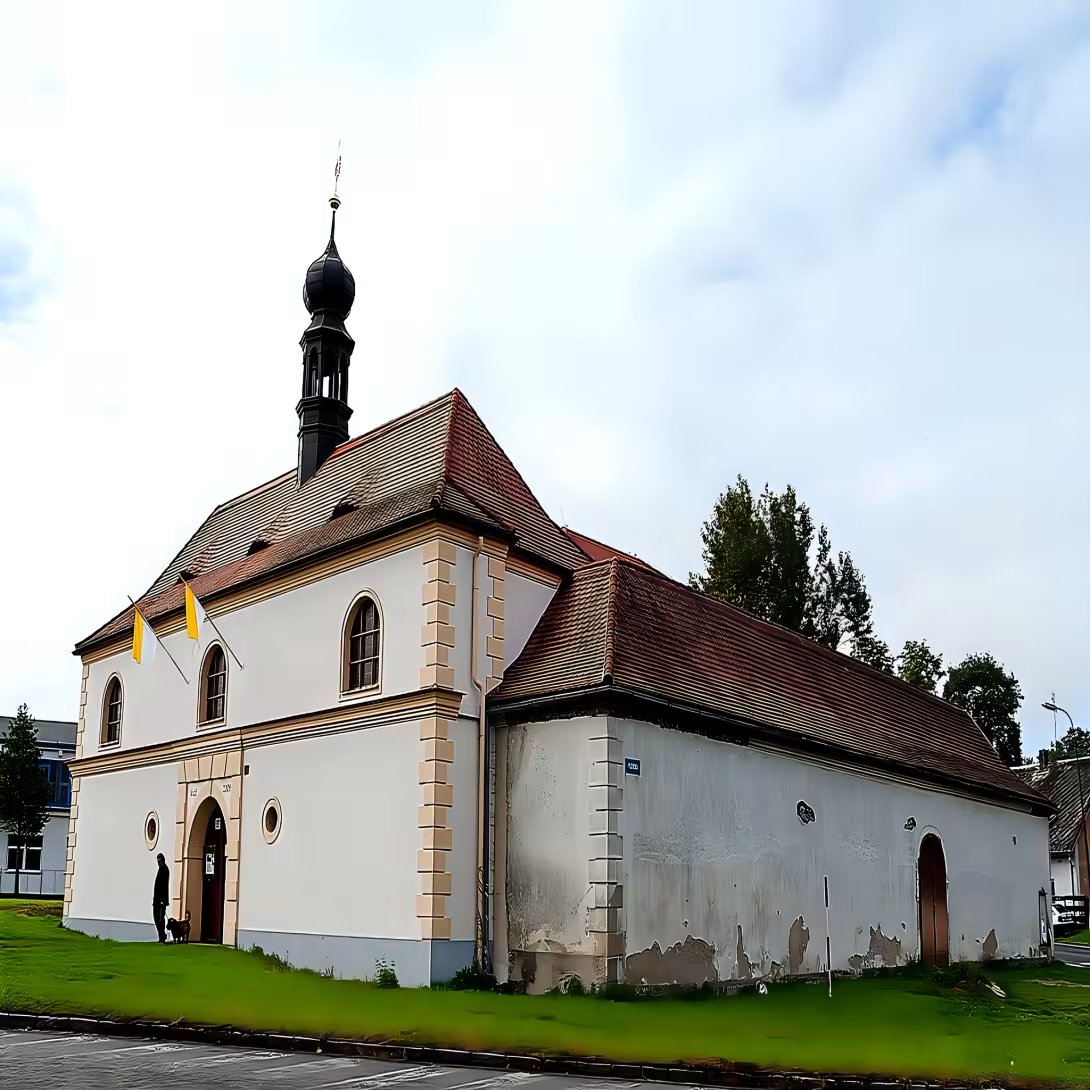
The Loretánská Chapel in Bor u Tachova is a Baroque chapel situated in the village of Bor within the Plzeňský kraj region of the Czech Republic. Built in 1668 by Zikmund Bedřich hrabě z Kočova and Isabela Marie, it stands as a cultural monument celebrated for its historical importance and architectural elegance. The chapel is renowned not only as a pilgrimage site but also for its rich artistic heritage, featuring frescoes that illustrate Marian legends and scenes from the lives of saints.
The origins of Loretánská Chapel date back to 1668 when it was established by Zikmund Bedřich hrabě z Kočova and Isabela Marie. It replaced a smaller Mariánská Chapel, founded in 1588 by Bušek and Bohuslav ze Švamberka. Positioned east of the local castle, its visibility from afar made it an important spiritual landmark for pilgrims. Over time, the chapel has undergone various transformations reflecting both religious devotion and artistic evolution.
Architecturally, Loretánská Chapel is characterized by its Baroque style, with significant expansions occurring in 1685. The original Santa Casa was enhanced with a ground-level ambulatory and an upper two-winged addition on the northeast side. This expansion included frescoes from the late 18th century, created during the tenure of loretánský kaplani Ondřej Stettner and Josef Dobner. These artworks are notable for their depiction of Marian legends and scenes involving saints, evangelists, prophets, and Czech patrons. The chapel's design emphasizes simplicity and modesty, with a façade that reflects the humble legend of Santa Casa through its unadorned surfaces and minimalistic detailing.
Ownership and administration of the chapel have seen significant figures such as Zikmund Bedřich hrabě z Kočova and Isabela Marie playing pivotal roles in its establishment. Over time, the chapel experienced periods of decline and revival, notably when pilgrimages to Černá Madona borská ceased towards the end of the 18th century. The site was described as abandoned by mid-19th century but saw a resurgence due to the efforts of kněz Andreas Riedl. A significant event in its history occurred on May 2, 1945, when it sustained damage during shelling by the American army. However, pilgrimages were successfully revived on September 8, 1991.
Today, Loretánská Chapel remains a site of cultural and historical interest. It underwent restoration in 1994, which included structural repairs and the installation of a new roof with a copper-covered sanctuary tower. The chapel houses some of the last wooden fakule used for lighting its interior, adding to its unique charm. Visitors can appreciate not only the architectural beauty but also the rich history encapsulated within its walls.
Loretánská Chapel in Bor u Tachova offers a glimpse into the Baroque period's religious and artistic expressions in Bohemia. Its historical significance as a pilgrimage site, combined with its architectural and artistic features, makes it a worthwhile destination for those interested in exploring Czech cultural heritage. Visitors are invited to experience this remarkable monument, where history and art converge in a serene setting.
Then and now
Drag the slider to compare how the landmark may have looked when it was built with the view today.
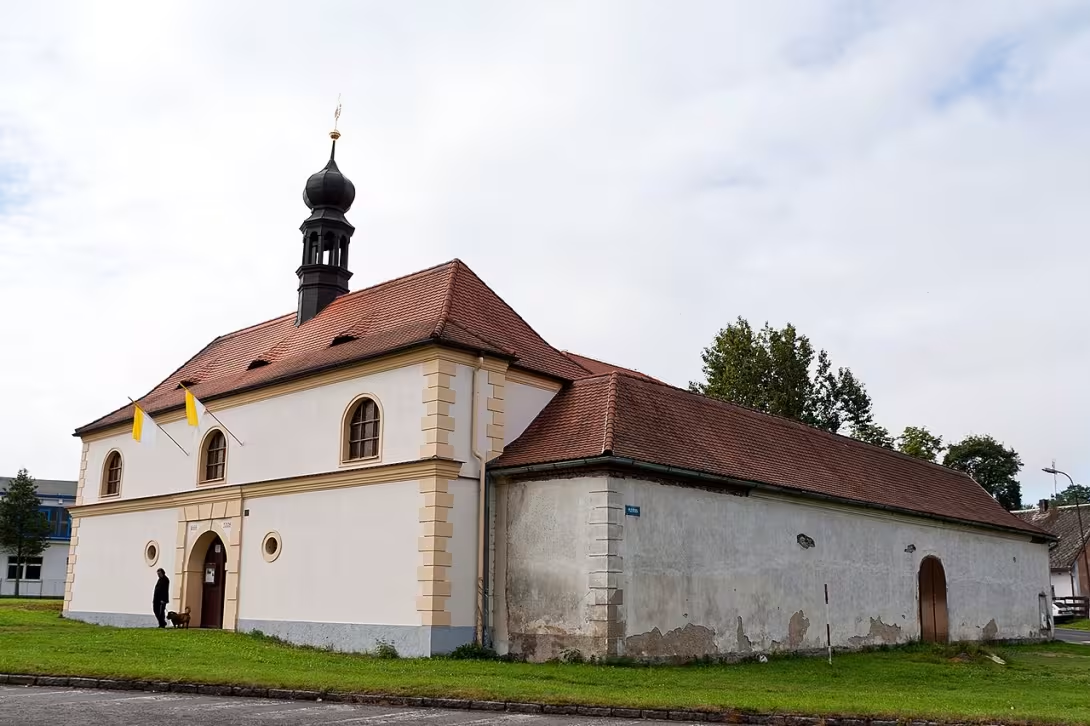
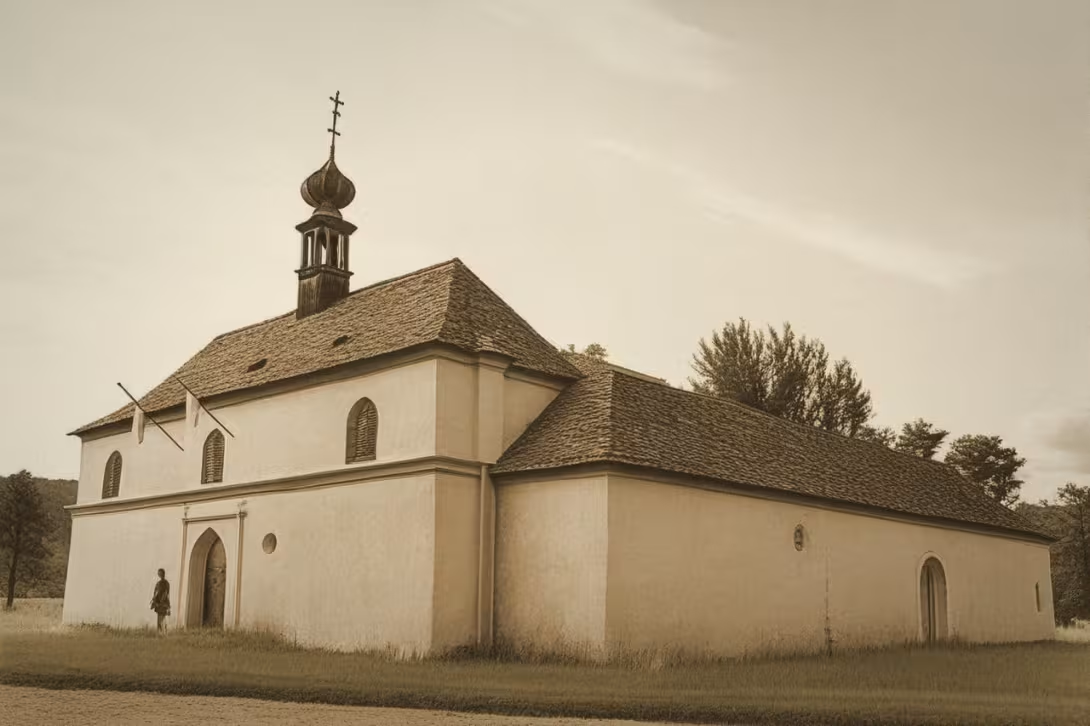
The historical appearance on the left is an AI-generated visualisation and serves as inspiration only.
Historical milestones
- 1668
- Construction of the chapel by Zikmund Bedřich hrabě z Kočova and Isabela Marie.
- 1945
- The chapel was damaged during shelling by the American army on May 2, 1945.
Architectural development
The original Santa Casa was expanded in 1685 with a ground-level ambulatory and an upper two-winged addition. The frescoes inside date back to the late 18th century, created during the tenure of loretánský kaplani Ondřej Stettner and Josef Dobner. In 1994, significant restoration work was carried out, including a new roof and structural repairs.
Historical events
- 1668
- Construction of Loretánská kaple by Zikmund Bedřich hrabě z Kočova and Isabela Marie.
- 1945
- The chapel was damaged during shelling by the American army on May 2, 1945.
- 1991
- Pilgrimages to the chapel were revived on September 8, 1991.
Points of interest
- The Loretánská Chapel replaced an earlier Mariánská Chapel founded in 1588 by Bušek and Bohuslav ze Švamberka, highlighting a long-standing tradition of Marian devotion in the area.
- In 1945, the chapel was damaged during shelling by the American army on May 2nd, marking a turbulent moment in its history amidst World War II's broader European conflicts.
- The chapel houses some of the last wooden fakule used for lighting, offering a rare glimpse into historical practices of illumination within sacred spaces.
- Pilgrimages to Černá Madona borská ceased towards the end of the 18th century, leading to a period where the chapel was described as abandoned by the mid-19th century before its revival.
- Restoration efforts in 1994 included not only structural repairs but also the installation of a new roof with a copper-covered sanctuary tower, preserving its architectural integrity for future generations.
Guide
This guide is narrated by a synthetic voice generated by artificial intelligence.
Show guide text
This text was created by artificial intelligence and has not been editorially reviewed. It may contain inaccuracies.
Welcome to the Loretánská kaple in Bor u Tachova, a remarkable Baroque chapel nestled within this charming village. As you stand here, take a moment to absorb your surroundings—the serene atmosphere and the sense of history that emanates from this cultural monument of the Czech Republic.
The story of this chapel begins in 1668 when it was constructed by Zikmund Bedřich hrabě z Kočova and Isabela Marie. Their intention was not just architectural but deeply personal, as they sought to create a space for Marian devotion—a tradition that has roots stretching back even further in Bor's history.
Architecturally, the chapel may appear simple at first glance, yet it holds significant details worth noticing. As you look around, take note of the frescoes adorning its interior walls from the late 18th century. These artworks depict Marian legends and scenes from the lives of saints, offering a glimpse into the spiritual narratives that have shaped this place.
The chapel stands on historical grounds, replacing an earlier Mariánská Chapel founded in 1588 by Bušek and Bohuslav ze Švamberka. This continuity highlights Bor's long-standing tradition of Marian devotion—a thread woven through its cultural tapestry over centuries.
In the tumultuous days of May 2, 1945, the chapel faced adversity when it was damaged during shelling by the American army. This moment marked a turbulent chapter in its history, yet also underscores the resilience and enduring significance of this sacred site.
As you continue to explore, let your curiosity guide you. Consider the lives of those who have walked these grounds before—Zikmund Bedřich hrabě z Kočova and Isabela Marie, whose vision gave birth to this chapel, or the countless individuals who have found solace within its walls over the centuries.
We invite you to linger a little longer, to delve deeper into the stories that echo through this place. Whether it’s reflecting on its architectural beauty, pondering its historical narratives, or simply enjoying the tranquil ambiance, Loretánská kaple offers something for everyone.
Thank you for joining us on this journey through time and devotion. We hope your visit has been as enriching for you as it is for us to share this remarkable piece of history. Safe travels as you continue to discover more wonders in Bor u Tachova.
Tips for visitors
The best time to visit Loretánská kaple v Boru u Tachova is during the late spring or early autumn months, when the weather is mild and pleasant for exploring outdoor sites. The chapel's Baroque architecture is beautifully illuminated by the soft light of these seasons, enhancing its intricate details. Additionally, visiting outside peak summer months can provide a more serene experience with fewer crowds.
Parking and transportation options are convenient for visitors to Loretánská kaple. There is parking available near the chapel, making it accessible for those traveling by car. For public transport users, the chapel is reachable via local bus services; however, it's advisable to check current routes and schedules through a travel planner or official website before your visit.
When visiting Loretánská kaple, consider bringing comfortable walking shoes as you may want to explore the surrounding area. A camera is also recommended for capturing the chapel’s architectural beauty. Since there are no specific restrictions on photography within the chapel, visitors can take photos to remember their visit. Additionally, bring a light jacket or sweater as temperatures can vary throughout the day.
For those interested in photography, some of the best spots around Loretánská kaple include the eastern side where the morning light softly illuminates the chapel’s facade. The flat landscape surrounding the site offers excellent opportunities for wide-angle shots that capture both the chapel and its historical context within Bor. Early mornings or late afternoons are ideal times to take advantage of the natural lighting.
In addition to Loretánská kaple, visitors can explore other historical sites within a 30-minute drive in the region. The nearby castle offers an intriguing glimpse into the area's past and is worth visiting for its own architectural significance. Families with children might also enjoy exploring the local village of Bor, which provides a charming setting to experience traditional Czech culture.
Businesses nearby
Do you run a restaurant, accommodation, shop, museum, rental, wellness or other visitor service near this monument? Show yourself directly to the people heading to it — this is how they will see you in the app and on the web:
Events nearby

Zdroj akcí: otevřená data měst a obcí ČR (Národní katalog otevřených dat) a kalendář akcí Národního památkového ústavu.
Nearby
Located east of a castle in Bor, the chapel is surrounded by a flat landscape. It stands near other historical sites within the region, offering a glimpse into the area's cultural heritage.
Accommodation nearby
Themed route
Thematic Walking Tour: Loretánská Kaple and Surroundings
1. Loretánská Kaple v Boru u Tachova (Chapel) - *Type:* Religious Site - *Why Visit:* This exquisite baroque chapel, located just east of the castle in Bor, is renowned for its intricate architecture and serene atmosphere. It offers a glimpse into the region's rich cultural heritage and serves as an ideal starting point for exploring the historical charm of Bor.
2. Castle Ruins (Hrad) - *Type:* Historical Site - *Why Visit:* A short walk east from the chapel, the castle ruins provide a fascinating insight into Bor’s medieval past. The remnants of this once-majestic fortress offer panoramic views of the surrounding flat landscape and serve as a testament to the area's strategic importance throughout history.
3. Historical Cemetery (Stará hřbitov) - *Type:* Cultural Site - *Why Visit:* Located near the castle ruins, the historical cemetery is an important cultural site that reflects the local traditions and history of Bor. The gravestones and monuments tell stories of generations past, offering a reflective space for visitors to connect with the community's heritage.
4. Local Historical Museum (Místní historické muzeum) - *Type:* Cultural Site - *Why Visit:* Situated within walking distance from the chapel, this museum showcases artifacts and exhibits that highlight Bor’s historical development and cultural significance. It provides an educational experience for those interested in understanding the region's evolution over time.
5. Traditional Craft Workshop (Tradiční řemeslná dílna) - *Type:* Cultural Experience - *Why Visit:* Conclude your tour with a visit to a local craft workshop, where you can witness traditional skills and techniques being practiced. This experience offers an interactive way to appreciate the craftsmanship that has been passed down through generations in Bor.
This thematic walking tour provides a comprehensive exploration of Bor's historical and cultural landscape, beginning and ending near the Loretánská Kaple, with each stop offering unique insights into the area's rich heritage.
Seasonal recommendations
Spring: Visiting the Loretánská Kaple during spring offers a vibrant display of nature as cherry blossoms and wildflowers begin to bloom, creating a picturesque backdrop for your exploration of this historic site. The longer daylight hours provide ample time to appreciate both the natural beauty surrounding the chapel and its architectural details. While the weather can be unpredictable with occasional rain showers, it's recommended to bring a light waterproof jacket. Spring tends to attract fewer visitors than summer, allowing for a more peaceful experience.
Summer: Summer is an ideal time to visit Loretánská Kaple in Bor u Tachova, when the lush greenery and clear skies enhance the chapel’s serene atmosphere. The warm weather invites longer stays outdoors, perfect for leisurely walks around the area after your visit. However, this season also sees higher visitor numbers, especially during peak holiday periods, so it's advisable to arrive early in the day to avoid crowds. Comfortable walking shoes and light clothing are recommended, along with sun protection.
Autumn: Autumn brings a stunning transformation to the landscape surrounding Loretánská Kaple, as the foliage turns into rich hues of orange, red, and gold. The cooler temperatures make for pleasant visiting conditions without the summer crowds, offering a more intimate experience. This is also an excellent time for photography enthusiasts looking to capture the chapel amidst the seasonal colors. Dressing in layers will help accommodate the variable weather, which can range from crisp mornings to milder afternoons.
Winter: The winter months at Loretánská Kaple offer a unique and tranquil experience with snow-covered surroundings that add a magical touch to its historic charm. Shorter days mean earlier closures, so plan your visit accordingly to make the most of the daylight hours. While the cold weather might deter some visitors, it provides an opportunity for those who enjoy quieter settings. Be sure to wear warm clothing, including hats and gloves, and consider bringing along hot beverages to enjoy during your visit.
Visualizations and artistic views


The visualisations are generated by artificial intelligence and serve as inspiration.
Photos from the area
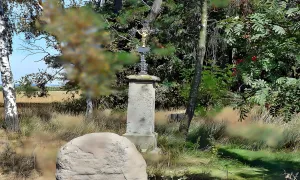
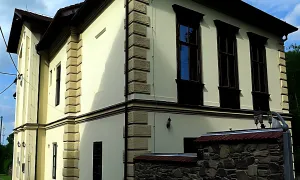
Real photos taken near the monument


Zdroj a licence jsou uvedeny u každého snímku.
Atmosphere of the place
This atmospheric visualisation of the place and period was generated by artificial intelligence. It is not real footage of the location.
Tips from visitors
No tips yet. Be the first!
Log in and add your tip.
Sources and literature
Fotografie: Michal Pilař / CC BY-SA 3.0, rozlišení zvýšeno umělou inteligencí — Wikimedia Commons. The author and licence also appear when you hover over the image.
Faktickým podkladem tohoto textu byl článek na Wikipedii, jehož autory jsou přispěvatelé Wikipedie. Článek je dostupný pod licencí CC BY-SA 4.0.
Location on the map

Příběhy a pověsti
Legendy, pověsti a příběhy spjaté s touto památkou
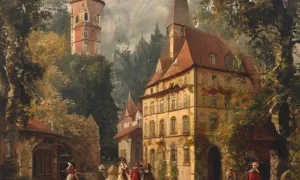
Příběh: Loretánská kaple v Boru u Tachova
Bylo to v pondělí ráno, kdy Janoš z Boru opovrhlejícím srdcem stál uvnitř Loretánské kaple, pohledem sevřeným do místnosti ozářené slunečními paprsky, které …
Číst příběh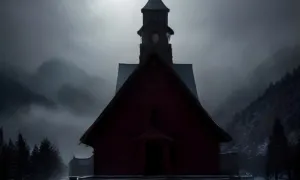
Pověst: Loretánská kaple v Boru u Tachova
Podle místní pověsti sahají kořeny borské Lorety hluboko do doby, kdy Švamberkové ještě vládli zdejšímu kraji a kdy na mírném návrší na kraji městečka stála …
Číst příběhFotografie návštěvníků
Zatím žádné fotografie. Buďte první, kdo přidá fotografii z návštěvy!
Přihlaste se a přidejte svou fotografii nebo hodnoťte.
Za ověřenou návštěvu v aplikaci získáte víc bodů — poznáme podle GPS, že jste na místě.
Reviews and comments