






Ludvíkův mlýn Mill
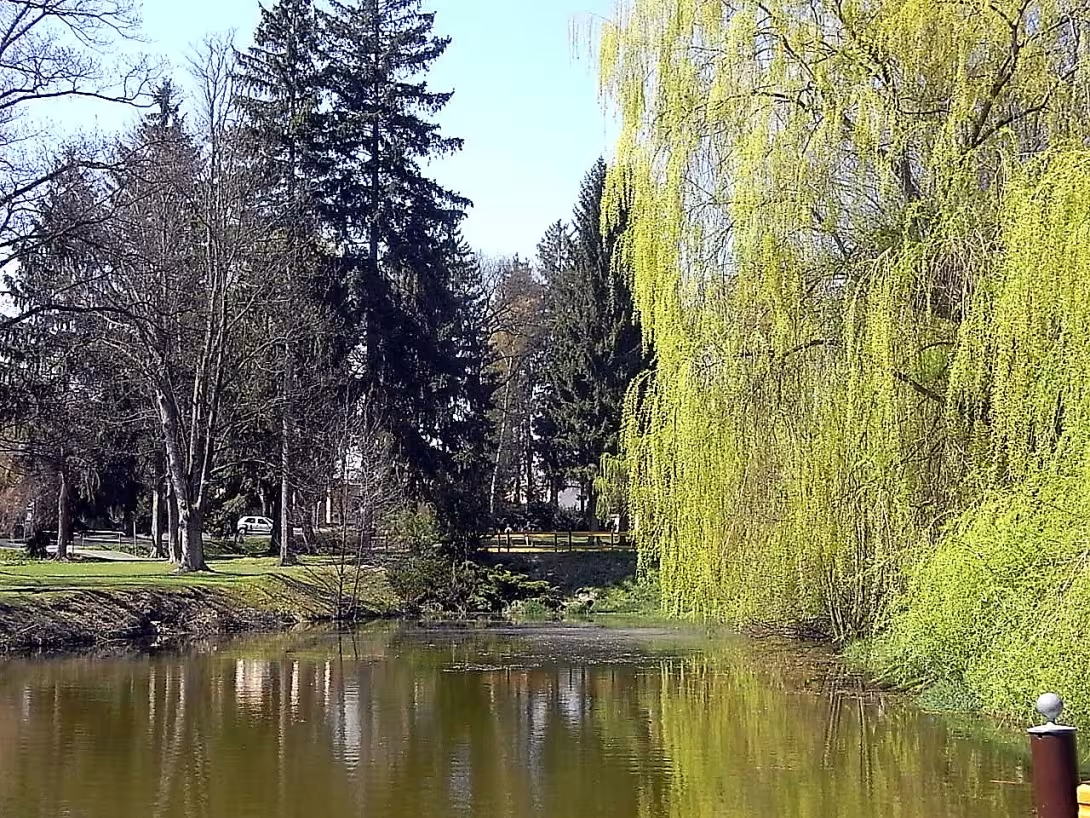
Objekt se nedochoval — na místě dnes nestojí. Následující text popisuje jeho historii, ne současnou návštěvu.
Ludvíkův mlýn, also known as Felixovic or Hlaváčův mlýn, was a historic water mill located in Domažlice, Czech Republic. Situated near the Peace Square, it symbolized technological progress from traditional water wheels to modern turbines. Although demolished for road construction in 1964, Ludvíkův mlýn remains an emblem of the city's cultural heritage due to its historical significance and architectural evolution.
The mill was first mentioned in 1512 when Jan Nosek worked there, marking its early presence in Domažlice’s history. Over time, it transitioned through various ownerships, notably coming into the possession of Jiří Ludvík in 1662, after which it remained with his family until 1933. This period saw the mill adapting to technological advancements and changing political landscapes, including significant events like the Thirty Years' War and both World Wars.
Architecturally, Ludvíkův mlýn underwent notable changes throughout its existence. Initially equipped with wooden water wheels, it transitioned to cylindrical shafts in 1907, reflecting broader industrial trends of the time. By the early 1940s, a Francis turbine replaced these traditional milling methods, marking a shift towards more modern technology and efficiency.
Ownership and administration of Ludvíkův mlýn saw several transitions that mirrored its technological evolution. After Jan Nosek's tenure in 1512, Albrecht, son of Jindřich from a neighboring mill, took over before Jiří Ludvík acquired it in 1662. The mill remained with the Ludvík family until 1933, during which time significant changes were made to its operation and structure.
Key events at Ludvíkův mlýn include its adaptation from water wheels to a Francis turbine during World War II, reflecting broader technological advancements in milling. Despite ceasing operations following a decision by the Protectorate government, it was protected as a cultural monument between 1958 and 1980 before being demolished for road construction in 1964.
Today, the site of Ludvíkův mlýn is characterized by modern infrastructure near the Peace Square in Domažlice. Although the physical structure no longer exists, its historical significance endures as a symbol of the city's cultural heritage and technological progress. Visitors to Domažlice can appreciate the mill’s legacy through the stories and history it represents.
Ludvíkův mlýn stands as a testament to the evolution of milling technology and the rich tapestry of Domažlice's history. Its story invites reflection on how past innovations continue to shape our present, making it an intriguing site for those interested in cultural heritage and technological advancement.
Historical milestones
- 1512
- The mill is first mentioned with Jan Nosek as the miller.
- 1662
- Jiří Ludvík became the owner of the mill.
- 1958
- The mill was protected as a cultural monument until 1980.
Architectural development
Ludvíkův mlýn underwent significant architectural changes over its history. Initially equipped with wooden water wheels, it transitioned to cylindrical shafts in 1907. By the early 1940s, a Francis turbine was installed, marking a shift from traditional milling methods to more modern technology.
Historical events
In the early 20th century, the original wooden water wheels were replaced by cylindrical shafts in 1907.
During World War II, a Francis turbine was installed in place of the water wheels.
The mill ceased operations following a decision by the Protectorate government and was later demolished in 1964 for road construction.
Owners
The mill was first mentioned in 1512 when Jan Nosek worked there. It later belonged to Albrecht, son of Jindřich from a neighboring mill. In 1662, Jiří Ludvík acquired it, and it remained with his family until 1933.
Points of interest
- Despite its destruction in 1964 for road construction, Ludvíkův mlýn's legacy is preserved through local stories and historical records that highlight its role as a symbol of technological progress in Domažlice.
- The mill's transition from wooden water wheels to a Francis turbine during World War II represents one of the earliest adoptions of such modern technology in Czech milling, showcasing an innovative spirit ahead of its time.
- Before becoming known as Ludvíkův mlýn, it was referred to as Felixovic or Hlaváčův mlýn, reflecting changes in ownership and possibly local influence over its identity throughout history.
- The mill's strategic location near the Peace Square not only facilitated its operation but also positioned it as a central landmark within Domažlice, contributing to its historical significance beyond just milling activities.
- During its operational years, Ludvíkův mlýn adapted through various political and social upheavals, including surviving the Thirty Years' War and both World Wars, demonstrating resilience in maintaining its function amidst turbulent times.
Guide
This guide is narrated by a synthetic voice generated by artificial intelligence.
Show guide text
This text was created by artificial intelligence and has not been editorially reviewed. It may contain inaccuracies.
Welcome to one of the most interesting historical landmarks in Domažlice. You are standing before Ludvíkův mlýn, also known as Felixovic or Hlaváčův mlýn. This mill symbolizes technological progress from water wheels to turbines. The mill has a modest but striking architectural solution with a gabled roof and small decorative elements. The cladding is smoothly plastered to minimize the impact of weather on the structure.
Let's delve into history. The first mention of the mill dates back to 1512, when Jan Nosek was its miller. In 1662, Jiří Ludvík became the owner and his family became associated with this location. The mill was protected as a cultural monument until 1980.
Notice how the spacious facades are smoothly plastered to minimize weather impact on the structure. The mill has a modest but striking architectural solution with a gabled roof and small decorative elements. Take a look at the front, where you can see how architecture adapted to its time. The mill was built during an era when humanity increasingly focused on technological progress.
Now pay attention to the personalities who made their mark in the history of this place. Jan Nosek was the first miller responsible for the mill in 1512. stoletíes later, a family became associated with this location. The mill was an important element for the local community and symbolized technological progress.
Here's one interesting fact that might intrigue you. Despite its destruction in 1964 for road construction, Ludvíkův mlýn remains a symbol of technological progress in Domažlice. Its history is preserved in local tradition and historical records that highlight its significance in the field of technical advancement.
Allow me to invite you to further explore this historic landmark. Before you stands one of the most interesting historical objects in Domažlice. Ludvíkův mlýn is a symbol of technological progress, with a history full of intriguing stories and personalities. I hope you enjoy this story and that you will return to Domažlice to explore more local cultural heritage.
Businesses nearby
Do you run a restaurant, accommodation, shop, museum, rental, wellness or other visitor service near this monument? Show yourself directly to the people heading to it — this is how they will see you in the app and on the web:
Events nearby
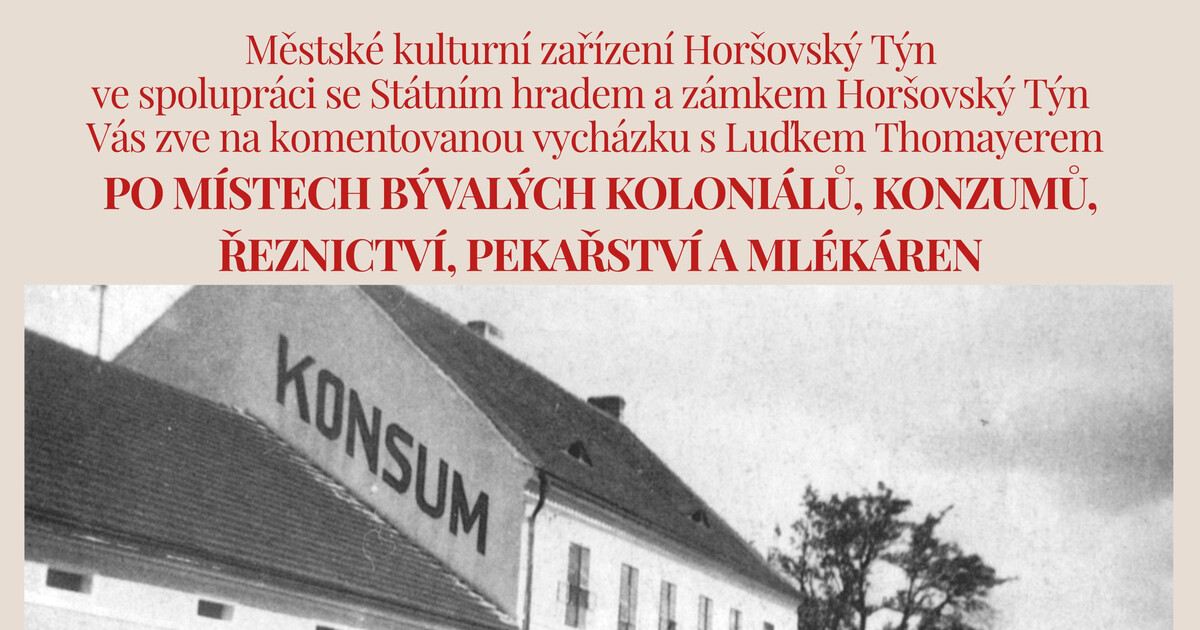

Zdroj akcí: otevřená data měst a obcí ČR (Národní katalog otevřených dat) a kalendář akcí Národního památkového ústavu.
Nearby
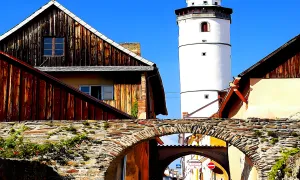
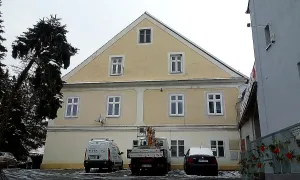
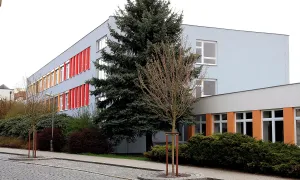
Ludvíkův mlýn was located near the Peace Square in Domažlice, an area now characterized by modern infrastructure. The site once featured a circular roundabout where the mill stood.
Visualizations and artistic views


The visualisations are generated by artificial intelligence and serve as inspiration.
Photos from the area
Real photos taken near the monument


Zdroj a licence jsou uvedeny u každého snímku.
Tips from visitors
No tips yet. Be the first!
Log in and add your tip.
Sources and literature
Faktickým podkladem tohoto textu byl článek na Wikipedii, jehož autory jsou přispěvatelé Wikipedie. Článek je dostupný pod licencí CC BY-SA 4.0.
Location on the map

Příběhy a pověsti
Legendy, pověsti a příběhy spjaté s touto památkou

Fotografie návštěvníků
Zatím žádné fotografie. Buďte první, kdo přidá fotografii z návštěvy!
Log in a přidejte svou fotografii nebo hodnoťte.
Za ověřenou návštěvu v aplikaci získáte víc bodů — poznáme podle GPS, že jste na místě.
Reviews and comments