






Kostel Narození Panny Marie (Domažlice) Church
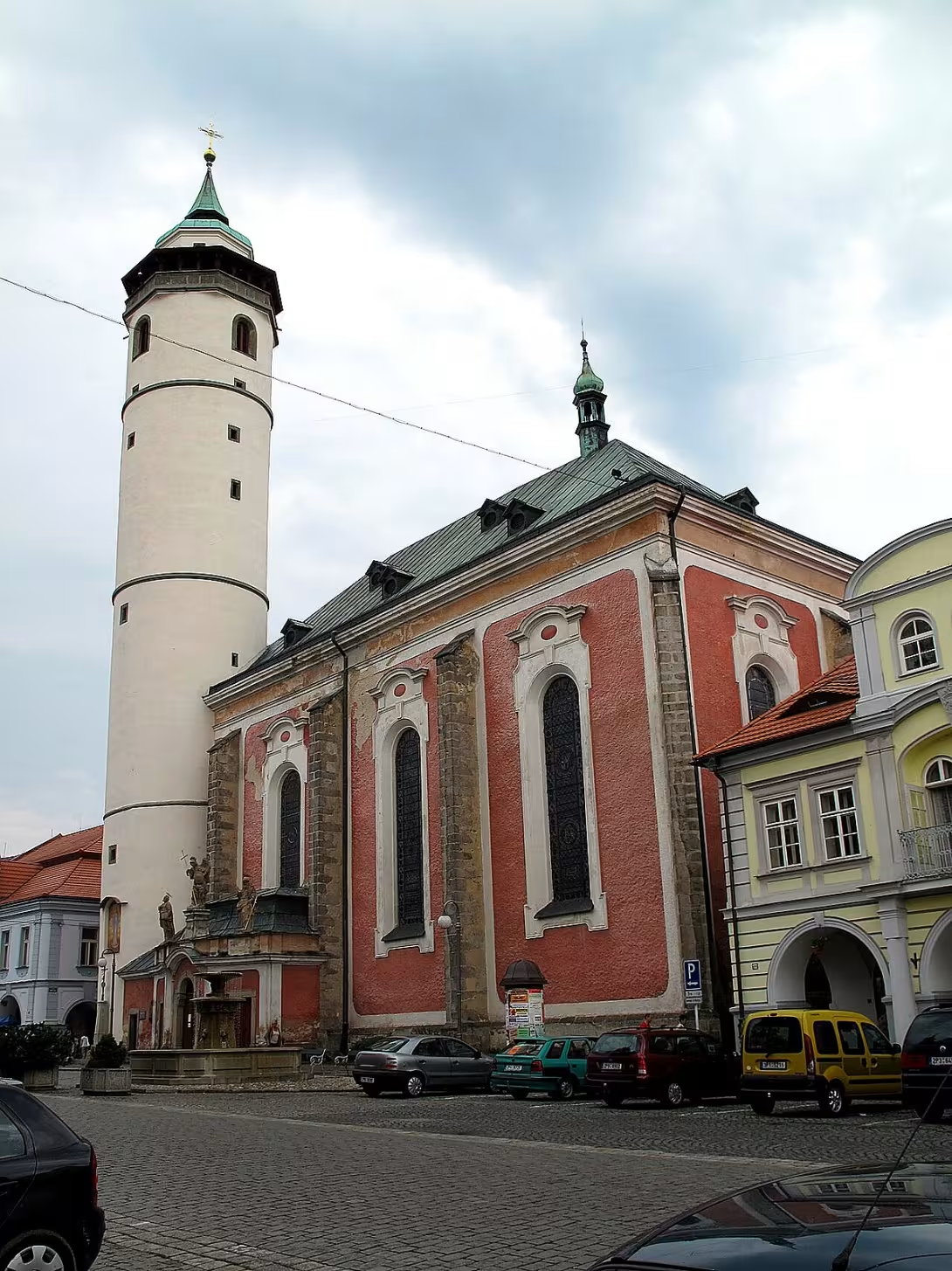
The Church of the Nativity of the Virgin Mary in Domažlice is a significant cultural monument within the town. Recognized for its historical and architectural importance, it was established in the second half of the 13th century. This parish church has undergone various transformations, resulting in its current late Baroque form with additional modifications over time. Its evolution from an early Gothic structure to a three-nave design highlights its rich history and cultural value.
The origins of the Church date back to around 1270 or possibly the 70s of the 13th century, during a period when Bohemia was part of the Holy Roman Empire under King Ottokar II. This era saw significant political and cultural developments, including the spread of Gothic architecture, which influenced the church's initial construction as a two-nave hall with merged nave and chancel. By the 15th century, renovations added a vault and altered its layout to three naves, reflecting architectural trends.
Architecturally, the church features early Gothic elements transitioning into Baroque style through significant modifications between 1751 and 1756. Jiří Záhořík led these alterations, consulting with Kilián Ignác Dientzenhofer. Further changes were made to the façades between 1902 and 1903 under architect Václav Kaura. The design includes a single-nave structure without a distinct chancel area, featuring side aisles covered by four-part cross-ribbed vaults. One of these vaulted areas houses a chapel dedicated to Saint Barbara, while the northern side features a barrel-vaulted chapel of the Virgin Mary.
The church's artistic elements are rich and varied. Two early Gothic portals have been preserved, with one located on the western side being walled up. The nave is covered by three fields of plank vaulting, adorned with paintings depicting scenes from the life of the Virgin Mary. Additionally, a loft in the western section features a fresco of Saint Cecilia by František Julius Luxe. The main altar's illusionistic painted architecture and wall painting in the chapel of Saint Barbara are also attributed to him. Other notable artworks include a statue of Madonna by Munich sculptor F. N. Rietzler from 1876, and a retabulum originally placed in the chapel of Saint Barbara, crafted in 1744 by Prague silversmith A. Karer.
The church's interior is further enhanced by two side altars from the latter third of the 18th century, adorned with lattice and rocaille ornaments featuring sculptures of Saints Peter and Paul, Saint Christopher, and Saint James. Opposite these are an altar dedicated to Saint Anne with a sculpture of the patron saint by František Ringelhahn, and another altar depicting Piety from the late third quarter of the 18th century. The chapel of Saint Barbara houses a neo-Gothic altar with a statue of Saint Wenceslas from the 19th century, while the chapel of Our Lady of the Rosary contains a portal altar from the mid-17th century and an 18th-century baptismal font.
An intriguing feature of the church is its bell tower located in the southwest corner. Its age remains uncertain, with possibilities ranging from the 13th to the 15th centuries. Originally separated from the church by a narrow alley, it was constructed incrementally, reaching its current height by 1545.
Today, the Church of the Nativity of the Virgin Mary is accessible to visitors and stands as a testament to the architectural and cultural heritage of Domažlice. Its historical significance, combined with its artistic treasures, makes it a worthwhile destination for those interested in exploring the rich tapestry of Czech history and architecture. Visitors are invited to appreciate this remarkable monument, which continues to be an integral part of the town's cultural landscape.
Then and now
Drag the slider to compare how the landmark may have looked when it was built with the view today.
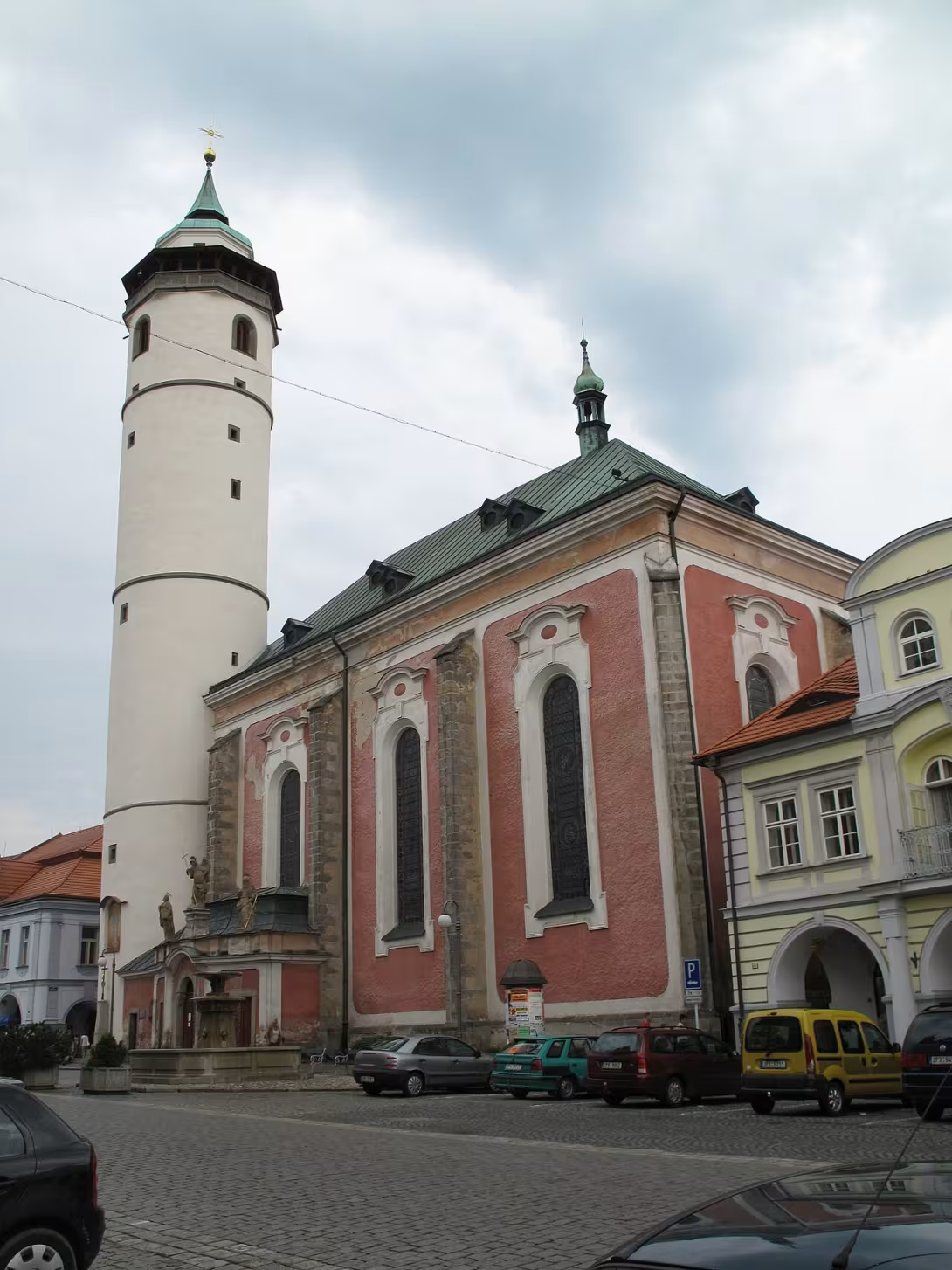
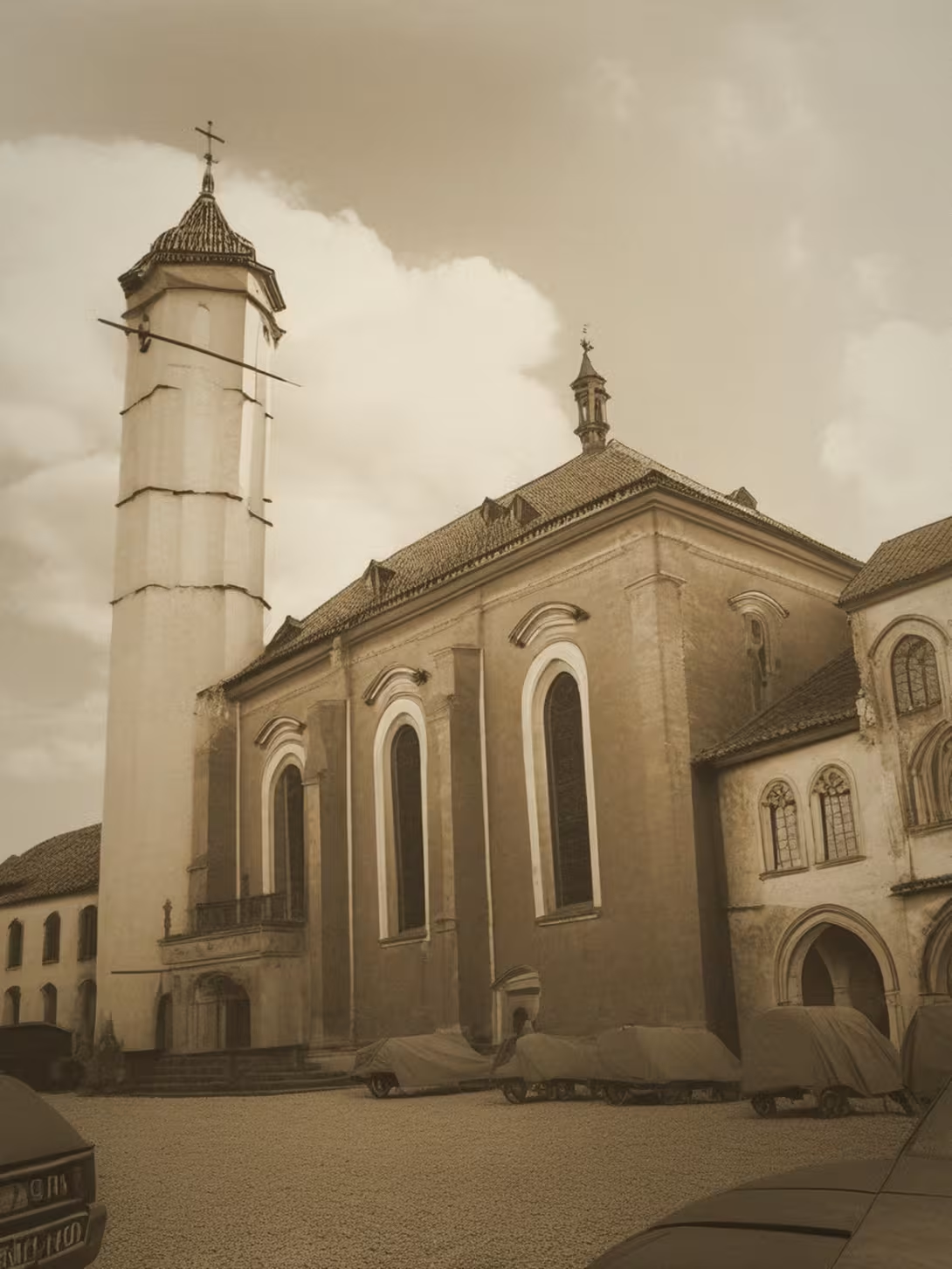
The historical appearance on the left is an AI-generated visualisation and serves as inspiration only.
Historical milestones
- 1270
- The church was founded.
- 15th century
- Renovations included adding a vault and changing the layout to three naves.
Architectural development
Initially built as a two-nave hall church with merged nave and chancel in early Gothic style, the structure was later transformed into a three-nave design. The Baroque modifications from 1751-1756 were led by Jiří Záhořík, who consulted Kilián Ignác Dientzenhofer. Further changes to the façades occurred between 1902 and 1903 under architect Václav Kaura.
Historical events
The church was founded around 1270 or in the 70s of the 13th century.
In the 15th century, it underwent renovations that included adding a vault and changing its layout to three naves.
Points of interest
- The Church of the Nativity of the Virgin Mary in Domažlice is one of the few churches that showcase a transition from early Gothic to Baroque architecture within its structure, reflecting broader European architectural trends over several centuries.
- During renovations between 1751 and 1756, the church underwent significant changes under the guidance of architect Jiří Záhořík with input from Kilián Ignác Dientzenhofer, a prominent figure in Baroque architecture, which highlights its connection to major architectural movements of the time.
Guide
This guide is narrated by a synthetic voice generated by artificial intelligence.
Show guide text
This text was created by artificial intelligence and has not been editorially reviewed. It may contain inaccuracies.
Welcome to the Church of the Nativity of the Virgin Mary in Domažlice! As you stand here, take a moment to absorb the grandeur of this historic parish church nestled within the charming town of Domažlice. Its presence is both commanding and serene, inviting you into its storied past.
The origins of this magnificent structure trace back to the second half of the 13th century, around 1270, when it was first founded. Over time, this site has witnessed significant transformations that reflect broader European architectural trends. Initially established in an era rich with Gothic influences, the church evolved through various renovations and stylistic shifts.
As you gaze upon its structure, notice how the architecture seamlessly transitions from early Gothic to Baroque elements. This blend is a rare sight, making it one of the few churches to showcase such a transformation within its walls. The late Baroque modifications that followed have left an indelible mark on its current form.
In the 15th century, the church underwent renovations that included adding a vault and altering its layout to feature three naves. These changes not only enhanced its structural integrity but also enriched its aesthetic appeal. During later renovations between 1751 and 1756, further modifications were made under the guidance of notable architects like Jiří Záhořík, Kilián Ignác Dientzenhofer—who consulted on these changes—and Václav Kaura.
While there are no specific historical figures tied to this site in our records, its architectural journey speaks volumes. The church stands as a testament to the evolving artistry and craftsmanship over centuries, reflecting the cultural heritage of the Czech Republic.
One intriguing aspect of this church is how it encapsulates the transition from early Gothic to Baroque architecture—a narrative that mirrors broader European trends. It's fascinating to think about how each architectural style was influenced by the times and how they coexist here in harmony.
As you continue your exploration, take a moment to appreciate the craftsmanship and historical significance embedded within its walls. Whether it's the intricate details of its facade or the serene atmosphere inside, there is much to discover and admire.
Thank you for joining us on this journey through time at the Church of the Nativity of the Virgin Mary in Domažlice. We invite you to delve deeper into its history and architecture as you wander around this remarkable site. Enjoy your visit!
Tips for visitors
The best time to visit the Church of the Nativity of the Virgin Mary in Domažlice is during late spring or early autumn, when the weather is pleasant for walking around the town and exploring its historic sites. These seasons offer mild temperatures and fewer crowds compared to summer, allowing you to fully appreciate the church's architecture and serene atmosphere. Additionally, visiting outside peak tourist season may provide better opportunities for photography without the interference of large groups.
Parking in Domažlice can be convenient as there are several parking areas within town limits where visitors can leave their vehicles. For those preferring public transportation, Domažlice is accessible by train and bus services from major cities like Prague and Plzeň. It's advisable to check the latest schedules online or at local information centers to plan your journey effectively.
When visiting the church, it’s recommended to bring comfortable walking shoes as you’ll likely explore more of Domažlice beyond just the church itself. A camera is essential for capturing the stunning Gothic architecture and intricate details of the church's interior. Additionally, carrying a light jacket or sweater can be useful since some areas inside the building might feel cooler.
For photography enthusiasts, the best spots to capture the Church of the Nativity of the Virgin Mary are from outside its main entrance where you can frame it with the surrounding townscape, and from within the church itself, focusing on stained glass windows and altars. The soft morning light or late afternoon sun provides ideal conditions for highlighting architectural details without harsh shadows.
Nearby attractions within a 30-minute drive include the Domažlice Castle, which offers panoramic views of the city and surrounding landscapes, and the Museum of Glass in Nový Bor, known for its extensive collection of glass art. Both are excellent options for families looking to explore more of the region's cultural heritage.
For families with children, consider visiting during a time when local events or festivals might be taking place, as these can add an extra layer of enjoyment and engagement for younger visitors. The church grounds often host family-friendly activities that provide educational insights into its history in an interactive manner.
Businesses nearby
Do you run a restaurant, accommodation, shop, museum, rental, wellness or other visitor service near this monument? Show yourself directly to the people heading to it — this is how they will see you in the app and on the web:
Events nearby


Zdroj akcí: otevřená data měst a obcí ČR (Národní katalog otevřených dat) a kalendář akcí Národního památkového ústavu.
Accommodation nearby
Themed route
Thematic Walking Tour: Birth of the Virgin Mary Church and Surroundings
1. Kostel Narození Panny Marie (Domažlice) - Type: Historic Church - Why Visit: This stunning Baroque church, completed in 1733, is a masterpiece designed by architect Kilian Ignaz Dientzenhofer. Its intricate façade and richly decorated interior make it a must-see for architecture enthusiasts. The church's historical significance as part of the town’s spiritual heritage adds to its allure.
2. Domažlické náměstí - Type: Town Square - Why Visit: Located just a short walk from the church, Domažlické náměstí is the heart of Domažlice. The square offers a glimpse into the town's vibrant history with its charming buildings and lively atmosphere. It’s an ideal spot to relax after exploring the church or to enjoy local cafes.
3. Dům U Bílého lva - Type: Historic Building - Why Visit: Situated near Domažlické náměstí, this historic building is renowned for its architectural beauty and historical significance. Known as "House at the White Lion," it provides insight into the town’s rich past and offers a picturesque view of the surrounding area.
4. Dům U Červeného lva - Type: Historic Building - Why Visit: Just a short stroll from Dům U Bílého lva, this building is another architectural gem in Domažlice. Its name translates to "House at the Red Lion," and it stands as a testament to the town's historical charm and cultural heritage.
5. Domažlické muzeum - Type: Museum - Why Visit: Located conveniently within walking distance from the other sites, this museum offers an in-depth look at Domažlice’s history and culture. It features exhibits that provide context to the town's development and its architectural landmarks, enriching your understanding of the area.
This tour provides a comprehensive exploration of Domažlice’s historical and cultural highlights, focusing on key sites within walking distance from each other for an immersive experience.
Seasonal recommendations
Joy: Visiting the Church of the Nativity of the Virgin Mary in Domažlice during spring offers a unique experience where warm sun rays blend with a misty atmosphere. This time of year is ideal for exploring historical buildings in peace before the arrival of summer crowds, as nature begins to come alive and surrounding parks take on their most vibrant greenery. Visit the church in early afternoons when the sunlight is mild and pleasant for photography. It's recommended to wear comfortable clothing with a jacket option, as temperatures can be variable.
Summer: A summer visit to the Church of the Nativity of the Virgin Mary offers long sunny days and ideal conditions for exploring its historic interiors. Summer attracts the largest crowds, especially during peak season, so it’s best to go early in the morning to enjoy the church without unnecessary waiting. When planning your trip, don't forget light clothing and sun protection like a hat and sunglasses to ensure your experience is as comfortable as possible.
Autumn: Autumn brings unique lighting effects to the Church of the Nativity of the Virgin Mary when the sun sets early and trees begin to lose their leaves. This season offers a tranquil atmosphere, ideal for quietly appreciating the historical details of the church without concern for overcrowding. Given the cooler temperatures, it's advisable to dress in warmer clothing and perhaps bring an umbrella, as autumn can be unexpectedly damp. The best time to visit is early afternoon when sunlight streams through the church’s roofs.
Winter: A winter visit to the Church of the Nativity of the Virgin Mary offers a calm and quiet atmosphere with fewer visitors and sunlight streaming through the stained glass windows, bringing life into interior spaces. Cold temperatures mean shorter opening hours, so it's important to check current times before your visit. It is recommended to wear warm clothing, including coats and gloves, to enjoy your experience without discomfort. Visit on a sunny day for the best visual effects and comfort during your visit.
Visualizations and artistic views


The visualisations are generated by artificial intelligence and serve as inspiration.
Photos from the area
Real photos taken near the monument


Zdroj a licence jsou uvedeny u každého snímku.
Tips from visitors
No tips yet. Be the first!
Log in and add your tip.
Sources and literature
Fotografie: Dezidor / CC BY 3.0 — Wikimedia Commons. The author and licence also appear when you hover over the image.
Faktickým podkladem tohoto textu byl článek na Wikipedii, jehož autory jsou přispěvatelé Wikipedie. Článek je dostupný pod licencí CC BY-SA 4.0.
Location on the map
More monuments – Domažlice
Show all in the municipality


Příběhy a pověsti
Legendy, pověsti a příběhy spjaté s touto památkou
Fotografie návštěvníků
Zatím žádné fotografie. Buďte první, kdo přidá fotografii z návštěvy!
Přihlaste se a přidejte svou fotografii nebo hodnoťte.
Za ověřenou návštěvu v aplikaci získáte víc bodů — poznáme podle GPS, že jste na místě.
Reviews and comments