






Lyra Manor farm
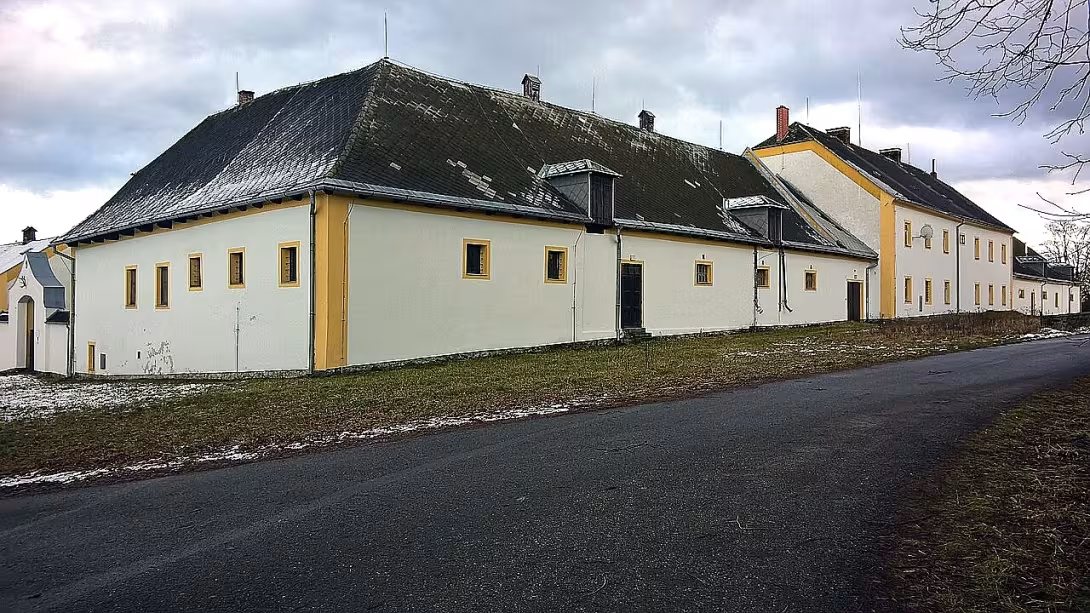
Lyra is a baroque farmstead located in Žďár nad Sázavou, Czech Republic, renowned for its lyre-like design. Architect Jan Blažej Santini-Aichel developed it during the Cistercian monastery's peak under Abbot Václav Vejmluva in the early 18th century. Its layout reflects baroque symmetry and symbolism, blending seamlessly with the landscape.
The origin of Lyra dates back to a collaboration between Abbot Václav Vejmluva and architect Jan Blažej Santini-Aichel starting in 1706. This partnership led to significant developments at the estate, completed by 1722 as depicted in Dismas z Hoferů's collection. The farmstead features seven buildings connected by four gates, typical of baroque architecture. The western wing includes a central section with seven window axes, while Santini incorporated esoteric symbolism into the barns' elliptical shapes to form the lyre motif that inspired the estate’s name.
Lyra's design integrates musical symbolism and baroque style. Despite alterations over time, it remains a testament to Santini's innovative approach, blending religious and philosophical ideas with his architectural vision. The farmstead has been part of the Žďár nad Sázavou monastery since its construction in the early 18th century.
Throughout its history, Lyra has experienced various changes in ownership but remains a significant cultural landmark due to its association with figures like Santini and Vejmluva. Its design reflects the broader cultural flourishing of baroque art and architecture during the period when Bohemia was part of the Habsburg Monarchy.
Today, Lyra stands as an important historical site near Bránský rybník (Opatský rybník) and close to the Žďár nad Sázavou monastery. Its picturesque setting amidst rolling hills and natural water features enhances its appeal. Visitors are drawn by its architectural beauty and historical significance, offering a glimpse into the baroque era's cultural and artistic achievements.
Lyra is worth visiting for those interested in architecture, history, or appreciating the serene landscape it inhabits. Its unique design and rich heritage make it an intriguing destination that offers insight into the past while inviting exploration of its tranquil surroundings.
Then and now
Drag the slider to compare how the landmark may have looked when it was built with the view today.
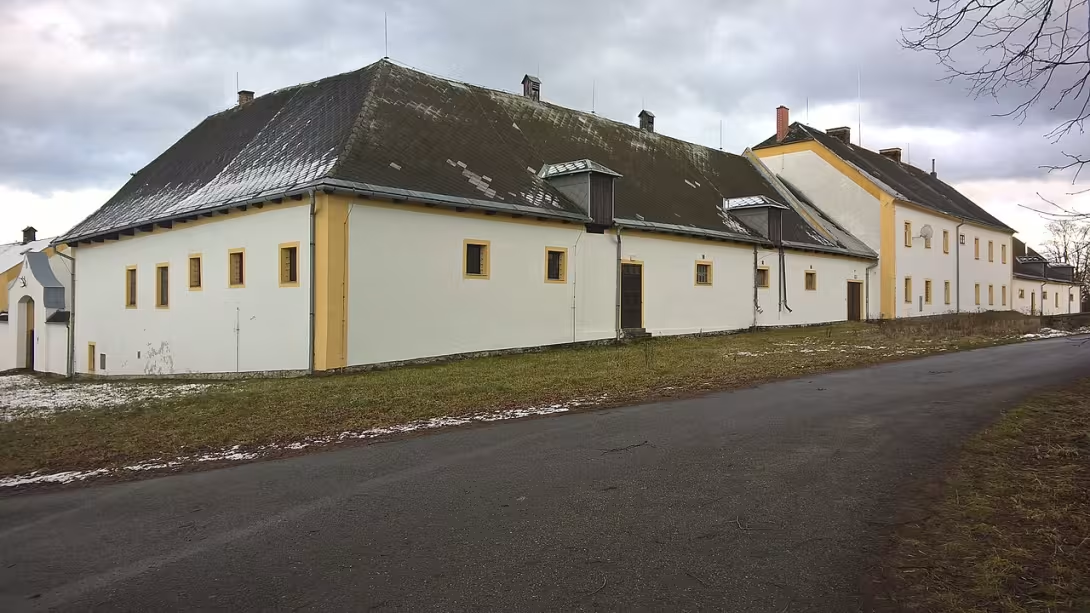

The historical appearance on the left is an AI-generated visualisation and serves as inspiration only.
Historical milestones
- 1706
- Začátek spolupráce mezi opatem Václavem Vejmluva a architektem Janem Blažejem Santini-Aichel.
- 1722
- Dokončení hospodářského dvora Lyra, jak je zobrazeno v Dismasově sbírce.
Architectural development
Lyra's architectural design is characterized by its symmetrical layout and baroque style. The complex includes seven buildings connected by four gates, with the western wing featuring a central section of seven window axes. Santini incorporated esoteric symbolism into the barns' elliptical shapes, forming the lyre motif that inspired the estate's name.
Historical events
In 1706, Abbot Václav Vejmluva began collaborating with architect Jan Blažej Santini-Aichel, leading to significant developments at the estate.
The farmstead was completed by 1722, as evidenced by a depiction in Dismas z Hoferů's collection.
Owners
The farmstead has been part of the Žďár nad Sázavou monastery since its construction in the early 18th century.
Points of interest
- Despite its name, the Lyra farmstead was never intended to serve as a musical instrument; instead, it symbolizes harmony and balance through its architectural design.
- The lyre motif incorporated into the barns' elliptical shapes is not only an artistic choice but also reflects esoteric symbolism, suggesting a deeper philosophical meaning behind the estate's layout.
- While Jan Blažej Santini-Aichel is credited with Lyra's unique design, he collaborated closely with Abbot Václav Vejmluva, whose vision and support were crucial in realizing this architectural masterpiece during the Cistercian monastery’s peak.
- The farmstead features a central section in its western wing that boasts seven window axes, an element of baroque symmetry intended to reflect cosmic order and divine harmony.
- Despite undergoing various changes over time, Lyra has retained much of its original design, making it one of the few surviving examples of Santini's innovative approach to blending religious, philosophical, and architectural ideas.
Guide
This guide is narrated by a synthetic voice generated by artificial intelligence.
Show guide text
This text was created by artificial intelligence and has not been editorially reviewed. It may contain inaccuracies.
Lyra is a Baroque farm complex that belonged to the Cistercian monastery in Žďár nad Sázavou. It is located opposite the monastery, beyond the Bránský Pond, and got its name from its ground plan, which resembles the musical instrument, a lyre.
The origin of the farm is connected with Abbot Václav Vejmluvou. He headed the Žďár monastery from seventeen hundred five to seventeen thirty-eight, and during his tenure the monastery reached the peak of its prosperity. In seventeen hundred six, thanks to the abbot of Sedlec, Jindřích Snopka, he became acquainted with the architect Jan Blažej Santini-Aichel. Their collaboration lasted seventeen years, until Santini's death, and during this time a number of outstanding buildings were created. Santini began in Žďár with the renovation of the convent church, but ultimately influenced the appearance of the entire monastery complex and its surroundings.
Santini is not explicitly documented as the author of the Lyra farm. However, his authorship is not in doubt, because the building resulted from his work for Abbot Vejmluvou and from the overall design of the complex. What the farm originally looked like is shown in a depiction of the monastery from the northwest from the collection of Dismas of Hofer, dated seventeen twenty-two. In it, a large farm is seen beyond the Bránský, otherwise also called the Abbot's Pond, already completely finished. Its appearance is also evidenced by Mansfeld's engraving from seventeen thirty-four.
Santini placed the extensive farm on terrain that slopes slightly toward the pond's shore. He conceived this purely functional building in complete symmetry. He also aligned the visual axis of the farm with the windows of the monastery's prelature, and thus connected it with the entire complex of buildings. He designed the farm in the spirit of what is called ground plan symbolism, where the shape of the ground plan itself represents something.
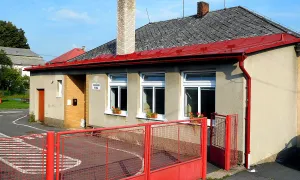
The complex consists of six, or according to another count, seven buildings and four gates. The long western wing has a single-storey center with seven window axes, its side sections are ground floor. Two opposite gates connect to them, and behind them are long ground-floor wings of barns. Santini bent these barns in an S-shape in the ground plan, and thus created the characteristic shape of a lyre. On the eastern side, behind another pair of opposite gates, there are three more smaller wings. The last building is a carriage shed, located on the axis of the farm courtyard.
The ground plan of the farm remained original, Baroque. However, the individual buildings have been marked to varying degrees by inappropriate reconstructions, and therefore their Baroque character is barely noticeable today.
Tips for visitors
The best time to visit Lyra is during the late spring or early autumn months, when the weather is mild and the surrounding landscape of rolling hills and natural water features is particularly picturesque. This period offers pleasant temperatures for exploring the estate and its surroundings without the summer crowds. Additionally, visiting in these seasons allows you to enjoy outdoor activities like picnicking by Bránský rybník (Opatský rybník) with a stunning view of the baroque farmstead.
Public transport options include buses that serve Žďár nad Sázavou, with routes connecting to nearby towns and attractions.
When visiting Lyra, it's advisable to bring comfortable walking shoes as you'll likely explore the estate grounds and surrounding areas. A hat, sunscreen, and water are also essential, especially if you plan on spending time outdoors during warmer months. For those interested in photography, a camera with a zoom lens can be beneficial for capturing detailed shots of the architectural features.
Photography enthusiasts will find several spots around Lyra ideal for capturing its unique baroque design. The best light is typically during the golden hours—shortly after sunrise or before sunset—when the natural lighting enhances the estate's intricate details and surrounding landscape. Photographers should also consider taking shots from various angles to fully appreciate the lyre-shaped structure.
Nearby attractions within a 30-minute drive include the Žďár nad Sázavou Monastery, which is renowned for its architectural beauty and historical significance. Families with children can enjoy exploring this historic site, where interactive exhibits and guided tours are available to engage younger visitors. The monastery's gardens also provide a peaceful setting for a family walk or picnic.
Frequently asked questions
Can the monument be visited?
This is a residential or farm building, not a museum with opening hours. Please view it from public space and respect the owners' privacy. We have no information about access to the interior.
Where is the monument?
Location: Žďár nad Sázavou 2, Kraj Vysočina. The map on this page shows the exact spot.
Why is the monument protected?
It is listed in the Central List of Cultural Monuments of the Czech Republic as a cultural monument (register no. 1000138181).
Businesses nearby
Do you run a restaurant, accommodation, shop, museum, rental, wellness or other visitor service near this monument? Show yourself directly to the people heading to it — this is how they will see you in the app and on the web:
Events nearby
Zdroj akcí: otevřená data měst a obcí ČR (Národní katalog otevřených dat) a kalendář akcí Národního památkového ústavu.
Nearby
Lyra is situated near the Bránský rybník (Opatský rybník) and close to the Žďár nad Sázavou monastery. The surrounding landscape includes rolling hills and natural water features, enhancing its picturesque setting.
Accommodation nearby
Themed route
Žďár nad Sázavou Lyra Trail
1. Lyra (hospodářský dvůr) - This is the main attraction of the trail, a well-preserved 18th-century farmstead with a unique architecture and beautiful surroundings. 2. Bránský rybník (Opatský rybník) - A picturesque pond located near Lyra, offering a peaceful atmosphere and a great spot for a relaxing break. 3. Žďár nad Sázavou monastery - A historic monastery complex with a beautiful Baroque church and a peaceful atmosphere, located just a short walk from Lyra.
Seasonal recommendations
Jaro Spring is the ideal time to visit Lýra because nature around the monument is in full bloom. The green meadows and forests create a beautiful contrast with the historic area. The atmosphere is relaxed and full of life.
Léto Summer is the main season for Lýra, which means there are the most visitors at this time. We recommend arriving early to avoid crowds. In summer, there are also many events and exhibitions that attract visitors to the historic area. The atmosphere is full of energy and life, but be prepared for more noise and bustle.
Podzim Autumn is a beautiful time to visit Lýra because nature in this season is full of colors and magic. The atmosphere is calm and relaxed, allowing visitors to better acquaint themselves with the history and beauty of the monument.
Zima Winter is a quiet time to visit Lýra because there are fewer visitors. The atmosphere is calm and relaxed, allowing visitors to better acquaint themselves with the history and beauty of the monument.
Visualizations and artistic views


The visualisations are generated by artificial intelligence and serve as inspiration.
Photos from the area
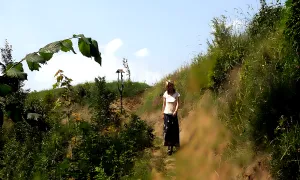
Real photos taken near the monument


Zdroj a licence jsou uvedeny u každého snímku.
Atmosphere of the place
This atmospheric visualisation of the place and period was generated by artificial intelligence. It is not real footage of the location.
Tips from visitors
No tips yet. Be the first!
Log in and add your tip.
Sources and literature
Photos: MartinVeselka / CC BY-SA 4.0 — Wikimedia Commons. The author and licence also appear when you hover over the image.
Faktickým podkladem tohoto textu byl článek na Wikipedii, jehož autory jsou přispěvatelé Wikipedie. Článek je dostupný pod licencí CC BY-SA 4.0.
Location on the map
More monuments – Žďár nad Sázavou 2
Show all in the municipality
Příběhy a pověsti
Legendy, pověsti a příběhy spjaté s touto památkou
Příběh: Lyra
Bylo to v pondělí ráno, kdy Martin zjistil, že na jejich nejbližším sousedním poli se začalo ohánět obrovské množství střevíců. Zvednul hlavu a přitáhl si do…
Číst příběh
Pověst: Lyra
Traduje se, že v dobách, kdy opat Václav Vejmluva spravoval žďárský klášter, přišel za ním jednoho podzimního rána architekt Jan Blažej Santini-Aichel s podi…
Číst příběhFotografie návštěvníků
Zatím žádné fotografie. Buďte první, kdo přidá fotografii z návštěvy!
Log in a přidejte svou fotografii nebo hodnoťte.
Za ověřenou návštěvu v aplikaci získáte víc bodů — poznáme podle GPS, že jste na místě.
Reviews and comments