






Lžín Chateau
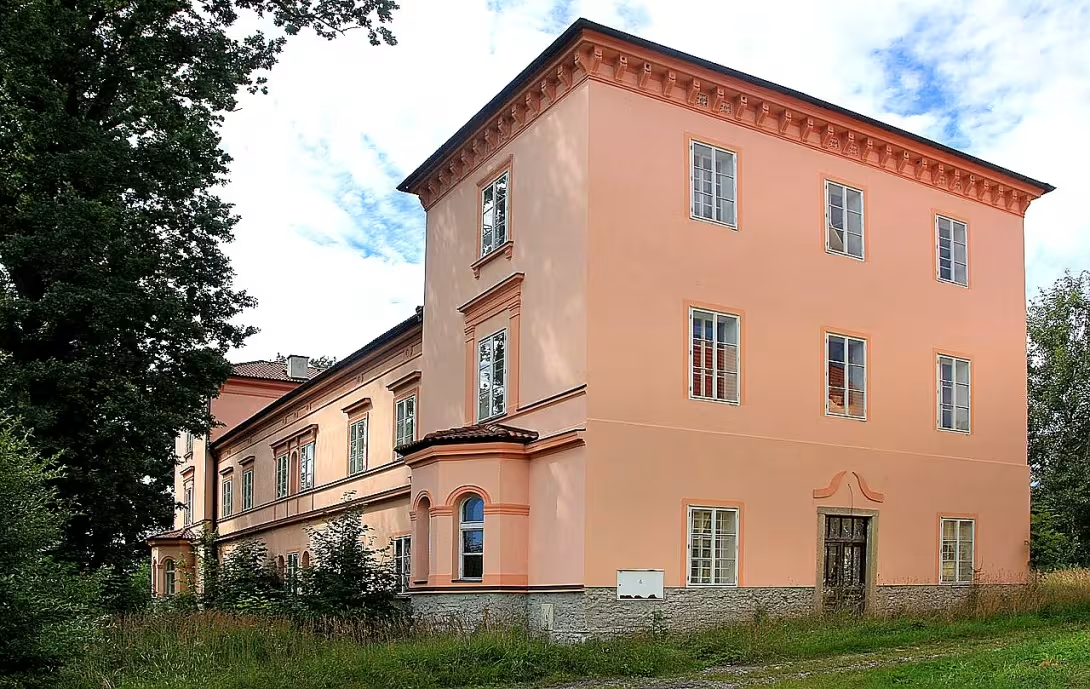
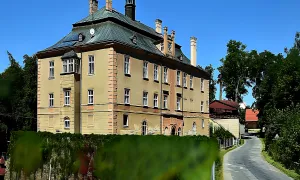
The Lžín Chateau is a Neo-Renaissance chateau situated in the village of Lžín, near Tábor, in the South Bohemian Region. Originally built in the mid-18th century as a summer residence for the Vyšší Brod Monastery, it was later renovated in the Neo-Renaissance style by František Emanuel Komers in 1861. This monument stands out for its unique blend of historical and architectural significance, reflecting the growing influence of the Enlightenment and the rise of Neo-Renaissance architecture in Europe.
The chateau's history dates back to the mid-18th century, when it was built as a summer residence for the Vyšší Brod Monastery. Little is known about its early history, but it is clear that the chateau was originally constructed as a retreat for the monastery's members. In 1861, František Emanuel Komers purchased the chateau and renovated it in the Neo-Renaissance style, giving it its current appearance.
The chateau's architecture is a prime example of Neo-Renaissance style, characterized by its symmetrical façade and ornate details. Unfortunately, the source does not provide further information on the specific building materials or elements used in its construction.
František Emanuel Komers owned the chateau from 1861, and it is assumed that he was responsible for the renovations that gave the chateau its current appearance. The chateau has had a tumultuous history since then, being used as a depot by the Hussite Museum in Tábor in the 1980s. Today, it is undergoing reconstruction.
The Lžín Chateau has significant historical context, reflecting the growing influence of the Enlightenment and the rise of Neo-Renaissance architecture in Europe during the 18th century. The chateau's construction also reflects the cultural and spiritual significance of the Vyšší Brod Monastery during this period.
The chateau's chronology is well-documented, with its construction dating back to 1800 and its renovation in 1861. The chateau has been in disrepair since the 1980s, but it is currently undergoing reconstruction.
Today, the Lžín Chateau is a unique and fascinating monument offering a glimpse into the region's rich history and cultural heritage. Although it is currently undergoing reconstruction, visitors can still appreciate its architectural significance and historical importance. It is worth visiting for those interested in history, architecture, and the cultural heritage of the South Bohemian Region.
Then and now
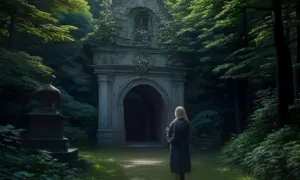
Drag the slider to compare how the landmark may have looked when it was built with the view today.
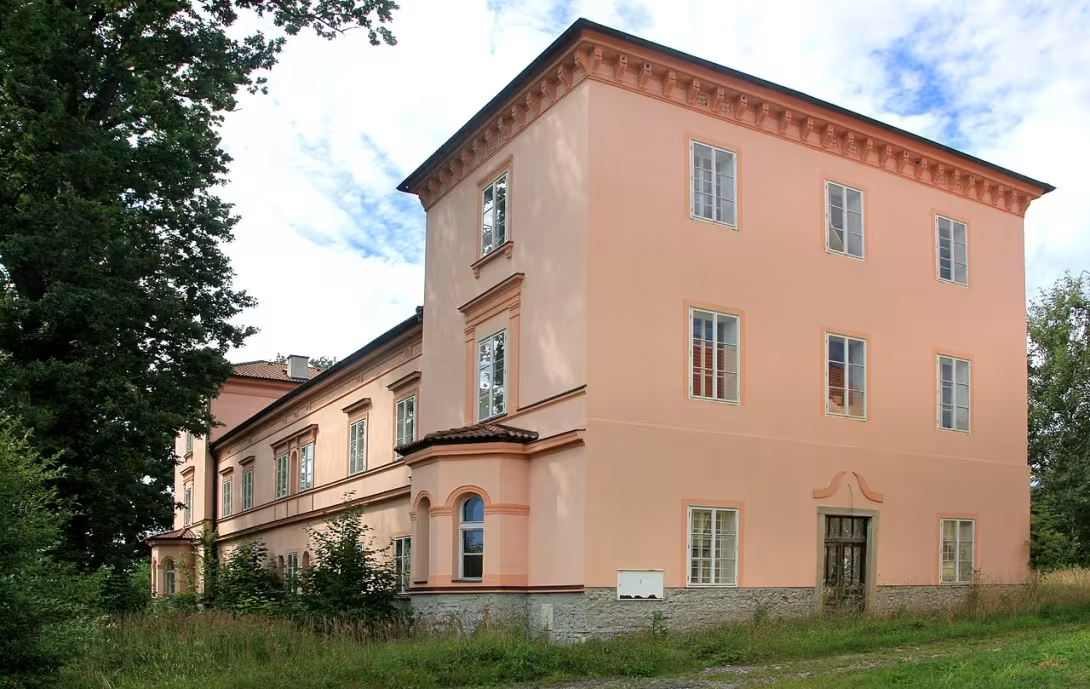
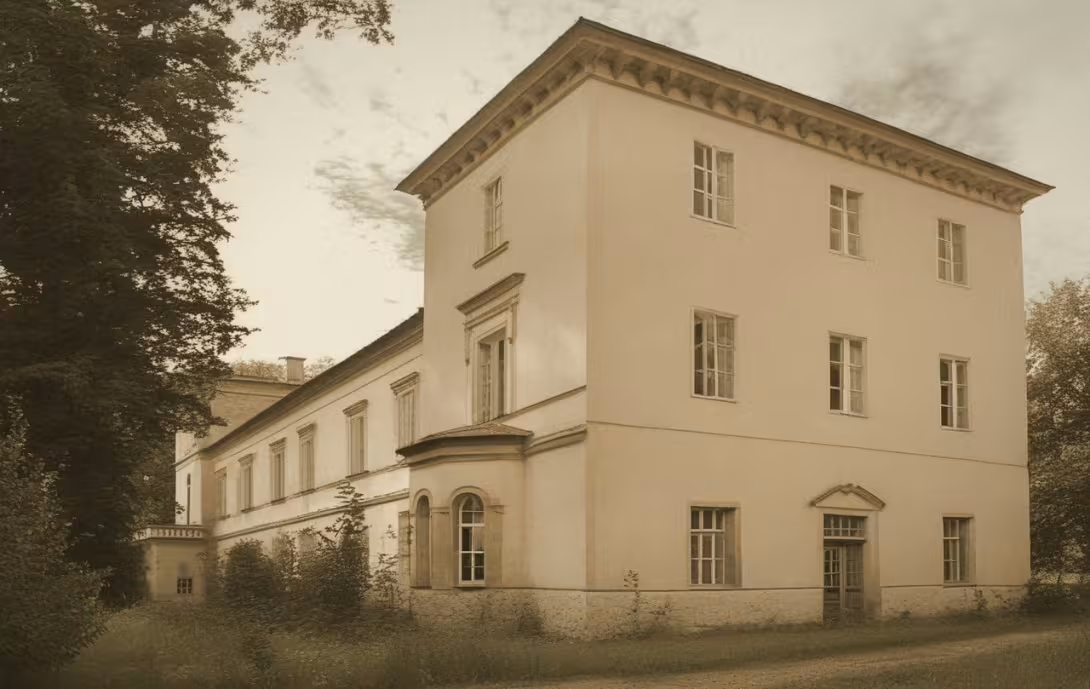
The historical appearance on the left is an AI-generated visualisation and serves as inspiration only.
Historical milestones
- 1750
- Construction of the chateau as a summer residence for the Vyšší Brod Monastery
- 1800
- Original construction of the chateau
- 1861
- Renovation of the chateau in the Neo-Renaissance style by František Emanuel Komers
- 1980
- The chateau was used as a depot by the Hussite Museum in Tábor
- 1980
- The chateau fell into disrepair
Architectural development
The chateau was originally built in the mid-18th century as a summer residence for the Vyšší Brod Monastery. In 1861, it was renovated in the Neo-Renaissance style by František Emanuel Komers.
Historical events
- 1861
- Purchased by František Emanuel Komers
- 1980s
- Used as a depot by the Hussite Museum in Tábor
Owners
Vyšší Brod Monastery, František Emanuel Komers
Guide
This guide is narrated by a synthetic voice generated by artificial intelligence.
Show guide text
This text was created by artificial intelligence and has not been editorially reviewed. It may contain inaccuracies.
Welcome to Lžín, a beautiful neorenaissance château located in the heart of the South Bohemian Region. You stand before an impressive complex originally built as a summer residence for Vyšší Brod Monastery in the mid-18th century. In the 19th century, it was purchased by František Emanuel Komers, who had it rebuilt in neorenaissance style.
Let's delve into the historical context. Lžín was built during a time when the influence of the Enlightenment began to manifest in architecture. This château is a rarity in the region as it is one of the few neorenaissance châteaux found here.
Now, pay attention to the architecture. Notice how elements of Gothic and Renaissance styles blend into a unique style. Take a look at the façade where you can find beautiful details such as stone obelisks and ornamental motifs.
František Emanuel Komers, who purchased the château in 1861, was a Czech architect and politician. He was a man who advocated for the development of art and culture in Bohemia.
Lžín is also interesting because it served as a depository for the Hussite Museum in Tábor during the 1980s.
Let's return to the present. Lžín is today in a state of disrepair, awaiting restoration. Nevertheless, it is still possible to feel the atmosphere of the past and admire its unique architecture.
You stand before a historical monument full of mysteries and curiosities. Lžín is a place that makes you reflect on both the past and present. We hope our visit to Lžín entertained you and that you enjoyed what you saw here. Thank you for your attention, and we hope you will return soon.
Businesses nearby
Do you run a restaurant, accommodation, shop, museum, rental, wellness or other visitor service near this monument? Show yourself directly to the people heading to it — this is how they will see you in the app and on the web:
Events nearby
Zdroj akcí: otevřená data měst a obcí ČR (Národní katalog otevřených dat) a kalendář akcí Národního památkového ústavu.
Nearby
The chateau is located in the village of Lžín, near the town of Tábor, in the South Bohemian Region.
Accommodation nearby
Themed route
Tábor - Lžín
1. Tábor - město (prohlídky historického jádra, hrad, kostel)
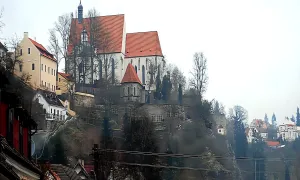
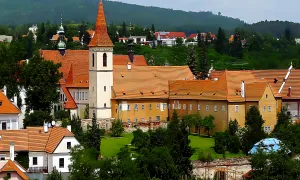
Tábor is a historic city with rich history and cultural monuments. Its historical center is full of beautiful buildings and churches, including a chateau that dominates the town.
2. Kostel svatého Mikuláše (prohlídka interiéru a exteriéru, historie)
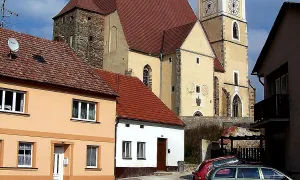
Kostel svatého Mikuláše is a beautiful Gothic church located in the heart of Tábor's historic center. Its interior is richly decorated and offers stunning architectural details.
3. Lžín - zámek (hlavní cíl, prohlídka interiéru a exteriéru)
Zámek Lžín is a beautiful Renaissance chateau located in the small village of Lžín near Tábor. Its history dates back to the 16th century and offers stunning architectural details and rich history.
Seasonal recommendations
Jaro Lžín (zámek) is full of life and energy during the spring season. The green foliage on trees and flowers in the garden create a pleasant atmosphere. Lighting is also specific, being soft and warm. We recommend visiting the chateau in the late morning or early afternoon when it's open but not crowded with large crowds. It’s best to wear light clothing and suitable shoes for nature walks.
Léto In summer, Lžín (zámek) is full of life and energy. The gardens are in full bloom and nature is vibrant. The specific heat and sunshine mean it's good to arrive early to avoid large crowds. We recommend visiting the chateau in the early or late afternoon when it’s open and the weather is pleasant. It’s best to wear light clothing and suitable shoes for nature walks.
Podzim During autumn, Lžín (zámek) is full of colors and scents. Leaves fall from trees creating a pleasant atmosphere. Lighting is also specific, being soft and warm. We recommend visiting the chateau in the late afternoon when it's open and the weather is pleasant. It’s best to wear warm clothing and suitable shoes for nature walks.
Zima In winter, Lžín (zámek) is calm and quiet. Snow covers the gardens and trees creating a pleasant atmosphere. Lighting is also specific, being soft and warm. We recommend visiting the chateau in the late afternoon or early evening when it's open and there’s tranquility. It’s best to wear warm clothing and suitable shoes for nature walks.
Visualizations and artistic views


The visualisations are generated by artificial intelligence and serve as inspiration.
Photos from the area
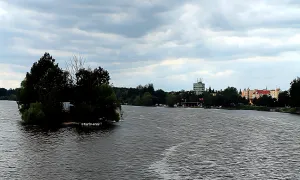
Real photos taken near the monument


Zdroj a licence jsou uvedeny u každého snímku.
Tips from visitors
No tips yet. Be the first!
Log in and add your tip.
Sources and literature
Fotografie: Pavel Hrdlička (Czech Wikipedia user Packa) / CC BY-SA 4.0 — Wikimedia Commons. The author and licence also appear when you hover over the image.
Faktickým podkladem tohoto textu byl článek na Wikipedii, jehož autory jsou přispěvatelé Wikipedie. Článek je dostupný pod licencí CC BY-SA 4.0.
Location on the map

Příběhy a pověsti
Legendy, pověsti a příběhy spjaté s touto památkou
Fotografie návštěvníků
Zatím žádné fotografie. Buďte první, kdo přidá fotografii z návštěvy!
Přihlaste se a přidejte svou fotografii nebo hodnoťte.
Za ověřenou návštěvu v aplikaci získáte víc bodů — poznáme podle GPS, že jste na místě.
Reviews and comments