






Městské hradby v Havlíčkově Brodě Fortifications
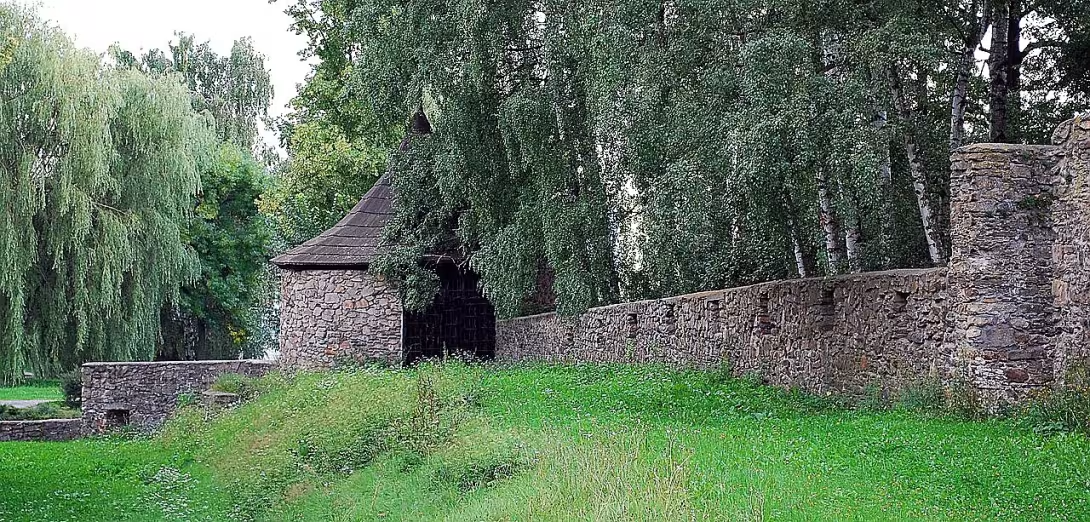
The Městské hradby v Havlíčkově Brodě are historically significant medieval city fortifications located in Havlíčkův Brod, Czech Republic. Originally spanning approximately 1500 meters, only fragments remain today. These remnants provide valuable insights into the urban defense systems of the Middle Ages and have been protected as a cultural monument since 1958.
Havlíčkův Brod's origins trace back to its first documentation in 1256 on the Haberská stezka, with recognition as a city by 1258. The fortifications were constructed in two main phases: initially after 1310 and later enhanced with a parkan wall post-1472. Permission to fortify the town was granted by Otto Braniborský in 1278 and further endorsed by Raimund z Lichtenburka in 1310. By 1373, Emperor Charles IV's charter confirmed that the town was already fortified. This period marked significant developments in urban planning and defense architecture across Europe, reflecting Havlíčkův Brod's strategic importance within the Holy Roman Empire.
Architecturally, the fortifications were built with a primary wall after 1310, followed by the addition of a parkan wall around 1472. The original structures included towers and gates, though these have not survived. The best-preserved sections are near Kalinovo nábřeží, featuring walls constructed from quarry stone. A unique cylindrical tower with a low spire remains in the northeast corner, restored in 1803, now housing an exhibition dedicated to Otakar Štáfla, a local painter and illustrator.
Ownership of Havlíčkův Brod changed hands several times throughout its history. After Emperor Charles IV acquired it around 1370, Oldřich z Rožmberka inherited the town as a fief in 1425. The Hussite Wars devastated the town, leaving it deserted until it became a royal town in 1637.
Today, the remnants of these fortifications offer a glimpse into medieval urban life and defense strategies. Visitors can explore the best-preserved sections near Kalinovo nábřeží and view the restored cylindrical tower. The site's historical significance is underscored by its role in Bohemian history within the Holy Roman Empire.
The Městské hradby v Havlíčkově Brodě are a testament to the town's medieval past, offering valuable insights into the architectural and strategic considerations of the time. Their preservation allows visitors to connect with the historical narrative of Havlíčkův Brod, making it a worthwhile destination for those interested in exploring its layered history.
Then and now
Drag the slider to compare how the landmark may have looked when it was built with the view today.
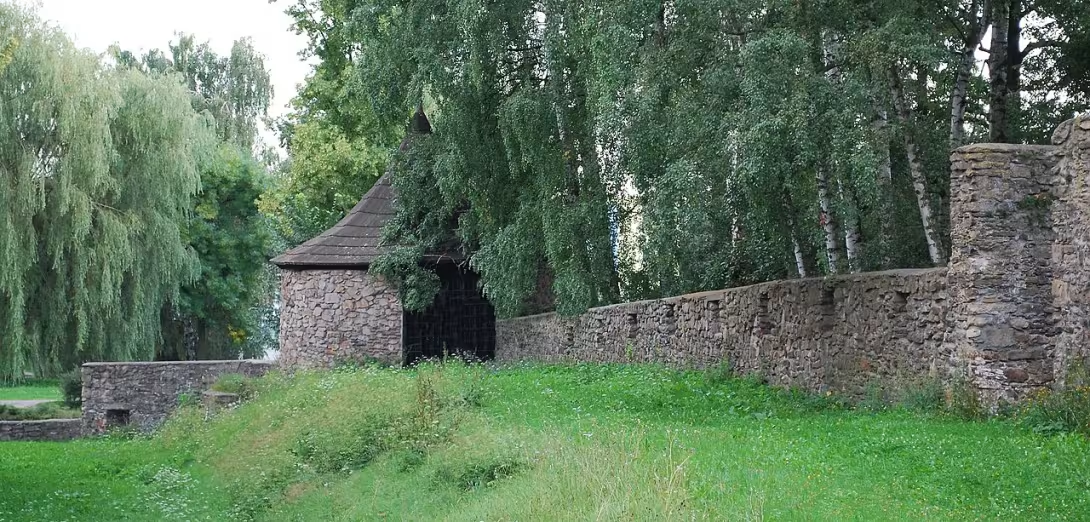
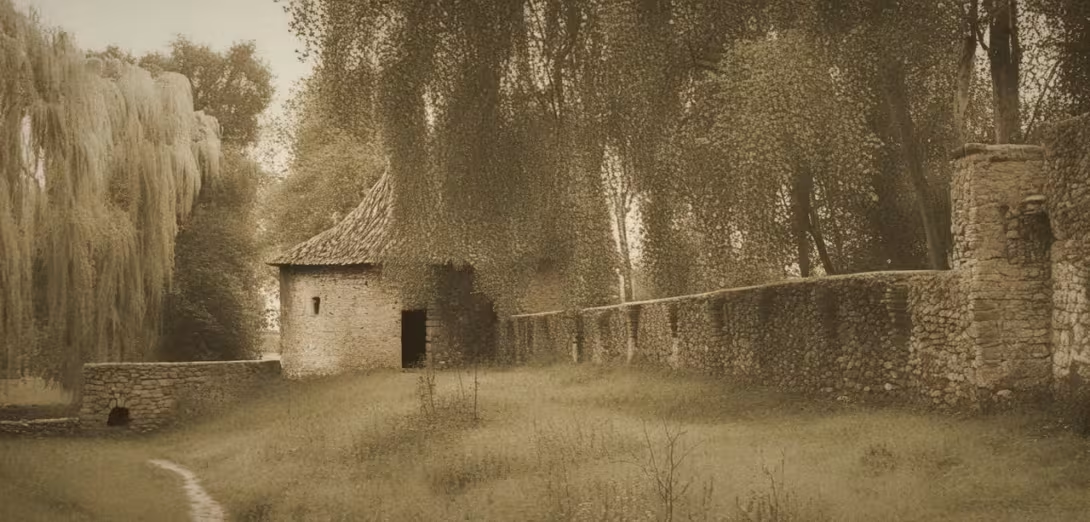
The historical appearance on the left is an AI-generated visualisation and serves as inspiration only.
Historical milestones
- 1256
- The town was first documented on the Haberská stezka.
- 1310
- Permission to fortify the city was granted by Raimund z Lichtenburka.
- 1373
- A charter from Emperor Charles IV confirmed that the town was already fortified.
- 1425
- Oldřich z Rožmberka inherited the town as a fief.
Architectural development
The fortifications were built in two main phases: initially after 1310 with a primary wall, followed by the addition of a parkan wall around 1472. The original structures included towers and gates, though these have not survived. The best-preserved sections are found near Kalinovo nábřeží, featuring walls constructed from quarry stone.
Historical events
The city was first documented in 1256 and recognized as a city by 1258.
During the Hussite Wars, the town was devastated and left deserted.
In 1637, Havlíčkův Brod became a royal town.
Owners
The city was initially granted permission to be fortified by Otto Braniborský in 1278 and later by Raimund z Lichtenburka in 1310. Emperor Charles IV acquired the town around 1370, followed by a succession of owners including Oldřich z Rožmberka who inherited it in 1425.
Points of interest
- Despite being recognized as a city by 1258, the fortifications of Městské hradby v Havlíčkově Brodě were not constructed until after 1310, highlighting a strategic delay in urban defense planning that was common during medieval times.
- The cylindrical tower with a low spire at the northeast corner of the fortifications is unique for its restoration in 1803 and current use as an exhibition space dedicated to Otakar Štáfla, showcasing how historical structures can be repurposed for cultural preservation.
- After suffering devastation during the Hussite Wars, Havlíčkův Brod transitioned from a deserted town to a royal town in 1637, illustrating its resilience and strategic recovery within the shifting political landscape of Bohemia.
- The fortifications were granted permission by Otto Braniborský in 1278 but only began construction after Emperor Charles IV confirmed their existence in 1373, reflecting the complex interplay between local authority and imperial endorsement in medieval urban development.
- Although originally spanning approximately 1500 meters, today only fragments of the Městské hradby v Havlíčkově Brodě remain, with the best-preserved sections near Kalinovo nábřeží offering a rare glimpse into medieval construction techniques and materials.
Guide
This guide is narrated by a synthetic voice generated by artificial intelligence.
Show guide text
This text was created by artificial intelligence and has not been editorially reviewed. It may contain inaccuracies.
Welcome to the historic Městské hradby v Havlíčkově Brodě, a remarkable testament to medieval urban fortification nestled in the heart of Havlíčkův Brod. As you stand here, surrounded by fragments of ancient walls that once spanned approximately 1500 meters, imagine the strategic importance this site held in its prime. The remnants before you whisper tales of medieval life and defense strategies.
The story of these fortifications begins with a charter from Emperor Charles IV in 1373, confirming that Havlíčkův Brod was already fortified by then. However, it wasn't until 1310 that permission to construct the city walls was granted by Raimund z Lichtenburka. This delay in construction, despite the town being recognized as a city since 1258, is a fascinating glimpse into medieval urban planning and defense strategies.
Architecturally, what you see today are fragments of two phases of construction. The first phase began after 1310, with enhancements made later by adding a parkan wall post-1472. As you walk along the remnants, notice how these walls once encircled the town, providing protection and defining its boundaries.
The history of this site is intertwined with notable figures such as Otto Braniborský, Raimund z Lichtenburka, Emperor Charles IV, and Oldřich z Rožmberka. In 1425, Oldřich inherited Havlíčkův Brod as a fief, adding another layer to its rich historical tapestry.
One intriguing aspect of these fortifications is the cylindrical tower with a low spire at the northeast corner—a silent sentinel that has witnessed centuries unfold. This structure, among others, offers valuable insights into the medieval urban landscape and the architectural prowess of the time.
As you conclude your visit here, let the history envelop you, inviting curiosity to explore further stories hidden within these ancient stones. Havlíčkův Brod's Městské hradby are not just remnants of walls; they are a bridge to the past, connecting us with the lives and strategies of those who walked before us. Thank you for joining this journey through time, and may your exploration continue beyond these historic ramparts.
Tips for visitors
The best time to visit the Městské hradby v Havlíčkově Brodě is during late spring or early autumn when the weather is mild, and the crowds are smaller compared to peak summer months. This timing allows you to comfortably explore the historical fragments of the city fortifications while enjoying pleasant temperatures. Additionally, visiting in these seasons often means better lighting for photography, capturing the rich history and architecture without harsh shadows.
Parking and transportation options around Havlíčkův Brod are convenient. The town is accessible by both car and public transport. If you're driving, there are parking facilities available near the city center where you can leave your vehicle. For those preferring public transport, buses connect Havlíčkův Brod to nearby towns and cities; check a local travel planner for current schedules. This flexibility makes it easy to plan your visit according to your preferred mode of transportation.
When visiting the Městské hradby v Havlíčkově Brodě, consider bringing comfortable walking shoes as you'll likely be exploring on foot. A hat and sunscreen are advisable if you're visiting in warmer months, while a light jacket might be necessary during cooler periods. Don't forget your camera to capture the historical ambiance of the fortifications and the picturesque surroundings. Additionally, carrying water is always a good idea for staying hydrated throughout your exploration.
For photography enthusiasts, some of the best spots around the Městské hradby include areas where you can get an overview of the town's layout along with its historical structures. Early morning or late afternoon light provides softer shadows and warm tones that enhance the textures of the ancient walls. The gentle slope above the Sázava River offers a unique vantage point, capturing both the natural beauty and architectural heritage in one frame.
Nearby attractions within 30 minutes include the historic center of Havlíčkův Brod itself, which is rich with cultural sites such as the Church of St. James and the Museum of Czech Literature. For families with children, consider visiting the local parks or exploring the Haberská stezka trail for a leisurely walk through nature. These activities offer both educational value and entertainment, making them ideal for family outings.
Businesses nearby
Do you run a restaurant, accommodation, shop, museum, rental, wellness or other visitor service near this monument? Show yourself directly to the people heading to it — this is how they will see you in the app and on the web:
Nearby
Havlíčkův Brod is situated on a gentle slope above the Sázava River, influencing its somewhat eccentrically placed square and main streets. The town's location along the Haberská stezka adds to its historical significance.
Accommodation nearby
Themed route
Thematic Walking Tour: The Town Walls of Havlíčkův Brod
1. Havlíčkův Brod Town Square - Type: Urban Center - Why Visit: Begin your tour at the eccentrically located town square, a unique feature influenced by the gentle slope above the Sázava River. This area serves as an excellent starting point to appreciate the historical layout and architecture of Havlíčkův Brod, setting the stage for exploring its medieval heritage.
2. Městské Hrady (Town Walls) - Type: Historical Monument - Why Visit: As the main highlight of this tour, the town walls offer a glimpse into the defensive strategies and architectural prowess of medieval times. Walking along these ancient structures provides insight into how Havlíčkův Brod protected itself throughout history.
3. Haberská Stezka - Type: Historical Route - Why Visit: Follow the Haberská stezka, a historically significant route that adds depth to your understanding of the town's past. This path not only connects various parts of Havlíčkův Brod but also highlights its strategic importance in trade and defense.
4. Sázava River - Type: Natural Feature - Why Visit: Conclude your tour by visiting the Sázava River, which flows gently below the town. The river has played a crucial role in shaping the geography and history of Havlíčkův Brod, offering serene views and reflecting the town's connection to its natural surroundings.
This thematic walking tour offers a comprehensive exploration of Havlíčkův Brod’s historical and geographical significance through its unique urban layout and strategic location.
Seasonal recommendations
Spring: The arrival of spring breathes new life into the city walls of Havlíčkův Brod, with blooming flowers and lush greenery creating a picturesque backdrop for visitors. During this season, the weather is generally mild, making it an ideal time to explore the historic site at a leisurely pace. However, be prepared for occasional rain showers that can add to the charm of your visit but may require carrying an umbrella or wearing water-resistant clothing. Springtime often sees moderate crowds as locals and tourists alike enjoy the rejuvenating atmosphere, so arriving early in the day can help you avoid larger groups.
Summer: Summer is a vibrant season at the city walls, with long daylight hours perfect for exploring the historic site under bright sunshine. The lush surroundings are particularly beautiful during this time, offering an ideal setting for photography or picnicking. However, summer also brings increased visitor numbers, especially on weekends and holidays, so plan to arrive early in the morning to secure a quieter experience. Dress comfortably in light clothing and wear sunscreen, as temperatures can rise significantly. The warm weather enhances the overall atmosphere, making it a popular time for outdoor activities.
Autumn: Autumn transforms the city walls of Havlíčkův Brod into a stunning display of colors, with vibrant reds, oranges, and yellows adorning the surrounding landscape. This season offers a serene and tranquil atmosphere as visitor numbers decrease compared to summer. The cooler temperatures are perfect for a leisurely stroll along the historic site, allowing you to fully appreciate its beauty without the crowds. Dress in layers to accommodate varying weather conditions, as autumn can bring crisp mornings followed by warmer afternoons. Evening visits might also be enchanting due to the softer light.
Winter: Winter at the city walls presents a unique and serene experience, with snow often blanketing the historic site in a picturesque white layer. The cooler temperatures and shorter daylight hours create an intimate atmosphere, ideal for those seeking a quieter visit away from summer crowds. However, it's important to dress warmly, as winter can bring chilly winds and cold weather conditions. Some sections of the walls may be less accessible due to snow or ice, so check ahead for any closures or restrictions. Visiting during weekdays might offer an even more peaceful experience, allowing you to enjoy the historic site in a tranquil setting.
Visualizations and artistic views


The visualisations are generated by artificial intelligence and serve as inspiration.
Photos from the area
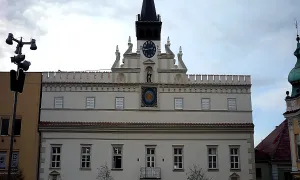
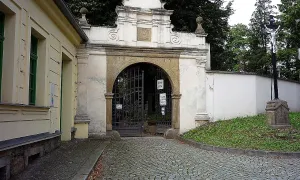
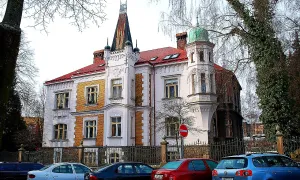
Real photos taken near the monument


Zdroj a licence jsou uvedeny u každého snímku.
Tips from visitors
No tips yet. Be the first!
Log in and add your tip.
Sources and literature
Photos: JirKla / CC BY 4.0 — Wikimedia Commons. The author and licence also appear when you hover over the image.
Faktickým podkladem tohoto textu byl článek na Wikipedii, jehož autory jsou přispěvatelé Wikipedie. Článek je dostupný pod licencí CC BY-SA 4.0.
Location on the map


Příběhy a pověsti
Legendy, pověsti a příběhy spjaté s touto památkou
Fotografie návštěvníků
Zatím žádné fotografie. Buďte první, kdo přidá fotografii z návštěvy!
Log in a přidejte svou fotografii nebo hodnoťte.
Za ověřenou návštěvu v aplikaci získáte víc bodů — poznáme podle GPS, že jste na místě.
Reviews and comments