



pomník Karla Havlíčka Borovského (Havlíčkův Brod) Monument
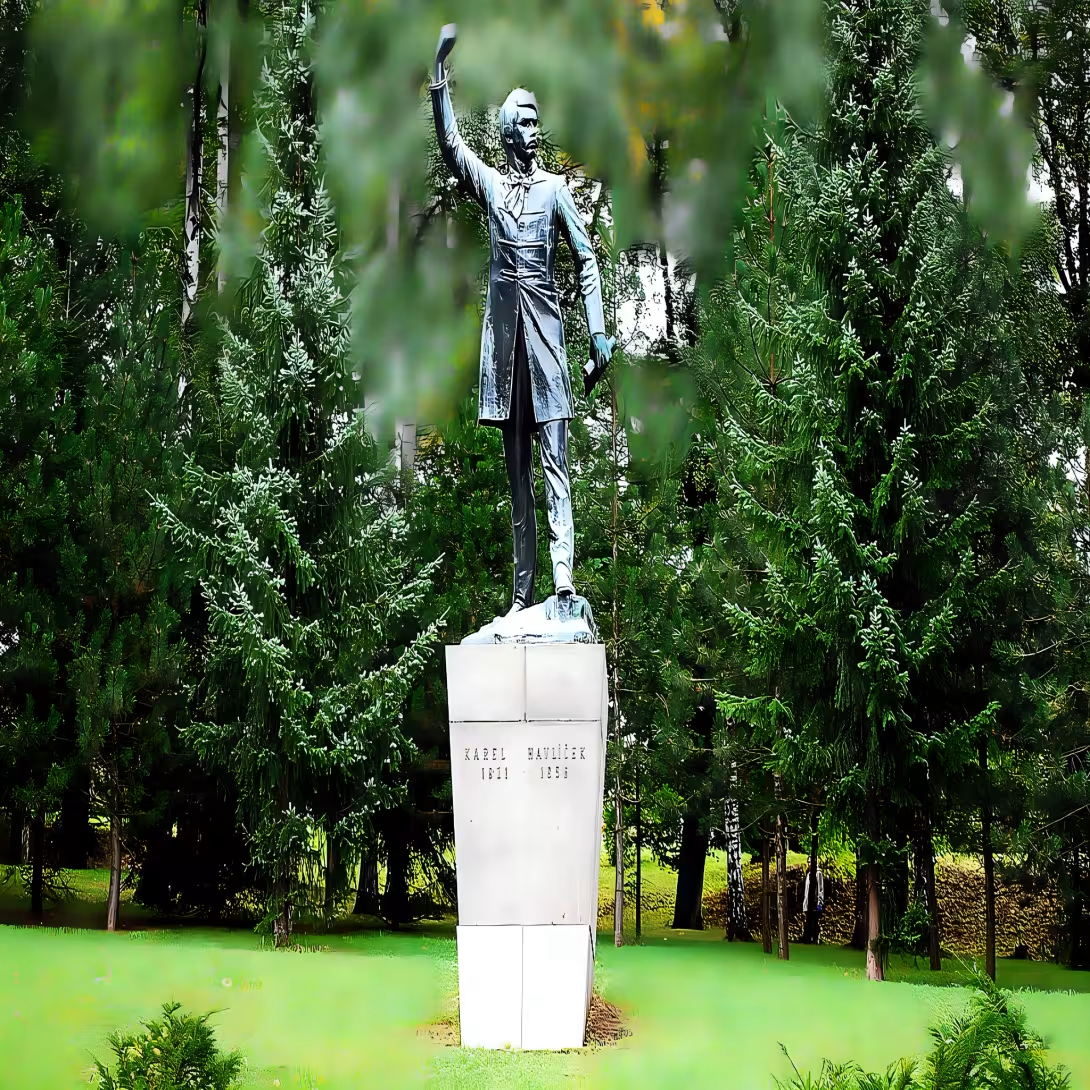
The Karl Havlíček Borovský Monument is a significant cultural landmark in Havlíčkův Brod. It commemorates Karel Havlíček Borovský, an influential Czech writer and politician. Recognized as a cultural heritage site before 1988, the monument symbolizes national pride and historical memory.
Initial plans for the monument began around 1906, gaining momentum after the founding of Czechoslovakia in 1918. Crafted by Bohumil Kafka from bronze, it was unveiled on September 14, 1924, despite transport damage requiring a new casting.
The origins trace back to 1906, aligning with Havlíček's death anniversary. Following Czechoslovakia’s establishment in 1918, the city honored its renowned citizen, Karel Havlíček Borovský. The project faced challenges and debates over design and location. Discussions involved figures like Tomáš Garrigue Masaryk and architect Josef Gočár, who contributed to the pedestal's design. Despite setbacks, including disagreements about placement and material choice, the foundation stone was laid on October 3, 1920.
The architectural journey involved several phases. Choosing bronze for its higher cost over alternatives like granite highlighted the project’s importance. Architect Josef Gočár designed the pedestal, requiring significant terrain modification to accommodate the statue. Bohumil Kafka's work marked his first major creation dedicated to a prominent Czech figure, showcasing his artistic vision and craftsmanship.
Throughout history, the monument faced challenges and changes. In 1943, during World War II, it was removed by German authorities but returned in July 1945. Post-war efforts led to rebuilding with a new pedestal designed by František Němec and sculptor Vincenc Makovský. The statue was re-inaugurated on October 28, 1946, despite adverse weather conditions.
The monument has witnessed key events and curiosities over the years. Its unveiling in 1924 faced setbacks due to transport damage, necessitating a recast of the statue. Despite these challenges, the project was completed on time for its official presentation. The original pedestal design by Josef Gočár required significant terrain modification, reflecting dedication and effort invested in this cultural landmark.
Today, the Karl Havlíček Borovský Monument stands as a symbol of Havlíčkův Brod, embodying the city's rich history and cultural heritage. It remains accessible to visitors who wish to explore its significance and appreciate its artistic value. The monument serves not only as a tribute to Karel Havlíček Borovský but also as an enduring symbol of national identity and pride. Visitors are invited to experience this remarkable piece of Czech history, reflecting on the legacy it represents and the stories it continues to tell.
Then and now
Drag the slider to compare how the landmark may have looked when it was built with the view today.
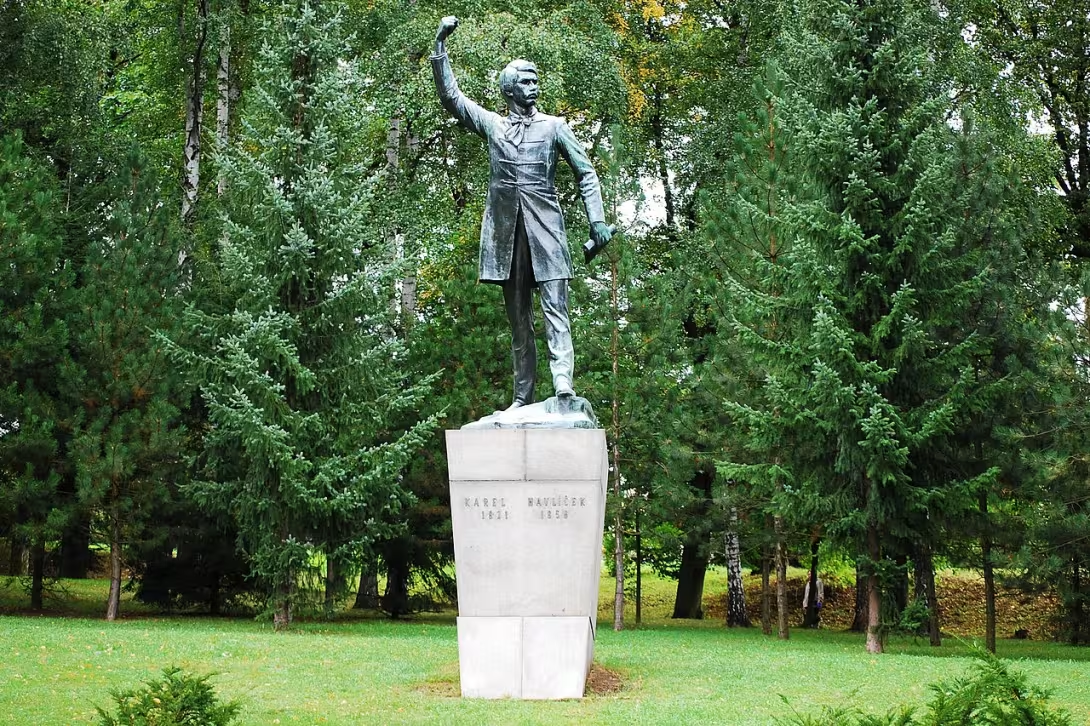

The historical appearance on the left is an AI-generated visualisation and serves as inspiration only.
Historical milestones
- 1920
- The foundation stone of the monument was laid on October 3.
- 1924
- The statue was unveiled on September 14 after being recast due to transport damage.
Architectural development
The development of the Karl Havlíček Borovský Monument involved several phases and challenges. Initial discussions began in 1906, with a foundation stone laid on October 3, 1920. The statue's design was finalized by sculptor Bohumil Kafka, who chose bronze as the material despite its higher cost compared to alternatives like granite. Architect Josef Gočár contributed to the pedestal design, which required terrain adjustments for proper placement.
Historical events
- 1906
- Initial plans for the monument were proposed to coincide with Havlíček's death anniversary.
- 1919
- The ceremonial laying of the foundation stone was planned but canceled; it eventually took place on October 3, 1920.
- 1924
- The monument's unveiling occurred on September 14, despite initial damage to the statue requiring recasting.
Points of interest
- The monument faced a unique challenge during its creation when the initial bronze statue was damaged in transit, necessitating a complete recast of the sculpture before it could be unveiled. - During World War II, the Karl Havlíček Borovský Monument was dismantled by German authorities in 1943 but was restored and re-inaugurated in July 1945 after the war ended. - The original pedestal design required significant terrain modification, reflecting the dedication to accurately represent Karel Havlíček Borovský's legacy through this cultural landmark. - Despite adverse weather conditions during its re-inauguration on October 28, 1946, the monument was successfully rededicated with a new pedestal designed by František Němec and sculptor Vincenc Makovský. - The decision to use bronze for the statue, despite its higher cost compared to materials like granite, underscored the importance placed on this project as a symbol of national pride and historical memory.
Guide
This guide is narrated by a synthetic voice generated by artificial intelligence.
Show guide text
This text was created by artificial intelligence and has not been editorially reviewed. It may contain inaccuracies.
The path to the monument of Karel Havlíček Borovský in Havlíčkův Brod was long and full of disputes.
The first attempts at a monument appeared in 1906 when the city was commemorating the anniversary of Havlíček's death. At a festive evening in the then German Brod, Tomáš Garrigue Masaryk gave a lecture. In 1910 a society for building the monument was founded, but efforts remained just that for a long time.
New life was brought only by the creation of the Czechoslovak Republic in 1918. The city publicly acknowledged its famous citizen and the academic society Barák began to discuss the monument. There was the most dispute about its location. The city council wanted the statue on the square, even in place of the Marian column. This was explicitly rejected by art historian Zdeněk Wirth from the Ministry of Education. In the end, the proposal of painter Otakar Štáfl, sculptor Bohumil Kafka and architect Josef Gočár decided to place the statue in the Budoucnost park.
The city of Lipnice nad Sázavou donated the cornerstone. It was laid on October third, nineteen twenty and tapped on by poet Viktor Dyk. Bohumil Kafka was given just one year for the statue. It was his first realization of a significant Czech figure. He drew from Havlíček's portrait by painter Henri Lehmann and from a contemporary daguerreotype. The model for him was Kladno ironworker Karel Štíbr. A collection was held for the statue. Money was raised by the sale of Štáfl's paintings, amateur performances, a concert and donations from individuals. The more expensive bronze was chosen.
During transport the statue was severely damaged and it was necessary to make a new cast. It was solemnly unveiled on September fourteenth, nineteen twenty four and all newspapers in the republic wrote about it.
In nineteen forty three the German mayor had the monument removed. The statue ended up in a metal storage depot in Prague Na Maninách and Gočár's pedestal was demolished. Only the founding document was saved.
In July nineteen forty five the statue returned to the city, which now bore the name Havlíčkův Brod. The original site went to the monument to the victims of war. Havlíček therefore stood higher up on the slope of the park on a new granite pedestal. It was deliberately smaller so the statue would stand out better. It was unveiled again on October twenty eighth, nineteen forty six in the presence of President Edvard Beneš. Despite bad weather, thirty thousand people came. Bohumil Kafka and Otakar Štáfl did not live to see it.
The statue in larger than life size became a symbol of the city.
Tips for visitors
The best time to visit the Karl Havlíček Borovský Monument is during late spring or early autumn when the weather is mild, making it ideal for exploring the surrounding parkland and enjoying outdoor activities. During these seasons, the natural beauty of the area is at its peak, with vibrant foliage in the fall and blossoming flowers in the spring. Additionally, visiting outside of summer can help you avoid larger crowds, allowing for a more peaceful experience.
Walking is also an option if you're staying nearby.
When visiting the monument, consider bringing comfortable walking shoes as there may be some uneven paths in the parkland area surrounding it. A camera for capturing the picturesque views and perhaps a picnic lunch to enjoy outdoors are also recommended. Don't forget sun protection like hats or sunscreen during sunny days, especially if you plan on spending extended time outside.
For photography enthusiasts, early morning or late afternoon offers the best natural lighting conditions around the monument, casting soft shadows that enhance its features. The parkland surrounding the statue provides a serene backdrop for photos, and exploring different angles can yield unique perspectives of this cultural landmark. Be mindful of other visitors when taking pictures to ensure everyone's experience is enjoyable.
Within a 30-minute drive from Havlíčkův Brod, you can explore several nearby attractions that complement your visit to the monument. The town itself offers historical sites and museums dedicated to Karel Havlíček Borovský, providing deeper insight into his life and work. For families with children, consider visiting local parks or nature trails in the vicinity for a fun outdoor adventure. These areas offer opportunities for picnics and leisurely walks amidst natural beauty.
Frequently asked questions
Can the monument be visited?
This is a structure in a public space that can usually be seen from outside free of charge. We have not verified that this particular one is freely accessible.
Where is the monument?
Location: Havlíčkův Brod, Kraj Vysočina. The map on this page shows the exact spot.
Why is the monument protected?
It is listed in the Central List of Cultural Monuments of the Czech Republic as a cultural monument (register no. 1000129418).
Businesses nearby
Do you run a restaurant, accommodation, shop, museum, rental, wellness or other visitor service near this monument? Show yourself directly to the people heading to it — this is how they will see you in the app and on the web:
Nearby
The monument is situated in Havlíčkův Brod, surrounded by parkland that required modification to accommodate the statue. The area features a mix of natural and cultural landmarks within a five-kilometer radius.
Accommodation nearby
Themed route
Havlíčkův Brod Thematic Tour
1. Pomník Karla Havlíčka Borovského (Monument) Start your journey at the heart of Havlíčkův Brod with this iconic monument dedicated to one of Czechoslovakia's most influential national revival figures, Karel Havlíček Borovský. The statue is set in a beautifully landscaped park that has been modified to accommodate its presence, offering visitors a serene environment for reflection and appreciation.
2. Parkland Surrounding the Monument (Park) Explore the surrounding parkland where the monument stands. This area blends natural beauty with cultural significance, providing an ideal setting for leisurely walks or picnics while immersing yourself in the historical ambiance of Havlíčkův Brod. The park's design complements the statue and offers a peaceful retreat within the town.
3. Local Cultural Landmarks (Cultural Sites) Within a five-kilometer radius, discover various cultural landmarks that enrich the historical tapestry of Havlíčkův Brod. These sites offer insights into the region's heritage and its connection to Karel Havlíček Borovský, providing context to his life and legacy.
4. Historical Walk through Havlíčkův Brod (Walking Tour) Embark on a historical walk around the town center of Havlíčkův Brod. This journey will take you past buildings and streets that echo the town's storied past, allowing you to experience its charm and history firsthand as you reflect on the impact of figures like Havlíček Borovský.
5. Revisiting the Monument (Monument) Conclude your tour by returning to the monument for a final visit. With fresh insights from exploring nearby cultural landmarks, revisit the statue with a deeper understanding and appreciation of its significance in Czech history and culture.
Seasonal recommendations
Spring: Visiting Havlíčkův Brod and the monument to Karel Havlíček Borovský during spring offers a refreshing experience as nature awakens with vibrant colors and blooming flowers. The mild weather creates an inviting atmosphere, perfect for leisurely strolls around the town. Visitors can enjoy the lush greenery surrounding the monument, which enhances its historical significance. With fewer tourists than in peak summer months, this is an ideal time to explore without crowds. It's recommended to wear comfortable layers as temperatures may fluctuate, and early mornings or late afternoons are best for avoiding any unexpected showers.
Summer: Summer in Havlíčkův Brod brings longer days and warm weather, making it a popular time for visitors to enjoy the monument to Karel Havlíček Borovský. The lush greenery is at its peak, offering a picturesque setting that complements the historical site. However, this is also when the town sees increased tourist activity, so planning ahead is crucial. Arriving early in the day can help avoid crowds and ensure a more peaceful experience. Light clothing is advisable to stay comfortable under the sun, and carrying water or sunscreen is recommended for outdoor exploration.
Autumn: Autumn transforms Havlíčkův Brod into a tapestry of warm colors, with golden hues enhancing the monument's surroundings. The cooler temperatures make it an ideal time for walking tours around the town, offering a serene atmosphere as nature prepares for winter. This season sees fewer tourists compared to summer, providing a more intimate experience at the historical site. Layered clothing is advisable to accommodate changing weather conditions throughout the day. Late afternoon visits can be particularly rewarding when the sunlight casts a golden glow over the landscape.
Winter: Winter in Havlíčkův Brod offers a unique charm with snow-covered landscapes that add a magical touch to the monument of Karel Havlíček Borovský. The town's atmosphere is quiet and reflective, providing a stark contrast to its busier seasons. Warm clothing, including hats, gloves, and insulated layers, is essential for comfort during winter visits. Exploring in the late morning or early afternoon can help make the most of daylight hours while enjoying the peaceful ambiance that winter brings to the area.
Visualizations and artistic views


The visualisations are generated by artificial intelligence and serve as inspiration.
Photos from the area
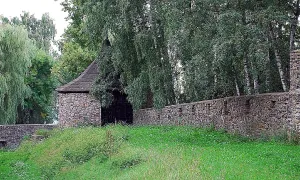
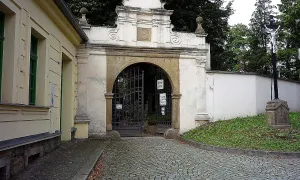
Real photos taken near the monument


Zdroj a licence jsou uvedeny u každého snímku.
Tips from visitors
No tips yet. Be the first!
Log in and add your tip.
Sources and literature
Photos: Wylliama / CC BY-SA 3.0, rozlišení zvýšeno umělou inteligencí — Wikimedia Commons. The author and licence also appear when you hover over the image.
Faktickým podkladem tohoto textu byl článek na Wikipedii, jehož autory jsou přispěvatelé Wikipedie. Článek je dostupný pod licencí CC BY-SA 4.0.
Location on the map


Příběhy a pověsti
Legendy, pověsti a příběhy spjaté s touto památkou
Fotografie návštěvníků
Zatím žádné fotografie. Buďte první, kdo přidá fotografii z návštěvy!
Log in a přidejte svou fotografii nebo hodnoťte.
Za ověřenou návštěvu v aplikaci získáte víc bodů — poznáme podle GPS, že jste na místě.
Reviews and comments