






minoritský klášter v Jihlavě Monastery
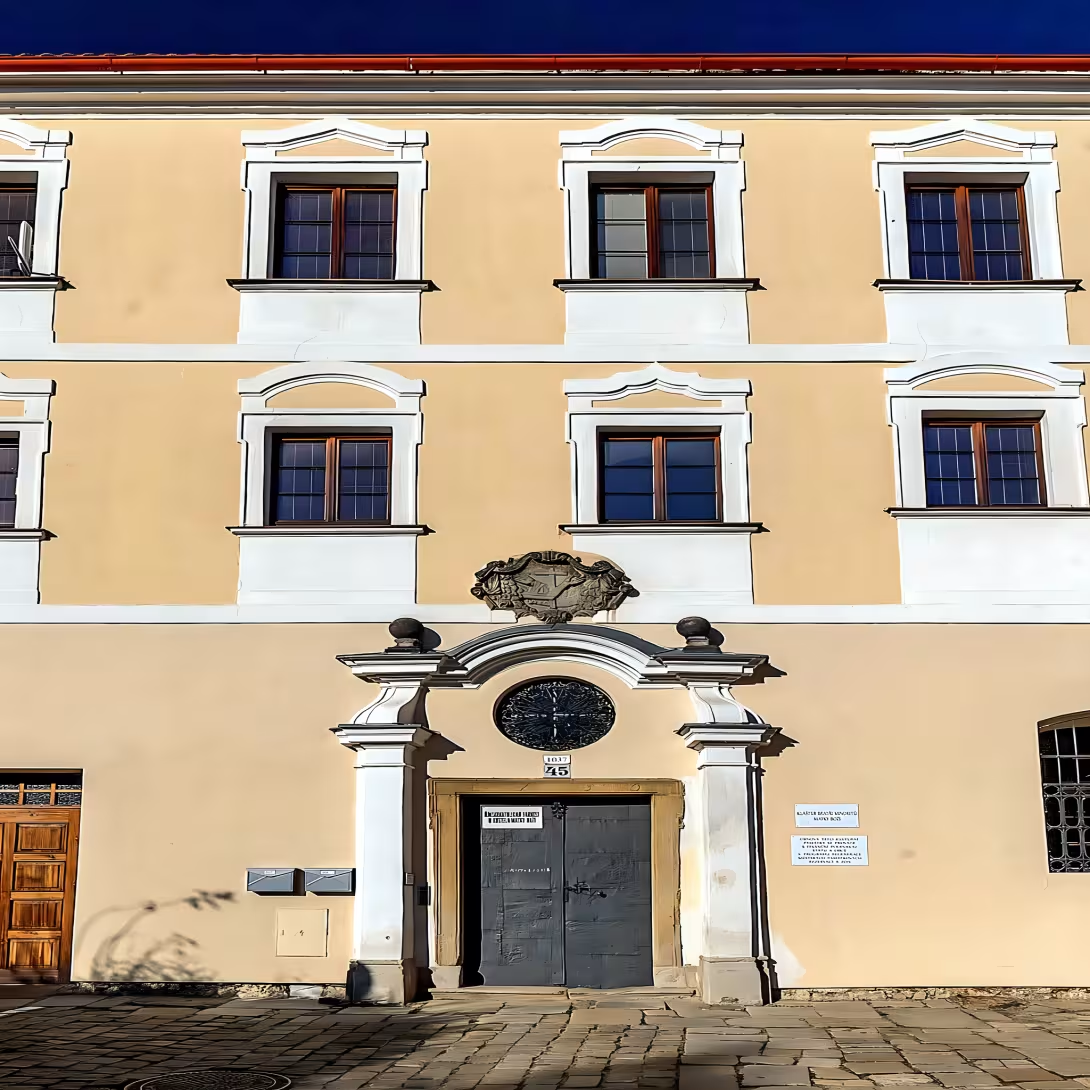
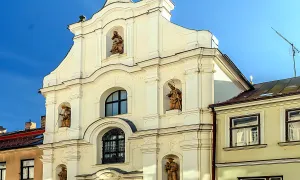
The Minorite Monastery in Jihlava is a historically significant site located at Minoritské náměstí with access from Kosmákovy ulice. Established as one of the earliest convents of the Order of Minorites in the Czech lands, it features a church dedicated to the Assumption of the Virgin Mary. This complex holds architectural and historical importance due to its Romanesque origins around 1250, later expanded into a Gothic basilica with a late Baroque façade added in 1756.
The monastery's history dates back to 1221 when King Přemysl Otakar I invited representatives of the Order from Italy. Although it is often cited as the first minorite convent in Czech lands, this claim remains unverified. However, documented evidence confirms its existence since 1243, with the earliest written mention appearing in 1257. The site was strategically chosen near the western edge of the developing town, close to the Mother of God Gate.
Architecturally, the monastery began as a Romanesque church and evolved into a Gothic basilica inspired by Cistercian models. Its transformation continued over centuries with significant changes such as the addition of a late Baroque façade in 1756. The complex has faced several challenges, including fires and economic difficulties, which have influenced its structure and occupancy.
Ownership and administration of the monastery have seen dramatic shifts. Initially under the Order of Minorites from 1243 until 1800, it later served as a city hospital after incorporating monks from Jindřichův Hradec in 1584. The site was returned to religious use in 1800 but faced closure by the communist regime in 1951. Post-1989, it was restored to the church and now houses educational institutions alongside a few remaining members of the Order.
Key historical events include the monks' defense of Jihlava against marauding knights in 1402, commemorated by an internal fresco. In 1784, during Joseph II's reign, the monastery church was elevated to parish status, marking another significant chapter in its history. These events underscore the monastery's role not only as a religious center but also as a participant in local historical narratives.
Today, the Minorite Monastery stands as an urbanistically valuable site with architectural significance recognized across Europe. It houses the largest nativity scene in the Vysočina region and continues to attract visitors interested in its rich history and cultural heritage. The monastery's enduring presence offers a unique glimpse into the past while serving contemporary educational purposes, making it a worthwhile destination for those exploring Jihlava's historical landscape.
Then and now
Drag the slider to compare how the landmark may have looked when it was built with the view today.
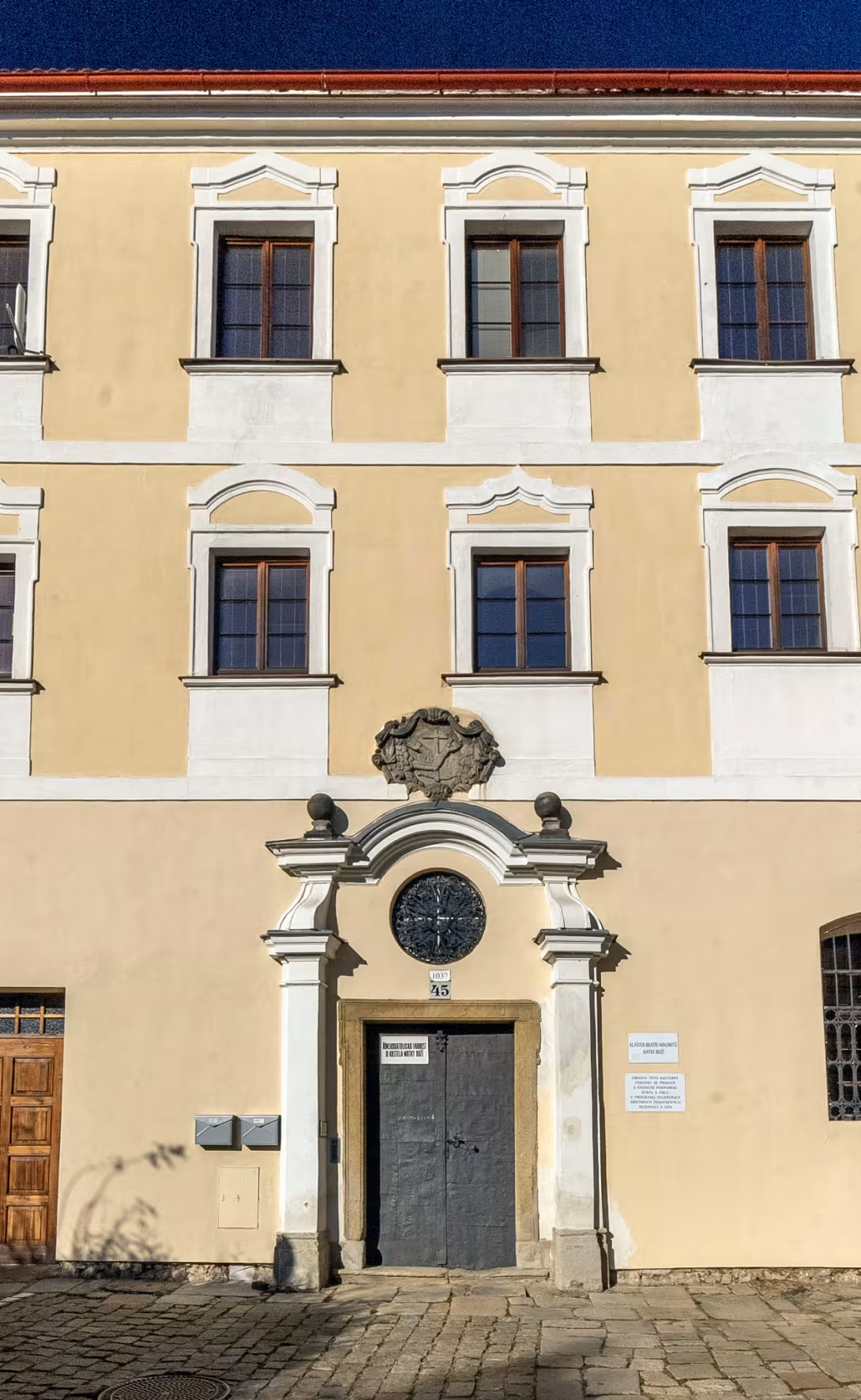
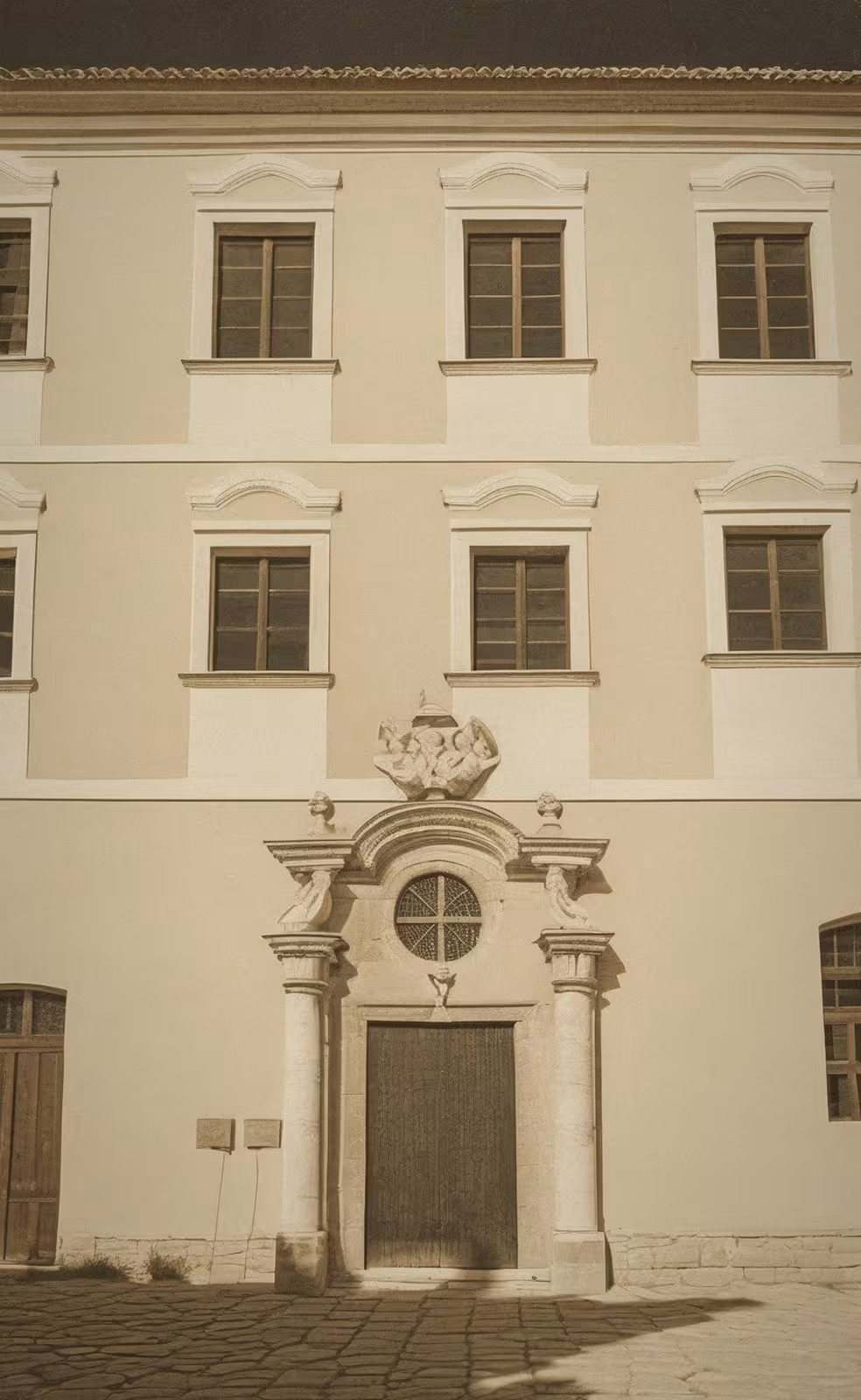
The historical appearance on the left is an AI-generated visualisation and serves as inspiration only.
Historical milestones
- 1221
- King Přemysl Otakar I invited Minorite Order representatives from Italy.
- 1243
- Documented existence of the monastery since this year.
- 1257
- Earliest written mention of the monastery.
- 1402
- Monks defended Jihlava against marauding knights.
- 1756
- Addition of a late Baroque façade to the complex.
- 1784
- The monastery church was elevated to parish status.
Architectural development
The Minorite Monastery began with a Romanesque church built around 1250, later expanded into a Gothic basilica. In 1756, it received a late Baroque façade. The complex has undergone several reconstructions due to fires and economic challenges.
Historical events
- 1402
- Monks from the monastery played a key role in defending Jihlava against marauding knights.
- 1784
- The monastery church was elevated to parish status during Joseph II's reign.
Points of interest
- Despite the monastery's claim as one of the earliest minorite convents in Czech lands, this assertion remains unverified; its documented existence dates back to 1243.
- The site was strategically chosen near the western edge of Jihlava, close to the Mother of God Gate, highlighting its importance for both religious and defensive purposes during medieval times.
- In a notable historical event from 1402, monks defended Jihlava against marauding knights, an episode commemorated by an internal fresco within the monastery.
- The monastery served as a city hospital after incorporating monks from Jindřichův Hradec in 1584, showcasing its adaptability and community role beyond religious functions.
- In 1784, during Joseph II's reign, the monastery church was elevated to parish status, marking an important development in its ecclesiastical significance.
Guide
This guide is narrated by a synthetic voice generated by artificial intelligence.
Show guide text
This text was created by artificial intelligence and has not been editorially reviewed. It may contain inaccuracies.
Welcome. You are standing before one of the most significant historical sites in Jihlava - the Minorite Monastery. Welcome to this amazing complex, full of secrets and history.
Let's step back into the past. In 1221, King Přemysl Otakar I invited representatives of the Order of the Lesser Brothers from Italy to settle in Jihlava. This marked the beginning of one of the most significant events in the history of this site. The documented existence of the monastery dates back to 1243, but the first written mention is from 1257.
Now, take a look at the architecture of this complex. The monastery was built in Romanesque style and later expanded into a Gothic basilica inspired by Cistercian models. Examine the façade, full of details and architectural elements. Notice how different styles are combined here, creating a unique atmosphere.
One of the most important events that took place here is the defense of the monastery against invaders in 1402. The monks stood up to marauding knights and successfully repelled them. This is just one of many stories that unfolded here.
One of the most intriguing aspects of this site is that its existence is still full of mysteries. Although it is said to be one of the oldest Minorite monasteries in the Czech lands, this information remains unverified. Documented existence goes back only as far as 1243.
Let's return to the present and invite you to further explore this amazing complex. The monastery is full of history, architecture, and mysteries. After all, you have already stopped by here.
Tips for visitors
The best time to visit the Minorite Monastery in Jihlava is during late spring or early autumn when the weather is mild, making it ideal for exploring both indoors and outdoors. These seasons offer pleasant temperatures and fewer crowds compared to summer, allowing you to fully appreciate the monastery's architecture and serene surroundings. Additionally, visiting during these times can provide better opportunities for photography with softer natural light.
It’s advisable to check current transport routes online before your visit for a smooth journey.
When visiting the Minorite Monastery, it's recommended to bring comfortable walking shoes as there may be some uneven surfaces around the site. A hat and sunscreen are also wise if you plan on spending time outdoors in sunny weather. Additionally, carrying a water bottle can help keep you hydrated during your exploration of this historic site.
For photography enthusiasts, the best spots for capturing the Minorite Monastery include its western facade, which offers picturesque views against the backdrop of Jihlava's skyline. Early morning or late afternoon light provides a golden hue that enhances the monastery’s architectural details. The area around the church is also ideal for taking photos with softer lighting conditions.
Nearby attractions within a 30-minute distance include the Church of St. James and the Old Town Hall, both of which are significant cultural sites in Jihlava. These locations offer additional insights into the town's rich history and architecture, making them perfect extensions to your visit at the Minorite Monastery.
For families with children, the area around the Minorite Monastery offers a relaxed atmosphere suitable for young visitors. The historic site itself can be educational, providing an opportunity to discuss medieval history in an engaging way. After exploring the monastery, you might consider visiting nearby parks or open spaces where children can play and enjoy some outdoor time.
Frequently asked questions
Can the monument be visited?
Religious buildings are usually open mainly during services; at other times a visit is normally arranged with the parish or the operator. We have not verified specific times.
Where is the monument?
Location: Kosmákova 1037/45, Jihlava, Kraj Vysočina. The map on this page shows the exact spot.
Why is the monument protected?
It is listed in the Central List of Cultural Monuments of the Czech Republic as a cultural monument (register no. 45491/7-4877).
Businesses nearby
Do you run a restaurant, accommodation, shop, museum, rental, wellness or other visitor service near this monument? Show yourself directly to the people heading to it — this is how they will see you in the app and on the web:
Nearby
Located near the western edge of historic Jihlava, close to the Mother of God Gate. The area includes other architectural and cultural sites significant to the town's history.
Accommodation nearby
Trips and activities nearby
Guided tours, tickets and activities nearby from GetYourGuide
Affiliate link: if you buy from the partner, we may receive a commission. The price for you does not change.
Search tours and activities →Themed route
Historic Jihlava Walking Tour
1. Mother of God Gate (Architectural site) This gate is the main entrance to the historic center of Jihlava and a significant example of the town's medieval architecture. It's a great starting point for our tour.
2. Minorite Monastery (Historical Site) The main goal of our tour, this monastery is a beautiful example of Gothic architecture and a significant cultural site in the region. It's a must-visit for anyone interested in history and architecture.
3. St. James' Church (Church) Located near the monastery, this church is a stunning example of Gothic architecture and a significant cultural site in the region. Its beautiful stained-glass windows and intricate stone carvings make it a must-see.
4. Jihlava City Hall (Architectural site) This beautiful Renaissance building is a great example of the town's rich history and architecture. Its stunning façade and ornate details make it a must-see for anyone interested in history and architecture.
5. Old Town Square (Historical Site) This charming square is the heart of historic Jihlava and features several significant buildings, including the City Hall and St. James' Church. It's a great place to relax and take in the sights and sounds of the town.
Seasonal recommendations
Jaro
Spring is the ideal time to visit the Minorite Monastery in Jihlava, as nature around the monastery is in full bloom. The woods are green and flowering, creating a pleasant atmosphere. The lighting is natural and sunny, making it perfect for photography. We recommend visiting the monastery early in the morning or late afternoon to avoid crowds of tourists. It's also a good idea to bring comfortable shoes for walking around the area.
Léto
The main summer season is full of tourists eager to see historical landmarks. We recommend visiting the monastery early in the morning to avoid crowds. The lighting is sunny and warm, so don't forget to bring sunglasses and sunscreen. Summer is also an ideal time for walks around the area and exploring nature.
Podzim
Fall is a beautiful season when nature around the monastery shines with colors. The woods are tinged in golden and red hues, creating a pleasant atmosphere. The lighting is sunny but slightly darker than in summer. We recommend visiting the monastery early in the morning or late afternoon to avoid crowds. It's also a good idea to bring comfortable shoes for walking around the area.
Zima
Winter is a quiet season when the monastery sees fewer visitors. We recommend visiting during Advent, when the monastery is adorned with candles and Christmas decorations. The lighting is dark and warm, making it an ideal time for walks around the area and exploring historical landmarks. It's also wise to bring warm clothing and good boots for walking in the snow.
Visualizations and artistic views


The visualisations are generated by artificial intelligence and serve as inspiration.
Photos from the area
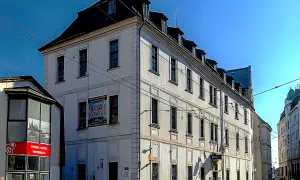
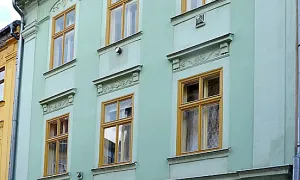
Real photos taken near the monument


Zdroj a licence jsou uvedeny u každého snímku.
Tips from visitors
No tips yet. Be the first!
Log in and add your tip.
Sources and literature
Photos: VitVit / CC BY-SA 4.0, rozlišení zvýšeno umělou inteligencí — Wikimedia Commons. The author and licence also appear when you hover over the image.
Faktickým podkladem tohoto textu byl článek na Wikipedii, jehož autory jsou přispěvatelé Wikipedie. Článek je dostupný pod licencí CC BY-SA 4.0.
Location on the map


Příběhy a pověsti
Legendy, pověsti a příběhy spjaté s touto památkou
Příběh: minoritský klášter v Jihlavě
Bylo to v pondělí ráno, kdy Martin zjistil nápadné zvýšení tlaku ve svém dýchacím stroji — jakoby se vzduch stával hustší a obtížněji přenositelný. Žehlička …
Číst příběh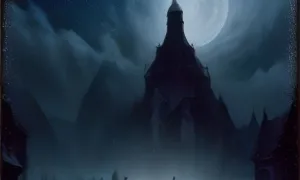
Pověst: minoritský klášter v Jihlavě
Traduje se, že v noci ze čtvrtka na pátek roku 1402 ležela Jihlava v takovém tichu, jaké předchází bouři. Léto se sklánělo ke konci, na obloze visěl srpek mě…
Číst příběhFotografie návštěvníků
Zatím žádné fotografie. Buďte první, kdo přidá fotografii z návštěvy!
Log in a přidejte svou fotografii nebo hodnoťte.
Za ověřenou návštěvu v aplikaci získáte víc bodů — poznáme podle GPS, že jste na místě.
Reviews and comments