



Minoritský klášter v Krupce Monastery

Objekt se nedochoval — na místě dnes nestojí. Následující text popisuje jeho historii, ne současnou návštěvu.
The Minority Monastery in Krupek is a historic place that served as an important religious centre from the 15th century until its dissolution at the end of the 18th century. It is located in Krupka, was initially founded by Francisco Observers and later became a Jesuit university before leaving. His history includes repeated destruction by fire and political upheaval during events like the Thirty Years' War. Despite these challenges, she played a key role in maintaining a Catholic presence in the midst of Protestant dominance.
The origin of the minority monastery dates back at least to the beginning of the 15th century, although its exact date of foundation is uncertain. It is believed to have been founded in the first half of the 14th century, but historical records are thin due to frequent fires and destruction. In the middle of the 15th century, namely in 1474, Těma of Koldic provided resources for the re-establishment of the monastery after the fire in 1429 during Krupko's capture. This period marked his documented history as the Francisco Observations Centre.
The minority monastery has passed through several stages of construction and reconstruction. At first it was founded at the beginning of the 15th century, it was rebuilt after the fires in 1474 and again in 1555th church under the complex was sanctified in 1494 but suffered another fire in 1527 which caused considerable damage. Under Jesuit ownership of 1587, it restored and extended the extensive renovation of the site, reflecting its continued religious importance.
The ownership of the monastery has changed several times throughout history. Originally administered Minority from 1474 to 1575, then was handed over to the Jesuits in 1587. The Jesuits maintained control until their suppression in 1773. During this period, the monastery faced significant problems, including the fact that it was burned and later abandoned during the Thirty Years' War. Despite these disadvantages, she remained at the heart of religious activity.
Key events in the minority monastery include its destruction by fire in 1429, when Krupka was captured, and again in 1527, when the monastery and church were completely burned, which led to the death of a monk. These incidents highlight the turbulent history of the site in the midst of wider regional conflicts. Despite these challenges, it continued as an important religious centre.
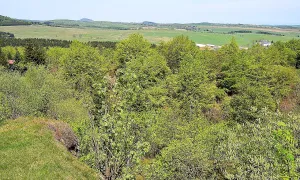
The Minorite monastery today stands as proof of its rich historical heritage. While much of the original construction was lost over time, the site remains a significant cultural and historical landmark in Krupa. Visitors can explore the remains of this once prosperous religious community, gain insight into the complex history of regional religious and political dynamics.
The Minority Monastery in Krupa offers a unique view of the past, reflecting both the resilience and the challenges faced by religious communities for centuries. Its historical importance makes it a valuable destination for interested people to explore the rich tapestry of Czech history. Visitors are invited to experience this remarkable site and appreciate its permanent heritage.
Then and now
Drag the slider to compare how the landmark may have looked when it was built with the view today.
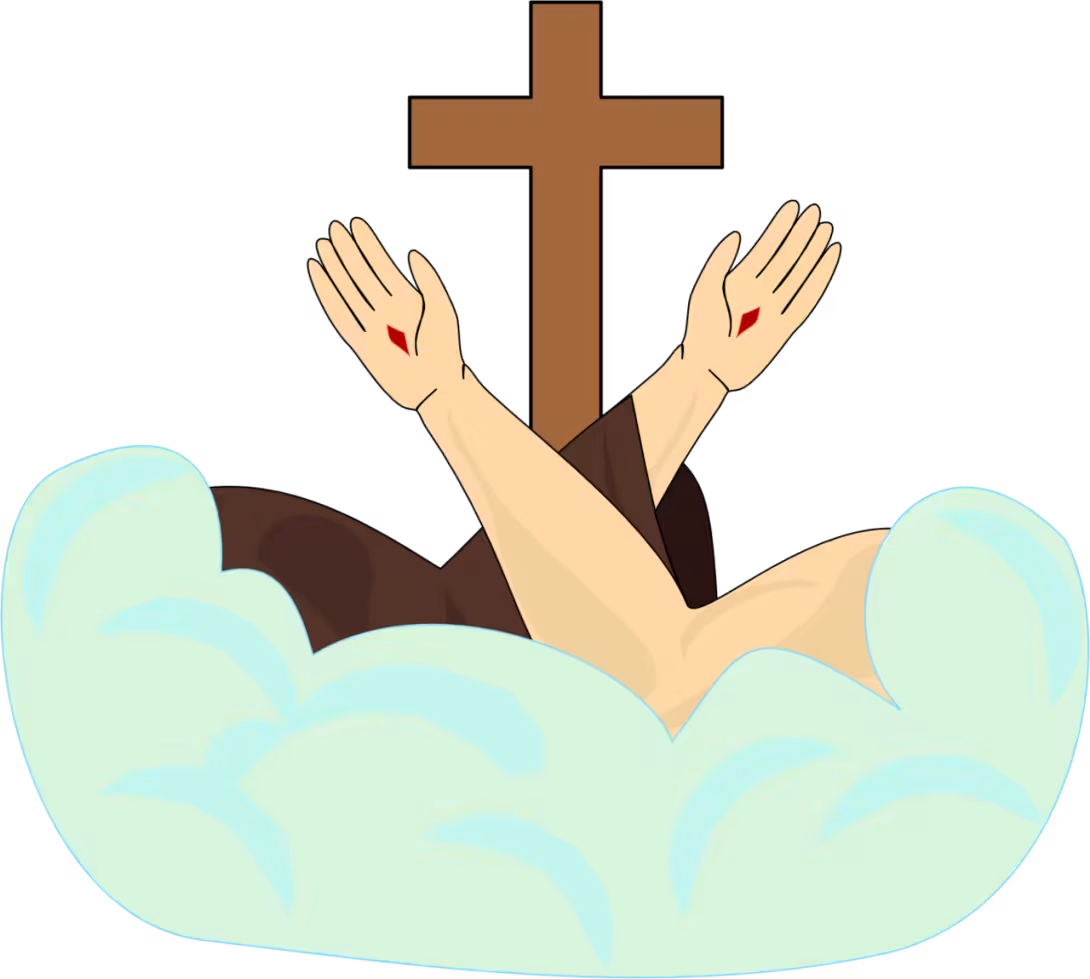
The historical appearance on the left is an AI-generated visualisation and serves as inspiration only.
Historical milestones
- 1429
- Krupka was captured and its monastery and city destroyed by fire.
- 1474
- Rebuilding a minority monastery with the support of Těm z Koldic.
- 1527
- The monastery and the church were completely burned in the fire, which led to the death of a monk.
Architectural development
The minority monastery has undergone several phases of construction and reconstruction. Initially it was founded at the beginning of the 15th century, it was rebuilt after the fires in 1474 and again in 1555th Church was sanctified in 1494 but suffered another fire in 1527. Under Jesuit ownership of 1587, significant renovations were carried out for the renewal and extension of the complex.
Historical events
- 1429
- Krupka was captured and the monastery and the city were destroyed by fire.
- 1527
- The monastery and the church were completely burned in the fire, which led to the death of a monk.
Points of interest
The exact date of the establishment of the Minority monastery is covered with mystery, with estimates that suggest it could have been founded in the first half of the 14th century. This uncertainty adds an interesting layer to its already complex history.
- These from Koldic played a key role in the restoration of the monastery after the devastating fire in 1429 by providing resources for its reconstruction, and stressed how individual contributions could significantly affect the survival and continuity of the site during turbulent times.
- Although it was destroyed several times, including a complete burning in 1429 and 1527, a minority monastery could serve as a permanent religious center. This resistance is remarkable given the repeated disadvantages it faces, such as fires and political upheavals.
- Architectural evolution of the monastery reflects its stormy history with several phases of construction and reconstruction, especially after fires in 1474 and 1555. These changes underline how the site adapts to both physical destruction and the shift in religious influence over time.
- Under Jesuit property from 1587 to their suppression in 1773, the monastery underwent major renovations which extended its facilities and strengthened its role as a religious centre. This transformation period underlines the impact of Jesuits on strengthening the monastery's infrastructure and spiritual importance.
Guide
This guide is narrated by a synthetic voice generated by artificial intelligence.
Show guide text
This text was created by artificial intelligence and has not been editorially reviewed. It may contain inaccuracies.
Welcome to the historic site of a minority monastery in Krupec. As you stand here, imagine returning to the past, where spirituality and history intertwine in this peaceful landscape. The air carries a whisper about centuries of old stories waiting to be discovered.
The origin of this monastery is shrouded in mystery, perhaps its foundation dates back to the beginning of the 14th century. However, it was officially re-established in 1474, thanks to the support of Těma of Koldic, the designation of a new chapter for the Franciscan audience who found refuge and purpose here. This place was a silent witness to both creation and destruction, from the complete burning down in 1527 to the riots of the Thirty Years' War.
As you wander around, take a moment to observe the architectural remains that have resisted the time test. While certain details may be lost, the essence of resilience and faith is tangible by what remains. Notice how nature began to recover parts of this sacred space, adding layers of beauty and mystery.
The history of the monastery is rich in remarkable characters such as those from Koldic, whose central role in its reestablishment cannot be overestimated. Another significant figure, Vít Schwärzl, also left an indelible mark on the fabric of Krupko's spiritual life. Their stories are carved right into the stones of this place.
One interesting aspect that adds depth to the monastery is its uncertain date of establishment. This mystery invites us to think and further explore and promote a deeper connection with the past, as we are currently standing.
As you continue your research, let yourself be drawn by curiosity to discover more about this fascinating place. Every corner has a story, every stone a memory of the past. We invite you to dive deeper into Krupko's rich history and perhaps find a piece of yourself along the way.
Thank you for joining us on this journey through time at the Minority monastery in Krupa. May your visit inspire reflection and discovery as you move forward, bearing the echoes of the past.
Businesses nearby
Do you run a restaurant, accommodation, shop, museum, rental, wellness or other visitor service near this monument? Show yourself directly to the people heading to it — this is how they will see you in the app and on the web:
Nearby
Krupka is located near Bohosudova, a renowned Marian pilgrimage site. The surrounding landscape includes historic mining sites for tin, reflecting the economic history of the city.
Visualizations and artistic views


The visualisations are generated by artificial intelligence and serve as inspiration.
Tips from visitors
No tips yet. Be the first!
Log in and add your tip.
Sources and literature
Faktickým podkladem tohoto textu byl článek na Wikipedii, jehož autory jsou přispěvatelé Wikipedie. Článek je dostupný pod licencí CC BY-SA 4.0.


Příběhy a pověsti
Legendy, pověsti a příběhy spjaté s touto památkou
Fotografie návštěvníků
Zatím žádné fotografie. Buďte první, kdo přidá fotografii z návštěvy!
Log in a přidejte svou fotografii nebo hodnoťte.
Za ověřenou návštěvu v aplikaci získáte víc bodů — poznáme podle GPS, že jste na místě.
Reviews and comments