






Kostel svaté Anny (Krupka) Church
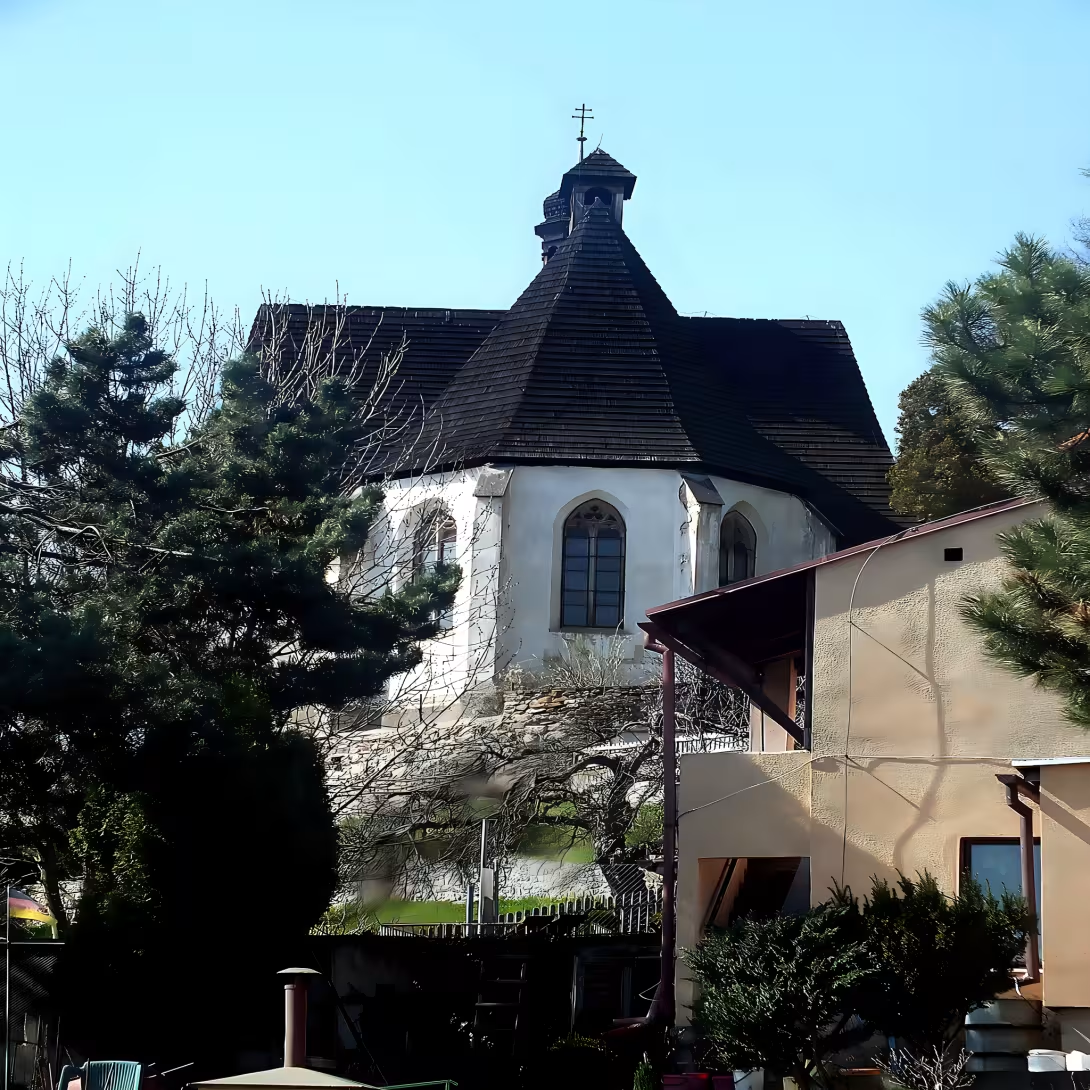
The Saint Anne Church in Krupka is a significant historical monument in the Czech Republic, located in the Ústecký kraj region. Built in 1516, this Renaissance-style church has undergone various transformations and renovations, reflecting the cultural and spiritual changes in Bohemia during the 16th century. Its unique features, including a rare depiction of Martin Luther, make it a fascinating piece of history worth exploring.
Initially built in 1516, the church was not used immediately. It was later used by the Evangelicals from 1576 to 1624, who partially renovated it in the Renaissance style. The church served as the town's only church until 1684, when it was renovated. In the 19th and 20th centuries, it underwent several restorations. By the early 1990s, it was left open to the public, and most of the interior furnishings were lost.
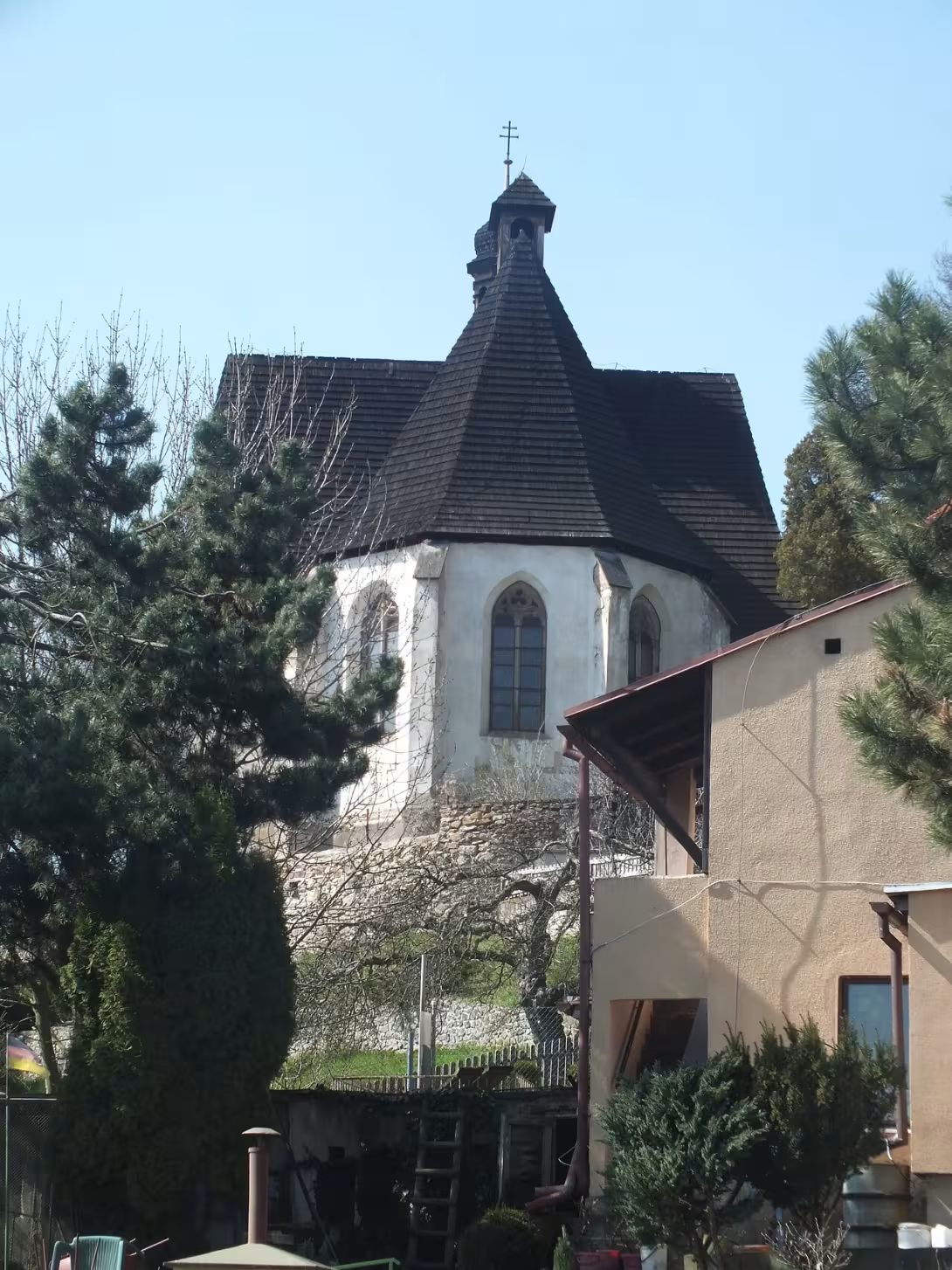
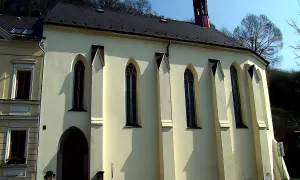
The church's architecture is characterized by a five-sided presbytery with a pointed arch and a rectangular nave. The facade is smooth, with pointed windows featuring tracery. The interior features a coffered ceiling and a two-story wooden gallery with 24 painted panels from the mid-16th century depicting Old Testament scenes. One original wall painting was covered, but the depiction of Martin Luther on the triumphal arch remains, making it the oldest known representation of him in the Czech lands.
The Renaissance gate, built in 1615, is a unique feature of the site. Constructed on the initiative of Georg Klippel, a local merchant, it is a notable example of Renaissance architecture. The church also features nine stone tombstones, including two with inscriptions and seven with coats of arms and emblems from the 17th century.
The church's history is closely tied to the Protestant Reformation in Bohemia, which had a significant impact on the region's culture and spirituality. The church's Renaissance features reflect this era's architectural and artistic trends. The church's current state is a testament to its rich history, and its accessibility to visitors from May to September makes it an attractive destination for those interested in history and architecture.
Today, the Saint Anne Church in Krupka is a must-visit destination for anyone interested in history, architecture, and culture. Its unique features and historical significance make it a fascinating piece of the Czech Republic's heritage. Visitors can explore the church's interior, admire its Renaissance gate, and learn about the region's complex history.
Then and now
Drag the slider to compare how the landmark may have looked when it was built with the view today.
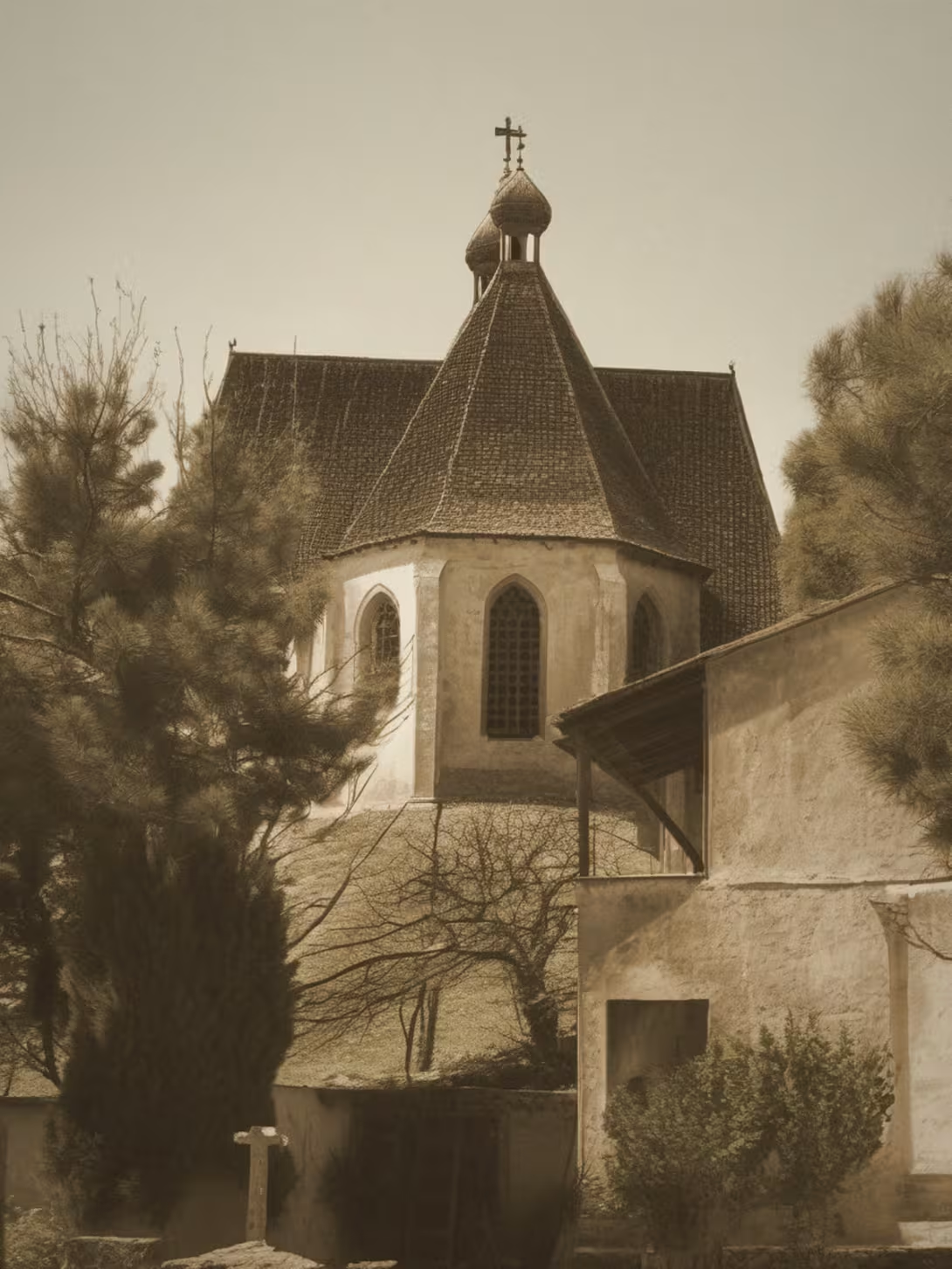
The historical appearance on the left is an AI-generated visualisation and serves as inspiration only.
Historical milestones
- 1516
- The church was built.
- 1576
- Used by the Evangelicals, who partially renovated it in the Renaissance style.
- 1684
- Renovated.
- 1615
- The renaissance gate was built.
Architectural development
The church has a five-sided presbytery with a pointed arch and a rectangular nave. The facade is smooth and only decorated with pointed windows with tracery. The interior features a coffered ceiling and a two-story wooden gallery with 24 painted panels from the mid-16th century depicting Old Testament scenes. One of the original wall paintings was covered, but the depiction of Martin Luther on the triumphal arch remains, making it the oldest known representation of him in the Czech lands.
Historical events
1516: The church was built.
1576-1624: Used by the Evangelicals, who partially renovated it in the Renaissance style.
1684: Renovated.
19th-20th centuries: Underwent several restorations.
Points of interest
– The church's Renaissance gate, built in 1615, is a unique feature of the site, constructed on the initiative of Georg Klippel, a local merchant, and is a notable example of Renaissance architecture.
– The church features nine stone tombstones, including two with inscriptions and seven with coats of arms and emblems from the 17th century, which provide valuable insight into the region's history.
– The church's interior features a two-story wooden gallery with 24 painted panels from the mid-16th century depicting Old Testament scenes, which are a rare and valuable example of Renaissance art.
– The church's depiction of Martin Luther on the triumphal arch is the oldest known representation of him in the Czech lands, making it a significant historical find.
– The church was initially built in 1516, but it was not used immediately, and it was later used by the Evangelicals from 1576 to 1624, who partially renovated it in the Renaissance style.
Guide
This guide is narrated by a synthetic voice generated by artificial intelligence.
Show guide text
This text was created by artificial intelligence and has not been editorially reviewed. It may contain inaccuracies.
Welcome in front of the Church of St. Anne in Krupce. You are standing before a beautiful Renaissance building that symbolizes architectural and religious changes in Bohemia in the 16th century. The church you see was built in 1516, but it wasn't used immediately. Later, it was utilized by Protestants who partially renovated it in the Renaissance style.
Let's move on to the architecture of the church. Notice its Renaissance portal, which was constructed in 1615. It is a unique element that was built on the initiative of a local citizen, Georg Klippel. The portal is an impressive example of Renaissance architecture.
Now let's focus on interesting personalities and stories associated with this place. The Church of St. Anne houses nine stone tombstones, two of which have inscriptions and seven bear coats of arms.
I now invite you to further explore this beautiful church. Open your eyes and let yourself be carried away by the atmosphere of this historic site.
Frequently asked questions
Can the monument be visited?
Religious buildings are usually open mainly during services; at other times a visit is normally arranged with the parish or the operator. We have not verified specific times.
Where is the monument?
Location: Krupka, Ústecký kraj. The map on this page shows the exact spot.
Why is the monument protected?
It is listed in the Central List of Cultural Monuments of the Czech Republic as a cultural monument (register no. 43694/5-2646).
Businesses nearby
Do you run a restaurant, accommodation, shop, museum, rental, wellness or other visitor service near this monument? Show yourself directly to the people heading to it — this is how they will see you in the app and on the web:
Nearby
The church is located in the Krupka cemetery, surrounded by a renaissance gate from 1615. A winter-protected oak tree is located north of the church.
Accommodation nearby
Trips and activities nearby
Guided tours, tickets and activities nearby from GetYourGuide
Affiliate link: if you buy from the partner, we may receive a commission. The price for you does not change.
Search tours and activities →Themed route
Krupka - historical core and Church of Saint Anne
1. Church of Saint Anne (Krupka) - main destination on the route This church is the dominant feature of the village of Krupka and is worth visiting for its historical value and architecture. It is located in a cemetery area, where a Renaissance gate from 1615 stands.
2. Renaissance Gate (Krupka) The gate is part of the cemetery near the Church of Saint Anne and is worth visiting for its historical significance and architecture. It is a Renaissance monument from 1615.
3. Protected Winter Oak (Krupka) This tree is protected and located to the north of the Church of Saint Anne. It is worth visiting due to its exceptional value and as a place for relaxation.
Seasonal recommendations
Jaro In the springtime, St. Anne's Church is surrounded by blooming trees and flowers, creating a pleasant atmosphere. The lighting is soft and gentle, allowing you to observe the architectural details of the church. The best time for a visit is in February or March when crowds are still small, letting you explore the church without unnecessary hustle and bustle. We recommend bringing sunglasses and comfortable shoes for walking around the area.
Summer During the main summer season, St. Anne's Church is very popular with tourists, so it’s best to arrive early to avoid large crowds. The lighting is stronger, allowing you to observe the interior architecture of the church. The atmosphere is relaxed and pleasant, with many families and children around. We recommend bringing a sun hat, sunglasses, and comfortable shoes for walking around the area.
Autumn In autumn, St. Anne's Church is surrounded by beautiful nature, with leafy trees and a calm atmosphere. The lighting is soft and gentle, allowing you to observe the architectural details of the church. The best time for a visit is in September or October when crowds are smaller, letting you explore the church without unnecessary hustle and bustle. We recommend bringing warm clothing and comfortable shoes for walking around the area.
Winter In winter, St. Anne's Church is open only during limited hours, so we recommend bringing warm clothing and a scarf. The atmosphere is calm and quiet, with gentle lighting that allows you to observe the architectural details of the church. We suggest visiting in February or March when crowds are smaller, letting you explore the church without unnecessary hustle and bustle.
Visualizations and artistic views


The visualisations are generated by artificial intelligence and serve as inspiration.
Photos from the area
Real photos taken near the monument


Zdroj a licence jsou uvedeny u každého snímku.
Tips from visitors
No tips yet. Be the first!
Log in and add your tip.
Sources and literature
Photos: Miloš Hlávka / CC BY-SA 4.0, rozlišení zvýšeno umělou inteligencí — Wikimedia Commons. The author and licence also appear when you hover over the image.
Faktickým podkladem tohoto textu byl článek na Wikipedii, jehož autory jsou přispěvatelé Wikipedie. Článek je dostupný pod licencí CC BY-SA 4.0.
Location on the map

Příběhy a pověsti
Legendy, pověsti a příběhy spjaté s touto památkou
Příběh: Kostel svaté Anny (Krupka)
Bylo to v pondělí ráno, kdy Matyáš zjistil, že nemůže spát. Krev ještě třikrát v noci probudila z úplného vyčerpaní a hořkost jeho duše se stala tak nepřeber…
Číst příběh
Pověst: Kostel svaté Anny (Krupka)
Staří obyvatelé Krupky vyprávějí, že kostel svaté Anny na libušínském hřbitově nikdy nebyl jen prostým místem modlitby. Byl svědkem věcí, o nichž se dlouho n…
Číst příběhFotografie návštěvníků
Zatím žádné fotografie. Buďte první, kdo přidá fotografii z návštěvy!
Log in a přidejte svou fotografii nebo hodnoťte.
Za ověřenou návštěvu v aplikaci získáte víc bodů — poznáme podle GPS, že jste na místě.
Reviews and comments