



socha svatého Františka Xaverského (Krupka) Statue column
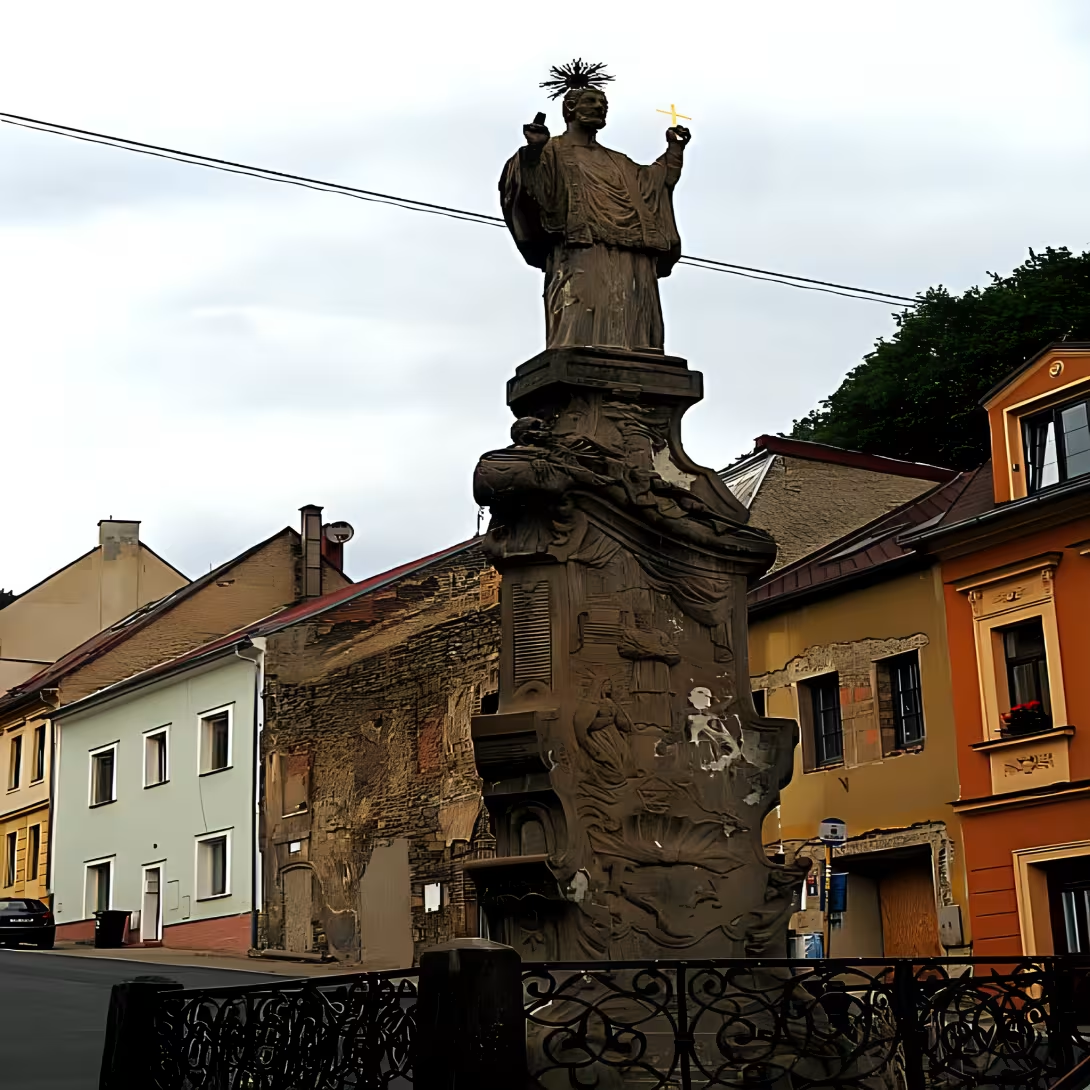
The statue of Saint Francis Xaversky in Krupka near Teplice is a Baroque monument from 1717. It resembles a tragic plague epidemic from 1680. The work, which today belongs to important symbols of the city, has recently undergone a difficult restoration after serious damage in a car accident.
The formation of the sculpture is closely related to the plague that hit Krupa in 1680 and claimed 327 lives, about a third of the population at that time. The inhabitants have given credit to stop the epidemic of Jesuit missionary Saint Francis Xaversky. In his honor, in 1717, they erected this Baroque work in Hussite Street. The historical context of the creation of the monument falls into the period of the high Baroque, which in Czech countries strongly influenced the counter-reformation and influence of the Jesuit Order.
Architecturally, it is a baroque sculpture complex, which includes, in addition to the figure of the saint, the base and artistic metal railing. The visual representation is consistent with the period religious iconography that was common in Europe after the period of war conflicts and epidemics.
On 21 June 2016, the monument was seriously damaged when an undersecured truck hit it when repairing the road on Hussite Street. The impact destroyed the statue, base and historic metal railing. The damage was estimated at 1.5 million crowns. Most of the repair costs, namely CZK 1.4 million, were covered by the insurance contributions of Strabag, which then performed construction work on the road.
The subsequent reconstruction was entrusted to the restorer Radomil Šolc of Bylochov, while the repair of the metal bars was provided by the company Houska and Douda from Bustlouhrad. The rediscovery took place on 3 December 2018, symbolically on the day of St. Francis Xaversky's feast according to the church calendar.
The statue in Hussite Street remains a permanent testament to the historical memory of Krupka. In addition to this monument, visitors can admire the rich mining history of the city, written on the UNESCO World Heritage List or nearby castle Krupka. This statue represents an important element of local identity and its restoration is an example of cultural heritage care after unexpected events.
Historical milestones
- 1717
- The statue of St. Francis Xaversky on Hussite Street.
- 2016
- Damage to the statue, pedestal and railings of the truck.
- 2018
- The reappearance of the statue after the completion of the restoration.
Architectural development
The statue is a baroque work of art, including a base and an artistic metal railing. After the accident in 2016, there was a professional restoration which Radomil Šolc led, while the bars were repaired by Houska and Douda.
Historical events
1680: Plague epidemic in Krupa. 1717: Statue elevation. 2016: Damage to the statue in a car accident. 2018: Revealing the statue after restoration.
Points of interest
- The statue was built in 1717 as a reminder of the plague epidemic of 1680, which killed a third of the population of the city. The people believed that the spread of the disease was stopped by Jesuit missionary František Xaverský, whose work was created in honor of him. - On 21 June 2016, the memory was seriously damaged by a truck, with the damage reached 1.5 million crowns. - The renewed statue was rediscovered on 3 December 2018, which symbolically corresponds to the holiday of the saint in the church calendar.
Guide
Show guide text
This text was created by artificial intelligence and has not been editorially reviewed. It may contain inaccuracies.
Welcome to Krupa, a small town full of history and beauty! You are standing in front of one of the most famous symbols of our city - the Baroque statue of St. Francis Xaversky, who tells you an interesting story today. Look up and you'll see the monumental figure of this Jesuit missionary standing on Hussite Street as a monument to the rich history of Krupa.
The statue was erected in 1717 as a reminder of the plague epidemic of 1680. This tragic event claimed the lives of a third of the people of the city at the time, which was a great break for the community. The inhabitants believed, however, that Saint Francis of Xaversky had stopped the spread of the disease, so they built this statue for him as a tribute.
Let's look at the architecture of this monument. The statue is made with great care for details and its Baroque style clearly resembles the time when it was created. Note the elegant position of Saint Francis, which is depicted with his hands erected to heaven, reflecting his spiritual strength and will to help people. Under the statue is a inscription that resembles the tragic events of 1680.
The key personality associated with this monument is, of course, Saint Francis Xaversky. His life and work were an inspiration to many people, especially in times of crisis and danger. The people of Krupka owe him for helping them convince themselves to protect him.
The interesting thing is that the statue has undergone several historical events. In 2016 it was badly damaged by a truck, which caused damage to the statue itself and to its pedestal and railing. However, thanks to the careful restaurant process, the monument was reexposed in 2018 and returned to its original state.
Let us now examine the surroundings of the statue. Notice how the baroque architecture of the ball with modern urban environment. Krupka is full of other historical monuments and attractions that await your discovery.
Thank you for your visit to this beautiful monument and we hope you enjoyed it. Don't forget to explore other attractions of Krupa and prepare unforgettable memories of your visiting day. Goodbye!
Tips for visitors
The best time to visit is in the morning or during the golden watch before sunset, when soft light beautifully highlights the Baroque details of the statue and its dynamic shapes. Due to the location in the street, it is advisable to choose a day with less traffic to be able to observe artistic processing in peace.
For photography I recommend to use detailed facial shots and gestures of the saint. The best angle for the frame is from a slight ceiling, which adds a statue to the monumental. Take advantage of the natural light that is reflected from surrounding historical houses on Hussite Street.
The children can be brought closer to the story of the statue as a story of ancient times and the history of the city, which can be an interesting addition when exploring local monuments.
In the immediate surroundings there is Krupka Castle, which offers another look at the rich mining history of the area. The whole city is part of the monuments listed on the World Heritage List, making it an ideal place for lovers of history and architecture.
Bring comfortable shoes for walking on historic tiles and a camera. Since the statue is located in public space, no special equipment is needed, only a attentive eye is sufficient to see the details of baroque sculpture.
Frequently asked questions
Can the monument be visited?
This is a structure in a public space that can usually be seen from outside free of charge. We have not verified that this particular one is freely accessible.
Where is the monument?
Location: Krupka. The map on this page shows the exact spot.
Why is the monument protected?
It is listed in the Central List of Cultural Monuments of the Czech Republic as a cultural monument (register no. 1000156062).
Businesses nearby
Do you run a restaurant, accommodation, shop, museum, rental, wellness or other visitor service near this monument? Show yourself directly to the people heading to it — this is how they will see you in the app and on the web:
Nearby
Krupka je známá svou bohatou hornickou historií a památkami zapsanými na seznamu UNESCO, v blízkosti se nachází hrad Krupka.
Accommodation nearby
Trips and activities nearby
Guided tours, tickets and activities nearby from GetYourGuide
Affiliate link: if you buy from the partner, we may receive a commission. The price for you does not change.
Search tours and activities →Themed route
Thematic cruise route from Krupa
1. Statue of St. Francis of Xaversky - Type: Memorial - Why is it worth a visit: This statue is not only a spiritual centre for locals, but also a beautiful example of artistic processing and historical memory. It's the perfect place to start your trip.
2. Castle Krupka - Type: Historical castle - Why it is worth a visit: The castle is a key part of the rich history of the city and offers a view of the valley of the Ohře river. His strong architecture and legends of the past attract you to explore his castle chambers and castle courtyard.
3. Krupa mines - Type: Mining Museum - Why is it worth visiting: These mines are part of the world's cultural heritage and offer a view of the history of mining in the area. It is a unique way to learn more about the past of local miners and techniques used in mining.
4. Sightseeing station Krupka - Type: Historical railway station - Why is it worth a visit: The railway station is an important architectural monument that reflects the history of railway and transport in the region. Its elegant construction and history make it interesting for history lovers.
5. Krupa parks - Type: Urban green areas - Why is it worth a visit: Parks offer a place to relax and walk after the trip. They are an ideal place to enjoy the natural beauty surrounding the historic centre of Krupka.
This route offers a comprehensive view of the cultural and historical aspects of Krupka, from spiritual monuments to mining history.
Seasonal recommendations
Spring: In the spring period, the surrounding area of the statue of Saint Francis Xaversky in Krupa is revived by flowers and new foliage of trees, adding an impression of life. The sun illuminates the memory of long sunny rays that highlight its details. It is advisable to equip yourself with warm and cold weather clothes for a visit, as the spring day can quickly go from sunny to windy or rainy. The best time for a tour is usually morning or evening to avoid the middle of the day and possible crowds.
Sunlight can be intense during this period, so it is recommended to visit early morning or late afternoon for using warm rays without direct sunlight. The important thing is to choose light clothes and sun protection such as a hat or a parasol.
Autumn: In autumn, the statue of Saint Francis Xaversky in Krupa offers a view of the colour-changed tree leaves and a quieter atmosphere. Sun rays are shorter, which could mean cooler weather this afternoon. A good choice is to choose the time for a tour of a convenient morning or evening when the temperature is pleasant and fewer people on the streets. Equipment with protective clothing against cold and possible rain is suitable.
Winter: The winter visit to the statue of Saint Francis Xaversky in Krupka offers a unique atmosphere where the beautiful frosty light joins the memory. The shade of trees and the cold weather add a sense of peace and quiet. It is advisable to visit in the morning or evening time when the temperature is milder and the sun rays can illuminate the statue.
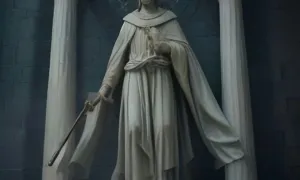
Visualizations and artistic views

The visualisations are generated by artificial intelligence and serve as inspiration.
Photos from the area
Real photos taken near the monument


Zdroj a licence jsou uvedeny u každého snímku.
Tips from visitors
No tips yet. Be the first!
Log in and add your tip.
Sources and literature
Photos: Sovicka169 / CC BY-SA 3.0, rozlišení zvýšeno umělou inteligencí — Wikimedia Commons. The author and licence also appear when you hover over the image.
Faktickým podkladem tohoto textu byl článek na Wikipedii, jehož autory jsou přispěvatelé Wikipedie. Článek je dostupný pod licencí CC BY-SA 4.0.
Location on the map


Příběhy a pověsti
Legendy, pověsti a příběhy spjaté s touto památkou
Fotografie návštěvníků
Zatím žádné fotografie. Buďte první, kdo přidá fotografii z návštěvy!
Log in a přidejte svou fotografii nebo hodnoťte.
Za ověřenou návštěvu v aplikaci získáte víc bodů — poznáme podle GPS, že jste na místě.
Reviews and comments