






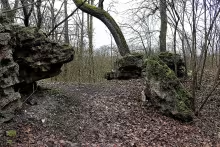
Mydlovar, also known as Kostomlaty, is a medieval castle ruin located near Ostrá and Nymburk in the Czech Republic. Situated on an artificially elevated knoll surrounded by marshes and dead arms of the Elbe River, this site has been protected as a cultural monument since 1965. Notably, Mydlovar stands out among Czech castles for its unique construction primarily using bricks.
The origins of Mydlovar trace back to the late 13th century when it was built by local nobility. Over time, ownership passed through several notable families, including the Častolovice and Kunštát families. In 1493, King Vladislav Jagellonský acquired the castle but pawned it to Jan ze Šelmberka. The last noble owner was Bedřich z Donína, who lost possession in 1547 when it was confiscated.
Architecturally, Mydlovar features double ditches and ramparts for protection, constructed on an elevated knoll surrounded by marshes. Its main defensive structure is a brick curtain wall, which still rises above the ground in places today. Over time, both the outer walls and buildings collapsed into the courtyard, obscuring the original layout.
Local legends add mystique to Mydlovar's history. According to these tales, Princess Libuše founded the castle and used it as her summer residence. A wooden bridge supposedly allowed her to visit Hradiště church across the Elbe River. Additionally, there is a legend about ladoňka (a plant) that was cultivated by Libuše in her garden at Mydlovar, from where it spread into the surrounding forest. Another tale speaks of a cowherd who fell into an opening near a boulder on the ruins and never returned.
Today, Mydlovar is located within the natural reserve of Mydlovarský luh. It is accessible via a blue-marked tourist trail from Milovy to Nymburk, with a yellow-marked path connecting from Kostomlaty nad Labem station. The site offers visitors a glimpse into medieval architecture and local folklore, making it a worthwhile destination for those interested in history and culture.
Mydlovar's unique brick construction and rich historical narratives make it an intriguing site worth exploring. Its preservation as a cultural monument ensures that future generations can appreciate its significance within Czech heritage. Visitors are invited to explore this captivating ruin and immerse themselves in the stories of its past.
Historical milestones
- 1223
- First written mention likely refers to a vanished village nearby.
- 1493
- Purchased by King Vladislav Jagellonský.
- 1547
- Confiscated from Bedřich z Donína.
Architectural development
Mydlovar was constructed on an elevated knoll surrounded by marshes, featuring double ditches and ramparts for protection. The main defensive structure was a brick curtain wall, which still rises above the ground in places. Over time, both the outer walls and buildings collapsed into the courtyard, obscuring the original layout.
Historical events
1223: First written mention likely refers to a vanished village nearby.
1493: Purchased by King Vladislav Jagellonský.
1547: Confiscated from Bedřich z Donína.
Owners
The castle was initially built in the late 13th century by local nobility and later owned by the Častolovice and Kunštát families. In 1493, King Vladislav Jagellonský purchased it but pawned it to Jan ze Šelmberka. The last noble owner was Bedřich z Donína, who lost it in 1547.
Points of interest
- Mydlovar is unique among Czech castles for its construction primarily using bricks, a rarity in the region's medieval architecture which often favored stone.
- According to local legends, Princess Libuše founded Mydlovar and used it as her summer residence, adding a layer of mythical significance to its history.
- A tale suggests that Libuše cultivated ladoňka (a plant) at Mydlovar, from where it spread into the surrounding forest, intertwining the castle's legacy with local flora.
Guide
Show guide text
Welcome to the historic site of Mydlovar, a captivating medieval castle ruin nestled in Šnepov, Středočeský kraj. As you stand here, surrounded by the serene landscape, imagine this place as it once was—a testament to architectural ingenuity and historical intrigue.
Mydlovar's origins date back to 1223 when it is first mentioned in writing, likely referring to a nearby vanished village. By 1493, King Vladislav Jagellonský acquired Mydlovar, marking the beginning of its significant chapter in history. In 1547, the site was confiscated from Bedřich z Donína, adding layers to its storied past.
As you explore this site, take a moment to appreciate its unique architectural style. Unlike many Czech castles that predominantly used stone, Mydlovar is distinguished by its extensive use of bricks—a rarity in medieval architecture here. This choice not only highlights the ingenuity of its builders but also contributes to the distinct character and resilience of the structure.
Now, let's delve into some of the key stories associated with this place. King Vladislav Jagellonský, a prominent historical figure linked to Mydlovar, left his mark on its legacy. His acquisition in 1493 was pivotal, as it brought royal attention and prestige to the site. Additionally, figures like Jan ze Šelmberka and Bedřich z Donína played significant roles in shaping its history.
As you walk around, consider a local legend that adds an enchanting layer to Mydlovar's narrative: Princess Libuše is said to have founded this place and used it as her summer residence. This tale weaves mythical significance into the fabric of Mydlovar's history, inviting us to ponder the stories that might have unfolded here.
As you continue your exploration, I encourage you to immerse yourself in the atmosphere of this remarkable site. While much has been lost to time, the remnants still speak volumes about its past grandeur and historical importance.
Thank you for joining me on this journey through history at Mydlovar. As you venture further or return another day, may your curiosity continue to be ignited by the stories etched into these ancient stones. Farewell, until we meet again in the echoes of history.
Tips for visitors
The best time to visit Mydlovar is during late spring or early autumn when the weather is mild, making it comfortable for exploring the ruins and surrounding natural reserve of Mydlovarský luh. The lush greenery in these seasons provides a picturesque backdrop, enhancing the medieval charm of the site. Additionally, visiting outside of peak summer months helps avoid crowds, allowing for a more serene experience.
Parking is available near Milovy, from where you can start your journey on the blue-marked tourist trail leading to Mydlovar. Public transportation options include buses and trains that stop at nearby stations such as Kostomlaty nad Labem. It's advisable to check current routes and schedules in advance to plan your visit efficiently.
When visiting Mydlovar, it is recommended to bring comfortable walking shoes, a hat, sunscreen, and water, especially if you plan to explore the trails within the natural reserve. A camera or smartphone for photography can also enhance your experience, capturing the unique landscape and historical ambiance of the site.
For photography enthusiasts, the best spots are at the top of the artificially elevated knoll where Mydlovar stands, offering panoramic views of the surrounding marshes and dead water bodies. Early morning light provides a soft glow that beautifully highlights the ruins against the natural scenery. The golden hour during sunset can also create dramatic lighting conditions.
Nearby attractions within 30 minutes include Ostrá Castle, which offers its own historical charm with well-preserved structures and scenic views of the Elbe River valley. Nymburk is another nearby destination known for its beautiful castle and vibrant cultural scene. Both locations are accessible via marked trails or short drives.
Businesses nearby
Do you run a restaurant, accommodation, shop, museum, rental, wellness or other visitor service near this monument? Show yourself directly to the people heading to it — this is how they will see you in the app and on the web:
Nearby
Mydlovar is located within the natural reserve of Mydlovarský luh. It is accessible via a blue-marked tourist trail from Milovy to Nymburk, with a yellow-marked path connecting from Kostomlaty nad Labem station.
Accommodation nearby
Themed route
Thematic Tour Route: Mydlovar and Surroundings
1. Mydlovar (Zřícenina) - *Type:* Historical Ruin - *Why Visit:* Explore the remnants of a medieval soap factory, offering a glimpse into early industrial practices in Bohemia. The site is enveloped by the natural reserve of Mydlovarský luh, providing a serene backdrop for history enthusiasts.
2. Mydlovarský Luh (Natural Reserve) - *Type:* Natural Area - *Why Visit:* Wander through this tranquil nature reserve surrounding the ruins. It's an ideal spot for birdwatching and enjoying lush landscapes that highlight the region's biodiversity, complementing the historical significance of Mydlovar.
3. Milovy to Nymburk Blue Trail - *Type:* Hiking Trail - *Why Visit:* Follow this blue-marked trail starting from Milovy towards Nymburk for a scenic hike that connects you with the local landscape and history. The path offers picturesque views and is perfect for those looking to combine physical activity with cultural exploration.
4. Kostomlaty nad Labem Station - *Type:* Starting Point - *Why Visit:* Begin your journey at this station where a yellow-marked trail intersects, providing an alternative route through the area's scenic beauty. It serves as a gateway to exploring both Mydlovar and its natural surroundings.
This thematic tour combines historical exploration with nature appreciation, offering a comprehensive experience of the Mydlovar site and its immediate environment.
Seasonal recommendations
Spring: Visiting the Mydlárna (Soap Factory) ruins in Šnepov during spring offers a unique experience as nature begins to awaken around the historic site. The lush greenery and blooming flowers create a picturesque backdrop, enhancing the atmospheric charm of the ancient structures. As daylight extends into the evening, visitors can enjoy the soft, golden hues that illuminate the ruins, providing excellent photography opportunities. However, it's advisable to dress in layers as temperatures can vary significantly between day and night. This period often sees fewer tourists compared to summer, allowing for a more tranquil exploration.
Summer: Summer is an ideal time to explore the Mydlárna ruins due to the extended daylight hours, which allow visitors to fully appreciate the site’s historical ambiance under bright sunlight. The warm weather encourages outdoor activities, making it perfect for picnics or leisurely walks around the area. However, summer also brings larger crowds, especially during peak tourist season in July and August. To avoid long waits and ensure a comfortable visit, arriving early in the morning is recommended. Light, breathable clothing and sun protection are essential to enjoy your time at the site comfortably.
Autumn: Autumn transforms the Mydlárna ruins into a vibrant tapestry of reds, oranges, and yellows, offering a stunning visual experience as the leaves change color. The cooler temperatures make for pleasant walking conditions, and the crisp air adds to the serene atmosphere of the historic site. This season often sees fewer visitors than summer, providing an opportunity for more intimate exploration. However, it's wise to check weather forecasts, as autumn can bring unpredictable rain showers. Wearing waterproof footwear and carrying a light jacket are practical tips to enhance your visit during this beautiful time of year.
Winter: Winter visits to the Mydlárna ruins present a hauntingly beautiful experience as snow blankets the ancient structures, creating an ethereal atmosphere that is both quiet and reflective. The shorter daylight hours mean planning is crucial; arriving early ensures you maximize your time at the site before it closes. The cold weather necessitates warm clothing, including thermal layers, hats, gloves, and sturdy boots to navigate potentially icy paths safely. While winter may deter some visitors due to its harsh conditions, those who venture out are rewarded with a peaceful, almost magical setting that few other seasons can offer.
Visualizations and artistic views

Vizualizace jsou generovány umělou inteligencí a slouží jako inspirace.


Tips from visitors
No tips yet. Be the first!
Log in and add your tip.
Location on the map

Příběhy a pověsti
Legendy, pověsti a příběhy spjaté s touto památkou
Reviews and comments