






Myšenec Ruin
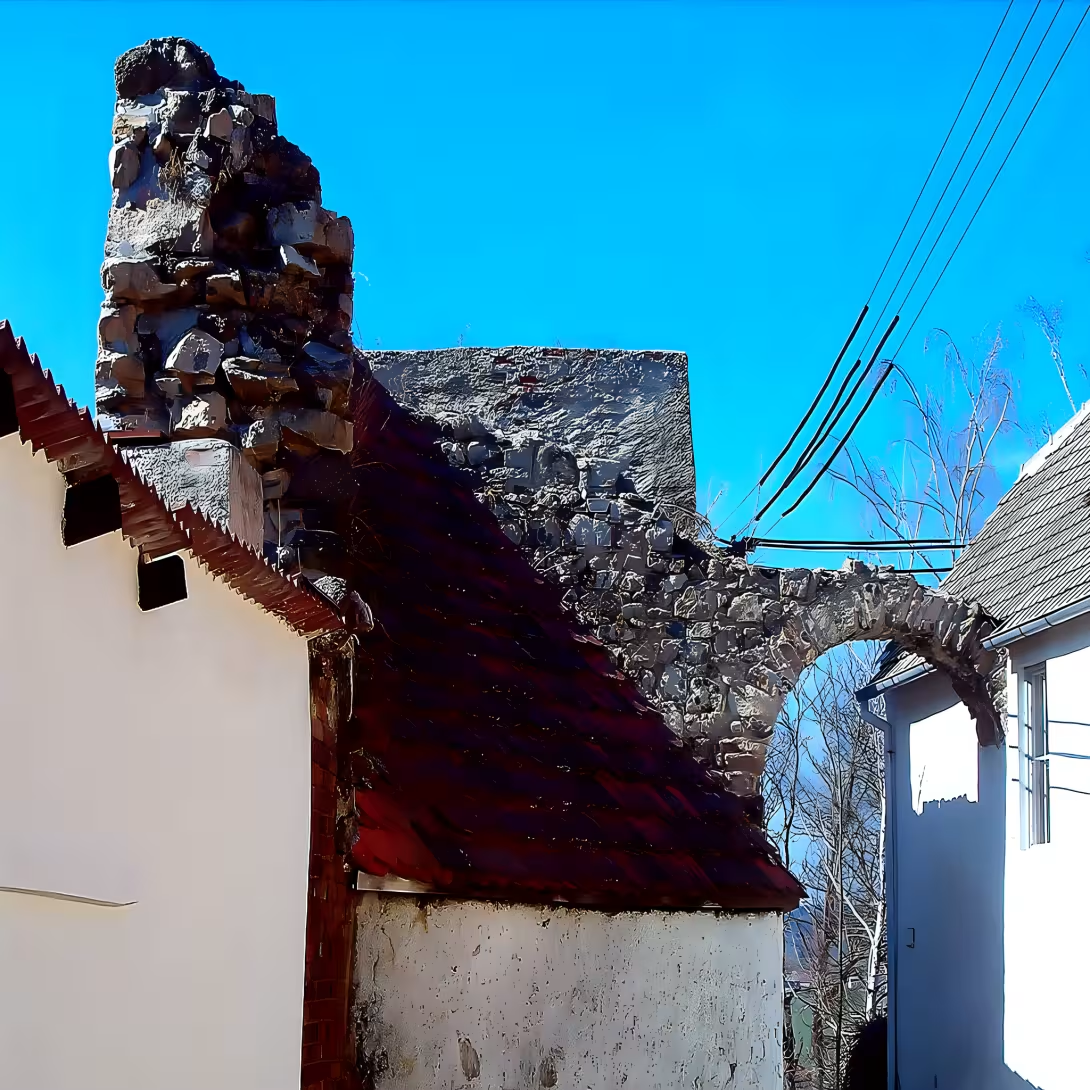
Myšenec is a castle ruin located near Protivín in the Písek District. King Přemysl Otakar II built it in the late 13th century as a venue for diplomatic meetings. Over time, the site has been absorbed into village development and is now protected as a cultural monument. Despite its current state as ruins, Myšenec offers insights into medieval architecture and history.
King Přemysl Otakar II commissioned Myšenec's construction primarily to serve diplomatic purposes. The castle was first mentioned in 1273 in a royal charter by the king himself. After his death in 1278, it was deemed unnecessary and abandoned before completion. Initially thought to be remnants of either a monastery or a royal hunting lodge, Myšenec reflects its strategic importance during Otakar II's reign as he sought to consolidate power within Bohemia.
Architecturally, Myšenec featured a square layout with defensive walls and a moat, indicative of its intended role. The castle included a long palace with heated rooms and pointed windows, alongside a chapel with rib vaulting. Surviving fragments reveal parts of the curtain wall on the northern side and reused stone elements in later buildings. This style underscores Myšenec's dual purpose as both a defensive stronghold and a site for representation.
Following Otakar II's death, ownership transitioned dramatically, leading to its abandonment. By the late 18th and early 19th centuries, residential buildings were constructed among the ruins, integrating them into village life. This shift illustrates Myšenec's changing fortunes over time.
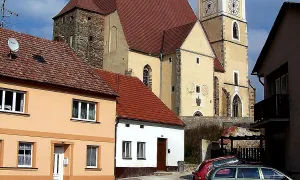
Today, remnants of Myšenec are partially accessible between village houses. The area is traversed by a green-marked tourist trail around Protivín and cycle route number 1146, making it an intriguing destination for visitors interested in medieval history and architecture. Despite its dilapidated state, the site offers valuable insights into late 13th-century strategic and architectural considerations.
Myšenec stands as a testament to King Přemysl Otakar II's ambitions and the transient nature of power structures in medieval Bohemia. Its preservation allows visitors to explore a piece of history that once played a significant role in diplomatic affairs. For those interested in architectural evolution from royal edifices to village homes, Myšenec is undoubtedly worth visiting.
Then and now
Drag the slider to compare how the landmark may have looked when it was built with the view today.
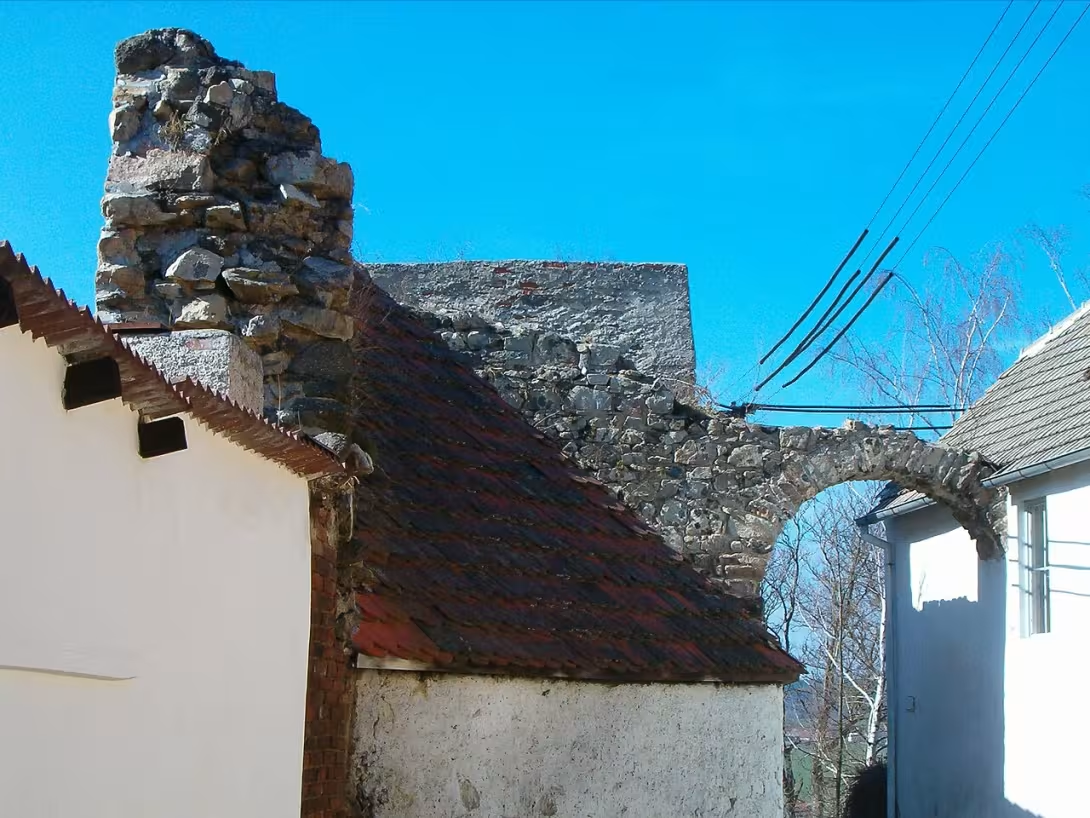
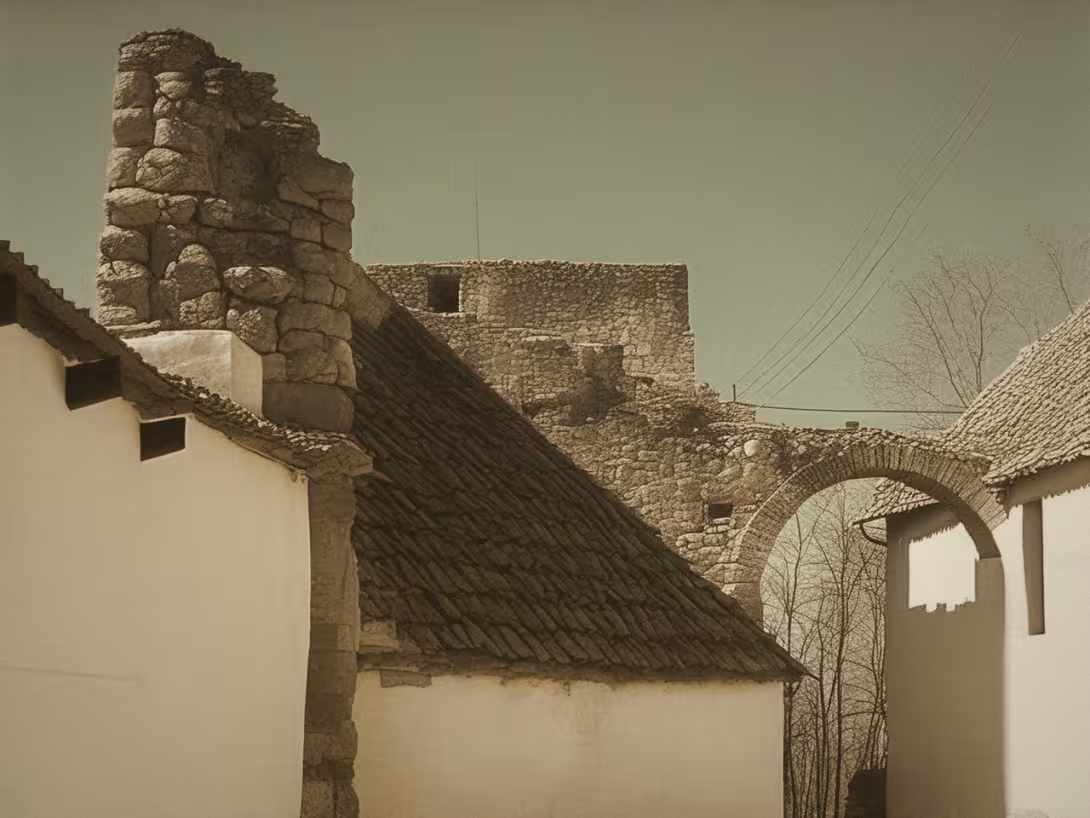
The historical appearance on the left is an AI-generated visualisation and serves as inspiration only.
Historical milestones
- 1273
- Myšenec first mentioned in a royal charter by King Přemysl Otakar II.
- 1278
- King Přemysl Otakar II's death, leading to Myšenec's abandonment.
- 1300
- Estimated construction period of Myšenec by King Přemysl Otakar II.
- kolem 1350
- Integration of castle ruins into village development begins.
- konec 18. století - počátek 19. století
- Construction of residential buildings among Myšenec's ruins.
Architectural development
Myšenec featured a square layout with defensive walls and a moat. A long palace with heated rooms and pointed windows formed part of its structure, alongside a chapel with rib vaulting. The remnants include parts of the curtain wall on the northern side and reused stone elements in later buildings.
Historical events
1273: First documented mention in a royal charter issued by King Přemysl Otakar II.
1278: The castle was abandoned shortly after the king's death.
Points of interest
- Myšenec's construction was halted abruptly after King Přemysl Otakar II's death in 1278, leaving it unfinished and leading to its eventual abandonment. This premature end reflects the volatile nature of political power during his reign.
- Initially mistaken for a monastery or royal hunting lodge, Myšenec's true purpose as a diplomatic venue was only clarified through historical research. This misconception highlights how interpretations of medieval structures can evolve over time.
- The castle's architectural features, such as heated rooms and rib-vaulted chapels, indicate its intended function not just as a defensive structure but also as a place for representation and comfort, showcasing the dual roles of royal buildings in that era.
- In the late 18th and early 19th centuries, Myšenec's ruins were repurposed into residential buildings, integrating them into village life. This transformation underscores how historical sites can be adapted to meet contemporary needs while preserving their legacy.
- Despite its dilapidated state, Myšenec remains accessible through a green-marked tourist trail and cycle route number 1146, allowing visitors to explore its remnants and gain insights into medieval strategic planning and architectural styles.
Guide
This guide is narrated by a synthetic voice generated by artificial intelligence.
Show guide text
This text was created by artificial intelligence and has not been editorially reviewed. It may contain inaccuracies.
Welcome to Myšenec, a captivating window into the past nestled in the charming village of Myšenec near Protivín in the Jihočeský kraj region. As you stand before these ancient ruins, imagine the stories they hold and the whispers of history that echo through their stones.
Myšenec's origins trace back to the second half of the 13th century when it was commissioned by King Přemysl Otakar II. This castle served as a significant representative seat for diplomatic meetings during his reign, reflecting its importance in medieval politics and society. The site first appeared in historical records in a royal charter from 1273, marking its inception into the annals of history.
As you take in your surroundings, notice how nature has gracefully reclaimed these ruins. The remnants of stone walls stand as silent witnesses to their former glory, inviting you to ponder the architectural ambitions that were abruptly halted with the king's death in 1278. This event led to Myšenec’s abandonment, leaving it unfinished and gradually integrating into the village development over time.
The castle's architecture may seem modest now, but its strategic location and initial design aimed for grandeur and functionality. The ruins offer a glimpse into medieval construction techniques and the lifestyle of those who once inhabited this space. As you explore, imagine walking through what would have been bustling halls and corridors, filled with the sounds of royal decrees and diplomatic discussions.
King Přemysl Otakar II is a central figure in Myšenec's story. His ambitious reign saw significant developments across his kingdom, yet his untimely death left many projects incomplete, including this very castle. The abrupt end to its construction reflects the turbulent nature of political power during that era.
One intriguing aspect of Myšenec is its mistaken identity; initially thought to be a monastery or royal hunting lodge, it was actually intended as a diplomatic seat. This misconception adds an extra layer of mystery and fascination to your visit.
As you continue exploring these ruins, consider the transition from a significant medieval site to a cultural monument protected within the village's fabric. By the late 18th and early 19th centuries, residential buildings were constructed among Myšenec’s remnants, showcasing how history is woven into everyday life here.
We invite you to take your time wandering through these historical stones, imagining the past that unfolded in this very spot. As you conclude your visit, carry with you the stories of ambition, power, and transformation that Myšenec so vividly represents. Thank you for joining us on this journey through history—may it inspire further exploration and discovery.
Frequently asked questions
Can the monument be visited?
This is a ruin. Such sites are often freely accessible, but some can only be visited with a guide or are closed for safety reasons. We have not verified the current situation – take care and respect any restrictions.
Where is the monument?
Location: Myšenec, Jihočeský kraj. The map on this page shows the exact spot.
Why is the monument protected?
It is listed in the Central List of Cultural Monuments of the Czech Republic as a cultural monument (register no. 14195/3-2649).
Businesses nearby
Do you run a restaurant, accommodation, shop, museum, rental, wellness or other visitor service near this monument? Show yourself directly to the people heading to it — this is how they will see you in the app and on the web:
Nearby
The castle ruins are partially accessible between village houses. The area is traversed by a green-marked tourist trail around Protivín and cycle route number 1146.
Accommodation nearby
Themed route
Thematic Tour Itinerary: Myšenec Castle Ruins and Surroundings
1. Myšenec Castle Ruins - Type: Historical Site - Why Visit: Explore the remnants of this medieval castle, partially accessible amidst village houses. The ruins offer a glimpse into the past with their strategic location overlooking the surrounding landscape. It's an ideal starting point for history enthusiasts eager to uncover stories embedded in stone.
2. Green-Marked Tourist Trail - Type: Walking/Hiking Trail - Why Visit: Follow this trail that meanders through picturesque countryside, offering scenic views and a chance to immerse yourself in the natural beauty of the region. The path provides an excellent opportunity for leisurely walks or cycling, connecting you with local flora and fauna.
3. Cycle Route 1146 - Type: Cycling Path - Why Visit: This route is perfect for cyclists looking to explore the area's charming landscapes at their own pace. It complements the green-marked trail by providing a different perspective of the region, ideal for those who prefer two wheels over walking.
This itinerary offers a balanced mix of history and nature, allowing visitors to appreciate both cultural heritage and natural beauty in the vicinity of Myšenec Castle Ruins.
Seasonal recommendations
Spring: Visiting Myšenec Castle ruins during spring offers a unique experience as the landscape comes alive with vibrant colors and fresh blooms. The soft, dappled sunlight filtering through budding trees creates a magical atmosphere that enhances the historical aura of the site. This season is ideal for photography enthusiasts looking to capture the contrast between nature's renewal and the ancient stones. Visitors should be prepared for occasional showers, so wearing layers and waterproof footwear is advisable. Early morning visits are recommended to avoid larger crowds as people flock to enjoy the blossoming scenery.
Summer: Summer at Myšenec Castle ruins provides a lively setting under the bright sun, with lush greenery surrounding the ancient structure. The warm weather encourages outdoor activities, making it perfect for picnics or leisurely exploration of the site's history and architecture. However, this is also peak tourist season, so expect larger crowds. Arriving early in the morning can help avoid the midday heat and ensure a more tranquil experience. Comfortable walking shoes and light clothing are essential, along with plenty of water to stay hydrated.
Autumn: The autumn months transform Myšenec Castle ruins into a picturesque wonderland of reds, oranges, and yellows. The cooler temperatures create an inviting atmosphere for visitors to wander through the site at a leisurely pace while enjoying the crisp air and rustling leaves. This season is particularly enchanting in the late afternoon when the golden light casts long shadows over the ruins. It's advisable to dress warmly in layers as the weather can be unpredictable, with sudden chills or rain showers. Visiting during weekdays might offer a quieter experience compared to weekends.
Winter: Winter at Myšenec Castle ruins offers a serene and mystical ambiance, as snow blankets the ancient stones, creating a stark yet beautiful contrast. The quietness of this season is perfect for those seeking solitude and reflection amidst nature's hibernation. However, accessibility might be limited due to snow or ice, so checking conditions beforehand is crucial. Wearing warm clothing, including thermal layers, gloves, and sturdy boots with good traction, is essential. Visiting during midday can provide the best light for photography, capturing the castle in its winter splendor against a clear sky.
Visualizations and artistic views


The visualisations are generated by artificial intelligence and serve as inspiration.
Photos from the area
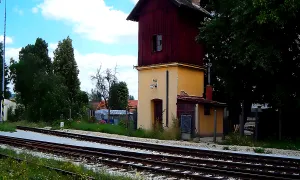
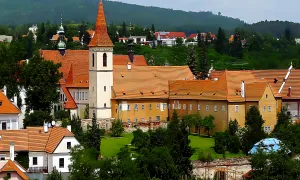
Real photos taken near the monument


Zdroj a licence jsou uvedeny u každého snímku.
Atmosphere of the place
This atmospheric visualisation of the place and period was generated by artificial intelligence. It is not real footage of the location.
Tips from visitors
No tips yet. Be the first!
Log in and add your tip.
Sources and literature
Photos: Chmee2 / CC BY-SA 3.0, rozlišení zvýšeno umělou inteligencí — Wikimedia Commons. The author and licence also appear when you hover over the image.
Faktickým podkladem tohoto textu byl článek na Wikipedii, jehož autory jsou přispěvatelé Wikipedie. Článek je dostupný pod licencí CC BY-SA 4.0.
Location on the map

Příběhy a pověsti
Legendy, pověsti a příběhy spjaté s touto památkou
Fotografie návštěvníků
Zatím žádné fotografie. Buďte první, kdo přidá fotografii z návštěvy!
Log in a přidejte svou fotografii nebo hodnoťte.
Za ověřenou návštěvu v aplikaci získáte víc bodů — poznáme podle GPS, že jste na místě.
Reviews and comments