






Na skále Homestead
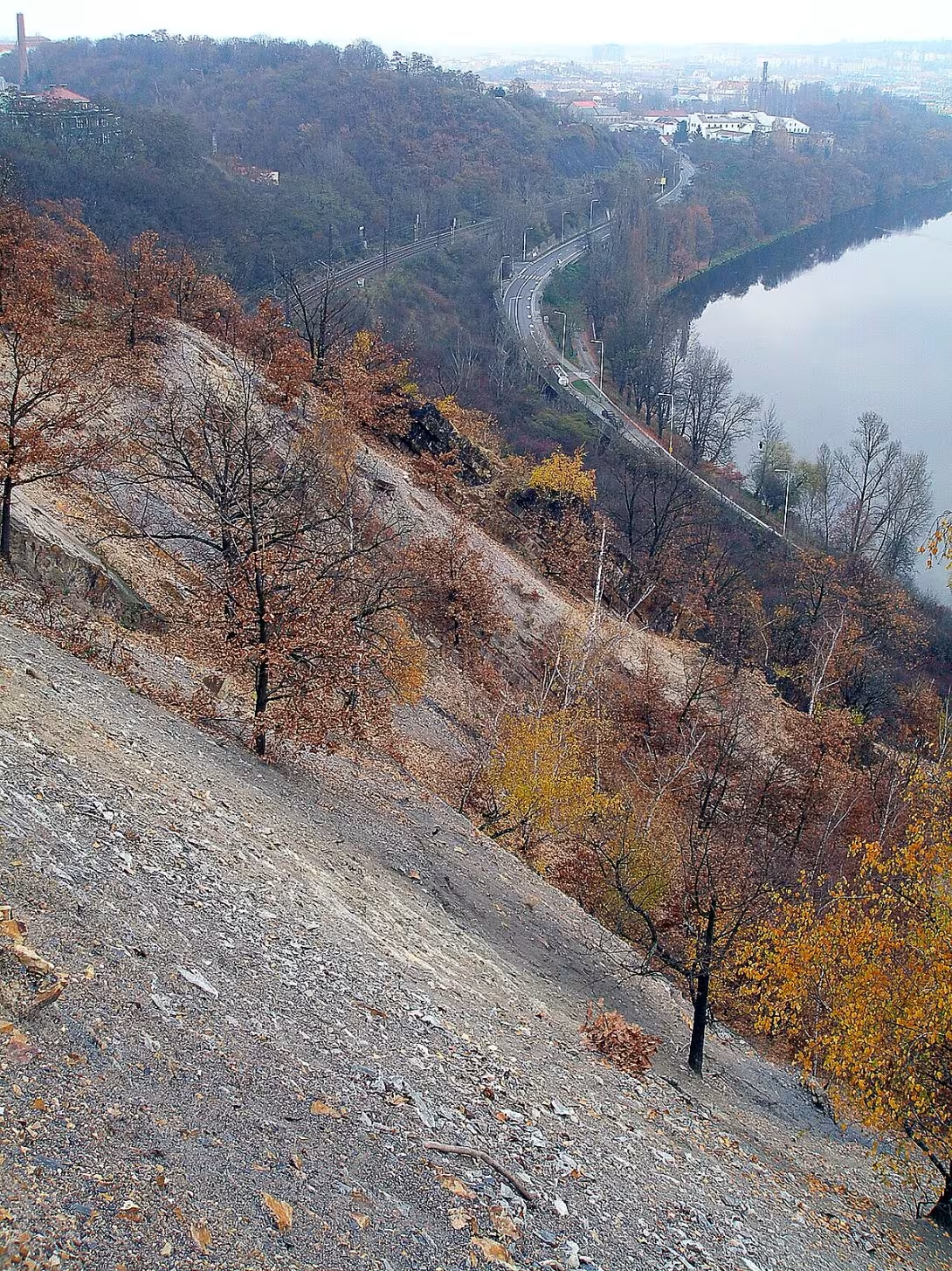
Objekt se nedochoval — na místě dnes nestojí. Následující text popisuje jeho historii, ne současnou návštěvu.
The estate Na Skála was a classical building situated on the side of the Vltavou in Prague Libni, close to the natural monument of the White Rock. The building was built in the first third of the 19th century and until its demise formed a lone dominant slope over the Povltava Street.
The Holešovice region, where the estate used to be, has a long agricultural tradition; The vineyards have been documented here since the 14th century. However, this building is not yet in the Terezian cadastral. Only the field named Na skále, which was owned by the city's new town-owner Jindřich Příborský, is listed here. The house itself was built only in the first third of the 19th century, i.e. in the period of the maturing classicism and national renewal.
Architecturally, the object was characterised by a moderate concept, typical of the construction in this location. It was a storey residential house with a smooth facade and a valb roof. The construction has not been significantly rebuilt over the years and has retained its original character until its demise.
The landmark protection was abolished in 1964. Even around 2000, the house on the slope stood alone, but at present it is only led as a demolition site in the property register.
The location of Na Skále today resembles the extinct form of the liberal landscape and its historical link to the winery. Although the physical form of the estate no longer exists, the place above the Vltavou near the White Rock remains an important point for understanding the building development of Prague suburbs. Visiting this area offers the opportunity to explore the history of Holešovice and to remember the changes that the Prague landscape has undergone over the centuries.
Then and now
Drag the slider to compare how the landmark may have looked when it was built with the view today.
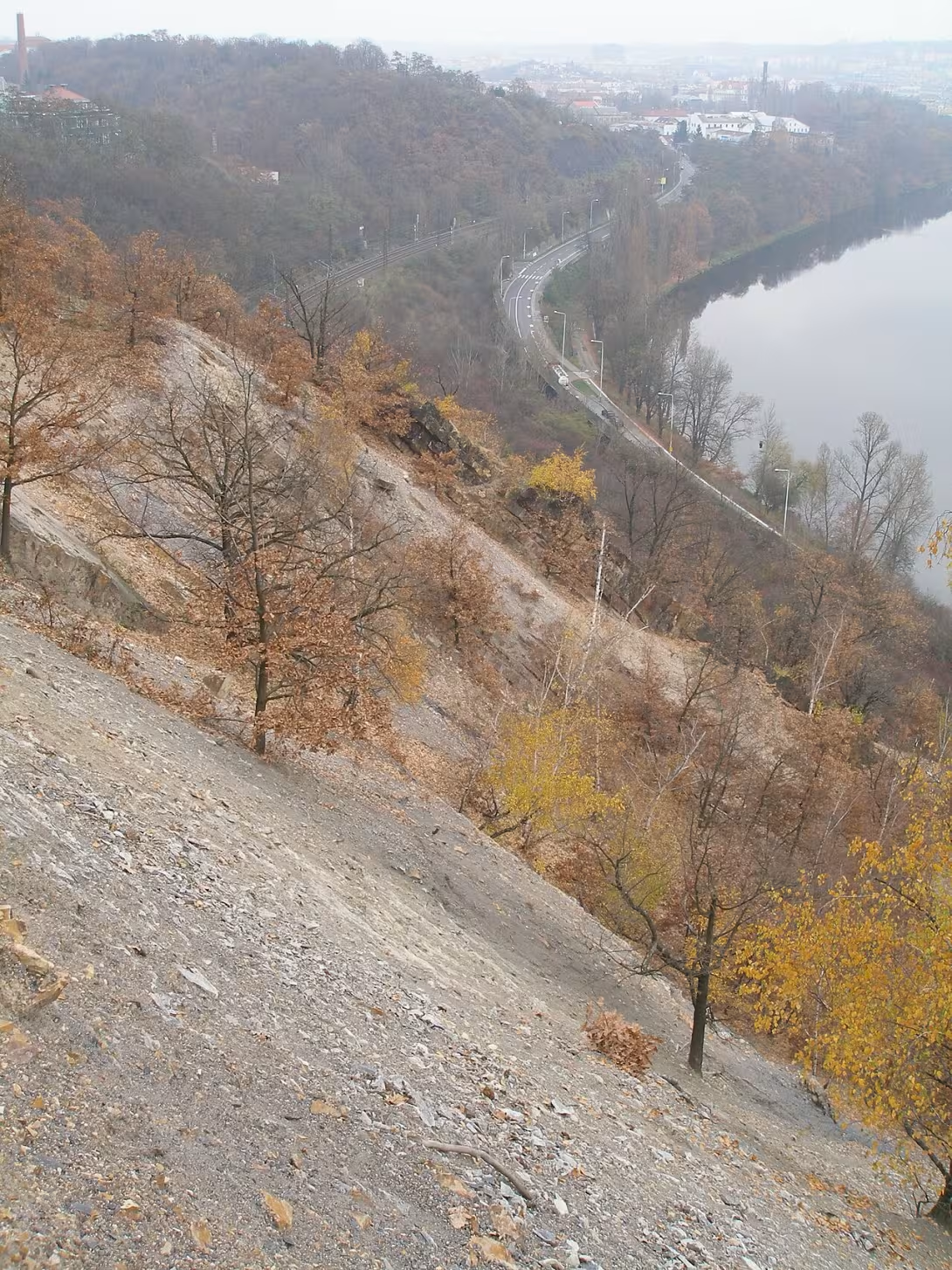
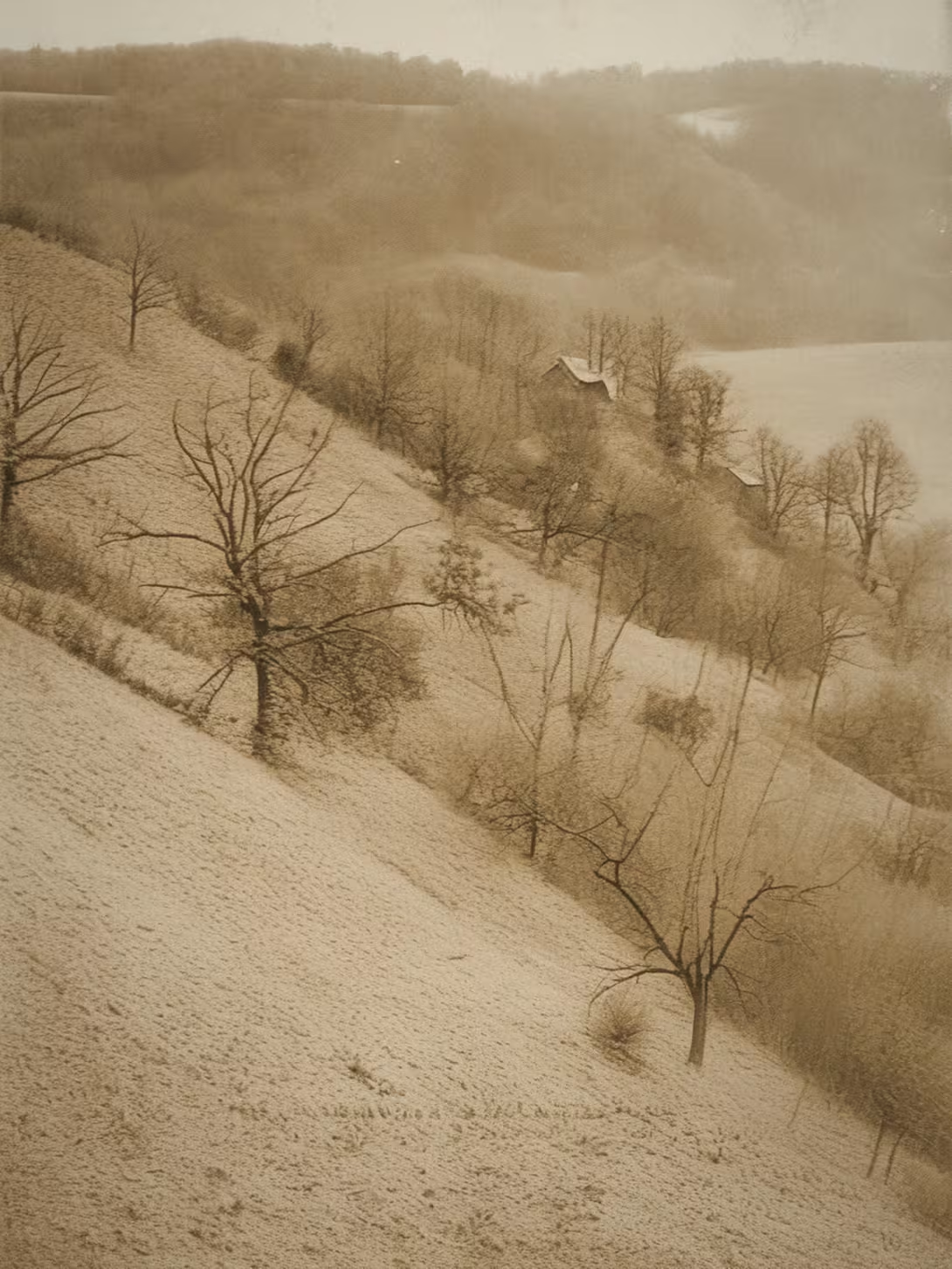
The historical appearance on the left is an AI-generated visualisation and serves as inspiration only.
Historical milestones
- 1300-1400
- The first documented mention of the wine tradition in the area of Holešovice.
- 1748
- In the Terezian cadastral, the land is listed as a field.
- 1833
- Construction of the Classicist estate on the Rock.
- 1964
- Cancellation of monument protection of the building.
- 2000
- The object still exists as a isolated building on the slope.
- 2024
- The property is listed as a demolition site.
Architectural development
The estate was built in the first third of the 19th century as a storey house. It was architecturally characterised by a moderate concept with a smooth facade and a valb roof. The building was not significantly rebuilt in later years, and it preserved its original character until its demise.
Historical events
In the 14th century, vineyards were documented in the area of Holešovice. In the 19th century there was built a settlement which died in the 20th century.
Owners
Jindřich Příborský (New Town township, documented in the Terezian cadastral in connection with land).
Points of interest
- The estate Na Skála was a classical building situated on the side of the Vltavou in Prague Libni, close to the natural monument of the White Rock. - The building was created in the first third of the 19th century and until its demise formed a lonely dominant slope over Povltava Street. - The Terezian cadastrum does not include the building, only the field called Na skále, which was owned by the New Town township Jindřich Příborský. - Architecturally, the object was characterized by a moderate concept, a storey residential house with a smooth facade and a valb roof. - The landmark protection of the estate was abolished in 1964 and is currently only held as a demolition site.
Guide
Show guide text
This text was created by artificial intelligence and has not been editorially reviewed. It may contain inaccuracies.
Welcome, dear listeners, and allow me to welcome you to a place where history meets the landscape and where a unique story spreads in silence over Vltava. You are standing in front of the settlement on the Rock, which stands on the side above the river, in Prague Libni, just a short walk from the natural monument of the White Rock. In front of you is a flat residential house with a smooth facade and a valb roof, which has been a lonely dominant slope over the Povltava Street for centuries. His silhouette rises above the surrounding earth as a silent witness to past times, and if you look up, you'll notice how his roofs are mirrored in the reflections of the Vltava that flow silently beneath him.
Let us now immerse ourselves in the origin and historical context of this place. The first mention of the wine tradition in the area, which now includes Libeň and Holešovice, dates back to the period between 1300 and 1400. At that time, the agricultural land on which vineyards and other crops were grown was spread at the foot of today's slope. In 1748, according to the Terezian cadastral, this land was kept as a field and no construction had ever been built. It was only in the first third of the nineteenth century, namely in 1833, where the Classicist estate of the Rock was born. Its creation was part of the wider development of Libna, which at that time was transformed from village to industrial district, and the newly emerging residential houses on the slopes of Vltava served as a residence for families who wanted to be close to the city, but at the same time kept calm and view of the river.
Landscape architecture The Rock is a typical example of the classical style that dominated Czech construction at the time. Although the name of the architect remains unknown, we can perceive a number of distinctive features that will help you appreciate its construction. First of all, it is a smooth facade, which is a simple yet elegant impression. The surface is evenly worked, underlining symmetry and order that are typical of classical aesthetics. Above the windows and doors is a valb roof, whose curved profile provides not only practical drainage of rainwater, but also visual lightness that contrasts with massive stone slopes around. The character of the house suggests that the inner spaces were divided into several levels, which was common at the time for the family residence, where there were representative rooms at one level and for the other living rooms.
Now pay attention to the details that you can see right now. Note how smooth the facade meets the surrounding vegetation - shrubs and trees try to embrace the structure as if they want to preserve its memory. The Valb roof, even though it is no longer covered with original bags, still retains its curved shape, which resembles the ancient roofs of classical settlements. The window openings are evenly distributed, which gives the building a harmonious rhythm. Although it may appear at first sight that the house stands alone, the White Rock, a natural body that provides a unique atmosphere and underlines the relationship between man and country.
Despite all these architectural and geographical links, there are many key stories and personalities behind the estate. One of them is Jindřich Příborský, an important historical figure whose name is associated with this place. Although details of his life and activities are not detailed in the available sources, his connection with the estate suggests that he may have had a home here or at least a close relationship to this area. His presence gives the place a human dimension, reminding them that behind every stone and every window there are stories of people living here, working and dreaming.
The interesting thing that can stimulate your imagination is that the Rock Manor has been a lonely landlady for years. Until its demise, it was the only significant element in the landscape that attracted the views of passers-by and travelers. In 1964, the monument protection of the building was abolished, which opened the way to a gradual decline and eventually to its destruction. In 2000 it still stood as a lonely building, but it was already apparent that time and nature were working on it. Today, in 2024, an object in the cadastre of real estate is listed as a demolition site, which means it no longer exists physically, but its memory and story persists in documents, maps and our minds.
And now, I present to you a little mystery that may stir up your curiosity. Although the house was built in 1833 as a classical residence, it was originally registered as a field in the Terezian cadastre and only after several decades the construction itself appeared on it. What was the exact motive for building on this slope? Was it an effort to create a sanctuary for a family that wanted to be near the river, or rather an effort to build a symbol of power and position in a rapidly changing urban environment? These questions remain open, and that is where the magic of the place lies - although physically no longer exists, his story encourages us to seek answers and think about how human destinies intersect with the landscape.
In conclusion, I invite you to further explore the area. Even though the estate of the Rock is no longer there, its spirit still persists in the form of a view of the Vltava, in the whisper of the wind passing through the trees, and in the silence surrounding the White Rock. Take a walk down Povltava Street, listen to the sounds of the city that mingle with the natural tones of the river, and let yourself be carried away by the atmosphere that once lived here. Every step along this slope will remind you that history is not just a set of data and dates, but a living story that takes place in every stone, every view and every person who goes here. Thank you for joining this audio guide, and I wish you that your journey through Libni will be full of discoveries, inspiration and respect for the past that shapes our presence. So let us say good-bye to this place, knowing that even if the house is no longer raised, its legacy remains alive in the hearts of those who want to learn more about the history of our city. Goodbye and may the joy of discovery be with you.
Businesses nearby
Do you run a restaurant, accommodation, shop, museum, rental, wellness or other visitor service near this monument? Show yourself directly to the people heading to it — this is how they will see you in the app and on the web:
Events nearby

Zdroj akcí: otevřená data měst a obcí ČR (Národní katalog otevřených dat) a kalendář akcí Národního památkového ústavu.
Nearby
The natural monument of the White Rock, the river Vltava, the Holešovice region.
Visualizations and artistic views


The visualisations are generated by artificial intelligence and serve as inspiration.
Photos from the area
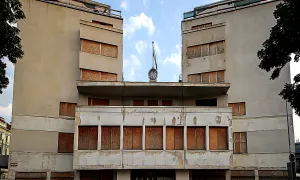
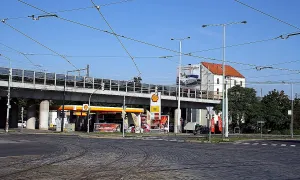
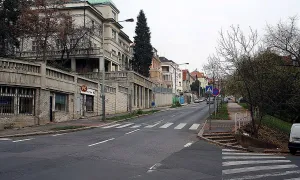
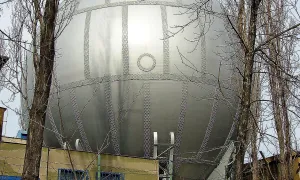
Real photos taken near the monument

Zdroj a licence jsou uvedeny u každého snímku.
Tips from visitors
No tips yet. Be the first!
Log in and add your tip.
Sources and literature
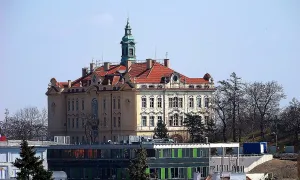
Fotografie: Jan Polák / CC BY-SA 3.0 — Wikimedia Commons. The author and licence also appear when you hover over the image.
Faktickým podkladem tohoto textu byl článek na Wikipedii, jehož autory jsou přispěvatelé Wikipedie. Článek je dostupný pod licencí CC BY-SA 4.0.
Location on the map
More monuments – Libeň
Show all in the municipality
Příběhy a pověsti
Legendy, pověsti a příběhy spjaté s touto památkou

Fotografie návštěvníků
Zatím žádné fotografie. Buďte první, kdo přidá fotografii z návštěvy!
Přihlaste se a přidejte svou fotografii nebo hodnoťte.
Za ověřenou návštěvu v aplikaci získáte víc bodů — poznáme podle GPS, že jste na místě.
Reviews and comments