



Nademlejnská Other
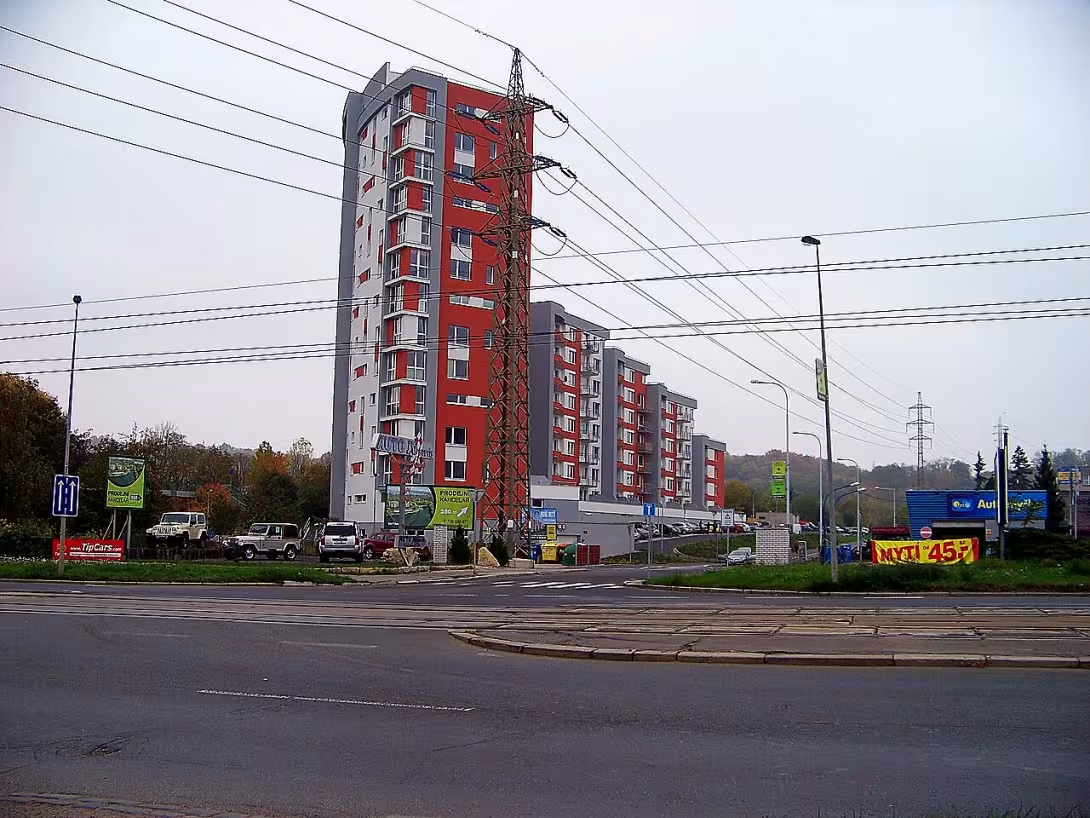
Nademlejnská is a distinctive street in Hloubětín, Prague 9, known for its unique L-shaped layout. Established in 1925 near Kejřův mlýn (Kejř's Mill) by the Rokytka stream, it showcases Prague’s evolving urban landscape through historical industrial buildings and early 21st-century developments. The street is significant for its architectural features and transformations over time.
The origin of Nademlejnská dates back to 1925 when it was named due to its proximity to Kejřův mlýn, reflecting Prague's post-World War I urban expansion. This period saw infrastructure development to accommodate a growing population, mirroring broader European trends as cities modernized. During the Nazi occupation from 1940-1945, the street was known by its German name, Obermühlstraße.
Architecturally, Nademlejnská is distinguished by a notable functionalist building at Nademlejnská 600/1. Constructed between 1938 and 1941 for Otto Stuhlhofer, it was designed by architect Josef Oldřich Schüller. The structure uniquely combines elements of functionalism, art deco, and streamline architecture from the 1930s.
The street has seen various ownerships and uses over time. Originally housing an electronics factory known as Always, the building at Nademlejnská 600/1 now accommodates a fitness center, a restaurant, and a preschool. This transformation highlights the adaptive reuse of industrial spaces in response to changing urban needs.
Key events associated with Nademlejnská include its establishment in 1925 and renaming during the Nazi occupation. These historical markers underscore the street's resilience and adaptability through different political regimes and economic conditions.
Today, Nademlejnská is bordered by former industrial areas on its west and north sides, while modern residential developments characterize its east and south. The area features a mix of architectural styles, from functionalist structures to contemporary buildings, making it an intriguing site for visitors interested in urban development and architectural history. Its accessibility is enhanced by the nearby tram stop Nademlejnská on Poděbradská.
Nademlejnská offers a unique glimpse into Prague's historical evolution and architectural diversity. Visitors can explore its blend of industrial heritage and modern living, making it a worthwhile destination for those interested in urban history and architecture.
Then and now
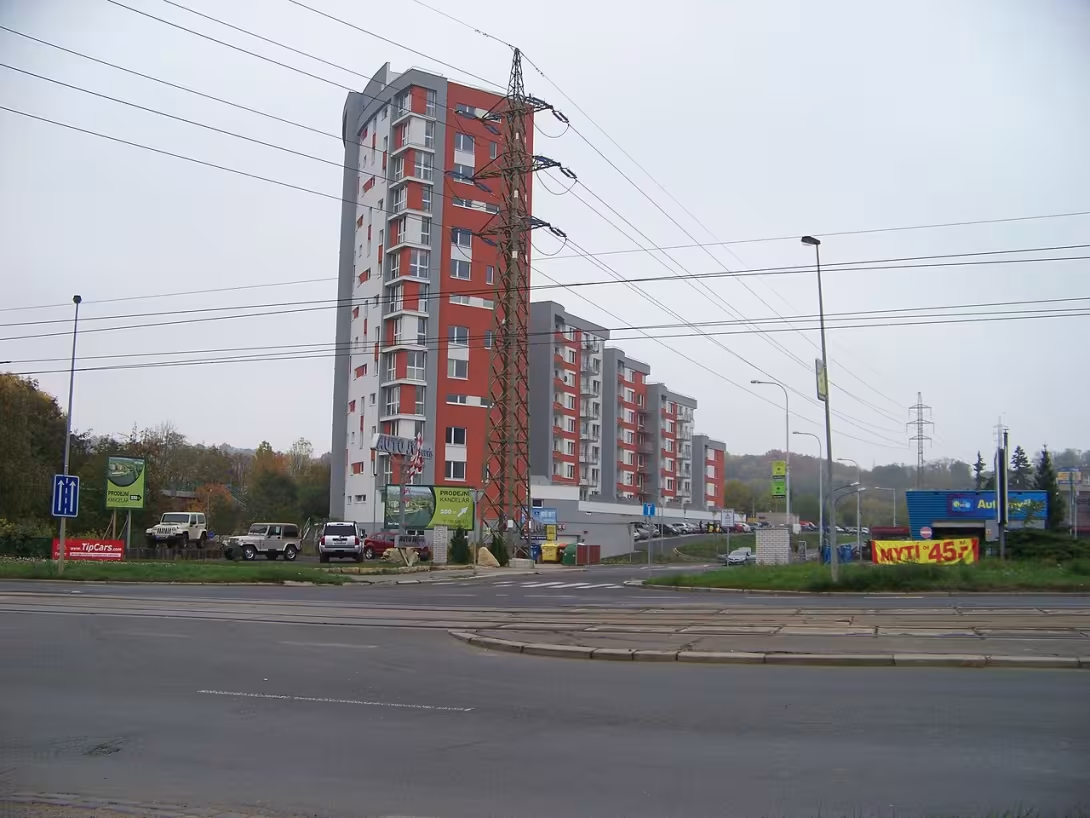
Drag the slider to compare how the landmark may have looked when it was built with the view today.
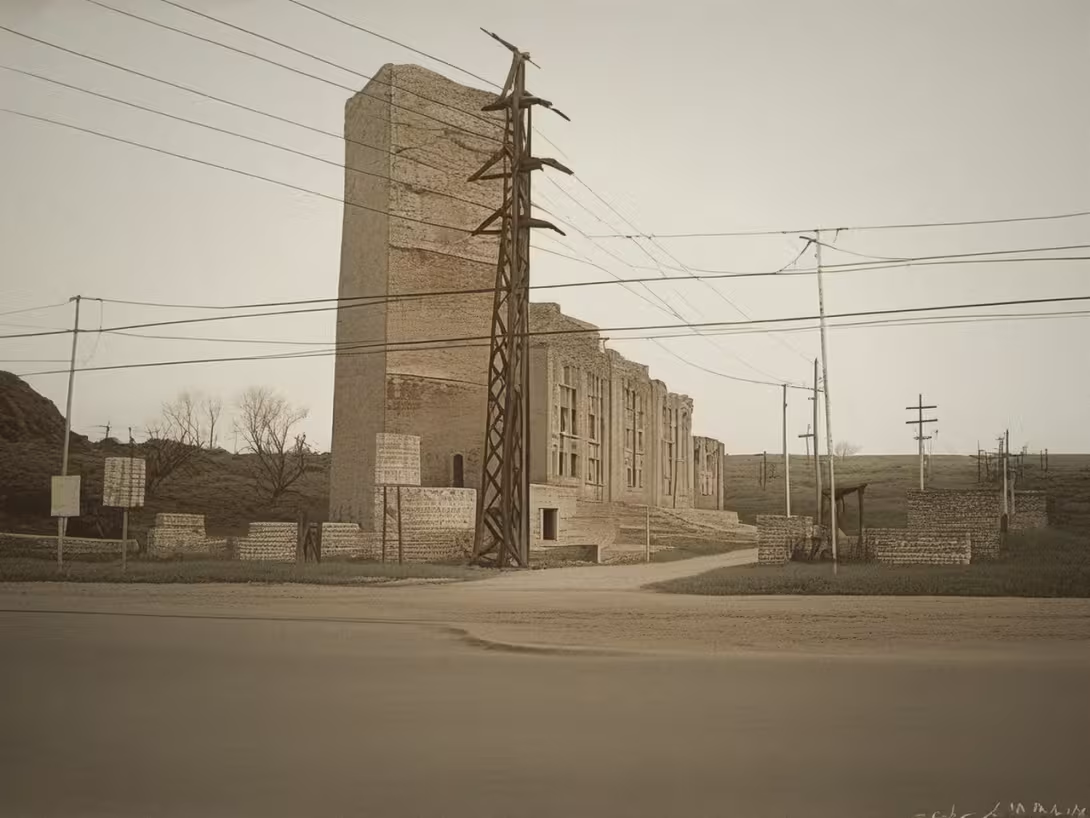
The historical appearance on the left is an AI-generated visualisation and serves as inspiration only.
Historical milestones
- 1925
- Nademlejnská was established and named.
- 1940-1945
- The street was known as Obermühlstraße during the Nazi occupation.
Architectural development
The street's architecture includes a notable functionalist building at Nademlejnská 600/1, originally constructed between 1938 and 1941 for Otto Stuhlhofer. Designed by architect Josef Oldřich Schüller, the structure combines elements of functionalism, art deco, and streamline architecture from the 1930s.
Historical events
In 1925, Nademlejnská was established and named due to its location near Kejřův mlýn.
During the Nazi occupation from 1940-1945, it was known as Obermühlstraße.
Points of interest
- The functionalist building at Nademlejnská 600/1 was originally constructed for Otto Stuhlhofer, a notable figure in Prague's industrial history. This connection highlights the street’s role as part of the city's burgeoning industrial sector during the late 1930s.
- During its time under Nazi occupation, Nademlejnská was renamed Obermühlstraße, reflecting not only the political changes but also the cultural and linguistic shifts imposed by occupying forces. This renaming is a stark reminder of the street’s resilience through turbulent historical periods.
- The transformation of the building at Nademlejnská 600/1 from an electronics factory to its current uses as a fitness center, restaurant, and preschool illustrates the adaptive reuse trend in urban development. This shift mirrors broader societal changes towards prioritizing community-centric spaces over purely industrial ones.
- Kejřův mlýn (Kejř's Mill), located near Nademlejnská, played an integral role in the street’s early identity, symbolizing the blend of natural and industrial landscapes that characterized Prague's expansion in the post-World War I era. Its proximity to the Rokytka stream underscores the historical reliance on waterways for both industry and daily life.
- The architectural style of the building at Nademlejnská 600/1, designed by Josef Oldřich Schüller, is an eclectic mix of functionalism, art deco, and streamline architecture. This unique combination reflects the transitional nature of European design in the pre-war period, offering insights into the aesthetic preferences and technological advancements of that era.
Guide
This guide is narrated by a synthetic voice generated by artificial intelligence.
Show guide text
This text was created by artificial intelligence and has not been editorially reviewed. It may contain inaccuracies.
Nademlejnská is a street in the Prague Hloubětín district, in Prague 9. It begins at Poděbradská and ends in a dead end. The street K Náhonu leads into it. On a map, it resembles an axially inverted letter L.
The street got its name from its location above the Rokytka stream, not far from Kejř's mill. The street was created and named in 1925. However, the original official name was Nademlýnská. During the Nazi occupation, from 1940 to 1945, it bore the German name Obermühlstraße.
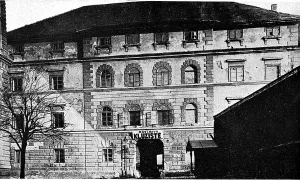
The western and northern side of the street is formed by former industrial areas. The most interesting of them is the building with address number 600, which was home to the Always electrotechnical factory. It was built in the years 1938 to 1941 by Miroslav Smlsal's company for Otto Stuhlhofer, according to a design by architect Josef Oldřich Schüller. The building is originally functionalist, but combines elements of art deco and streamline architecture from the nineteen thirties. Today it houses a kindergarten, a fitness center, and a restaurant called U dvou smrků.
On the eastern and southern side, apartment buildings sprang up in the first two decades of the twenty-first century. The tallest of them is the sixteen-story apartment building Nademlejnská from 2010 to 2012. Next to it stand the complexes Kejřův park and Kejřův park 2. They consist of four to five-story houses whose apartments have a balcony or a garden. There is also another kindergarten in the street.
Nearby on Poděbradská lies a tram stop that bears the name of this street.
Tips for visitors
The best time to visit Nademlejnská is during the late spring or early fall when the weather is pleasant, allowing you to comfortably explore both its historical charm and nearby modern areas. During these months, the surrounding greenery adds a picturesque quality to your visit, making it ideal for leisurely walks along this unique L-shaped street.
When visiting Nademlejnská, consider bringing a camera to capture its distinctive layout and the contrast between historical and modern elements in the area. Early morning or late afternoon provides the best natural light for photography, especially when capturing shadows along the L-shaped street. Don't forget comfortable walking shoes as you explore both the street itself and nearby areas.
For families with children, Nademlejnská offers a relaxed environment to enjoy a walk through its unique layout. The surrounding modern residential developments might have parks or playgrounds suitable for kids. Additionally, exploring the historical aspects of Kejřův mlýn can be an educational experience for older children interested in local history.
Nearby attractions within 30 minutes include the former industrial areas to the west and north, which offer a glimpse into Prague's industrial past. These sites provide interesting contrasts to Nademlejnská’s residential character. For those interested in modern architecture, the eastern and southern developments from the early 21st century are worth exploring.
Frequently asked questions
Can the monument be visited?
We have not verified whether this monument is accessible. Please ask the owner or operator, or the local municipal office.
Where is the monument?
Location: Praha, Hlavní město Praha. The map on this page shows the exact spot.
Businesses nearby
Do you run a restaurant, accommodation, shop, museum, rental, wellness or other visitor service near this monument? Show yourself directly to the people heading to it — this is how they will see you in the app and on the web:
Events nearby

Zdroj akcí: otevřená data měst a obcí ČR (Národní katalog otevřených dat) a kalendář akcí Národního památkového ústavu.
Nearby
Nademlejnská is surrounded by former industrial areas on its west and north sides. To the east and south, it features modern residential developments from the early 21st century.
Accommodation nearby
Trips and activities nearby
Guided tours, tickets and activities nearby from GetYourGuide
Affiliate link: if you buy from the partner, we may receive a commission. The price for you does not change.
Search tours and activities →Themed route
Tematická výletní trasa: Nademlejnská a její okolí
1. Nademlejnská
- Typ: Historické místo
- Proč stojí za návštěvu: Navštivte toto historické místo, které je důležitou součástí průmyslového dědictví Prahy. Nademlejnská byla kdysi klíčovým místem pro výrobu elektřiny a nabízí náhled do minulosti, kdy se modernizace a průmysl prolínaly s životem obyvatel.
2. Bývalé průmyslové areály (západní a severní strana)
- Typ: Historické místo
- Proč stojí za návštěvu: Prozkoumejte bývalé průmyslové oblasti, které odrážejí bohatou historii a transformaci této části Prahy. Tyto areály jsou svědky změn z průmyslové éry k moderním využitím a nabízejí jedinečný pohled na urbanistický rozvoj.
3. Moderní bytové komplexy (východní strana)
- Typ: Architektonická zóna
- Proč stojí za návštěvu: Zdůrazněte moderní architekturu, která charakterizuje východní část Nademlejnské. Tyto komplexy jsou příkladem současného urbanistického plánování a poskytují kontrast k historickým prvkům na jiných stranách oblasti.
4. Moderní bytové komplexy (jižní strana)
- Typ: Architektonická zóna
- Proč stojí za návštěvu: Navštivte jižní část Nademlejnské, kde moderní bytové vývoje ukazují na dynamiku a růst oblasti. Tyto komplexy jsou příkladem nových životních stylů a urbanistického designu, který se vyvíjel od počátku 21. století.
Tato trasa nabízí pohled na historii i současnost Nademlejnské, ukazuje transformaci z průmyslového centra k modernímu bydlení a poskytuje náhled do urbanistických změn v Praze.
Seasonal recommendations
Jaro: During the spring season, the Nademlejn Heritage Site in Hloubětín is particularly attractive with its lively and blooming surroundings, resembling a picturesque garden park. Flowers and trees are in full bloom, providing a stunning backdrop for the historic complex. The atmosphere is peaceful with moderate crowds, allowing for relaxed exploration of the site. For visiting here, we recommend wearing clothing suitable for mild temperatures and possible dampness; scarves or light jackets may be useful, especially on cooler mornings. The best time to visit is in the afternoon when the sun illuminates the site and enhances its beauty.
Léto: Summer brings long days filled with sunshine, making a visit to the Nademlejn Heritage Site in Hloubětín ideal for exploring its historic structures. The atmosphere is lively and full of energy due to increasing numbers of distant tourists, which can lead to higher visitor numbers, especially during peak summer season. Arriving early is recommended to avoid long lines and secure a spot for a more tranquil tour. Wearing light clothing suitable for warm weather, scarves or headscarves, and plenty of drinking water is important for comfort during the visit.
Podzim: In autumn, the Nademlejn Heritage Site in Hloubětín takes on a unique atmosphere as leaf colors transform into golden and red hues. This period is less crowded, allowing for relaxed exploration with views of beautiful forest landscapes. The sun sets earlier, so we recommend visiting the site early in the day to get as much light as possible for photography and exploring details. Clothing should be suitable for falling temperatures; wearing scarves or light jackets is useful, especially on windy days.
Zima: A winter visit to the Nademlejn Heritage Site offers a calm and quiet atmosphere with fewer visitors, allowing for an intimate experience. The beautiful light of the winter sun illuminates historic structures in stunning lighting, while snow can add extra magic. The site is open with shorter hours, so it's important to check current opening times. Wearing warm clothing, including jackets and hats, is key for comfort during the visit, especially on cold frosty days. Visit the site early in the day to get as much light and warmth from the sun as possible.
Visualizations and artistic views


The visualisations are generated by artificial intelligence and serve as inspiration.
Photos from the area
Real photos taken near the monument


Zdroj a licence jsou uvedeny u každého snímku.
Tips from visitors
No tips yet. Be the first!
Log in and add your tip.
Sources and literature
Photos: ŠJů (cs:ŠJů) / CC BY-SA 3.0 — Wikimedia Commons. The author and licence also appear when you hover over the image.
Faktickým podkladem tohoto textu byl článek na Wikipedii, jehož autory jsou přispěvatelé Wikipedie. Článek je dostupný pod licencí CC BY-SA 4.0.
Location on the map
Příběhy a pověsti
Legendy, pověsti a příběhy spjaté s touto památkou

Fotografie návštěvníků
Zatím žádné fotografie. Buďte první, kdo přidá fotografii z návštěvy!
Log in a přidejte svou fotografii nebo hodnoťte.
Za ověřenou návštěvu v aplikaci získáte víc bodů — poznáme podle GPS, že jste na místě.
Reviews and comments