



náměstí T. G. Masaryka 194 House
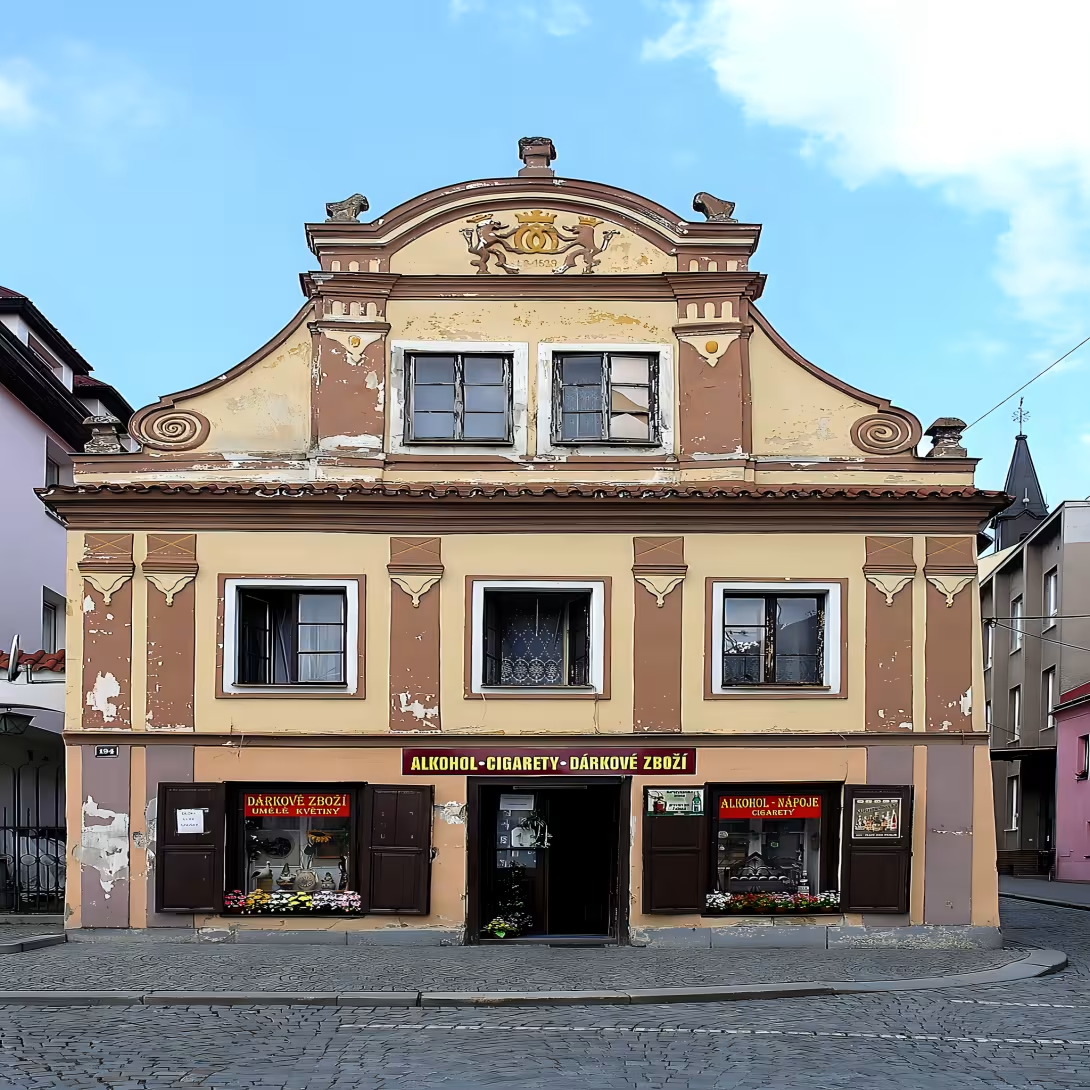
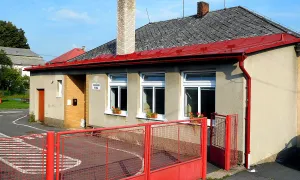
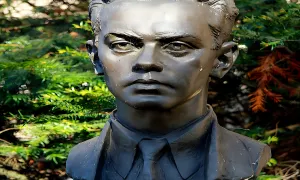
Městský dům č.p. 194 in Chotěboř stands as a cultural monument of the Czech Republic, located at náměstí T. G. Masaryka and Buttulova ulice. This notable building is recognized for its architectural blend from late Baroque to early Classicist styles, reflecting significant historical developments during the early 19th century when Bohemia was part of the Austrian Empire. The house is particularly distinguished as the birthplace of František Buttula, a renowned choir master born in 1820.
The origins of Městský dům č.p. 194 trace back to a medieval or early modern structure that underwent division into two units around 1790. This reconfiguration resulted in the current building being assigned its present number at the start of the 19th century. The architectural form we see today likely emerged around 1812, marking an era when Classicism began influencing European architecture significantly.
Architecturally, Městský dům č.p. 194 features a mix of stone foundations and newer sections predominantly constructed with fired bricks. Its design includes a symmetrical gabled roof supported by a classic carpenter's frame. The building is characterized by its non-tektonické system of massive load-bearing walls, which divide the structure into three bays. A distinctive element is the original chimney stack in the central part of the house, transitioning from a rectangular to a circular profile at ground level. The façade facing the square is richly adorned with architectural details that range from late Baroque to early Classicist expressions.
Throughout its history, Městský dům č.p. 194 has seen various owners and administrators, though specific names are not detailed in available records. Its significance was notably enhanced by František Buttula's birth there in 1820, a fact commemorated with a plaque on the building.
The house has been undergoing reconstruction since 2016 to restore its historical features, managed by the registered association Zastávka194. This effort aims to preserve and celebrate the site’s cultural heritage while adapting it for contemporary use. Today, Městský dům č.p. 194 serves as a vibrant community space hosting diverse activities. The ground floor is home to Café Kohout, which opened in 2020, while workshops and clubs occupy the first floor, including yoga sessions, sewing circles, and creative groups like BUTTULAB. Additionally, shared office spaces are available in the basement.
Visitors can explore this cultural monument, appreciating its historical significance and architectural beauty. The building's transformation into a community hub underscores its enduring relevance. Městský dům č.p. 194 invites those interested in history and architecture to experience a site that bridges past and present, offering insights into the rich cultural tapestry of Chotěboř.
Then and now
Drag the slider to compare how the landmark may have looked when it was built with the view today.
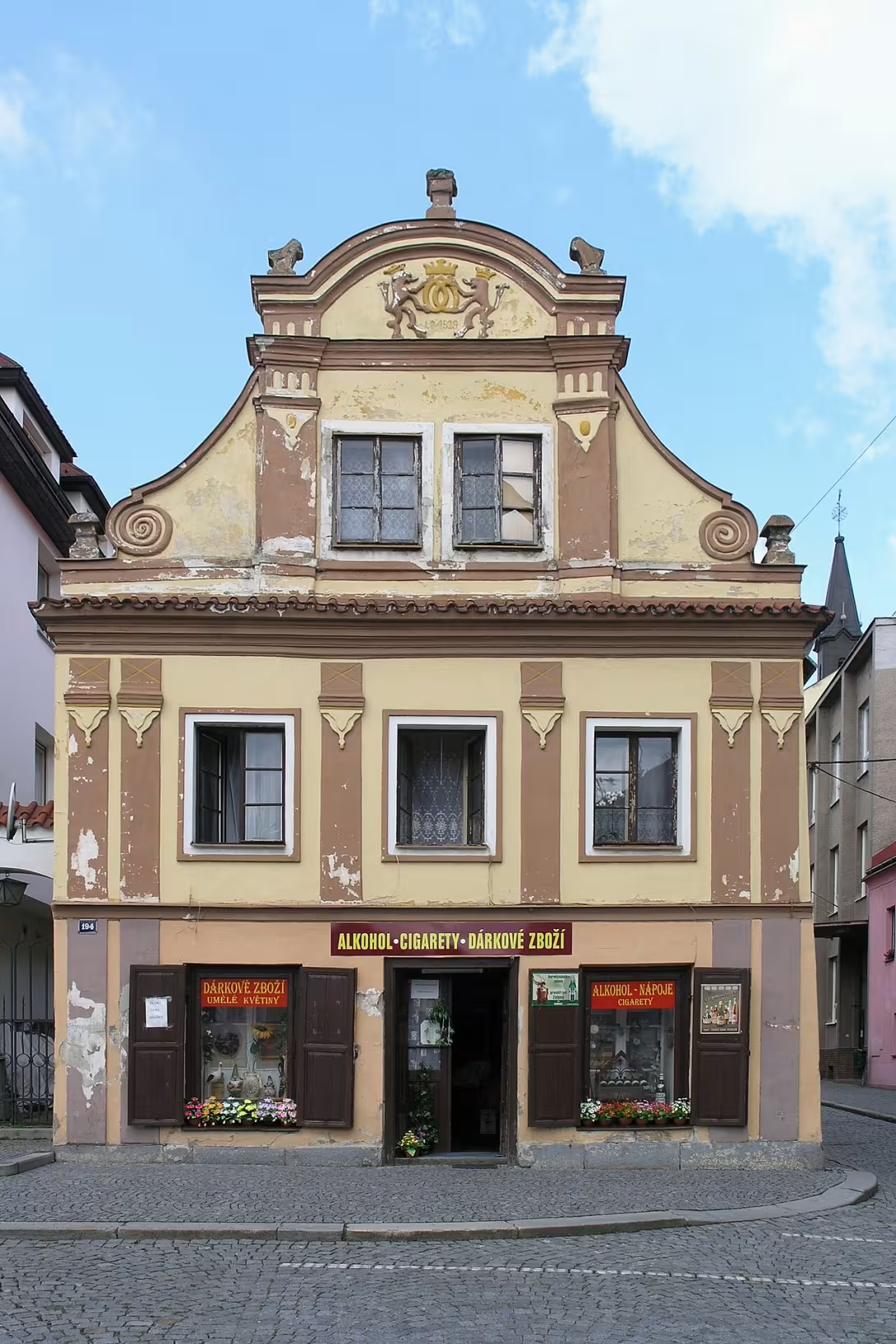

The historical appearance on the left is an AI-generated visualisation and serves as inspiration only.
Historical milestones
- 1820
- František Buttula was born in the house.
- 1812
- The current architectural form of the building likely originated.
Architectural development
The house has a mixed construction with stone foundations and newer sections predominantly using fired bricks. Originally part of a medieval or early modern structure, it was divided in 1790 into two new units. The current appearance dates back to around 1812, featuring a symmetrical gabled roof on a classic carpenter's frame. Over time, the building has seen minor modifications mainly affecting its layout and technical facilities.
Historical events
In 1820, František Buttula was born at the location now known as Městský dům č.p. 194.
The building underwent significant architectural changes around 1812.
Points of interest
- The building's transformation from a medieval or early modern structure into its current form around 1812 reflects the broader European architectural shift towards Classicism during that period.
- Despite being recognized as František Buttula’s birthplace, specific historical records of previous owners and administrators of Městský dům č.p. 194 remain largely undocumented, adding an element of mystery to its past.
- The distinctive chimney stack in the central part of the house features a unique transition from a rectangular to a circular profile at ground level, showcasing an unusual architectural detail that combines functionality with stylistic flair.
- Městský dům č.p. 194's ongoing reconstruction since 2016 by Zastávka194 highlights a modern commitment to preserving cultural heritage while adapting historical sites for contemporary community use.
- The building serves as a vibrant hub for diverse activities, including the Café Kohout on the ground floor and creative workshops like BUTTULAB on the first floor, illustrating its successful adaptation from a historic site to a lively community space.
Guide
This guide is narrated by a synthetic voice generated by artificial intelligence.
Show guide text
This text was created by artificial intelligence and has not been editorially reviewed. It may contain inaccuracies.
House number 194 stands in the northwestern part of Tomáše Garrigua Masaryka square in Chotěboř, on the corner with Buttulova street. It is a cultural monument and part of the city's heritage preservation zone. It is called Buttul's House or Kohoutt's House, and today also Zastávka194. On April second, 1820, conductor František Buttula was born here and is commemorated by a memorial plaque.
The history of the house goes deeper than its façade would suggest. It stands on a very long plot that was defined by the Gothic subdivision of the city, and its gable faces the square. The cellars and main supporting walls date from the Middle Ages or the early modern period. Originally, a single larger house with number 48 stood here. In 1790 it was divided into two, and after renumbering at the beginning of the nineteenth century, the front part facing the square was given the number 194.
The house acquired its present appearance around 1812. Later modifications only involved partial changes to the interior layout and technical equipment. It is one story high and only partially has a cellar underneath. Inside it is divided into three bays in succession and is supported by massive walls. The cellar and part of the ground floor are made of stone, the newer parts mostly of fired brick. It is covered by a symmetrical pitched roof on a classical carpentry framework. An interesting feature is the original chimney in the middle of the house. On the attic it unexpectedly changes shape from angular to round.
The façade facing the square is richly decorated with architectural elements in the late Baroque style with a slight touch of Classicism. On the south side, a prampouch, an arch connecting both buildings, spans across a narrow alley to the neighboring house. The passage beneath it is today closed by a modern wrought-iron grille.
For many years the house was closed to the public. It reopened only after seventy years had passed since Karel Míšek, a bookseller, publisher and music teacher, ended his stationery business there. Since 2016 the house has been undergoing renovation according to a building history survey and is being cared for by the Zastávka194 association.
The house has become an open gathering place. Various organizations hold their activities here, such as the Dobrá společnost association, the Šalamounek Club, or the Association for the Development of Free Education. Since 2020, the Café Kohout café has operated on the ground floor. The first floor serves as workshops and clubs, such as yoga or shoemaking. In the attic there is a shared office.
Tips for visitors
The best time to visit Městský dům at náměstí T. G. Masaryka is during the late spring or early fall when the weather is pleasant for exploring outdoor and indoor spaces. During these seasons, you can enjoy a comfortable climate while appreciating the architectural details of this cultural monument without the peak tourist crowds that may occur in summer.
For the most accurate and up-to-date information on transportation options, please consult a reliable travel planner or search online.
When visiting Městský dům, it's recommended to bring comfortable walking shoes as you may want to explore both the building interiors and its surroundings. A camera is also suggested for capturing the architectural beauty of this historical site. Since lighting conditions can vary, early morning or late afternoon visits might offer softer natural light, ideal for photography.
For families with children visiting Městský dům, consider bringing along some snacks and water to keep everyone energized during your exploration. The building itself offers a glimpse into architectural history that could be both educational and fascinating for children. Engage them by discussing the different styles present in the structure or imagining life in past centuries.
In terms of photography, look for spots around Městský dům where you can capture its facade with minimal distractions. Early morning light often provides a soft glow that enhances architectural features, making it an ideal time for taking photos. Additionally, consider visiting during the golden hour—shortly after sunrise or before sunset—for warm lighting conditions.
Frequently asked questions
Can the monument be visited?
This is a residential or farm building, not a museum with opening hours. Please view it from public space and respect the owners' privacy. We have no information about access to the interior. According to the heritage register restoration is under way, so access may be restricted.
Where is the monument?
Location: Chotěboř, Kraj Vysočina. The map on this page shows the exact spot.
Why is the monument protected?
It is listed in the Central List of Cultural Monuments of the Czech Republic as a cultural monument (register no. 1000134797).
Businesses nearby
Do you run a restaurant, accommodation, shop, museum, rental, wellness or other visitor service near this monument? Show yourself directly to the people heading to it — this is how they will see you in the app and on the web:
Accommodation nearby
Themed route
Chotěboř Route
1. Náměstí T. G. Masaryka 194 (main destination) - baroque house that dominates the square and is an important landmark of the town of Chotěboř. It is a beautiful example of baroque architecture and interior design.
2. Church of St. James (church) - located on the square and is a beautiful focal point of the town. It is a parish church known for its baroque architecture and rich decoration.
3. Chotěboř Castle (castle) - situated near the square and offers beautiful views of the town and surrounding countryside. It is an important historical landmark and significant cultural institution.
4. Chotěboř Chateau (chateau) - located near the square and is a beautiful example of baroque architecture. It was once the seat of a noble family and is now used as a cultural institution.
5. Park (park) - situated in the immediate vicinity of the square and offers peaceful walks and beautiful views of the town and surrounding countryside.
Seasonal recommendations
Spring
In the spring season, Masaryk Square 194 in Chotěboř is surrounded by flowers and greenery, creating a pleasant atmosphere. It's also characterized by brighter lighting that refreshes the area. If you wish to visit the monument during the spring season, we recommend coming earlier to avoid larger crowds of tourists. The best time to visit is in the morning or early afternoon when the square is less crowded. Don't forget your windbreaker and shoes, as it can still be chilly and damp.
Summer
In summer, Masaryk Square 194 in Chotěboř is full of life and energy. It's characterized by warmth and sunshine that create a pleasant atmosphere. If you wish to visit the monument during the summer season, we recommend coming earlier before the square fills up with crowds of tourists. The best time to visit is in the morning or early afternoon when the square is less busy. Don't forget your sunglasses and sunscreen so you can enjoy the summer.
Autumn
In autumn, Masaryk Square 194 in Chotěboř is surrounded by the colors of the fall landscape. It's characterized by softly falling leaves and brighter lighting that create a pleasant atmosphere. If you wish to visit the monument during the autumn season, we recommend coming earlier to avoid larger crowds of tourists. The best time to visit is in the morning or early afternoon when the square is less crowded. Don't forget your warm clothing, as it can be cold.
Winter
In winter, Masaryk Square 194 in Chotěboř is calm and quiet. It's characterized by cold weather and snow that create a beautiful atmosphere. The best time to visit is in the morning or early afternoon when the square is less busy. Don't forget your warm clothing and shoes with good grip so you can enjoy the winter weather.
Visualizations and artistic views


The visualisations are generated by artificial intelligence and serve as inspiration.
Photos from the area
Real photos taken near the monument


Zdroj a licence jsou uvedeny u každého snímku.
Tips from visitors
No tips yet. Be the first!
Log in and add your tip.
Sources and literature
Photos: Matěj Baťha / CC BY-SA 3.0, rozlišení zvýšeno umělou inteligencí — Wikimedia Commons. The author and licence also appear when you hover over the image.
Faktickým podkladem tohoto textu byl článek na Wikipedii, jehož autory jsou přispěvatelé Wikipedie. Článek je dostupný pod licencí CC BY-SA 4.0.
Location on the map


Příběhy a pověsti
Legendy, pověsti a příběhy spjaté s touto památkou
Fotografie návštěvníků
Zatím žádné fotografie. Buďte první, kdo přidá fotografii z návštěvy!
Log in a přidejte svou fotografii nebo hodnoťte.
Za ověřenou návštěvu v aplikaci získáte víc bodů — poznáme podle GPS, že jste na místě.
Reviews and comments