



Nikolajka Apartment house
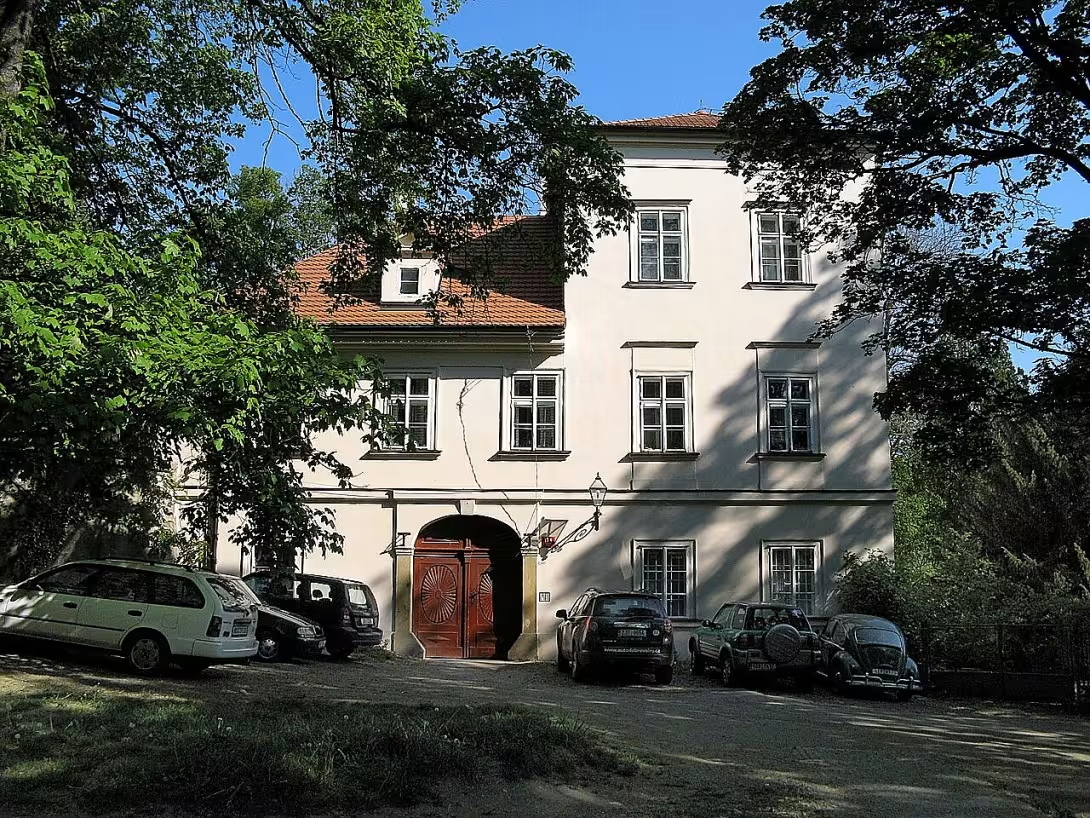
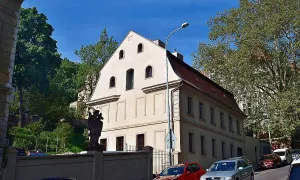
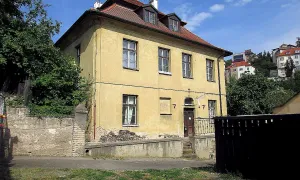
Nikolajka is a classic villa on Prague's Smíchov, which was established at the end of the 17th century. The object is remarkable with its late classical appearance and has been protected historically since 1964.
The construction was built by JUDr. Antonín František Nikolai at the end of the 17th century. The Founder served as a Regional Lawyer, Adjunct of Financial Offices and Board of Liechtenstein, Eggenberg and Schwarzenberg. The villa was located at the place where the vineyards were located at the time.
The building went through a radical reconstruction in the 18th century. The current form in late Classicism was acquired in 1860, when it was increased by one floor on the sides. Architectural dominates the valbic roof and the facade with a balcony on the prism pillars. The rooms on the ground floor are sealed.
In the garden there is a chapel with a tin roof, in whose niche there is a wooden statue of the Virgin Mary. The importance of the estate is confirmed by the name of the adjacent street U Nikolajka.
The villa is currently repaired and used for residential purposes. In the immediate vicinity, at the end of the blind street U Nikolajka, there have been two modern apartment houses in recent years with a total of 105 apartments that are built on the ground floor of L. This construction caused protests by the inhabitants of Smíchov and the civil society association Za green Nikolajka. Opponents have had a problem with cutting green and environmental impact in this area.
Nikolajka is a valuable example of the urban estate, which has retained its historical character despite urban changes in the surroundings. Her visit offers a view of classical architecture in the heart of Smíchova.
Then and now
Drag the slider to compare how the landmark may have looked when it was built with the view today.
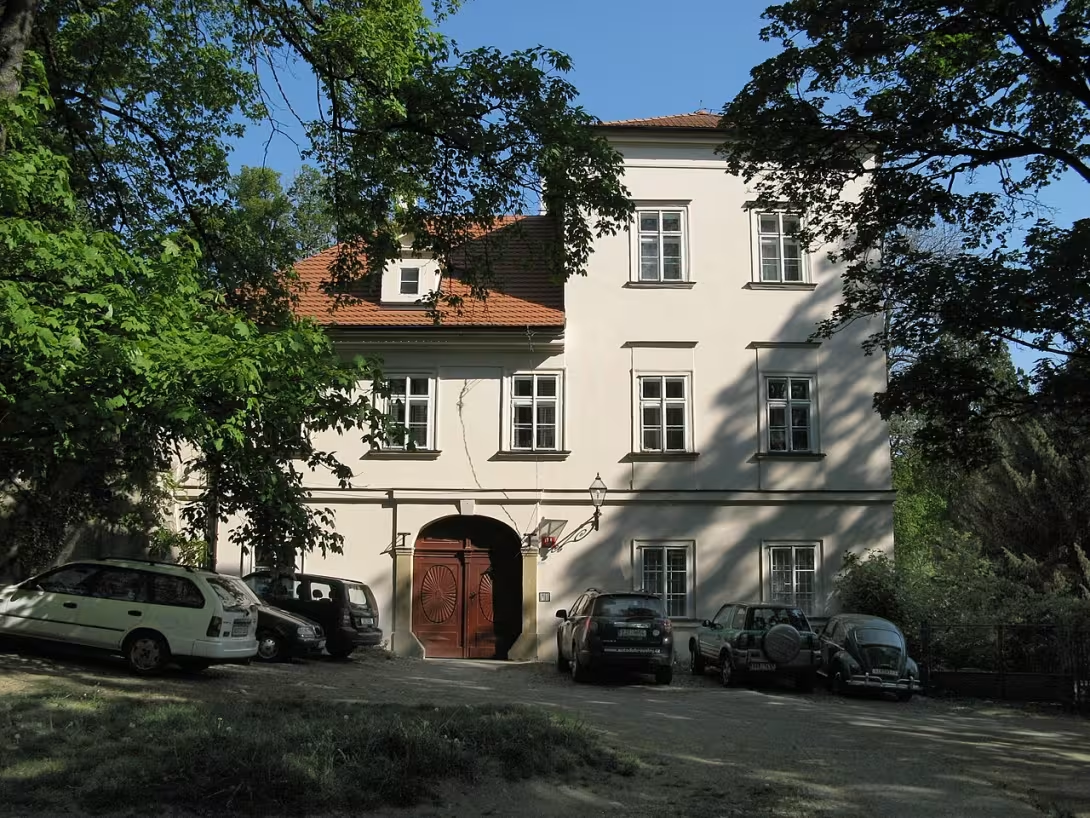
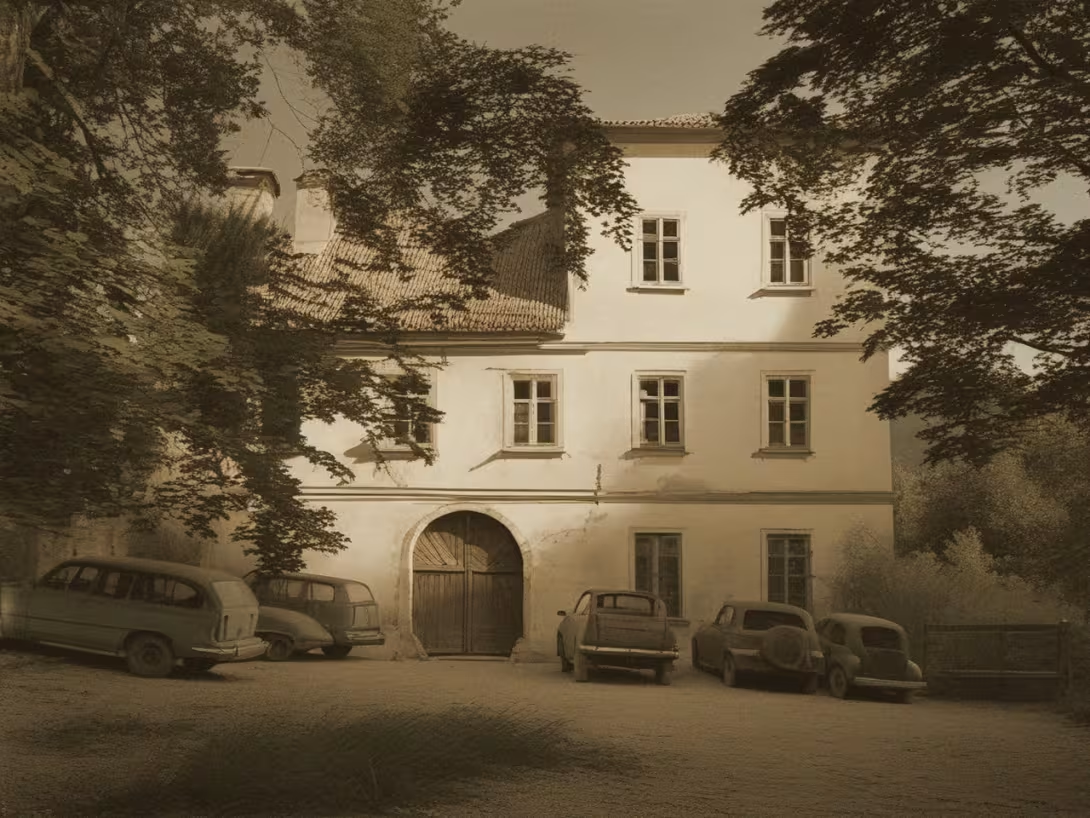
The historical appearance on the left is an AI-generated visualisation and serves as inspiration only.
Historical milestones
- around 1690
- Construction of the villa by Antonín František Nikolaem in the place of vineyards
- around 1750
- Radical building reconstruction
- 1860
- Getting the present form in late Classicism and raising by one floor
- 1964
- The building was declared to be a protected monument
Architectural development
The estate was radically rebuilt in the 18th century. In 1860 it acquired its present late classical form, with the building increased by one floor on the sides. The ground floor rooms are characterized by a high-value clasp.
Historical events
1860 - obtaining a late classical appearance; 1964 - declaration of monument protection.
Owners
JUDr. Antonín František Nikolai (founder at the end of the 17th century)
Points of interest
- The villa was built at the end of the 17th century at the place where the vineyards were located. - The building was built by Antonín František Nikolai, who was a land attorney and council of several noble families. - The present look in late Classicism was gained in 1860 when it was increased by one floor. - In the garden there is a chapel with a tin roof and a wooden statue of the Virgin Mary. - The building has been protected historically since 1964 and is currently used for residential purposes.
Guide
Show guide text
This text was created by artificial intelligence and has not been editorially reviewed. It may contain inaccuracies.
Welcome to Smíchov. You're standing in front of a building called Nikolajka. It is a place where time stopped and where you can feel the atmosphere of old Prague, which was once much greener and less urban than today. Look at this elegant villa. The first impression is a sense of peace and harmony. You see a building in front of you that looks noble but cosy. It is a typical representative of the town estate, which in today's dense development acts as a small island of history.
Let us now move much deeper in time. In order to understand why this building is even standing here, we have to go back to the end of the seventeenth century, namely around the year one thousand six cities of ninety. Imagine that there were no modern streets or noisy traffic in the place where you are now standing. Instead, the vineyards spread out. The then Smíchov was known for its vineyard terraces, which gave the landscape a unique character. In this very environment, a man named Antonín František Nikolai built his villa. It was not just an ordinary resident, but a land attorney and a council of several noble families. So he was a man with influence, education and resources who wanted to create a place to rest outside the city centre, close to nature and his guilt.
Now pay attention to the architecture of the building itself. When you look at it, you see a look that belongs to a period of late classicism. This style is characterized by purity of lines, balance and certain moderation, but it is very noble. Please look up on the roof. Notice its shape, it is the so-called valb roof, which makes the house a compact and closed whole. Then move your view to the front of the building, i.e. the front. Note here the balcony which gives the facade depth and rhythm. It is a detail that underlines the representative character of the villa.
It is important to remember that what you see today is not exactly what Mr. Nikolai built over three styles ago. The building has undergone some fundamental changes throughout history. The first big wave of change came about a thousand seven hundred and fifty, when radical reconstruction took place. This means that the house was very significantly changed at the time, probably to meet new needs and then taste. However, the most significant intervention, which defined the current form, occurred in the year one thousand eight hundred sixty. It was this year that the villa gained its present appearance in the spirit of late classicism. Within this reconstruction, the building was increased by one floor, which gave it the current height and power.
When we think about the personalities associated with this place, we return to Antonín František Nikolai. Imagine him as a responsible administrator and lawyer who sought refuge in this house from the duties of Prague. His role as a lawyer means that he was responsible for the legal affairs of the high levels of society. This villa was therefore not only his home, but probably also a place where he could host his important contacts in an environment surrounded by wine terraces.
Now I'm going to lead you to one interesting thing that may not be visible at first sight, but which is crucial to this place. It's fascinating to realize that this villa was created right where the vineyard was located. This reminds us of how much the landscape of Smíchova has changed. While we are surrounded today by houses and roads, there was once the smell of grapes and the work of winemakers. This monument is one of the last tangible evidence of what this space looked like centuries ago.
Another important milestone in the life of the building is the year one thousand nine hundred sixty-four. This year, the estate was officially declared a protected building. This means that the state has recognised its unique value for the history of the city of Prague and decided that it must be preserved for future generations. With the building being repaired, it's in good shape today. Although the building is currently used for residential purposes and is not opened as a museum, its external appearance remains a faithful witness to the past.
Stop for a moment and feel the atmosphere of this place. Imagine the silence of the seventeenth century, the noise of leaves in the garden and the view of vineyards that once surrounded the walls of this house. It is a strange feeling to stand in front of a building that has survived for centuries, several architectural modes and a complete transformation of the whole area. Nikolajka remained a silent witness to Smíchov's history.
If you look around you, you'll see how contrasting the surroundings of the villa are compared to its peaceful facade. In this contrast lies the magic of this place. It is a reminder that even in the heart of modern city we can find corners that accompany us with our ancestors and with history that took place right here on this soil.
We are now approaching the end of our short stop at Villa Nikolajka. I hope you enjoyed this insight into the past and have noticed the details that make this house a unique monument. I suggest you now slowly surround the building and see from different angles how light hits it and how its silhouette changes in Smíchova space.
Thank you for your attention and I wish you a pleasant continuation in discovering the secrets of Prague streets. When you're ready, continue your journey and search for the next trace of history that carries this beautiful city. Goodbye.
Tips for visitors
The best time to visit is late spring or autumn, when the trees in the surroundings are less dense and the classicist appearance of the building with its valb roof excels better. Transport to Smíchova is possible by car and by public means; verify specific routes in maps.
We recommend that you wear comfortable shoes for a walk on the surrounding streets. Since it's a residential building, prepare to see the building only from the outside.
For the best photos we recommend to come in the morning or afternoon hours when soft light hits the balcony in the front and facade. The streets of Nikolajka themselves offer the most interesting views.
During a short walk around you can see the contrast between the historical villa and the newly built modern apartment houses. For families with children it is advisable to use the space in U Nikolajka Street for a short rest and observation of architecture.
Frequently asked questions
Can the monument be visited?
This is a residential or farm building, not a museum with opening hours. Please view it from public space and respect the owners' privacy. We have no information about access to the interior.
Where is the monument?
Location: Smíchov. The map on this page shows the exact spot.
Why is the monument protected?
It is listed in the Central List of Cultural Monuments of the Czech Republic as a cultural monument (register no. 1000152428).
Businesses nearby
Do you run a restaurant, accommodation, shop, museum, rental, wellness or other visitor service near this monument? Show yourself directly to the people heading to it — this is how they will see you in the app and on the web:
Events nearby

Zdroj akcí: otevřená data měst a obcí ČR (Národní katalog otevřených dat) a kalendář akcí Národního památkového ústavu.
Nearby
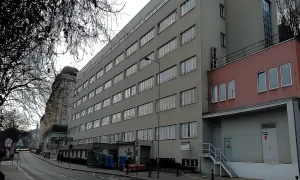
V okolí se nachází ulice U Nikolajky a v blízkosti byly v posledních letech vybudovány moderní bytové domy.
Accommodation nearby
Trips and activities nearby
Guided tours, tickets and activities nearby from GetYourGuide
Affiliate link: if you buy from the partner, we may receive a commission. The price for you does not change.
Search tours and activities →Themed route
Here is the design of the thematic route:
1.Nikolajka (villa) - Main destination. It is a unique building that represents the main architectural point of the visit. 2. Street U Nikolajka (road) - Walk in the immediate vicinity of the villa. Allows you to see the surrounding sights from different angles. 3. Modern residential houses (buildings) - Newly built buildings nearby. It serves as a contrast between the historical villa and the current construction.
Seasonal recommendations
In spring the surroundings of the villa awaken to the green and fresh air accompanied by the first flowers. The building in the morning seems fresh and soft. We recommend visiting the place in the morning when the light is the cleanest, and wearing a light jacket or windbreaker, because it can still be cold in the shade of buildings.
Summer brings intense sun that highlights the details of the facade and the color of the walls. The atmosphere is hot and urban, while the surrounding trees provide a pleasant shade. It is best to come in the late afternoon, when the sun no longer burns, and choose light, breathable clothes and comfortable shoes to walk on the streets of Smichov.
In autumn, the surroundings are colored in golden and brown shades, creating a melancholy mood. Soft underevening light is ideal for outdoor architecture. It is advisable to carry a scarf or lighter coat to protect you from the cold wind that often flows between houses during this period.
In winter, the construction works more closely and its silhouette excels in short days. If snow attacks, the white layer on the roof and surrounding area gives the place a quiet and peaceful atmosphere. To visit is necessary warm winter clothes, gloves and hats, while the best time is a short window around noon when there is most daylight.
Visualizations and artistic views


The visualisations are generated by artificial intelligence and serve as inspiration.
Photos from the area
Real photos taken near the monument

Zdroj a licence jsou uvedeny u každého snímku.
Tips from visitors
No tips yet. Be the first!
Log in and add your tip.
Sources and literature
Photos: Ludek / CC BY-SA 3.0 — Wikimedia Commons. The author and licence also appear when you hover over the image.
Faktickým podkladem tohoto textu byl článek na Wikipedii, jehož autory jsou přispěvatelé Wikipedie. Článek je dostupný pod licencí CC BY-SA 4.0.
Location on the map
Příběhy a pověsti
Legendy, pověsti a příběhy spjaté s touto památkou

Fotografie návštěvníků
Zatím žádné fotografie. Buďte první, kdo přidá fotografii z návštěvy!
Log in a přidejte svou fotografii nebo hodnoťte.
Za ověřenou návštěvu v aplikaci získáte víc bodů — poznáme podle GPS, že jste na místě.
Reviews and comments