



Nová Říše Monastery
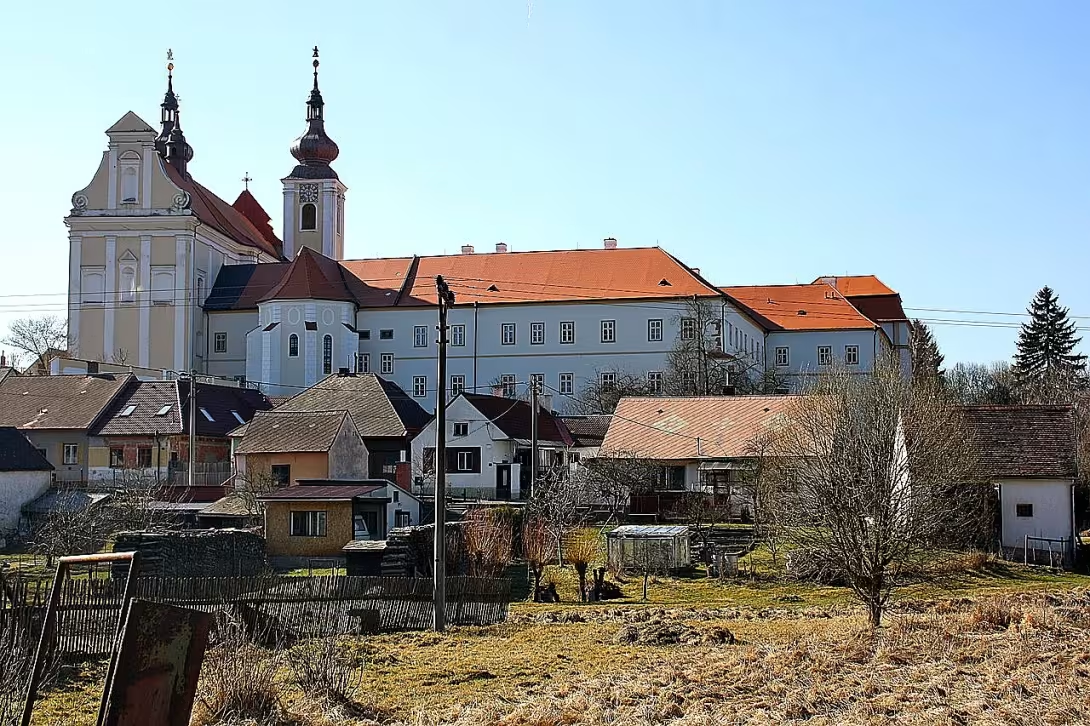
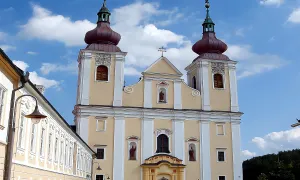
Nová Říše is home to the Temple of the Virgin Mary, an important premonstraten monastery in Western Moravia. Established in 1211 as a monastery of Markart of Hrádek and his wife Vojlava, he became a male monastery in 1597 after the original community of nuns died. This site is historically important for its resilience through stormy periods, including the Hussite Wars and World War II. Today the monastery is an important cultural and historical monument within Nová Říše in Kraj Vysočina.
The origin of the monastery dates back to the beginning of the 13th century, when the monastery rules spread throughout Europe in the midst of significant religious and political changes in the Czech Republic. Founded by the nobility Marklart of Hrádek and his wife Vojslava, originally served as a monastery. The transition to the male monastery took place in 1597 after the extinction of the original community.
The monastery underwent significant reconstruction after the devastating fire in 1813. It was rebuilt in Baroque style in 1821, reflecting a shift from former Gothic origin. The complex contains one-storey buildings decorated with stucco decoration on the ground floor and illusionist paintings and frescoes on the top. Church of St. Peter and Paul, connected to the monastery, shows frescoes of John Luke Kracker from 1766-1767.
The monastery has experienced dramatic changes in ownership and wealth throughout its history. Originally under the Premonstraten Order since its founding, it faced destruction during the Hussite wars in 1423 when it was fired. In the recent historical context, World War II has caused further confusion, as raids on the Gestapo have led to the deportation of monks to concentration camps.
The history of the monastery is characterized by resistance and adaptation. Although it was destroyed during the Hussite wars, it was rebuilt and continued its religious mission. The transition from monastery to monastery in 1597 means a significant shift in its operational structure. During World War II, several monks were killed in concentration camps, highlighting the serious impact of global conflicts on this spiritual community.
Today, the Monastery of the Virgin Mary is accessible and serves as proof of the permanent heritage of monastic life in Moravia. Visitors can explore the architectural beauty of Baroque reconstruction and appreciate artistic frescoes within the Church of Saint Peter and Paul. The historical importance of the monastery together with its cultural heritage makes it a valuable destination for interested people to discover Czech history.
The monastery of the Virgin Mary is not only an architectural miracle, but also a symbol of resistance over centuries of change. His ability to resist destruction and adapt in time speaks of the power of the monastery community, which calls this place home. For visitors it offers a unique view of the past, which invites them to think about the historical events that shaped this remarkable place.
Then and now
Drag the slider to compare how the landmark may have looked when it was built with the view today.
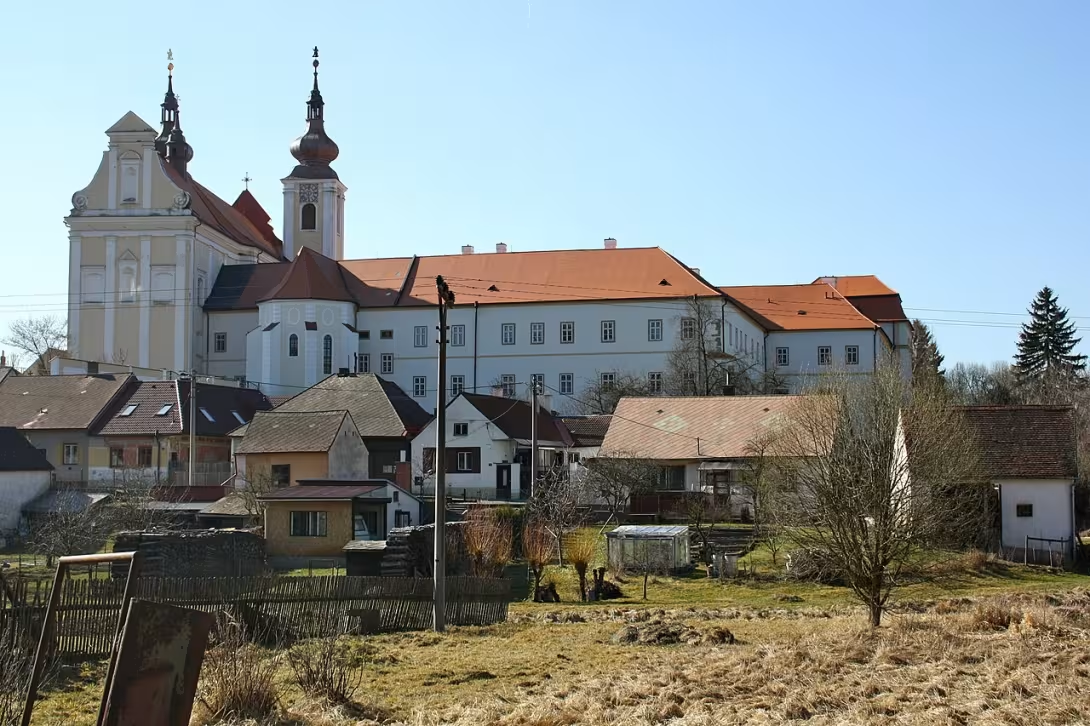
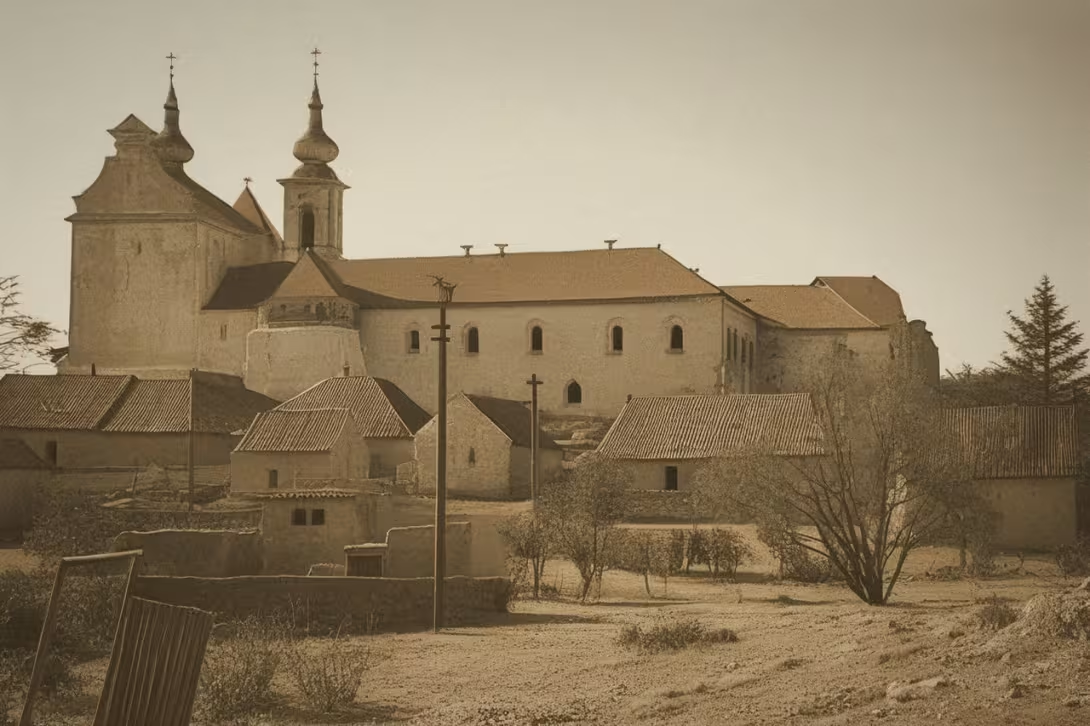
The historical appearance on the left is an AI-generated visualisation and serves as inspiration only.
Historical milestones
- 1211
- The foundation of the monastery as the monastery of Markart from Hradek and his wife Vojslav.
- 1423
- The monastery was destroyed during the Hussite Wars.
- 1597
- Transforming the monastery into a male monastery after the destruction of the original monastery.
- 1813
- The monastery was destroyed by fire and later rebuilt in Baroque style.
- 1766
- Decorations of St. Peter and Paul's church with frescoes of John Luke Kracker.
Architectural development
The current building of the monastery reflects a significant reconstruction in 1821 after the fire. The complex contains one-storey buildings with stucco decoration on the ground floor and illusionist paintings and frescoes on top. Church of St. Peter and Paul, rebuilt in the same period, showing frescoes of Jan Luke Kracker from 1766-1767.
Historical events
- 1423
- The monastery was destroyed and burned during Hussite wars.
- 1597
- The transition from monastery to male monastery after the original community died.
- 1942
- During World War II, the Gestapo invaded the monastery and deported its members to concentration camps.
Points of interest
- The monastery of the Virgin Mary was originally founded as a monastery in 1211 by Markart of Hrádek and his wife Vojslava, one of the first women's monastery communities in Moravia.
- Despite the fact that it was burned during the Hussite wars in 1423, the monastery was rigorously rebuilt and exhibited its lasting importance through turbulent historical periods.
- The transition from monastery to monastery in 1597 meant a significant shift in the structure of the community and reflects wider changes within the monastery during this time.
- After the monastery was destroyed by fire in 1813, it underwent a complete architectural transformation that adopted elements of baroque style such as stucco decoration and illusionist paintings that differ from the original Gothic design.
- The frescoes in the Church of Saints Peter and Paul, created by Jan Lukáš Kracker between 1766 and 1767, are remarkable for their artistic value and contribute to the cultural heritage of the monastery.
Guide
This guide is narrated by a synthetic voice generated by artificial intelligence.
Show guide text
This text was created by artificial intelligence and has not been editorially reviewed. It may contain inaccuracies.
Welcome to the Canonia of St. Peter and Paul in Nová Říše, nestled in the picturesque area of Kraj Vysočina. As you stand here, surrounded by a calm landscape of Western Moravia, take a moment to absorb the calm atmosphere that has been covering this historic place for centuries.
The story of this remarkable place begins in 1211, when Marklart of Hrádek and his wife Vojlava founded it as a monastery. This early business became one of the first women's monastic communities in Moravia, where a stage for rich history is established, which has grown over the centuries. The original purpose of this sacred place was to serve as a refuge for women faithful to spiritual life, reflecting both religious zeal and social values of the time.
As you examine the complex, notice how the resistance formed its architecture. Although the monastery was destroyed by fire in 1813, it was reconstructed in the Baroque style, showing the lingering spirit of those who called it home. The church dedicated to St. Peter and Paul stands as proof of this revival, which was rebuilt after the devastating fire in 1821.
Now focus on the interior of the church, where Jan Luke Kracker's frescoes decorate his walls. These vibrant art works from 1766 offer a view of the artistic heritage that has adorned these sacred halls, and they invite you to think about the stories they tell and the hands that have created them.
This monastery has been associated throughout its history with key figures such as Markart of Hrádek and Vojlava, whose vision laid the foundation for what would become a major religious place. Their legacy is intertwined into the Nová Říše structure, serving as a reminder of human stories behind these ancient stones.
One interesting aspect of this place is its transformation in time - from monastery to monastery in 1597 after the original community fell. This shift reflects broader historical changes and challenges faced by religious institutions throughout history, making Nová Říše a fascinating study on adaptation and survival.
At the end of your visit here I invite you to think about the layers of history that have accumulated over time, each telling their own story of faith, resilience and transformation. May this journey inspire you to explore and discover more about the rich tapestry of our past. Thank you for joining me on this survey of St. Peter and Paul's Canonia in Nová Říše. Safe travels as you continue your adventure through history.
Tips for visitors
The best time to visit the monastery Nová Říše is at the end of spring or early autumn when the weather is pleasant for exploring both the monastery area and the surrounding countryside. These seasons offer mild temperatures and beautiful natural scenery, improving your experience from this historic place. In addition, a visit outside the top tourist months can provide a calmer atmosphere that will allow you to appreciate the peace of beauty Premonstratensian architecture without large crowds.
It is advisable to check the current transport possibilities in advance using a travel planner or local transit website to ensure smooth travel.
When planning your visit, consider bringing comfortable walking shoes as you likely explore the monastery area and the surrounding area on foot. A camera is recommended to capture the stunning architecture and picturesque landscape of the Moravian landscape. Moreover, it may be useful to wear a light jacket because weather conditions can change quickly in this region.
For photographic enthusiasts, some of the best places include the main church facade, which is particularly striking at sunrise or sunset when lighting increases its architectural details. The monastery garden also offers a quiet environment for capturing images against natural balls.
In addition to discovering the monastery Nová Říše, consider visiting nearby cultural monuments within a 30-minute drive. These include other historical cities and monuments that show the rich history and culture of Western Moravia. These trips provide a wider understanding of the heritage of the region and are ideal for extending the survey outside the monastery itself.
For families with children, Nová Říše offers an educational experience with its historical significance and beautiful surroundings. The monastery area can be a great place for children to learn about history in an interesting way. The nearby parks or nature trails provide opportunities for family activities such as a picnic or short tours. Always check in advance for specific family events or tours that might improve your visit.
Frequently asked questions
Can the monument be visited?
Religious buildings are usually open mainly during services; at other times a visit is normally arranged with the parish or the operator. We have not verified specific times.
Where is the monument?
Location: U Kláštera 1, Nová Říše, Kraj Vysočina. The map on this page shows the exact spot.
Why is the monument protected?
It is listed in the Central List of Cultural Monuments of the Czech Republic as a cultural monument (register no. 27658/7-5025).
Businesses nearby
Do you run a restaurant, accommodation, shop, museum, rental, wellness or other visitor service near this monument? Show yourself directly to the people heading to it — this is how they will see you in the app and on the web:
Events nearby
Zdroj akcí: otevřená data měst a obcí ČR (Národní katalog otevřených dat) a kalendář akcí Národního památkového ústavu.
Nearby
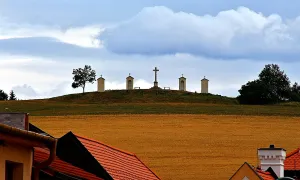
The monastery is surrounded by a historic town with other cultural monuments within a 5 km radius. The landscape includes typical Moravian rural elements.
Accommodation nearby
Trips and activities nearby
Guided tours, tickets and activities nearby from GetYourGuide
Affiliate link: if you buy from the partner, we may receive a commission. The price for you does not change.
Search tours and activities →Themed route
Thematic cruise route: Nová Říše and is nearby
1. XZ Monastery - Type: Historical monument, monastery complex - The Nová Říše Monastery is one of the oldest and best horseshoe benedictine clusters in the Czech Republic. Visit it by historical Gothic construction, explore the monastery library with rich manuscripts and enjoy a quiet atmosphere at the new monastery. The monastery is not only an architectural house, but also a world of many historical events.
2. Old City Nová Říše - Type: Historical Center - Why it is worth a visit: Around the monastery lies a picturesque starcity with characteristic loopholes and historic houses. Explore this information from the New Reich, where each building publishes its own contribution. Visit my museum or walk the streets, the abyss you learn about history and traditions.
3. Church of St. Wenceslas - Type: Church building - Why behind the tower: This church is carried by an important centre, but also by an architectural monument. Its history dates back to the 12th century, which I make one of the oldest churches in the regions. The opportunity to see the interior is with rich frescos and architectural details.
4. Monastic Park - Type: Green area, resting place - Proc stands for filling: The Monastic Park offers a attenuated space for relaxation and procky. Its greenery and quiet corners are ideal for use with instruments in the proximity of the historical centre. The park is also home to a few trees with a production history that await their own safety.
5. Monastic brewery - Type: Brewery area - Stand by for difficulty: The monastery brewery is carried by a place where traditional beer is produced, but also offers profiles and opportunities to keep up with its own beer tailored. Cross over to the beer production process and enjoy the monastery atmosphere with a beer pit in the historic environment.
This route offers combined history, architecture and nature, which makes the new Reich an ideal bridge for all-day events.
Seasonal recommendations
Spring: Spring in New Chateau offers magical transformation as the landscape awakens from winter sleep. The chateau area is decorated with lively wild flowers and the fine warmth of the sun highlights the lush greenery surrounding historical buildings. This season is ideal for capturing picturesque views, especially during the golden hour, when light gently illuminates the ruins. Visitors should remember that some areas may still be wet or muddy after spring rains, so wearing comfortable walking shoes is appropriate. The weather can be unpredictable with occasional showers, so carrying a light raincoat or umbrella could improve your experience.
Summer: Summer in New Chateau is characterized by long days and warm temperatures, making it ideal for exploring the vast areas of this historic place. With lush vegetation in full bloom, the ruins of the chateau take on charming quality under bright sunlight. This season attracts more visitors, so coming soon can help avoid crowds and ensure a quieter experience. Protection against the sun is necessary; bring sunscreen, hats, and sunglasses to stay comfortable during your visit. The combination of pleasant weather and a vibrant environment makes summer an excellent time for outdoor activities such as picnic or hiking in the surrounding areas.
Autumn: Autumn in New Chateau represents a stunning colour view, as the green turns into shades of orange, red and gold. This season offers a calmer atmosphere compared to summer, with fewer visitors enjoying picturesque scenery. Soft light filtering through colored trees creates an almost mystical atmosphere around ruins, ideal for shooting enthusiasts. It is advisable to wear layers because temperatures can vary throughout the day, and evenings can be colder. Wearing a warm jacket or sweater ensures comfort in exploring this historic place in the middle of the autumn charm.
Winter: Winter in New Chateau turns the chateau into a quiet and mystical landscape covered with snow. Stark beauty ruins background white creates a unique atmosphere that is haunted and charming. Shorter days mean fewer visitors, which allows for a more intimate experience as you wander around in a quiet environment. However, it is important to dress warmly with layers including heat wear, gloves and hat to remain comfortable in colder temperatures. Due to potential snow or ice conditions, robust shoes are recommended for safe navigation around the site. Winter charm of the chateau offers a peaceful retreat from busy holidays elsewhere.
Visualizations and artistic views


The visualisations are generated by artificial intelligence and serve as inspiration.
Photos from the area
Real photos taken near the monument


Zdroj a licence jsou uvedeny u každého snímku.
Tips from visitors
No tips yet. Be the first!
Log in and add your tip.
Sources and literature
Photos: Funke / CC BY-SA 3.0 — Wikimedia Commons. The author and licence also appear when you hover over the image.
Faktickým podkladem tohoto textu byl článek na Wikipedii, jehož autory jsou přispěvatelé Wikipedie. Článek je dostupný pod licencí CC BY-SA 4.0.
Location on the map

Příběhy a pověsti
Legendy, pověsti a příběhy spjaté s touto památkou
Fotografie návštěvníků
Zatím žádné fotografie. Buďte první, kdo přidá fotografii z návštěvy!
Log in a přidejte svou fotografii nebo hodnoťte.
Za ověřenou návštěvu v aplikaci získáte víc bodů — poznáme podle GPS, že jste na místě.
Reviews and comments