



Obrovo hradiště Hillfort
Obrovo hradiště, also known as On Hell, is an important primordial and early medieval location on the hill southeast of Žinkov in Pilsen-south district. The area with preserved remains of fortifications is protected as a cultural monument.
At the end of the eighth century, the Slavs used and developed older Bronze Age settlements. The fort was protected by walls and terraces, the western part being an acropolis. The preserved findings of ceramics and bronze objects confirm its long-term use until the tenth century.
The fort was probably built on the basis of older buildings from the Bronze Age. The Slavs spread it and fortified it. According to archaeological findings, the settlement remained here until the tenth century, when it was only occasionally inhabited. It died at the turn of the 10th and 11th centuries.
The building form of the castle is characterized by two walls protecting the northeast approach. Another wall in the form of a terrace surrounded the entire area. The acropolis on the west side has an area of 0.75 hectares and has been fortified separately. The total area of the fort is 2.8 hectares.
In addition to ceramics, the findings include fittings decorated with copper sheet. It is also interesting to see the dessert of bronze objects between the castle and the medieval castle Potštejn. These findings suggest that the fort served not only as a dwelling, but also as a strategic place to control the surroundings.
Today, Obrovo hradiště is accessible to the public on marked tourist trails. The surrounding area consists mainly of agricultural landscape with forests and villages. Within a five-kilometer radius there is Potštejn Castle, which is connected to the findings of the Giant Castle.
Obrovo hradiště is a unique location for early Slavic history and architecture. Its preserved walls and terraces are evidence of long-term settlement and strategic importance. The visit offers a view of the past and the way our ancestors live. It's an interesting goal for lovers of archeology and history.
Historical milestones
- late bronze time (approximately 1200- 800 bc)
- The creation of the first settlements and possibly the first fortifications on the site.
- end of 8th century
- The Slavs started using the castle and probably expanded it.
- the turn of the 10th and 11th centuries
- The settlement disappeared, the fort was no longer inhabited regularly.
Architectural development
The fort was probably built on the basis of older buildings from the Bronze Age. The Slavs spread it and fortified the walls and terraces. The preserved western acropolis shows specialized fortification. Materials and techniques correspond to typical castle structures of the early Middle Ages.
Points of interest
- At the end of the eighth century, the Slavs expanded and fortified the older Bronze Age settlements.
- The preserved walls and terraces protected the northeast approach and acropolis of 0.75 hectares.
- The findings of ceramics and bronze objects confirm settlement until the tenth century.
- It was also used as a strategic place to control the surroundings, as demonstrated by the depot of bronze objects near Potštejn Castle.
- It died at the turn of the 10th and 11th centuries.
Guide
Show guide text
This text was created by artificial intelligence and has not been editorially reviewed. It may contain inaccuracies.
Welcome to Giant Castle
You're standing in front of one of the most interesting places in our territory that connects the past to the mystery. In front of you are the remains of an old castle that was inhabited over 2,000 years ago. The air here carries a trace of time, and if you look around, you'll see terraces and ramparts that once protected this place from danger. The fort is situated on the top of Hell near Zinkov, and although there is little to see today, its history is rich and fascinating.
Let's see how this place evolved. The first settlement was created here in the late Bronze Age, about 1200 BC. People built the first fortifications and began to settle in this strategically advantageous place. But the most interesting thing came at the end of the eighth century when the Slavs came here. The older settlements from the Bronze Age spread and strengthened even more. They built halls and terraces that protected not only the castle itself, but also the most important part of it - the acropolis, the highest and strongest place. It had an area of nearly half a hectare and was protected from attacks from the northeast.
Now pay attention to what you're seeing. Before you are dragged the remnants of valleys and terraces that once formed solid defenses. These walls are not just stone castles, but proof that people lived here and protected their homes. Notice how the terraces roll and how the ramparts stretch down the slope. This is proof that people carefully planned their settlement and wanted to be safe. There was also an acropolis, the most important part of the castle, where the most important buildings stood and where people met.
If you look at the remains of ceramics and bronze objects found here, you can imagine how people lived. These items are proof that the settlement here lasted until the tenth century. People were cooking here, working with metal, and there were probably ceremonies. Some findings suggest that the fort was also used as a strategic place, perhaps as a place where people met in times of danger.
One of the most interesting things is that the Slavs have expanded the old settlement here and made it a stronger and better protected place. This shows how people have adapted to new conditions and how their lives have evolved. It is also interesting that the castle died at the turn of the tenth and eleventh centuries. People were no longer here regularly, although the remains of the settlement remained. It tells us that history is constantly changing and that every place has its own story.
Imagine what it was like to live in this place. What sounds there were, what smells and what feelings. The fort was not only home, but also a place where people met, worked and protected their families. You can feel the atmosphere here today, although you can see little of the original form.
If you want to get to know this place in more detail, you can see the archaeological findings and learn more about life in this castle. The terraces and walls here are like pages of a book telling the story of our ancestors. Every stone, every find is proof that people lived here and that this place was of great importance.
Thank you for taking the time to come here. Obrovo hradiště is a place that can charm you with its history and secrets. Whether you stop here just for a moment or spend more time here, I'm sure you'll bring something interesting and you'll be happy to remember. When you look at these places, you will feel that they have reached the past and that you have met our ancestors.
Tips for visitors
in early autumn or spring, when the weather is pleasant and the surroundings are green. The sun in the morning or evening creates a pleasant light for photography without sharp shading.
there are fewer visitors at these times, which allows a more peaceful tour. The temperatures are favourable for walking and children can play outside without much heat.
Obrovo hradiště is best available by car. If you arrive by public transport, I recommend to inform you about connections to Žinkov or nearby municipalities and then use local walking routes.
comfortable hiking shoes because the path to the top can be uneven and stony.
sunglasses, hat or hat and plenty of water, especially when visiting in the summer months.
a small bag with refreshments and perhaps an umbrella because the weather can change quickly. If you are planning to photograph, do not forget the camera or smartphone with a good lens quality.
the base of the castle offers interesting views of the surrounding landscape and are ideal for pictures of historical structures.
natural off-road formations such as walls and moats create interesting compositions.
it is possible to take beautiful pictures of the medieval Potštejn castle located in the nearby area.
the best light for photography is in the morning or in the evening when the sun shines from the side and creates soft shadows. Avoid noon when the light can be too hard and the images will be less contrast.
the medieval Potštejn Castle is located in a 30-minute drive from the Giant Castle. It is a great opportunity to visit another historical monument with a rich history.
in the surroundings you can enjoy walking forests and agricultural landscape. Local forests offer quiet places for a picnic or rest.
nearby villages can offer the opportunity to get to know local culture and traditions, often with the opportunity to taste local specialities.
children can explore archaeological findings and learn about the history of the site. There is plenty of room on top for games and exploring nature.
for young children, the journey on top can be difficult due to uneven terrain. I recommend stretchers or strollers with fixed wheels.
in the surroundings you can find small streams and natural formations that can fascinate children. You can also prepare a little adventure game to look for clues from the past.
Frequently asked questions
Can the monument be visited?
This is an archaeological site. Often there is little to see on the ground and the land may be private. We have not verified access.
Where is the monument?
Location: Žinkovy, Plzeňský kraj. The map on this page shows the exact spot.
Why is the monument protected?
It is listed in the Central List of Cultural Monuments of the Czech Republic as a cultural monument (register no. 1000144862).
Businesses nearby
Do you run a restaurant, accommodation, shop, museum, rental, wellness or other visitor service near this monument? Show yourself directly to the people heading to it — this is how they will see you in the app and on the web:
Nearby
V okruhu pěti kilometrů se nachází středověký hrad Potštejn, který je spojen s nálezy z Obrova hradiště. Okolí je převážně zemědělsky využívaná krajina s lesními porosty a menšími vesnicemi.
Accommodation nearby
Themed route
1. Entry gate - entry area; the first step at the Giant Castle, where you meet the information board and you can learn the historical context of the place.
2. Archaeological exposure - exposure; in the adjacent shelter are exposed artifacts from the castle that bring the life of the inhabitants from the Bronze and Iron Age.
3. View tower - lookout tower; a panoramic view of the surrounding agricultural landscape, forests and medieval Potštejn Castle is available from the roof of the lookout tower.
4. Sightseeing trail - walk; you will go through archaeological sections along the marked path, where information boards on findings and research techniques are deployed.
5. Potštejn Castle - medieval castle; After about 4 km walk from the castle you will visit the castle, which is connected to the findings from the Oblov Castle and offers the opportunity to see preserved walls and historical interiors.
Seasonal recommendations
Spring: In spring, the fort wakes up with nature. The trees are starting to green and the morning sun is gently lighting the old walls. It's a time of fresh air and quiet expectations. I recommend you take more layers of clothes because it can be cold in the morning and the afternoon is warmer. The roads can be muddy because of the rain, so prepare for firmer shoes.
Summer: In the summer months there is most life and everything around it is in full bloom. The sun shines the strongest and the days are the longest, allowing long walks. Because of the warmth and possible groups of visitors, it is best to come early in the morning before the greatest heat begins. Don't forget the water and the headgear, because it can get hot in the open.
Autumn: Autumn brings golden colors and morning fog to the landscape that give the place a mysterious mood. The light is low and creates interesting shadows on historical remains. It is advisable to carry a waterproof jacket and shoes that can handle moisture. Since the days are getting shorter, plan a visit so you can see everything before dark.
Winter: Winter makes the fort very quiet and lonely. Without leaves, the old shapes are better visible and the freezing air can create beautiful patterns on the ground. It is necessary to dress thoroughly in warm layers and have firm shoes with good soles for possible snow or frost. In this period the visit is very quiet, but watch out for the short daylight.
Visualizations and artistic views

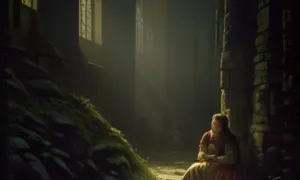
The visualisations are generated by artificial intelligence and serve as inspiration.
Tips from visitors
No tips yet. Be the first!
Log in and add your tip.
Sources and literature
Faktickým podkladem tohoto textu byl článek na Wikipedii, jehož autory jsou přispěvatelé Wikipedie. Článek je dostupný pod licencí CC BY-SA 4.0.
Location on the map

Příběhy a pověsti
Legendy, pověsti a příběhy spjaté s touto památkou
Fotografie návštěvníků
Zatím žádné fotografie. Buďte první, kdo přidá fotografii z návštěvy!
Log in a přidejte svou fotografii nebo hodnoťte.
Za ověřenou návštěvu v aplikaci získáte víc bodů — poznáme podle GPS, že jste na místě.
Reviews and comments