






Oppidum Třísov Oppidum
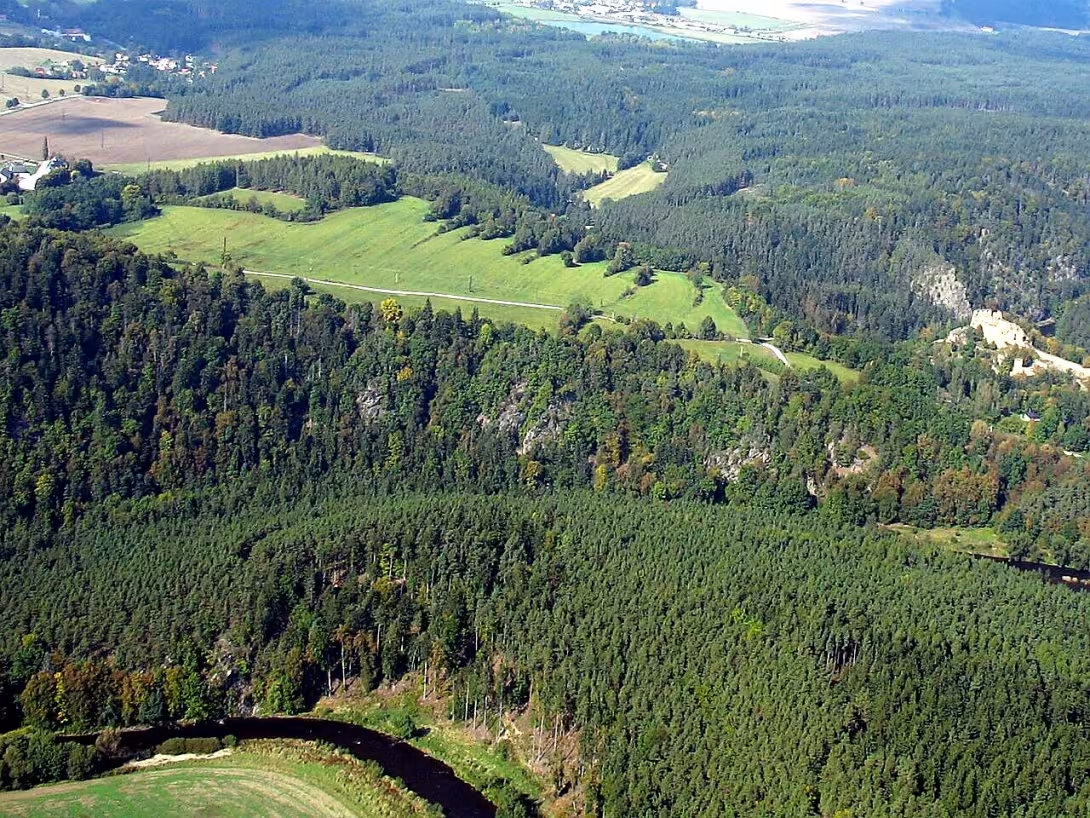
Oppidum Třísov is a Celtic fortified castle on the territory of the Třisov cadastral, which belongs to the municipality of Holubov in the district of Český Krumlov, South Bohemia. As the southernmost oppidum in the Czech Republic, it served as a key station on the Vltava trade route for the transport of salt from the Alpine regions through the Vyšebrod Pass.
The oldest evidence of settlement dates back to the Bronze Age, when ceramic containers, bronze weapons and jewelry appeared. After the middle of the 2nd century B.C., there was a high settlement over Vltava without fortification. Around 120 B.C. the construction of walls with stone face began. The seat reached its peak in the 1st century B.C., when its area was 26 hectares. Třisov was an important regional centre focused on craft production and dependent on nearby agricultural settlements.
The area is located in the neck of the meander Vltava close to its tributary by the Křemžský creek. Its strategic location was influenced by the proximity of graphite and iron ore sites, as well as the distance 35 km from the Vyšebrod Pass. The fortifications consisted of two lines of massive aluminium-stony walls with wooden grate structure and a stone plinth, inspired by Mediterranean designs. Between the two lines there was a 15 to 20 meters wide ditch with low stone cross walls, which is an extraordinary element in the Czech environment. The western entrance formed a system of two gates, where the outer gate protected a single water spring inside the oppida.
The entire oppidum has two peaks with acropoleas. The northern acropolis was self-fortified and probably contained an eight-sided building that they interpret as a sanctuary. Here was found an import from Italy in the form of a bronze pelvis. The southern acropolis probably served as the seat of the ruling layer. Residents were mainly engaged in craft activities, in particular the production of pottery on the pottery ring, including luxury red and white painted products and practical ceramic tips with the addition of graphite for the transport of salt. The railway industry and the metallurgy were highly developed, which is confirmed by the findings of blacksmith's equipment, slag, weapons and jewelry.
The end of oppida came at the turn of the year because of the expansion of the Germanic tribes that Celtic society was unable to face. The inhabitants left the fort and took almost all their property. Today, the archaeological site is protected as a cultural monument of the Czech Republic and is located near the ruins of the castle of the Girl Stone, which represents a unique view of the advanced Celtic culture and its business and craft links.
Then and now
Drag the slider to compare how the landmark may have looked when it was built with the view today.
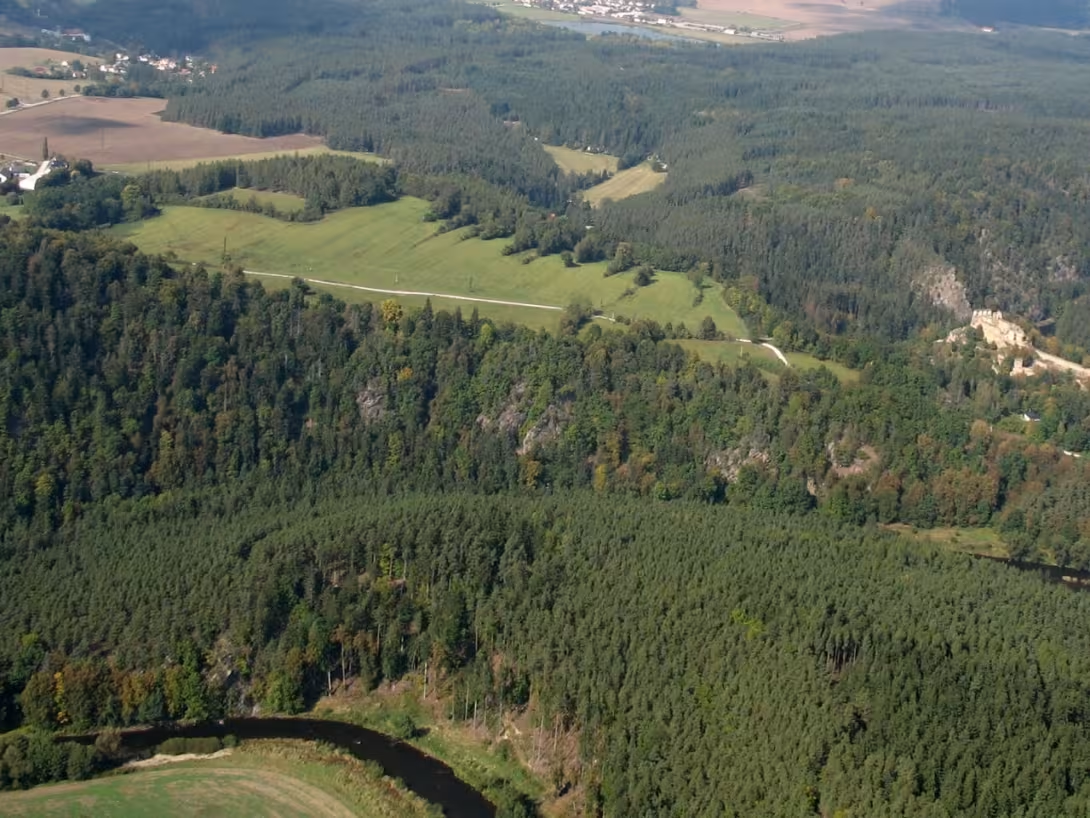
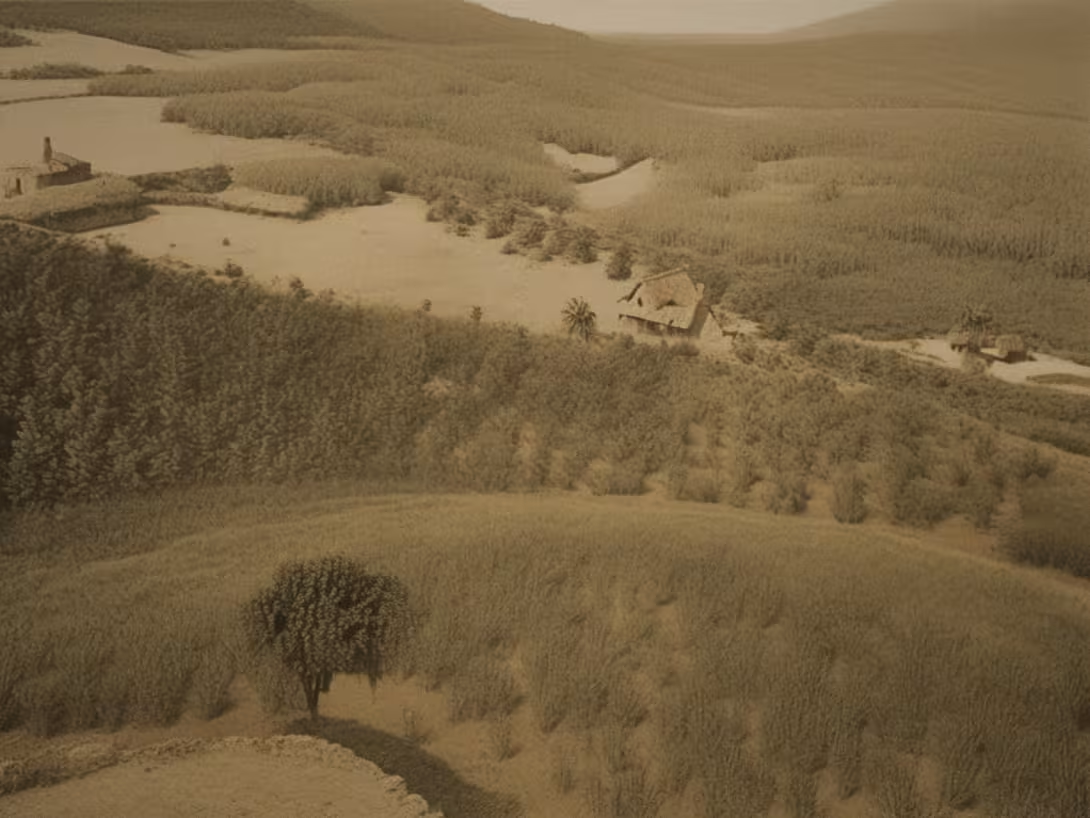
The historical appearance on the left is an AI-generated visualisation and serves as inspiration only.
Historical milestones
- 2200-750 B.C. l.
- First proof of the settlement of the territory during the Bronze Age
- 120 B.C. l.
- Construction of walls with stone face
- 1st Century B.C.
- Top flowering oppida and reaching area 26 hectares
Architectural development
Originally it was a high settlement without fortification, which was later supplemented by aluminium-stone walls with wooden grate construction. The fortification was characterized by a stone plaid and a unique moat divided by cross walls. The construction was inspired by the mediterran patterns.
Historical events
Around 120 B.C. the building of walls with stone face started; In the 1st century BC, the oppid reached its greatest bloom; At the turn of the year, the settlement was abandoned due to the expansion of the Germanic tribes.
Points of interest
- It is the southernmost oppidum in Bohemia, which served as a key station on the Vltava Business Road for the transportation of salt. - Between two lines of walls there was a wide moat with low stone cross walls, which is an extraordinary element in the Czech environment. - The western entrance formed a system of two gates, while the outer gate protected a single water spring inside the castle. - The northern acropolis probably contained an eight-sided building interpreted as a sanctuary where an import from Italy was found in the form of a bronze pelvis. - Residents mainly focused on the production of ceramics, hardware and metallurgy.
Guide
Show guide text
This text was created by artificial intelligence and has not been editorially reviewed. It may contain inaccuracies.
Welcome to the place where history touches the very essence of the landscape. You are standing in a place that requires not only a view, but a deep perception of the surrounding space. Look around you, this dramatic meander of Vltava, which revolves around the hills and creates a natural barrier and a path at the same time. Feel the movement of water, the constant current that has been flowing through here for thousands of years. Right here, at this strategic point, where the river determines the direction and rhythm of life, there is oppidum Třisov. You may see only green slopes and archaeological footprints now, but try to imagine what this place looked like at the time of its greatest bloom. Imagine the business, noise and constant movement of people who built their future here two thousand years ago.
The story of this place is much older than it seems at first sight. If we go back deep into the past, the Bronze Age, we'll find that people here have begun to populate the territory about two thousand two hundred BC. But that was only the beginning. But the real importance of this place developed much later, at a time when people began to move on European roads with a different view of the world and other technologies. It was the Celts who turned this place into what is so fascinating to us today. In the period around the first century BC this fortified fort reached its peak. At that time, it was not just a small settlement, but a real, large city that spread out on an area of twenty-six hectares. This is a huge space that every human being had to imagine as an infinite and constantly changing world at that time.
Now pay attention to what is right in front of you and what is in the very structure of this place. Although most of the buildings had long since died, the architecture of this oppida was at that time absolutely exceptional. Note how this fortress was designed to withstand not only the enemy, but also the difficult conditions of nature. The key element was the walls. The construction of walls, which were not just a ordinary bale of clay and stone, started already around the year one hundred twenty BC. They were designed with great emphasis on resistance, with their outside reinforced with a stone face. This detail shows the high level of engineering thinking of the then builders.
Now, if you look at the space between the wall lines, you can in your mind imagine a defense system that was completely unique. There was a wide moat between two lines of walls. But that wasn't just a simple, dug-up cut in the ground. In the Czech environment, it is an absolutely extraordinary element of the existence of low stone cross walls that divided this moat. This element increased the difficulty of passing and made the fort almost impenetrable. And if you were to move towards the west side, you would encounter an entry system that was designed with great care. The Western entrance was not just one gate, but a whole system of two gates, which had to be carefully guarded. This detail tells us that Třisov was not only a fortified shelter, but an organized centre that had to control the movement of people and goods.
And it was the movement of goods that kept this place alive. Even if we don't know the names of the particular kings or the great leaders who would probably rule here, we can imagine the people who lived here because of the archaeological findings. They were not just soldiers, but mainly craftsmen and merchants. Třisov was an important regional centre where artisanal production concentrated. Imagine the sound of hammers, the noise of kilns, and the constant negotiations on the markets. This oppidum was not only an isolated fortress, but a key station on one of the most important trade routes of the time. This path led to the transportation of salt from the Alps. Salt was as valuable as gold at the time, necessary for the preservation of food and for the survival of entire communities. Třisov was the gateway through which this white gold flowed inland. Each side of the ship, or every car passing through here, brought with it not only goods but new ideas, culture and technology.
Here we come to one of the greatest mysteries and at the same time the greatest attractions of this place. Why here? Why in this middle of the Vltava? The answer lies in a combination of relentless geography and economic logic. Třisov is the southernmost oppid in the whole territory of Bohemia, which gave him a unique position. It was a point where natural barriers to the river and human efforts to take over trade routes clashed. It's fascinating to think how much people had to understand the terrain at the time in order to build such a large and strategically located city. The entire range of 20 hectares suggests that thousands of people who were interdependent on their work and the security that these walls provided.
Now that you know what's been going on here, I suggest you continue your search and be carried away by the atmosphere of this place. Do not only try to look for concrete stones or ruins, but try to perceive space. Take a look at the surrounding slopes, see the width of the valley and imagine how enemies were looking from these heights, or how they were approaching the commercial caravan from a distance. Every step you take in this territory is a step in history that shaped our country.
Remember, even though the walls are long fallen and the gates have long been torn down, the spirit of this important centre is still there. Třisov is not only an archaeological site, it is a witness of the ancient size and wisdom of people who have been able to create a prosperous world in the middle of the wild. I wish you that your next steps in this castle will be full of discoveries and that this journey to the past will enrich you with a new view of the world around us. Thank you for your attention and I wish you a pleasant walk in history.
Tips for visitors
The best time to visit the archaeological site Třisov is spring and autumn, when the weather is pleasant for walking on the terrain and vegetation still does not completely cover the views of the neck of the meander Vltava. There are also fewer insects in these periods, which increases the comfort of observing archaeological elements in nature.
Transportation to the place is secured by car which can be parked near the village Holubov. Since it is a rural location, it is advisable to check the current state of the roads and parking possibilities in advance, especially if you plan to visit with a larger vehicle. Public transport is available, but specific connections and departure times must be checked in the current timetable.
Don't forget to wear solid shoes with a good heel, because the path to archaeological monuments can be uneven and muddy, especially after rain. We recommend that you bring plenty of drinking water and a light snack, as refreshments may not be available in the immediate vicinity of the site.
The morning or late afternoon light is ideal for photography, which creates dramatic shadows and emphasizes the relief elements of the fortifications and curves of the meader Vltava. The best views of the overall context of oppida can be obtained from the mountains of the surrounding hills where the relationship between the castle and the river can be captured.
In the surrounding area, at a distance of about 30 minutes walk or short drive, there is a ruin of the Castle Girls Stone, which offers wonderful views and complements the historical context of the visit. For families with children it is interesting to show them what Celtic fortification looks like in nature, and to combine a trip with a walk along the Křemžský creek, which provides a quiet environment for relaxation.
Businesses nearby
Events nearby


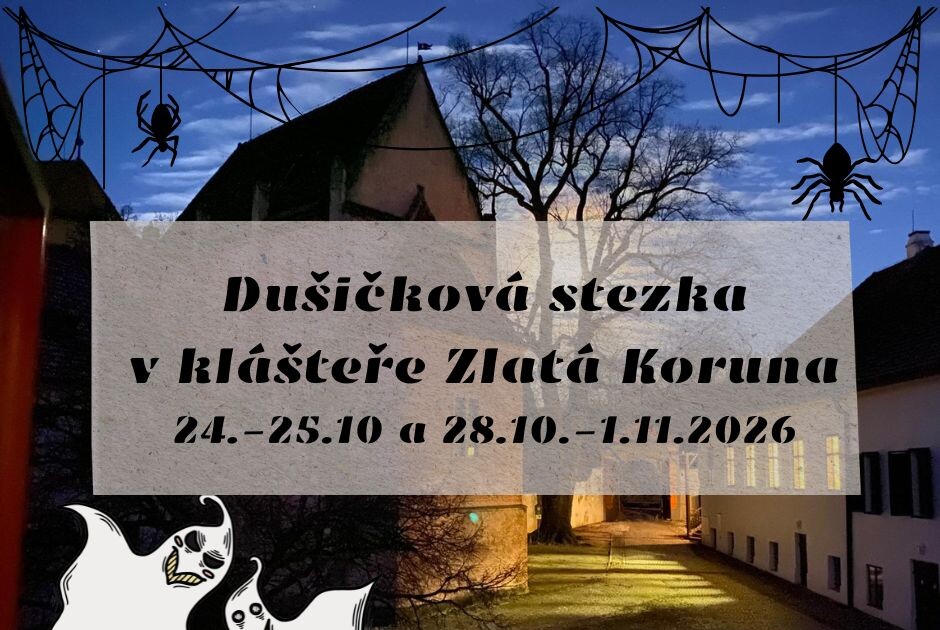
Zdroj akcí: otevřená data měst a obcí ČR (Národní katalog otevřených dat) a kalendář akcí Národního památkového ústavu.
Nearby
Vltava, Křemžský potok, ruin of the castle Girls Stone, village Holubov.
Accommodation nearby
Trips and activities nearby
Guided tours, tickets and activities nearby from GetYourGuide
Affiliate link: if you buy from the partner, we may receive a commission. The price for you does not change.
Search tours and activities →Themed route
Thematic cruise route: Oppidum Třísov and surroundings
1. Oppidum Třísov (archaeological site) * Type: * Archaeological site * Why is it worth visiting: * Oppidum Třísov is one of the most important Celtic services in the Czech Republic. Visit this place and discover the history of Celts living on the border of the Roman Empire. You can see the reconstruction of Celtic houses, gates and other structures while walking around the premises.
2. Vltava * Type: * River * Why is it worth a visit: * After exploring the archaeological site we will look at Vltava, which flowed near the Celtic oppida. It is an ideal opportunity to relax and enjoy the beauty of nature. When walking along the banks, you can monitor the flow of the river and its living water fauna.
3. The Quartz stream * Type: * Flow * Why is it worth a visit: * Křimžský creek is another tributary of Vltava, located near Oppidum Třísova. It is the perfect place for a short stop and enjoy the quiet surroundings. Walk along its shores will offer an opportunity to relax and observe local flora and fauna.
4. The ruin of the Castle of the Girl Stone * Type: * The ruins of the castle * Why is it worth a visit: * This ruin is a historic and cultural place that allows you to sink into the past. Despite its crumbling state, it offers a unique opportunity to explore ancient forts and enjoy panoramic views of the surrounding landscape.
5. Municipality of Holubov * Type: * Village * Why is it worth a visit: * After exploring historical and natural attractions we will look to the village Holubov itself. It's a place where you can learn local customs and traditions. Visit local shops or restaurants to enjoy cultural and gastronomic experience.
This route offers a combination of history, nature and culture, allowing you to know the rich past and present region around Oppidum Třísova.
Seasonal recommendations
In spring, the site awakens into life. The young green and blooming meadows give the place a fresh look, while the mild spring light gently highlights the relief of the terrain. We recommend moisture-resistant shoes because the surface can be muddy after melting snow. An ideal visit in the morning hours is when the air is the cleanest.
The summer season brings a radiant sun and high grass that creates an authentic atmosphere of ancient times. Clear lighting helps in the orientation of space, but the terrain can be challenging for endurance. For the summer rush and the heat, come first thing in the morning. Don't forget the hat, enough water and light, breathable clothes.
Autumn is the time fog and golden colors that give Oppidum a mysterious and melancholy touch. Thanks to decayed leaves and lower vegetation, there are better signs of ancient fortifications in the landscape. Get ready with layered clothes for changing weather and follow the light of the setting sun, which best models the surface of the earth.
In winter, silence and freezing peace rule over the site. Snow often covers the details, but also creates a clean, minimalist scene that underlines the extent of this place. It is essential to have warm thermobrushing and waterproof shoes. Due to the short days, plan your trip in the morning to make the tour before dark.
Visualizations and artistic views


The visualisations are generated by artificial intelligence and serve as inspiration.
Photos from the area
Real photos taken near the monument


Zdroj a licence jsou uvedeny u každého snímku.
Tips from visitors
No tips yet. Be the first!
Log in and add your tip.
Sources and literature
Fotografie: Dingoa / CC BY 3.0 — Wikimedia Commons. The author and licence also appear when you hover over the image.
Faktickým podkladem tohoto textu byl článek na Wikipedii, jehož autory jsou přispěvatelé Wikipedie. Článek je dostupný pod licencí CC BY-SA 4.0.
Location on the map
More monuments – Holubov
Show all in the municipality
Příběhy a pověsti
Legendy, pověsti a příběhy spjaté s touto památkou

Fotografie návštěvníků
Zatím žádné fotografie. Buďte první, kdo přidá fotografii z návštěvy!
Přihlaste se a přidejte svou fotografii nebo hodnoťte.
Za ověřenou návštěvu v aplikaci získáte víc bodů — poznáme podle GPS, že jste na místě.
Reviews and comments