






Osek (Osek) Castle
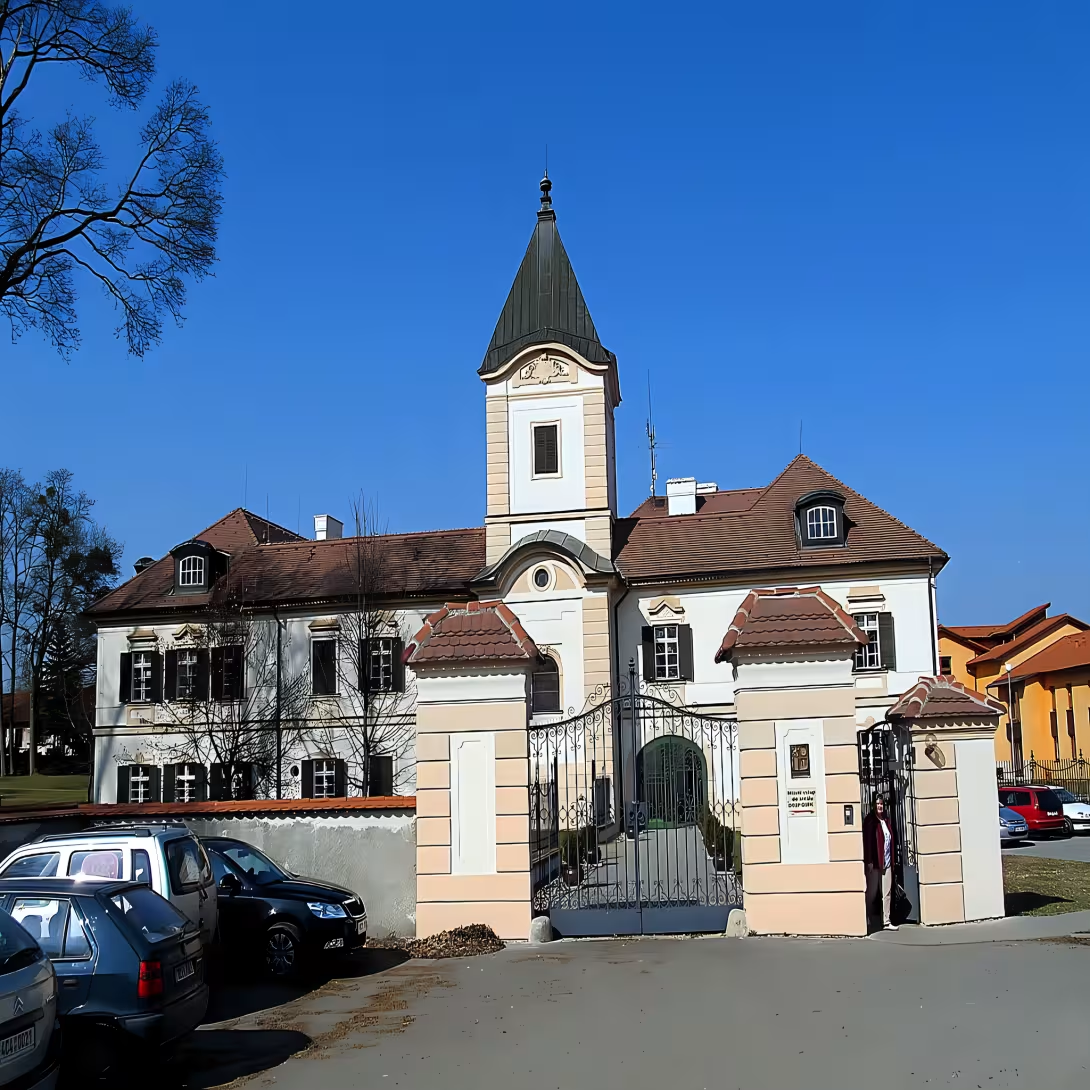
Osecký Zámek, located in Osek within the Jihočeský kraj region of the Czech Republic, stands as a remarkable testament to centuries of architectural evolution. Originally constructed as a fortress in the fifteenth century by the Osecký family, it has undergone significant transformations over time. The castle's current form largely results from renovations in the nineteenth and early twentieth centuries, including a notable neo-baroque redesign in 1911 by architect Hugo Leuthendorf. Today, it serves not only as a cultural monument but also houses a facility for individuals with disabilities.
The origins of Osecký Zámek trace back to the fifteenth century when it was established as a fortress by the Osecký family. The first known member of this lineage associated with the site is Absolon z Brloha, mentioned in 1442. Over time, ownership passed through various hands due to inheritance and sales, reflecting the turbulent history of noble families during that era. By the sixteenth century, the fortress underwent a Renaissance transformation, although much of its original structure was lost over time.
Architecturally, Osecký Zámek is characterized by its single-story layout with four wings surrounding a small courtyard. The castle retains elements of its defensive origins, such as the walls and herringbone vaults from the original fortress in the eastern wing. A significant feature is the central risalit on the main façade, topped by a pyramidal tower. The interior boasts stucco decorations and allegorical wall paintings by Bohumil Doubek. Additionally, the castle includes a chapel originally dedicated to Our Lady's Assumption, now featuring a new Gothic altar and paintings by Jiří Rejsek from 1972.
Ownership of Osecký Zámek has seen numerous changes over the centuries. After the Osecký family, it passed through several notable hands, including Jiří Čejka z Olbramovic until his death in 1576. The estate was later owned by the Lažanské family until 1737, after which it changed ownership multiple times, eventually being acquired by František and Josefa Daubkové. It was under Eduard Daubek that significant neo-baroque renovations were undertaken, culminating in a major redesign in 1911 by Hugo Leuthendorf. Following Eduard's death, the castle came into the possession of his wife Marie, and later, it was managed by the Czechoslovak state from 1945.
Key events in the history of Osecký Zámek include its confiscation in 1623 due to involvement in the Bohemian Revolt (1618–1620), a significant upheaval during which císařští vojáci even set fire to the village and fortress. This event marked a dramatic shift in ownership, leading to subsequent sales and renovations that shaped its current form.
Today, Osecký Zámek stands as a cultural monument, reflecting both its historical significance and architectural evolution. Visitors can explore its well-preserved neo-baroque architecture, enjoy the serene English-style park from the early twentieth century, and appreciate the artistic elements within its walls. The castle's transformation into a facility for individuals with disabilities adds a layer of contemporary relevance to this historic site.
Osecký Zámek offers a unique glimpse into the past while serving present-day needs, making it a worthwhile destination for those interested in history or architecture. Its rich tapestry of ownership and architectural changes provides insight into the broader historical context of the region, inviting visitors to explore its storied halls and appreciate its enduring legacy.
Then and now
Drag the slider to compare how the landmark may have looked when it was built with the view today.
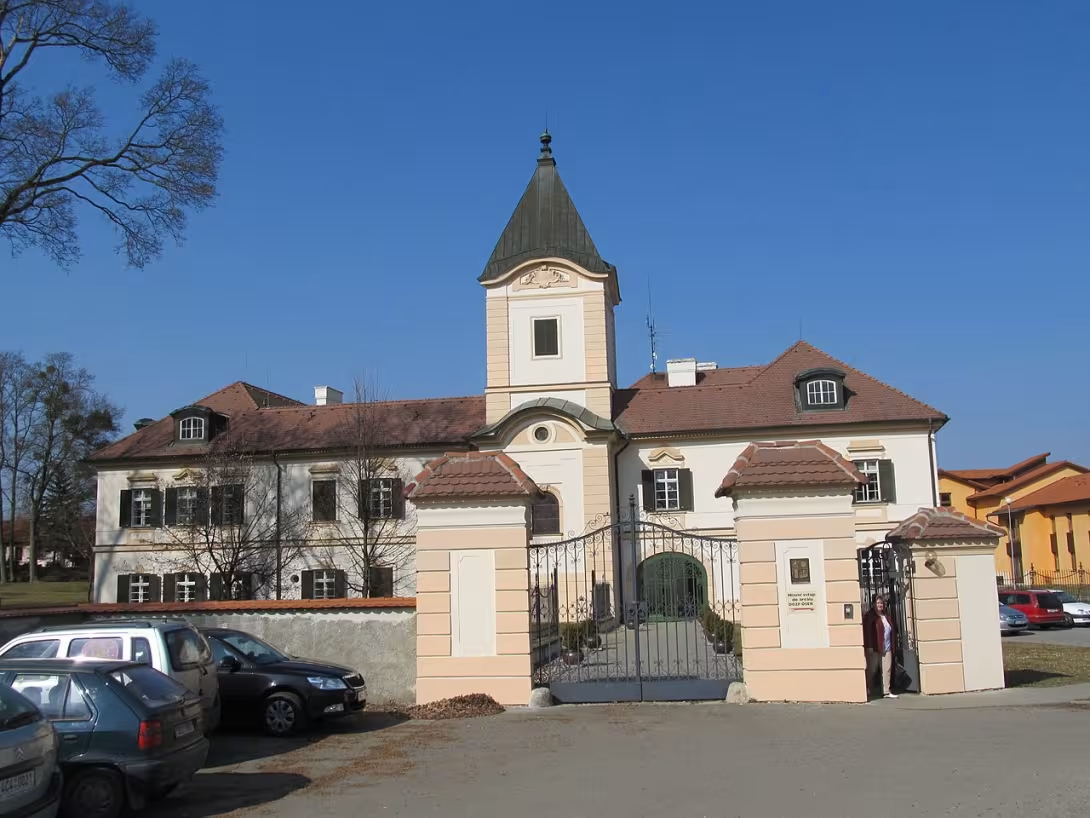
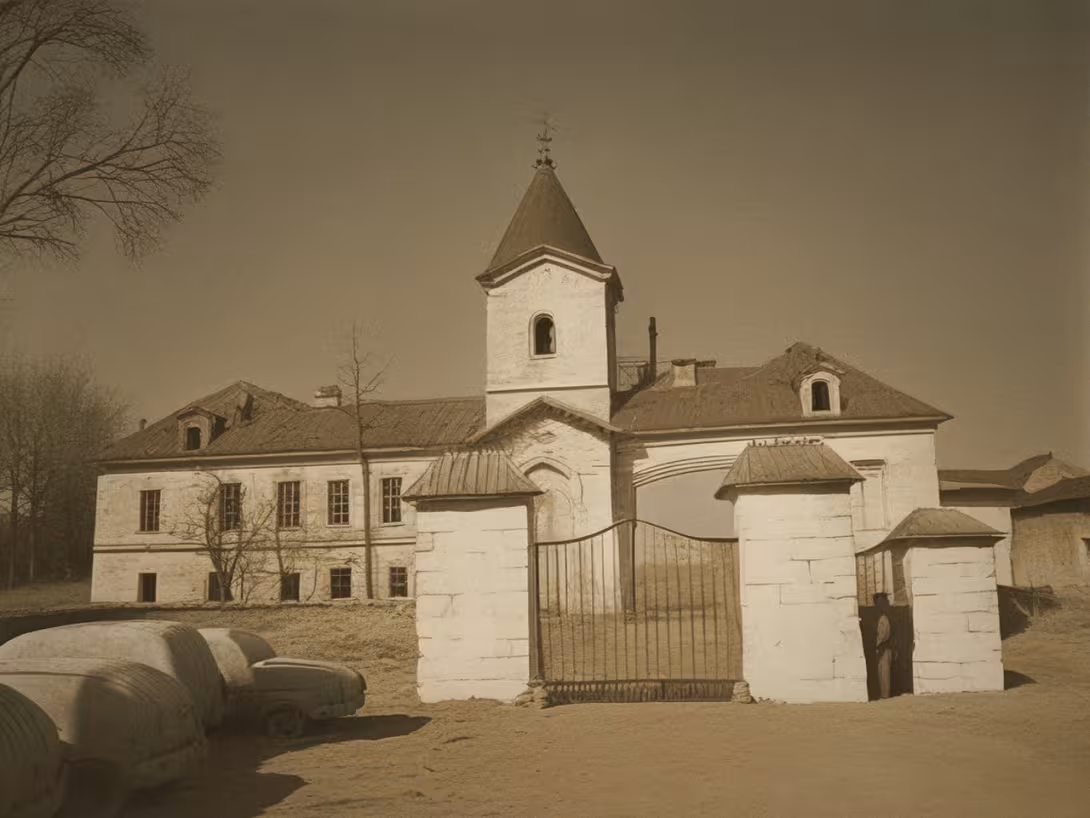
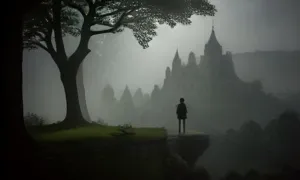
The historical appearance on the left is an AI-generated visualisation and serves as inspiration only.
Historical milestones
- 1911
- The castle underwent significant neo-baroque renovations under the direction of architect Hugo Leuthendorf.
Architectural development
Osecký Zámek began as a fortress in the fifteenth century, later transformed into a Renaissance structure. By the late nineteenth century, it was redesigned in neo-baroque style by Hugo Leuthendorf in 1911. The castle features a single-story layout with four wings surrounding a small courtyard and retains elements of its original defensive architecture.
Historical events
- 1529
- Jan Osecký z Brloha, the last known member of his family line, died without heirs.
- 1623
- The estate was confiscated and sold due to involvement in the Bohemian Revolt (1618–1620).
Owners
Osecký family (15th century)
Jiří Čejka z Olbramovic (until 1576)
Lažanské family (until 1737)
František Janovský z Janovic (briefly in the late 18th century)
Vítanovský z Vlčkovic
Marie Aloisie Rajská z Dubnic (before 1750)
Matyáš Jan Kučera z Prahy (until 1825)
František and Josefa Daubkové (until Eduard Daubek's era)
Eduard Daubek
Marie Daubková (after Eduard Daubek)
Czechoslovak state (from 1945)
Points of interest
- One of the lesser-known facts about Osecký Zámek is that it was involved in the Bohemian Revolt between 1618 and 1620. During this conflict, císařští vojáci set fire to both the village and the fortress, marking a significant moment in its turbulent history.
- Despite undergoing several architectural transformations over the centuries, Osecký Zámek retains elements of its original defensive structure. The eastern wing still features walls and herringbone vaults from when it was first built as a fortress in the fifteenth century.
- A surprising element within the castle is the presence of allegorical wall paintings by Bohumil Doubek, which add an artistic layer to the historical architecture. These interior decorations contribute to the cultural richness of Osecký Zámek beyond its architectural significance.
- The chapel at Osecký Zámek originally dedicated to Our Lady's Assumption has been updated with a new Gothic altar and paintings by Jiří Rejsek in 1972, blending historical reverence with modern artistic contributions. This combination of old and new elements reflects the ongoing evolution of the site as both a cultural and spiritual landmark.
- Interestingly, Osecký Zámek now serves a dual purpose as it houses a facility for individuals with disabilities, demonstrating its adaptation to contemporary societal needs while preserving its historical essence. This modern function adds another layer to the castle's rich narrative, showcasing its versatility across different eras.
Guide
This guide is narrated by a synthetic voice generated by artificial intelligence.
Show guide text
This text was created by artificial intelligence and has not been editorially reviewed. It may contain inaccuracies.
Welcome to the historic site of Osecký Zámek in Osek, a remarkable testament to centuries of architectural evolution and storied history. As you stand here, take a moment to absorb the grandeur before you—the castle's robust structure rising from its picturesque surroundings, with its intricate details hinting at tales from long ago.
The origins of this castle trace back to the fifteenth century when it was initially built as a fortress by the Osecký family. Over the centuries, it has witnessed significant transformations, evolving through various architectural styles and historical events. A pivotal moment in its history came in 1911, when Hugo Leuthendorf undertook extensive neo-baroque renovations, giving the castle much of its current appearance.
As you gaze upon the castle's facade, notice the harmony between old and new—the blend of medieval fortifications with the elegant curves and ornamentation characteristic of the neo-baroque style. The craftsmanship is evident in every detail, from the carefully sculpted stone to the ornate window frames that invite a closer look.
Osecký Zámek has been home to many notable historical figures, including Absolon z Brloha, Jiří Čejka z Olbramovic, and Karel z Lichtenštejna. Each of these individuals contributed to the castle's rich tapestry of stories. One particularly intriguing chapter in its history involves the Bohemian Revolt between 1618 and 1620. During this tumultuous period, císařští vojáci set fire to both the village and the fortress, leaving an indelible mark on its past.
This castle is not just a collection of stones; it's a living chronicle of resilience and transformation. As you explore further, let your imagination wander through the corridors of time, envisioning the lives that once filled these halls.
We invite you to continue exploring Osecký Zámek, discovering more about its fascinating history and architectural beauty. Thank you for joining us on this journey through time; we hope it has been as enlightening for you as it is inspiring for us to share. Safe travels as you continue your adventure in the Jihočeský kraj!
Frequently asked questions
Can the monument be visited?
Some buildings of this kind are open for guided tours, others serve another purpose or are privately owned. We have not verified whether and when this monument is open – please ask the operator.
What are the opening hours and admission?
We have not verified the opening hours or admission. Current information is published by the operator.
Where is the monument?
Location: č.p. 1, Osek, Jihočeský kraj. The map on this page shows the exact spot.
Why is the monument protected?
It is listed in the Central List of Cultural Monuments of the Czech Republic as a cultural monument (register no. 33682/3-4292).
Businesses nearby
Do you run a restaurant, accommodation, shop, museum, rental, wellness or other visitor service near this monument? Show yourself directly to the people heading to it — this is how they will see you in the app and on the web:
Nearby
Osecký Zámek is surrounded by a landscape that includes other historical sites such as Kbelnice, Petrovice, Sedlíkovice, and Paračov within a five-kilometer radius.
Accommodation nearby
Themed route
Thematic Tour Itinerary: Osek Castle and Surroundings
1. Osecký Zámek (Castle) - Type: Historical Castle - Why Visit: Begin your journey at the majestic Osecký Zámek, a quintessential example of Renaissance architecture in the South Bohemian Region. Explore its rich history and stunning gardens that offer panoramic views of the surrounding countryside.
2. Kbelnice (Village) - Type: Historical Village - Why Visit: A short drive from Osecký Zámek, Kbelnice offers a glimpse into rural life in South Bohemia with its charming traditional architecture and peaceful atmosphere. It's an ideal spot to relax and appreciate the local culture.
3. Petrovice (Village) - Type: Historical Village - Why Visit: Located within a few kilometers of Osecký Zámek, Petrovice is known for its well-preserved historical buildings and quaint streets. It provides an excellent opportunity to explore the architectural heritage of the region.
4. Sedlíkovice (Village) - Type: Historical Village - Why Visit: Sedlíkovice invites visitors to discover its rustic charm and traditional Czech village life. The area is perfect for a leisurely stroll, allowing you to soak in the serene landscape and historical ambiance.
5. Paračov (Village) - Type: Historical Village - Why Visit: Conclude your tour at Paračov, where the blend of history and nature creates a picturesque setting. The village is known for its beautiful surroundings and offers a peaceful retreat after exploring the nearby historical sites.
This itinerary provides a comprehensive exploration of Osek Castle and its immediate historical surroundings, offering insights into the region's rich cultural heritage.
Seasonal recommendations
Spring: Visiting Osek Castle during spring offers a unique experience as the surrounding landscape awakens with vibrant colors and fresh blooms. The castle grounds are particularly enchanting, dotted with blossoming flowers that enhance its historical charm. Springtime often brings milder temperatures, making it an ideal time for leisurely exploration without the summer crowds. Visitors should consider wearing layers to accommodate fluctuating weather conditions and plan their visit in the late morning or early afternoon to enjoy the best natural lighting.
Summer: Summer at Osek Castle is characterized by its lush greenery and warm, inviting atmosphere, perfect for outdoor activities around the castle grounds. This season attracts more visitors due to favorable weather, so it's advisable to arrive early to avoid larger crowds. Comfortable walking shoes and light clothing are recommended, as well as bringing a hat or sunglasses to protect against the sun. The longer daylight hours provide ample time to explore both the interior exhibits and the scenic surroundings.
Autumn: Autumn transforms Osek Castle into a picturesque setting with its rich tapestry of reds, oranges, and yellows. The cooler temperatures make it an ideal time for walking tours through the castle’s historic halls without the discomfort of summer heat. Visitors should dress warmly in layers to adapt to changing weather conditions throughout the day. This season offers a more serene experience as visitor numbers typically decrease compared to summer, allowing for a peaceful exploration of the site.
Winter: Winter at Osek Castle presents a magical atmosphere with snow-covered grounds and an ethereal quality that enhances its historical allure. Warm clothing is essential, including coats, hats, gloves, and sturdy boots for navigating potentially icy paths. While the cold weather might deter some visitors, those who do venture out are rewarded with a quieter experience and unique winter vistas of the castle’s architecture against the snowy backdrop.
Visualizations and artistic views


The visualisations are generated by artificial intelligence and serve as inspiration.
Photos from the area
Real photos taken near the monument


Zdroj a licence jsou uvedeny u každého snímku.
Tips from visitors
No tips yet. Be the first!
Log in and add your tip.
Sources and literature
Photos: Krabat77 / CC BY-SA 3.0, rozlišení zvýšeno umělou inteligencí — Wikimedia Commons. The author and licence also appear when you hover over the image.
Faktickým podkladem tohoto textu byl článek na Wikipedii, jehož autory jsou přispěvatelé Wikipedie. Článek je dostupný pod licencí CC BY-SA 4.0.
Location on the map

Příběhy a pověsti
Legendy, pověsti a příběhy spjaté s touto památkou
Fotografie návštěvníků
Zatím žádné fotografie. Buďte první, kdo přidá fotografii z návštěvy!
Log in a přidejte svou fotografii nebo hodnoťte.
Za ověřenou návštěvu v aplikaci získáte víc bodů — poznáme podle GPS, že jste na místě.
Reviews and comments