






Ostrý (Hamry) Ruin
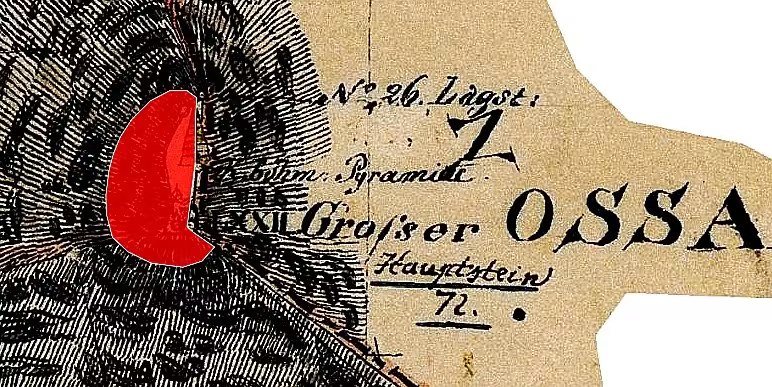
The chateau Ostrý (Hamry) is a destroyed fortress on the Czech-German border near the village Hamry in Klatov region. Built as a guard tower at the end of the 13th century, it was abandoned about a century later. The only thing left is a moat carved into a rock. This monument is remarkable for its strategic location, offering a commanding view of the surrounding landscape and its importance in the history of enlargement and border control of the Czech Kingdom.
The chateau was part of a group of mountain forts built by the ruler along state borders and trade routes. Its location on the Šumava mountains allows for visual control of the Lamská valley in Bavaria. The chateau could have guarded a short part of the trade route between Nýrsko and Saint Catherine. Little is recorded about its oldest history, but it is believed to have been built as a watchtower to secure the Kingdom's borders and protect its business interests.
The architecture of the chateau features a 30x30 m platform surrounded by rock cliffs on three sides. The only entrance was a 1.6-2 meter wide moat carved into a rock. The chateau was built on the border between the Czech and Bavarian territories, most of the area is located in Bavaria. Archaeological research was carried out in 1862 by František Obricht, who found a moat, a wall and animal bones and ceramic fragments. In 1992 they partially dug up the remains of the castle Jiří Fröhlich.
The existence of the chateau is mentioned in several local legends and stories, but there is no record of significant owners or administrators. The history of the chateau is largely unknown and it is unclear what dramatic changes could have been made. The only remarkable event mentioned in the source is the mention of the chateau in the Bavarian description of the border in 1512.
Today the chateau is a ruin, only a moat and remnants of the wall. The location is located on the Bohemian Mountains, near the village Hamry. The chateau is worth visiting for its historical importance and unique location, which offers a view of the past of expansion and border control of the Czech Kingdom.
Then and now
Drag the slider to compare how the landmark may have looked when it was built with the view today.
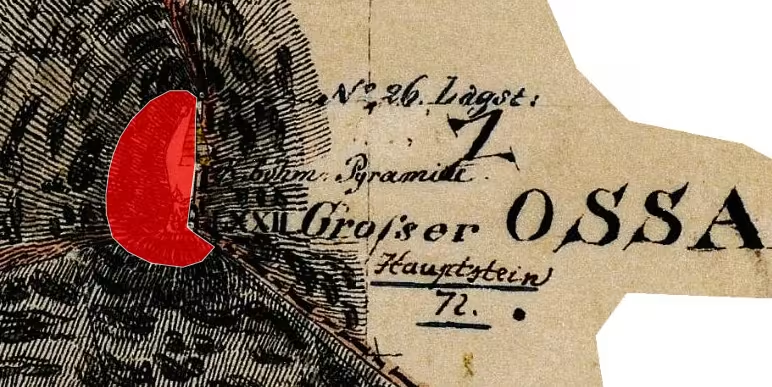

The historical appearance on the left is an AI-generated visualisation and serves as inspiration only.
Historical milestones
- around 1300
- Built as a watchtower
- around 1320
- Abandoned
- 1862
- Archaeological research František Obricht
- 1992
- Jiří Fröhlich's partial dig
- 1512
- In the Bavarian description of the border
Architectural development
The chateau was built on a hill with a 30x30m platform, surrounded by rock cliffs on three sides. The only entrance was a 1.6-2 meter wide moat carved into a rock. The chateau was built on the border between the Czech and Bavarian territories, most of the area is located in Bavaria.
Historical events
- 1512
- The chateau is mentioned in the Bavarian description of the border.
- 1563
- The chateau is displayed on the map of Philip Apian.
- 1569
- The chateau is displayed on the map of Ersinger.
Points of interest
- The sharp chateau was probably built in a place with significant spiritual significance, as the medieval text mentions a nearby church dedicated to the Virgin Mary. The church was not found.
Archaeological research revealed evidence of a medieval settlement near the chateau, suggesting that the area could have been inhabited long before the chateau was built.
- The location of the chateau in Šumava is also remarkable for its unique geology, with surrounding rock formations being a kind of limestone that is rare in the region.
- The chateau plateau is surrounded by a unique type of rock formation known as "rock window," where a large hole in the rock provides a commanding view of the surrounding landscape.
- The history of the chateau may be linked to the legend of "The Souls of Shumava," a group of mythical beings said they inhabit the Sumava Mountains and guard its secrets.
Guide
This guide is narrated by a synthetic voice generated by artificial intelligence.
Show guide text
This text was created by artificial intelligence and has not been editorially reviewed. It may contain inaccuracies.
Welcome! You are standing in front of the ruins of Sharp, one of many historical monuments on the Czech side of the border with Germany. Look around and notice how these places have changed over the centuries.
Let's go back to the past. The sharp was built as a watchtower on the state border at the end of the 13th century. It was part of a group of mountain forts built by a ruling monarch along the border. For about a century, the Sharp was abandoned and left to himself. Although it no longer exists as a functional chateau, its remains are an interesting proof of the history and culture of the area.
Notice how the swamp surrounding the ruins eroded into the rock. It's one of the few remains of this chateau. Take in the facade and feel the atmosphere of the place. The sharp one is only one of many chateaux built on this territory. After all, there was once a journey that united Europe from north to south.
Let's go back to history. In the 13th century, these places were home to a route connecting Europe from north to south. It was an important business connection between Europe and Asia. Therefore, it was crucial to protect borders and control the movement of people and goods to build patrol towers like the Sharp.
Now pay attention to the special detail. The sharp was built in a place that apparently had significant spiritual value. One of the sources from that time mentions the Church of the Virgin Mary, which stood near the chateau. Unfortunately, the church no longer exists. But his mention suggests the importance of these places.
One thing you might be interested in is that once upon a time there was also a medieval village in these places. The archaeologists found evidence of a village near the chateau. It means there were people here who took care of the chateau and protected it.
Today, it is a sharp ruin that has caused a period of change for centuries. It's a place that calls for further exploration and reflection. Thank you for your attention and I hope this place will remind you of the history and culture of this area.
Tips for visitors
The best time to visit the chateau Ostrý (Hamry) is in spring and summer months when the weather is mild and the surroundings are fully blooming.
The chateau is accessible by car or public transport.
It is recommended to bring comfortable shoes because the way to the chateau can be steep and uneven. Next, bring a camera that captures a stunning view of the surrounding Umava Mountains.
The best photographic sites are around the chateau ruins where you can capture a dramatic view of the surrounding landscape. The best light is during the golden hour, just before sunset.
If you are visiting with children, the chateau offers a unique opportunity to explore the historical site and learn about the history of the region. Keep in mind, however, that the trip to the chateau may not be suitable for carriages or young children.
Frequently asked questions
Can the monument be visited?
This is a ruin. Such sites are often freely accessible, but some can only be visited with a guide or are closed for safety reasons. We have not verified the current situation – take care and respect any restrictions.
Where is the monument?
Location: Hamry, Plzeňský kraj. The map on this page shows the exact spot.
Businesses nearby
Do you run a restaurant, accommodation, shop, museum, rental, wellness or other visitor service near this monument? Show yourself directly to the people heading to it — this is how they will see you in the app and on the web:
Nearby
The chateau is located on the Šumava mountains, near the village Hamry.
Accommodation nearby
Themed route
Hamry - Ostrý (Hamry) 1. Hamry - village, type: rural town, worth a visit: Charming mountain village with a pleasant atmosphere and dining options. 2. Šumava - mountain range, type: nature reservation, standing for difficulty: Stupendous mountain panorama and opportunities for nature walks. 3. Hamer Lake - lake, type: nature reservation, standing for difficulty: Beautiful mountain lake with possibility of fishing and swimming.
Seasonal recommendations
Spring
Specific: Ostrý (Hamry) deviates from this dream in the spring period and is offered according to what is specified in the year. The atmosphere is calm and quiet, with spring trees and bird strength.
Practicé advices: Carries Ostrý (Hamry) within the store from April to the city where the auxiliary goods and the sun are holy. It is good to get laid at a time, because in the spring session Ostrý (Hamry) is popular with the cinema tourists. Forget the surrounding conditions and the relevant requirements for outdoor support.
Summer
Specific: In the summer Ostrý (Hamry) is surrounded by green forests and which enjoy a pleasant atmosphere. The sunny form allows puncture of the wound without problems.
We recommend crossing the tide, not reaching the larger crowds, so that you can see the grain in peace. Forget the excess of sunshine and water-filled bottle.
Autumn
Specific: Ostrý (Hamry) is colored in the autumn environment in autumn, which brings a one-way atmosphere. The atmosphere is calm and quiet, with autumn leaves and cold spirit.
Practical advice: We recommend visiting Ostrý (Hamry) in supported areas where the use of cool and sun is holy. It is good to get laid at a time, because in the autumn season Ostrý (Hamry) is popular with the cinema tourists. Forget the adjacent warm round and comfortable shoes.
Winter
Specific: The Ostrý (Hamry) is in the ground with a bright and quiet brick, surrounded by a dream and ice. The atmosphere is calm and quiet, with a white dream and cool air.
Advice to inject Ostrý (Hamry) in possible December to March, when helping cold and healthy support are ideal for losing in nature. Forget the transfer of warm siege and suitable shoes to self support.
Visualizations and artistic views


The visualisations are generated by artificial intelligence and serve as inspiration.
Photos from the area
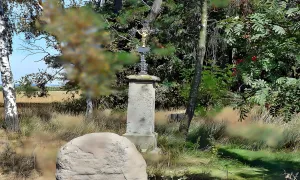
Real photos taken near the monument


Zdroj a licence jsou uvedeny u každého snímku.
Atmosphere of the place
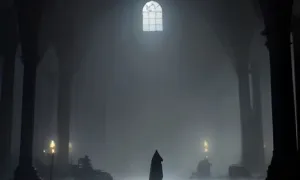
This atmospheric visualisation of the place and period was generated by artificial intelligence. It is not real footage of the location.
Tips from visitors
No tips yet. Be the first!
Log in and add your tip.
Sources and literature
Photos: Königreich Bayern / Public domain — Wikimedia Commons. The author and licence also appear when you hover over the image.
Faktickým podkladem tohoto textu byl článek na Wikipedii, jehož autory jsou přispěvatelé Wikipedie. Článek je dostupný pod licencí CC BY-SA 4.0.
Location on the map

Příběhy a pověsti
Legendy, pověsti a příběhy spjaté s touto památkou
Fotografie návštěvníků
Zatím žádné fotografie. Buďte první, kdo přidá fotografii z návštěvy!
Log in a přidejte svou fotografii nebo hodnoťte.
Za ověřenou návštěvu v aplikaci získáte víc bodů — poznáme podle GPS, že jste na místě.
Reviews and comments