






Palác Hložků ze Žampachu Palace
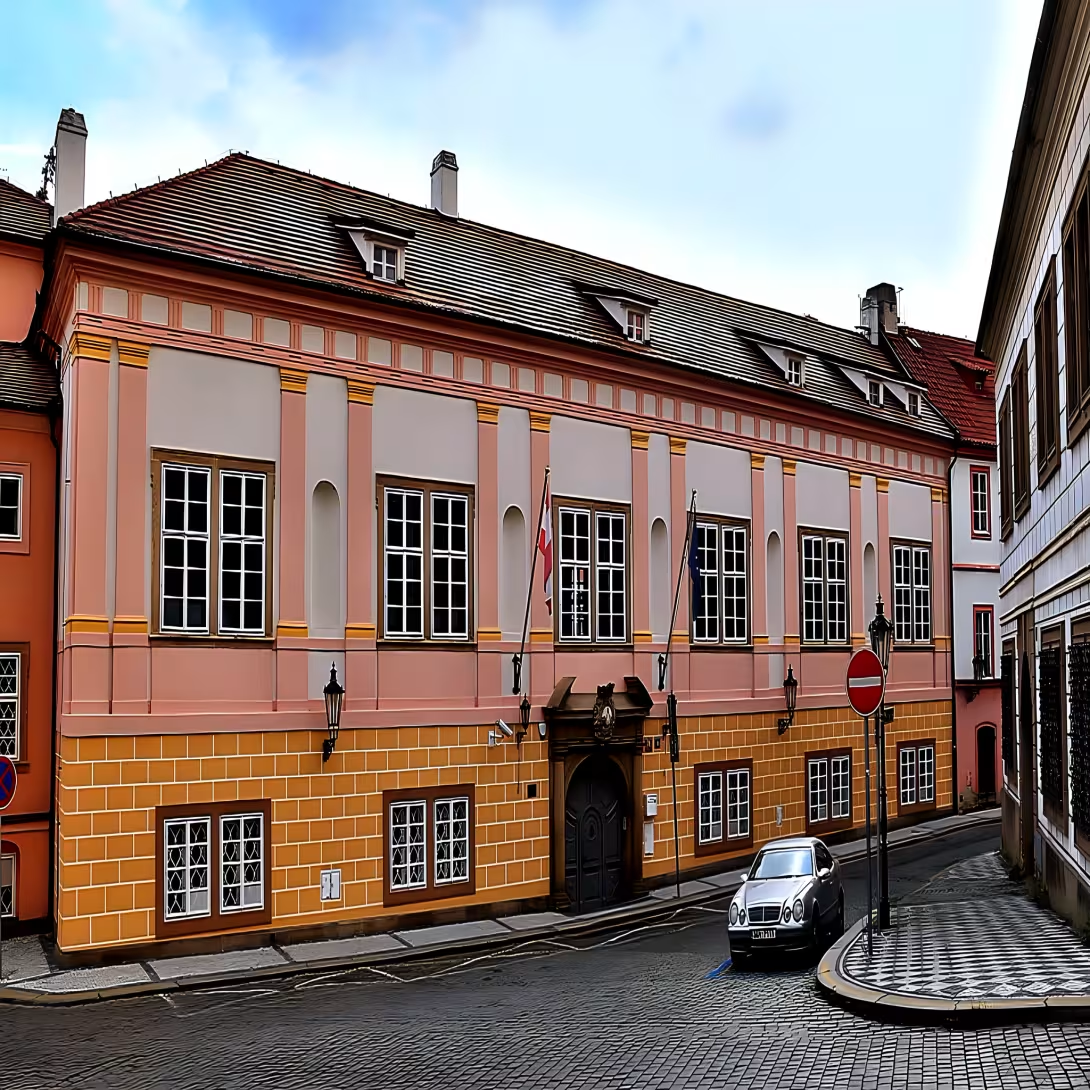
Palác Hložků ze Žampachu is an early Baroque palace located in Kanovnická Street within Prague's historic Hradčany district. Originally a Renaissance building, it was transformed into its current style by Albrecht Hložek ze Žampachu in the 1680s. This architectural gem features baroque painted ceilings and a distinctive portal with an emblematic cartouche. Today, it serves as the residence of the Austrian ambassador to Prague, making it both historically significant and diplomatically important.
The palace's origins trace back to several Gothic structures that occupied its current location until they were destroyed by fire in 1541. A new building was constructed in the early Renaissance style during the mid-16th century. The transformation into a Baroque palace occurred in the late 17th century under Albrecht Hložek ze Žampachu, then the purkrabí (castle captain) of Prague Castle. This period marked significant architectural evolution, reflecting broader cultural trends within the Habsburg Monarchy.
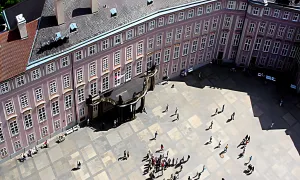
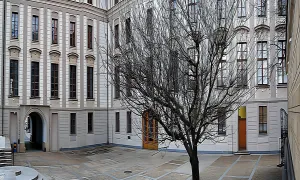
Architecturally, Palác Hložků ze Žampachu is a single-story, three-winged structure with an impressive six-bay main southern façade facing Kanovnická Street. The design features grouped windows on both floors, while the lower level has painted rustication. A notable baroque portal in the third bay from the left includes a cartouche displaying a replica of the Hložek family crest, dating back to 1995. The interior boasts preserved Renaissance and Baroque elements, including vaulted ceilings that are partially undercrofted, with remnants of baroque wall paintings and painted coffered ceilings in various rooms.
Ownership has changed several times over the centuries. Initially held by Albrecht Hložek ze Žampachu and his descendants until 1757, it was sold to a civic owner in 1798. Throughout the 19th century, ownership frequently changed before being acquired by the Nostic family prior to World War II. In 1942, during the Protectorate of Bohemia and Moravia, the palace was confiscated from the Nostics. Following the war, it became the residence for the Austrian ambassador in Prague.
Key events include a comprehensive reconstruction between 1923 and 1925, followed by garden restoration and wall repairs over Jelení Příkop in 1928. These efforts preserved both its Renaissance roots and Baroque enhancements, ensuring that the building remains an architectural treasure. The confiscation from the Nostic family during World War II marked a significant shift in ownership, reflecting broader political changes of the era.
Today, Palác Hložků ze Žampachu is not only a protected cultural monument but also an active diplomatic site. Visitors can appreciate its historical and architectural significance while exploring its well-preserved interiors. The palace's blend of Renaissance and Baroque styles, along with its rich history of ownership changes and restorations, make it a compelling destination for those interested in Prague's storied past.
Palác Hložků ze Žampachu stands as a testament to the architectural evolution and historical narratives that have shaped Prague over centuries. Its preservation allows visitors to step back into an era where artistry and diplomacy intertwined, offering a unique glimpse into both the cultural and political landscapes of its time. For those visiting Prague, this palace is undoubtedly worth exploring for its historical depth and architectural beauty.
Then and now
Drag the slider to compare how the landmark may have looked when it was built with the view today.
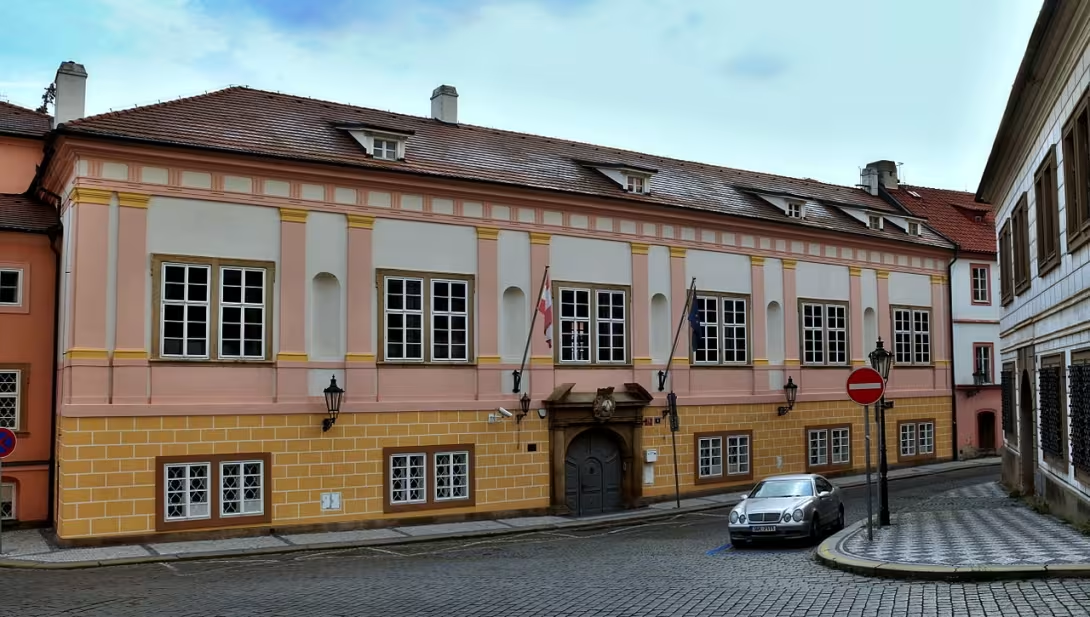

The historical appearance on the left is an AI-generated visualisation and serves as inspiration only.
Historical milestones
- 1541
- Original Gothic structures on the site were destroyed by fire.
- 1690
- The palace was transformed into its current Baroque style.
Architectural development
The palace was originally a Renaissance building, which underwent significant Baroque transformation in the late 17th century. The early 20th century saw comprehensive reconstruction efforts, including restoration of its garden and supporting wall over Jelení Příkop. Renovations have preserved both Renaissance and Baroque architectural elements within.
Historical events
Palace reconstruction and garden restoration (1923–1928)
Confiscation from Nostic family during the Protectorate of Bohemia and Moravia (1942)
Owners
Albrecht Hložek ze Žampachu (1680s)
Hložků potomci (until 1757)
Měšťanský majitel (1798)
Various owners in the 19th century
Nosticové (pre-World War II, confiscated in 1942)
Austrian ambassador's residence (post-World War II)
Points of interest
- The Palác Hložků ze Žampachu once housed several Gothic structures before they were destroyed by fire in 1541, leading to the construction of a new Renaissance building on its site.
- In 1995, a replica of the Hložek family crest was added to the baroque portal's cartouche, symbolizing the enduring legacy and recognition of the family who played a pivotal role in transforming the palace into its Baroque form.
- The transformation from a Renaissance to a Baroque palace under Albrecht Hložek ze Žampachu reflects broader cultural trends within the Habsburg Monarchy during the late 17th century, marking an architectural evolution significant for its time.
- A comprehensive reconstruction and restoration of the palace's gardens and walls took place between 1923 and 1928, highlighting efforts to preserve both its Renaissance roots and Baroque enhancements amidst changing ownerships over centuries.
- The confiscation of Palác Hložků ze Žampachu from the Nostic family during World War II exemplifies broader political shifts in Europe, marking a significant change in the palace's history as it transitioned to serve diplomatic purposes.
Guide
This guide is narrated by a synthetic voice generated by artificial intelligence.
Show guide text
This text was created by artificial intelligence and has not been editorially reviewed. It may contain inaccuracies.
Welcome to the Palác Hložků ze Žampachu, a remarkable testament to Prague's architectural evolution nestled in the historic district of Hradčany on Kanovnická Street. As you stand here, take a moment to absorb the grandeur before you—a structure that whispers tales from centuries past.
The site where this palace stands has been home to stories dating back to 1541 when original Gothic structures succumbed to fire. From these ashes rose a new Renaissance edifice, marking the beginning of its storied history. However, it was in the late 17th century that the palace underwent a significant transformation into the Baroque style we see today. This metamorphosis, led by Albrecht Hložek ze Žampachu in the 1680s, infused the building with elegance and grandiosity characteristic of the era.
As you gaze upon its facade, notice how the Baroque influences manifest through intricate details that invite closer inspection. The portal's cartouche, adorned with a replica of the Hložek family crest added in 1995, is a nod to the palace’s rich heritage—a symbol of endurance and legacy etched into stone.
Palác Hložků ze Žampachu has not only been a witness to architectural transformations but also to historical narratives that have shaped its identity. Albrecht Hložek ze Žampachu, instrumental in its Baroque transformation, left an indelible mark on the palace’s character and history.
One intriguing aspect of this site is its resilience through time—how it has adapted and survived while continuing to serve as a residence for dignitaries like the Austrian ambassador. This blend of historical significance and contemporary relevance makes the Palác Hložků ze Žampachu a unique cultural treasure in Prague's urban tapestry.
As we conclude our journey here, I invite you to continue exploring the surrounding area of Hradčany, where history and modernity coexist harmoniously. Thank you for joining me on this walk through time at the Palác Hložků ze Žampachu. May your curiosity lead you to discover more hidden gems in Prague's storied landscape.
Tips for visitors
The best time to visit Palác Hložků ze Žampachu is during the late spring or early fall when the weather is pleasant, allowing for a comfortable exploration of both the palace and its surrounding gardens. These seasons offer vibrant foliage and mild temperatures that enhance the experience of walking through Prague's historic district. Additionally, visiting outside peak tourist season can mean fewer crowds, providing a more intimate encounter with this architectural gem.
Transportation to Palác Hložků ze Žampachu is convenient via public transport or by car. The palace is accessible by several tram lines and buses that service the Hradčany district.
When planning your visit, consider bringing comfortable walking shoes and weather-appropriate clothing, especially if you plan to explore the surrounding gardens or walk around Prague Castle. A camera is recommended for capturing the intricate details of the palace's architecture and the scenic views of Hradčany. Don't forget a water bottle and perhaps some snacks, as there may not be immediate facilities available on-site.
For photography enthusiasts, Palác Hložků ze Žampachu offers several picturesque spots. The best light for capturing its Baroque façade is during the golden hours of early morning or late afternoon when the sunlight casts a warm glow over the building. The gardens and nearby Prague Castle provide stunning backdrops for photographs, making it an ideal location for both architectural and landscape photography.
Nearby attractions within a 30-minute walk include Prague Castle, with its rich history and panoramic views of the city, and the Strahov Monastery, known for its beautiful library. The area is also home to several notable gardens and architectural landmarks that are worth exploring. These sites complement your visit to Palác Hložků ze Žampachu by offering a broader glimpse into Prague's historical and cultural landscape.
For families with children, the surrounding area offers plenty of engaging activities beyond the palace itself. The gardens provide a great space for kids to run around, while nearby attractions like Prague Castle have interactive exhibits that can capture their interest. It’s advisable to plan your visit during weekdays or non-peak hours to avoid large crowds, making it easier to navigate with children.
Frequently asked questions
Can the monument be visited?
Some buildings of this kind are open for guided tours, others serve another purpose or are privately owned. We have not verified whether and when this monument is open – please ask the operator.
What are the opening hours and admission?
We have not verified the opening hours or admission. Current information is published by the operator.
Where is the monument?
Location: Kanovnická 70/4, Hradčany, Praha, Hlavní město Praha. The map on this page shows the exact spot.
Why is the monument protected?
It is listed in the Central List of Cultural Monuments of the Czech Republic as a cultural monument (register no. 39641/1-936).
Businesses nearby
Do you run a restaurant, accommodation, shop, museum, rental, wellness or other visitor service near this monument? Show yourself directly to the people heading to it — this is how they will see you in the app and on the web:
Events nearby

Zdroj akcí: otevřená data měst a obcí ČR (Národní katalog otevřených dat) a kalendář akcí Národního památkového ústavu.
Nearby
Located in Prague's Hradčany district, the area is rich in historical sites including Prague Castle. The surrounding landscape features notable gardens and architectural landmarks within a short distance.
Accommodation nearby
Trips and activities nearby
Guided tours, tickets and activities nearby from GetYourGuide
Affiliate link: if you buy from the partner, we may receive a commission. The price for you does not change.
Search tours and activities →Themed route
Thematic Walking Tour: Palác Hložků ze Žampachu and Surrounding Attractions
1. Palác Hložků ze Žampachu (Palace)
Type: Historical Building
This exquisite Renaissance palace, located in the heart of Prague's Hradčany district, is a must-see for its stunning architecture and rich history. Originally built by the noble family Hložek of Zvířetice, it offers visitors a glimpse into the opulent lifestyle of 16th-century Bohemia.
2. Prague Castle
Type: Historic Site
Just a short walk from Palác Hložků ze Žampachu, Prague Castle is an iconic symbol of the Czech Republic and one of Europe's largest castle complexes. Visitors are drawn to its breathtaking views over Prague, as well as its array of palaces, churches, and museums that tell the story of centuries of Bohemian history.
3. Royal Garden
Type: Historical Gardens
Adjacent to Prague Castle, the Royal Garden is a serene escape within the bustling city. Known for its beautiful landscaping and historical significance, it offers a peaceful setting where visitors can stroll among statues and fountains while soaking in the tranquil atmosphere of this historic site.
4. St. George's Basilica
Type: Architectural Landmark
Located near Prague Castle, St. George’s Basilica is renowned for its stunning Baroque architecture and historical importance as a coronation church. Visitors are captivated by its intricate design, including the famous Vladislav Hall, which adds to the rich tapestry of history in this area.
This thematic tour provides an enriching experience through Prague's Hradčany district, highlighting key architectural and historical sites that offer deep insights into the city’s storied past.
Seasonal recommendations
Spring:
Visiting the Palác Hložků ze Žampachu during spring offers a charming experience as nature awakens around this historic site. The blooming flowers and fresh greenery create a picturesque backdrop, enhancing the architectural beauty of the palace. This season is characterized by mild weather, making it ideal for leisurely strolls through its gardens. Visitors should dress in layers to accommodate fluctuating temperatures throughout the day. While crowds are generally moderate, arriving early can ensure a more peaceful exploration before larger groups gather.
Summer:
The summer months bring vibrant energy to the Palác Hložků ze Žampachu, with long daylight hours allowing for extended visits. The lush gardens and surrounding greenery provide a refreshing escape from the city's hustle and bustle. However, this is also the peak tourist season, so it’s advisable to arrive early in the morning to avoid crowds. Comfortable walking shoes and light clothing are recommended due to warmer temperatures. Summer evenings often offer pleasant conditions for enjoying outdoor spaces.
Autumn:
Autumn at Palác Hložků ze Žampachu is a feast for the senses, with the landscape transforming into warm hues of reds, oranges, and yellows. The cooler weather makes it an ideal time to explore without the summer crowds, offering a more tranquil experience. Visitors should dress warmly in layers as temperatures can drop, especially later in the day. This season provides a unique opportunity to appreciate the palace's architecture against the backdrop of autumn foliage.
Winter:
The winter months envelop Palác Hložků ze Žampachu in a serene and magical atmosphere, with snow often adding an enchanting touch to its historic façade. Shorter days mean that visits should be planned during daylight hours, as opening times may be reduced. Warm clothing is essential to comfortably enjoy the site's beauty amidst colder temperatures. While fewer visitors are typically present, making it a quieter time for exploration, checking ahead for any seasonal closures or special events in the advent period can enhance your visit.
Visualizations and artistic views


The visualisations are generated by artificial intelligence and serve as inspiration.
Photos from the area
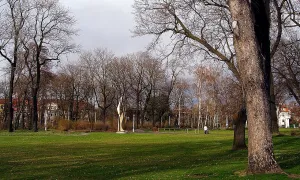
Real photos taken near the monument

Zdroj a licence jsou uvedeny u každého snímku.
Atmosphere of the place
This atmospheric visualisation of the place and period was generated by artificial intelligence. It is not real footage of the location.
Tips from visitors
No tips yet. Be the first!
Log in and add your tip.
Sources and literature
Photos: VitVit / CC BY-SA 4.0, rozlišení zvýšeno umělou inteligencí — Wikimedia Commons. The author and licence also appear when you hover over the image.
Faktickým podkladem tohoto textu byl článek na Wikipedii, jehož autory jsou přispěvatelé Wikipedie. Článek je dostupný pod licencí CC BY-SA 4.0.
Location on the map

Příběhy a pověsti
Legendy, pověsti a příběhy spjaté s touto památkou
Fotografie návštěvníků
Zatím žádné fotografie. Buďte první, kdo přidá fotografii z návštěvy!
Log in a přidejte svou fotografii nebo hodnoťte.
Za ověřenou návštěvu v aplikaci získáte víc bodů — poznáme podle GPS, že jste na místě.
Reviews and comments