



Palác Voračických Palace
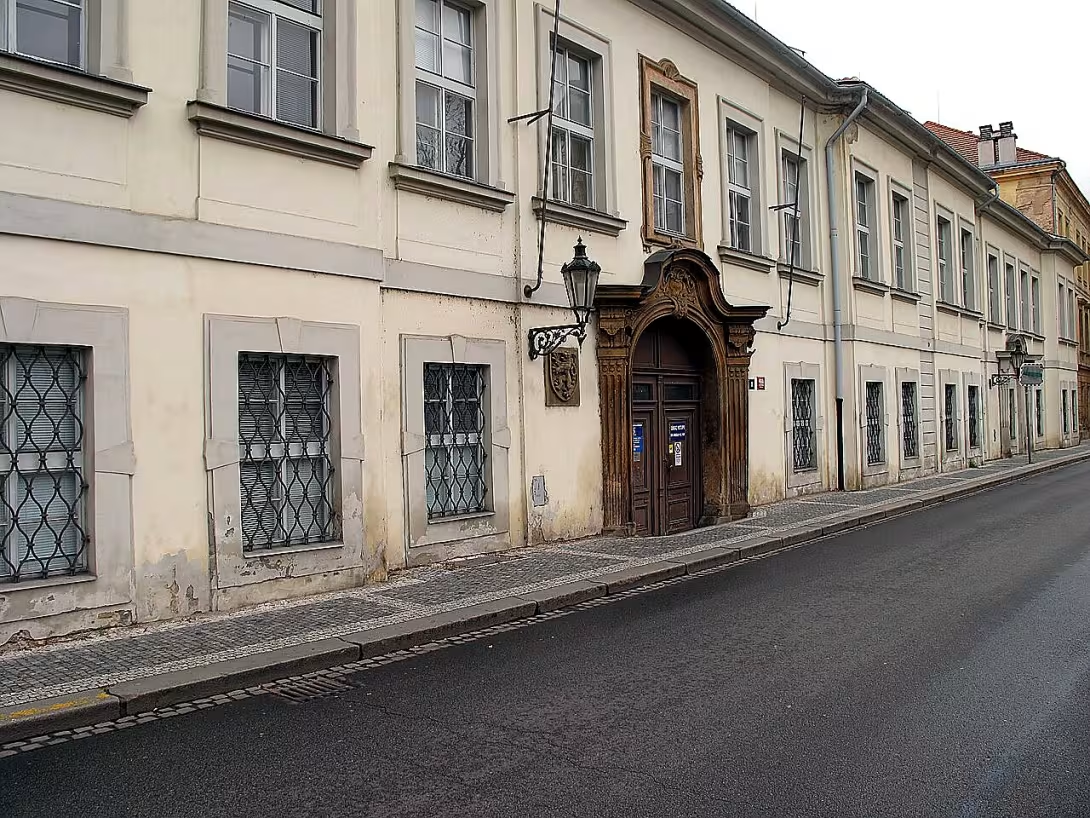
Palác Voračických stands as a testament to Prague's rich architectural history, located in the Nové Město district of Prague 2. Originally constructed between 1715 and 1725 as a summer residence for Hrabě Vojtěch Jiří Voračický z Paběnic, it underwent significant transformation at the end of the 18th century to achieve its current form. Recognized as a cultural monument since 1963, this Baroque palace reflects both historical and architectural significance, serving today as an educational and medical hub for institutions from Charles University.
The origins of Palác Voračických are rooted in the early 18th century when Bohemia was part of the Habsburg Monarchy. During this period, Baroque architecture flourished across Europe, influencing many structures. The palace was initially built as a summer residence for Hrabě Vojtěch Jiří Voračický z Paběnic. However, financial difficulties led to its early transfer back to the Karlov monastery's ownership. This transition marked the beginning of a series of ownership changes that would shape the building’s history.
Architecturally, Palác Voračických began as a modest Baroque summer residence with influences possibly linked to Jan Baptist Alliprandi, although his direct involvement remains unconfirmed. Significant renovations in 1792 under kněžna Alžběta z Fürstenbergu doubled its size and introduced new architectural elements. This period also saw the addition of a late-Classical hospital building in the early 1840s, designed by Vincenc Kulhánek, further diversifying the palace's style.
Ownership of Palác Voračických has shifted through various hands over the centuries. After its initial construction and subsequent financial troubles for Hrabě Vojtěch Jiří Voračický z Paběnic, it was briefly owned by augustiniáni before being sold to kněžna Alžběta z Fürstenbergu in 1792. The palace then passed through the hands of Václav Bechyně z Lažan and later became communal property used for industrial purposes. In 1863, it was acquired by Český zemský fond to serve as an institution for mental health care.
Throughout its history, Palác Voračických has witnessed several key events that have contributed to its legacy. The completion of the original summer residence in 1725 marked its initial significance. Its acquisition and subsequent renovation by Alžběta z Fürstenbergu in 1792 were pivotal moments that expanded its size and architectural complexity. Later, its transformation into a mental health institution under Český zemský fond in 1863 highlighted its evolving role within the community.
Today, Palác Voračických serves as an important cultural and functional site. It houses educational and medical institutions such as the Sexuologický ústav and Psychiatrická klinika of Charles University's First Medical Faculty, along with parts of the General University Hospital. The palace remains a significant landmark within Prague’s Nové Město district, surrounded by historical buildings and green spaces that offer scenic views of the city.
Palác Voračických is not only an architectural marvel but also a living piece of history that continues to serve the community in meaningful ways. Its evolution from a private summer residence to a public institution reflects broader societal changes over centuries. Visitors are invited to explore this cultural monument, appreciating its historical significance and architectural beauty while learning about its role in Prague's vibrant past and present.
Then and now
Drag the slider to compare how the landmark may have looked when it was built with the view today.
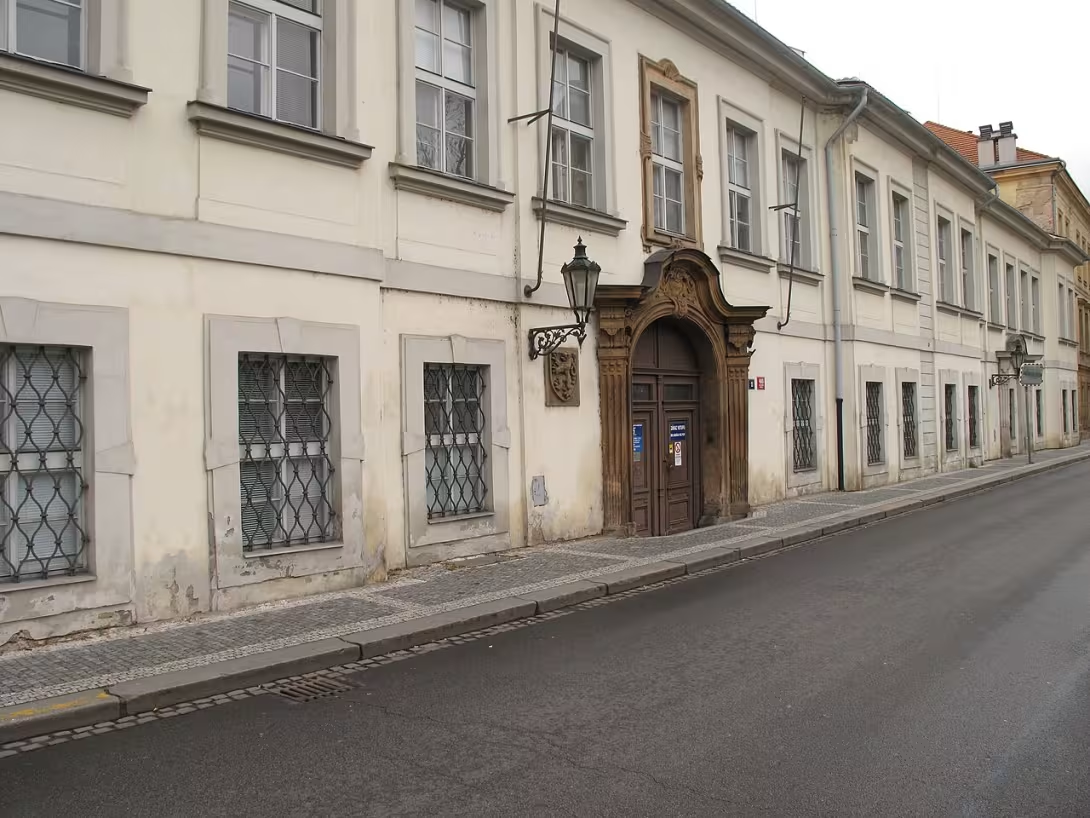

The historical appearance on the left is an AI-generated visualisation and serves as inspiration only.
Historical milestones
- 1725
- Completion of the original summer residence.
- 1792
- Renovation and expansion by Alžběta z Fürstenbergu.
Architectural development
The palace was initially built between 1715 and 1725 with Baroque influences. In 1792, it underwent significant renovations under Alžběta z Fürstenbergu, which doubled its size and added new architectural elements. Further expansions included a late-Classical hospital building in the early 1840s.
Historical events
Construction of the original summer residence completed in 1725.
Palace acquired by Alžběta z Fürstenbergu and renovated in 1792, doubling its size.
Acquired by Český zemský fond in 1863 for use as a mental health institution.
Owners
Vojtěch Jiří Voračický z Paběnic (1715–1725)
Augustiniáni (1733–1785)
Alžběta z Fürstenbergu (1792–1808)
Václav Bechyně z Lažan (1808–19th century)
Měšťané (19th century)
Český zemský fond (1863 onwards)
Points of interest
- The Palác Voračických was initially built as a summer residence for Hrabě Vojtěch Jiří Voračický z Paběnic but had to be sold back due to his financial difficulties, leading to its early ownership by the Karlov monastery. This unexpected shift in ownership set the stage for numerous future transitions.
- Although architect Jan Baptist Alliprandi is often associated with the initial design of Palác Voračických, there is no concrete evidence confirming his direct involvement; this remains a topic of speculation among architectural historians interested in Baroque influences.
- The significant expansion and transformation of the palace under kněžna Alžběta z Fürstenbergu in 1792 not only doubled its size but also introduced late-Classical elements, showcasing an unusual blend of architectural styles for that era.
- In a surprising turn of events, Palác Voračických transitioned from being a private residence to serving as an institution for mental health care under Český zemský fond in 1863, reflecting broader societal changes and the evolving role of such buildings within communities.
Guide
This guide is narrated by a synthetic voice generated by artificial intelligence.
Show guide text
This text was created by artificial intelligence and has not been editorially reviewed. It may contain inaccuracies.
The Palace of the Voračickys of Paběnic, also called Herz's House, stands on Ke Karlovu Street in Prague's New Town. It is actually more of a summer lodge. Its present appearance dates from a reconstruction at the end of the eighteenth century. Since nineteen sixty-three it has been protected as a cultural monument.
The story begins with the Augustinian canons from the monastery on Karlově. In the sixteenth century they began renting out unused land around the monastery. This is how the summer lodge of the Michnas of Vacínov, known as Villa Amerika, came into being.
A relatively simple summer residence with a garden was built here between seventeen fifteen and seventeen twenty-five by Count Vojtěch Jiří Voračický of Paběnic. The name of the architect is unknown. However, the preserved details point to the circle of Jan Baptist Alliprandii. The Count ran into financial difficulties and had to return the palace to the monastery. In seventeen thirty-three the Augustinians sold it in poor condition to Countess Terezie of Pötting. She sold it back ten years later for the same price. The canons then rented out the building until seventeen eighty-five. At that time the canonry was abolished as part of the religious reforms of Emperor Joseph the Second and the palace went to the religious fund.
In seventeen ninety-two Princess Alžběta of Fürstenberg won the palace at auction. She had the building and garden renovated and the palace doubled in size in the process. Its present appearance, garden pavilions and the wall around the garden date from this time.
In eighteen hundred eight the owner became Václav Bechyně of Lažan. After several years townspeople took over the building and used it for economic purposes. A chicory factory was built in the gardens and a roasting plant in the palace interior. Later a sugar refinery also operated here until eighteen forty-nine.
Between eighteen forty-two and eighteen forty-three a late Classicist hospital building was added in the garden. Between eighteen forty-seven and eighteen forty-eight a director's villa was added in the same style, designed by Vincenc Kulhánek. In eighteen sixty-three the Czech Provincial Fund bought the complex for the purposes of a mental institution. In eighteen ninety-two the palace facade was extended.
Today the palace, like most of the surrounding buildings, is used by healthcare facilities. The Sexology Institute and the Psychiatric Clinic of the First Faculty of Medicine of Charles University and the General University Hospital are located here.
Tips for visitors
The best time to visit Palác Voračických is during the late spring or early fall when the weather is pleasant, allowing you to enjoy both the historical architecture of the palace and the surrounding green spaces without the crowds typically found in peak tourist seasons. The soft lighting during these months also enhances the beauty of the building's façade, making it ideal for photography enthusiasts.
Public transportation is recommended as a convenient alternative; you can reach the area using trams or buses that service the nearby historical sites.
When visiting Palác Voračických, bring comfortable walking shoes as exploring the surrounding district involves a fair amount of walking among cobblestone streets. A camera or smartphone is recommended to capture the architectural details and scenic views. Additionally, carrying a light jacket can be useful due to variable weather conditions in Prague.
Photography enthusiasts will find several spots around Palác Voračických ideal for capturing its grandeur. The best light typically occurs during early morning or late afternoon when the sun casts long shadows that accentuate the building's features. For panoramic views of the city, head to nearby green spaces where you can frame the palace against Prague’s skyline.
In addition to Palác Voračických, there are several cultural landmarks within a 30-minute walk or short public transport ride in Nové Město. Visitors might explore other historical buildings and enjoy scenic views of the city from these locations. These nearby attractions offer a comprehensive experience of Prague's rich history and vibrant culture.
For families with children visiting Palác Voračických, the surrounding district offers plenty to see and do. The green spaces near the palace provide an excellent opportunity for kids to play and explore nature. Additionally, the historical buildings in the area can be both educational and entertaining, offering a glimpse into Prague's past through architecture and stories.
Frequently asked questions
Can the monument be visited?
Some buildings of this kind are open for guided tours, others serve another purpose or are privately owned. We have not verified whether and when this monument is open – please ask the operator.
What are the opening hours and admission?
We have not verified the opening hours or admission. Current information is published by the operator.
Where is the monument?
Location: Nové Město, Praha, Hlavní město Praha. The map on this page shows the exact spot.
Why is the monument protected?
It is listed in the Central List of Cultural Monuments of the Czech Republic as a cultural monument (register no. 40144/1-1253).
Businesses nearby
Do you run a restaurant, accommodation, shop, museum, rental, wellness or other visitor service near this monument? Show yourself directly to the people heading to it — this is how they will see you in the app and on the web:
Events nearby

Zdroj akcí: otevřená data měst a obcí ČR (Národní katalog otevřených dat) a kalendář akcí Národního památkového ústavu.
Nearby
Located in Prague's Nové Město district, Palác Voračických is surrounded by historical buildings and green spaces. The area features other cultural landmarks and offers scenic views of the city.
Accommodation nearby
Trips and activities nearby
Guided tours, tickets and activities nearby from GetYourGuide
Affiliate link: if you buy from the partner, we may receive a commission. The price for you does not change.
Search tours and activities →Themed route
Thematic Walking Tour: Palác Voračických and Surroundings
1. Palác Voračických - Type: Historical Building - Why Visit: Begin your journey at the iconic Palác Voračických, a stunning example of Baroque architecture in Prague's Nové Město district. This palace, with its intricate façade and historical significance, offers insight into the architectural evolution of the area.
2. Kostel svatého Mikuláše - Type: Church - Why Visit: A short walk from the palace, visit the Church of Saint Nicholas. This church is renowned for its beautiful Baroque interior and historical significance in Nové Město. Its proximity to Palác Voračických makes it a perfect next stop to explore religious architecture.
3. Náměstí Republiky - Type: Square - Why Visit: Continue your tour by heading towards Republiky Square, located just a few minutes away. This vibrant square, surrounded by historical buildings and bustling with life, offers a scenic view of the city's urban landscape and serves as a central hub in Nové Město.
4. Kostel svatého Mikuláše (Interior) - Type: Church Interior - Why Visit: Return to the Church of Saint Nicholas for an interior exploration if you haven't already. The church's stunning frescoes and altarpieces provide a deeper appreciation of Baroque artistry, making it a must-see for cultural enthusiasts.
5. Palác Voračických (Nádvoří) - Type: Courtyard - Why Visit: Conclude your tour at the courtyard of Palác Voračických. This serene space offers a peaceful retreat with its well-preserved architecture and greenery, providing a perfect spot to reflect on the historical journey you've just experienced.
This thematic walking tour highlights the rich cultural tapestry of Nové Město, focusing on architectural beauty and historical significance within close proximity to Palác Voračických.
Seasonal recommendations
Spring: The arrival of spring at Palác Voračických is marked by a vibrant transformation as nature awakens around the historic site. The blooming gardens and lush greenery create an enchanting atmosphere, perfect for leisurely strolls. With longer daylight hours, visitors can enjoy extended exploration times. It's advisable to wear layers as temperatures can be mild but occasionally cool in early spring. This season sees a moderate number of tourists, allowing for a pleasant visit without the crowds typical of summer.
Summer: Summer at Palác Voračických is characterized by long daylight hours and warm weather, making it an ideal time for outdoor activities and exploring the extensive gardens. The lush foliage and vibrant flowers provide a picturesque backdrop to the historic architecture. Due to peak tourist season, it's recommended to arrive early in the morning to avoid larger crowds. Comfortable footwear and light clothing are advisable as temperatures can rise significantly during this period.
Autumn: Autumn brings a stunning display of colors to Palác Voračických, with its gardens turning into a tapestry of reds, oranges, and yellows. The cooler weather makes for comfortable exploration, while the shorter days mean that visitors should plan their visit accordingly. This season is less crowded than summer, offering a more relaxed atmosphere to appreciate the historic site's beauty. Layered clothing is recommended due to fluctuating temperatures.
Winter: Winter at Palác Voračických offers a unique and serene experience as the grounds are blanketed in snow, creating a picturesque winter wonderland. The cooler climate may limit some outdoor activities, but the quiet atmosphere provides an intimate opportunity to appreciate the architecture and history of the site. Warm clothing is essential to stay comfortable during your visit, as temperatures can be quite chilly.
Visualizations and artistic views


The visualisations are generated by artificial intelligence and serve as inspiration.
Photos from the area
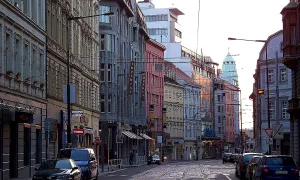
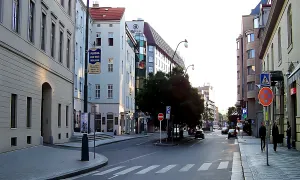
Real photos taken near the monument


Zdroj a licence jsou uvedeny u každého snímku.
Tips from visitors
No tips yet. Be the first!
Log in and add your tip.
Sources and literature
Photos: Juandev / CC BY-SA 4.0 — Wikimedia Commons. The author and licence also appear when you hover over the image.
Faktickým podkladem tohoto textu byl článek na Wikipedii, jehož autory jsou přispěvatelé Wikipedie. Článek je dostupný pod licencí CC BY-SA 4.0.
Location on the map
More monuments – Nové Město
Show all in the municipality


Příběhy a pověsti
Legendy, pověsti a příběhy spjaté s touto památkou

Fotografie návštěvníků
Zatím žádné fotografie. Buďte první, kdo přidá fotografii z návštěvy!
Log in a přidejte svou fotografii nebo hodnoťte.
Za ověřenou návštěvu v aplikaci získáte víc bodů — poznáme podle GPS, že jste na místě.
Reviews and comments