



Palác Žofín Palace
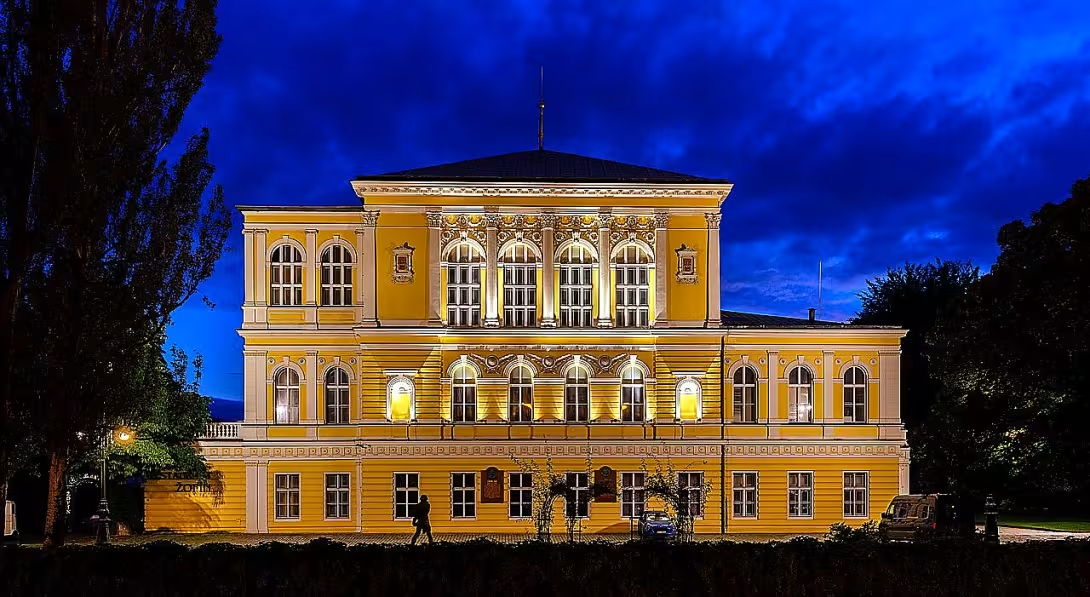
Palác Žofín stands as a prominent Neo-Renaissance building in Prague's New Town, located on Slovanský ostrov or Slavonic Island within the Vltava River. This cultural hub has been significant since its opening in 1837, serving as a venue for concerts, balls, conferences, and exhibitions. Its historical importance is underscored by events such as the Prague Slavic Congress of 1848 and its current role as the annual site for Forum 2000.
The origins of Palác Žofín trace back to the 18th century when the island in the Vltava River was formed and later protected from floods with a wall and trees. In the early 19th century, Václav Novotný, a miller, acquired what was then Barvířský ostrov (Dyer's Island) and commissioned the construction of a Neo-Renaissance building between 1836 and 1837. Named after Princess Sophie, mother of Austrian Emperor Franz Joseph I, the original single-storey structure featured a concert hall and social hall, inaugurated with a ball in 1837.
Architecturally, Palác Žofín has undergone significant transformations. Initially serving as a spa and inn in 1817, it was converted into a family home by Novotný, who added a grand restaurant designed by Carl Pollak. The building's most notable transformation occurred in 1885 when the City of Prague purchased the island and commissioned Jindřich Fialka to reconstruct the palace into its current Neo-Renaissance form. This renovation included both exterior and interior enhancements completed between 1991 and 1994.
Ownership of Palác Žofín has seen notable transitions, beginning with Václav Antonín Novotný in the 1830s and later passing to the City of Prague in 1884. These changes reflect broader historical shifts within Bohemia during the mid-19th century, a period marked by rising nationalistic movements among Slavic peoples. The palace's role as a cultural and political hub was exemplified by the pivotal Slavic Congress of 1848, presided over by František Palacký.
Palác Žofín has been the site of numerous key events and performances that have contributed to its historical significance. Antonín Dvořák held his first concert here in 1878, and it later hosted renowned composers such as Berlioz, Liszt, Tchaikovsky, and Wagner. The palace is also celebrated for the premiere of Bedřich Smetana's "Má vlast," a set of six symphonic poems, performed entirely on November 5, 1882.
Today, Palác Žofín remains an accessible cultural landmark in Prague, continuing to host significant events and performances. Its historical architecture and rich legacy make it a must-visit site for those interested in the cultural history of Prague. Visitors are invited to explore this iconic palace, where they can experience its blend of architectural beauty and historical resonance.
Then and now
Drag the slider to compare how the landmark may have looked when it was built with the view today.
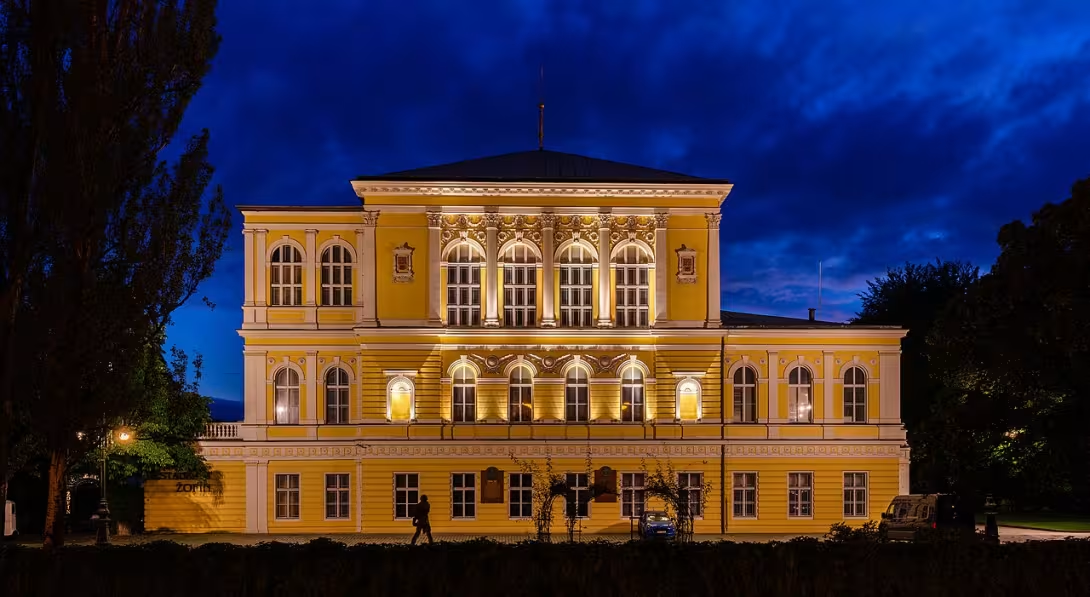
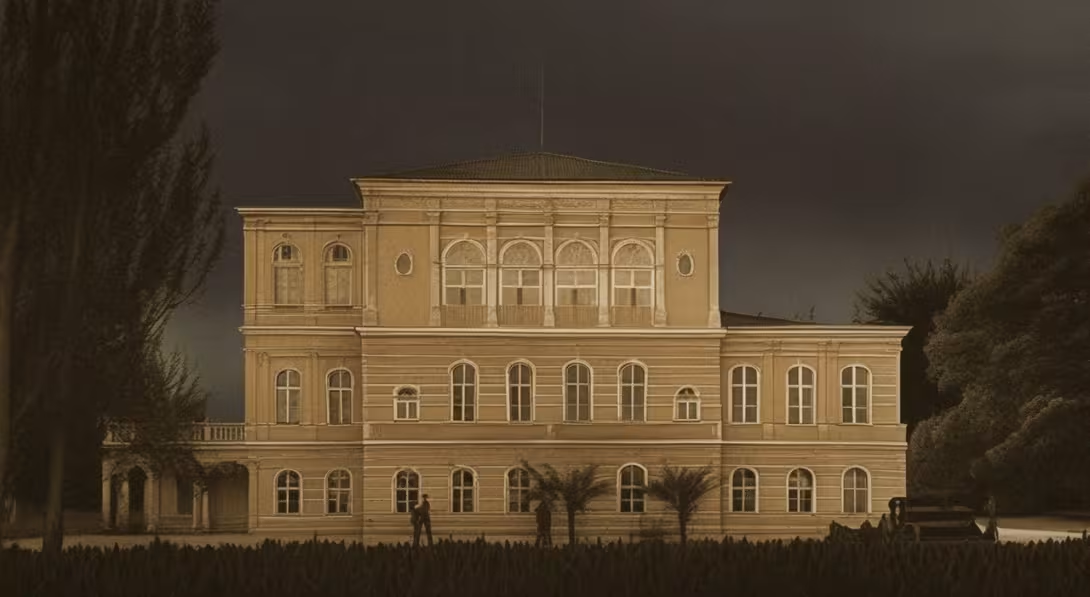
The historical appearance on the left is an AI-generated visualisation and serves as inspiration only.
Historical milestones
- 1817
- The palace served as a spa and inn.
- 1836
- Václav Novotný began the construction of the palace.
- 1837
- The palace was opened with its original single-story structure.
- 1848
- The Prague Slavic Congress conference took place in the palace.
- 1884
- The city of Prague purchased the island and the palace.
- 1885
- The palace was rebuilt into its current neo-Renaissance style.
Architectural development
Palác Žofín underwent significant architectural transformations. Initially a spa and inn, it became a family home in 1830 with a new restaurant designed by Carl Pollak. The building was later reconstructed into its neorenaissance form in 1885 under the direction of Jindřich Fialka, reflecting changes in style and function.
Historical events
- 1848
- The Slavic Congress, presided over by František Palacký, took place at the palace.
- 1885
- Complete reconstruction of the building into its current neorenaissance style was completed under Jindřich Fialka.
Points of interest
- Palác Žofín was originally known as Barvířský ostrov or Dyer's Island before it became the cultural landmark we know today, reflecting its transformation from a simple island to an architectural masterpiece. - The palace underwent a significant architectural transformation in 1885 when Jindřich Fialka redesigned it into its current Neo-Renaissance style, showcasing the evolving tastes and technological advancements of the era.
- In addition to hosting concerts by famous composers like Berlioz and Wagner, Palác Žofín is particularly celebrated for the premiere of Bedřich Smetana's "Má vlast" on November 5, 1882, marking a significant moment in Czech national music history.
- The building served as a spa and inn before being converted into a family home by Václav Novotný, who later added a grand restaurant designed by Carl Pollak, highlighting its multifaceted use throughout history.
- Palác Žofín's role as the site for the pivotal Prague Slavic Congress of 1848 underscores its importance in the political and cultural movements among Slavic peoples during the mid-19th century.
Guide
This guide is narrated by a synthetic voice generated by artificial intelligence.
Show guide text
This text was created by artificial intelligence and has not been editorially reviewed. It may contain inaccuracies.
Welcome to the historic Palác Žofín in Prague's vibrant heart, nestled on Slovanský ostrov. As you stand here, imagine yourself stepping into a rich tapestry of history and culture that has unfolded over centuries. The grandeur of this neorenaissance building from 1885 greets you with its elegant façade, inviting you to explore the stories etched within its walls.
The origins of Palác Žofín trace back to 1817 when it first served as a spa and inn. This island, originally known as Barvířský ostrov or Dyer's Island, was transformed into a cultural beacon under the guidance of Václav Antonín Novotný, who began its construction in 1836. By 1837, the palace opened with a single-story structure, marking the start of its journey as a social and cultural hub.
As you look around, take note of the neorenaissance architectural style that defines Palác Žofín today. The transformation completed in 1885 by architects Carl Pollak and Jindřich Fialka reshaped this landmark into the grand edifice before you. Its elegant lines and stately presence reflect a period when Prague was embracing new cultural horizons.
Palác Žofín has been host to many pivotal events, including the influential Slavic Congress of 1848. This congress brought together key figures like František Palacký, highlighting the palace's role as a center for intellectual and political discourse. Over time, it evolved into a beloved venue for concerts, balls, and conferences, cementing its place in Prague's cultural landscape.
One fascinating aspect of this historical site is its transformation from a simple island to an architectural masterpiece. The city of Prague acquired the island and palace in 1884, setting the stage for its rebirth as we see today—a testament to its enduring legacy.
As you continue your exploration, feel free to immerse yourself in the atmosphere that has captivated visitors for generations. Each corner holds a piece of history waiting to be discovered. Thank you for joining us on this journey through time at Palác Žofín. We invite you to delve deeper into its stories and perhaps uncover more hidden gems within Prague's rich heritage.
Until next time, enjoy your exploration!
Frequently asked questions
Can the monument be visited?
Some buildings of this kind are open for guided tours, others serve another purpose or are privately owned. We have not verified whether and when this monument is open – please ask the operator.
What are the opening hours and admission?
We have not verified the opening hours or admission. Current information is published by the operator. Official website: http://www.zofin.cz/en/palac-zofin/
Where is the monument?
Location: Slovanský ostrov 226/8, Nové Město, Praha, Hlavní město Praha. The map on this page shows the exact spot.
Why is the monument protected?
It is listed in the Central List of Cultural Monuments of the Czech Republic as a cultural monument (register no. 39906/1-1103).
Businesses nearby
Do you run a restaurant, accommodation, shop, museum, rental, wellness or other visitor service near this monument? Show yourself directly to the people heading to it — this is how they will see you in the app and on the web:
Events nearby

Zdroj akcí: otevřená data měst a obcí ČR (Národní katalog otevřených dat) a kalendář akcí Národního památkového ústavu.
Nearby
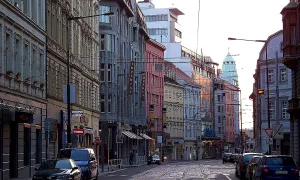
Palác Žofín is situated on Slovanský ostrov near Masarykovo nábřeží, with Vltava River to its south. The area has undergone significant urban development over time.
Accommodation nearby
Trips and activities nearby
Guided tours, tickets and activities nearby from GetYourGuide
Affiliate link: if you buy from the partner, we may receive a commission. The price for you does not change.
Search tours and activities →Themed route
Thematic Walking Tour: Discovering the Heart of Prague's Slovanský Ostrov
1. Palác Žofín (Palace) - Type: Historical Building - Why Visit: Palác Žofín, located on Slovanský ostrov near Masarykovo nábřeží, is a stunning example of Neo-Renaissance architecture with a rich history dating back to the 19th century. Originally built as a casino and concert hall, it now hosts cultural events and exhibitions. Its elegant facade and beautiful interior make it an essential stop for anyone interested in Prague's architectural heritage.
2. Slovanský ostrov (Slovak Island) - Type: Urban Park - Why Visit: Just south of Palác Žofín, Slovanský ostrov offers a serene escape with its lush greenery and scenic views along the Vltava River. This urban park is perfect for leisurely strolls or picnics while enjoying the blend of nature and cityscape. It's an ideal spot to relax after exploring the palace.
3. Masarykovo nábřeží (Masaryk Embankment) - Type: Riverfront Promenade - Why Visit: A short walk from Slovanský ostrov, Masarykovo nábřeží provides a picturesque setting along the Vltava River. This promenade is perfect for enjoying panoramic views of Prague's historic architecture and offers a peaceful spot to reflect on the city's vibrant history. It's an excellent place to end your tour with a moment of tranquility by the water.
This walking tour highlights key attractions in the immediate vicinity of Palác Žofín, offering insights into both its historical significance and the charming urban environment surrounding it.
Seasonal recommendations
Spring: Visiting Palác Žofín during spring offers a refreshing experience as the city of Prague awakens with vibrant colors and blooming flowers. The natural light is softer, casting a gentle glow over the historic architecture, enhancing its elegance. This season brings fewer crowds compared to summer, making it ideal for leisurely exploration. Visitors are advised to wear layers due to fluctuating temperatures, ranging from mild days to cooler evenings. Early mornings or late afternoons provide optimal lighting conditions for photography and enjoying the serene atmosphere.
Summer: Summer at Palác Žofín is characterized by long daylight hours and warm weather, ideal for exploring Prague's cultural offerings. The lush greenery surrounding the palace adds a lively backdrop to its classical architecture. However, this peak tourist season means larger crowds, so arriving early in the day can help avoid congestion. Comfortable walking shoes and light clothing are recommended due to the heat. While the palace remains open later into the evening, taking advantage of cooler temperatures after sunset is advisable for a more pleasant visit.
Autumn: Autumn transforms Palác Žofín with its rich tapestry of reds, oranges, and yellows, creating a picturesque setting against the historic backdrop. The crisp air and milder crowds make this season perfect for enjoying outdoor activities and cultural events in Prague. Visitors should dress warmly in layers to accommodate the cooler temperatures and occasional rain showers. Late afternoon visits are particularly enchanting as the golden hour light enhances the beauty of both nature and architecture.
Winter: Winter at Palác Žofín offers a unique charm with snow-dusted surroundings and festive decorations that add to its historic allure. The palace is often illuminated, creating a magical atmosphere against the wintry Prague skyline. This season sees fewer tourists, allowing for a more intimate experience of the site. Visitors should dress warmly in heavy coats, hats, gloves, and boots due to cold temperatures and potential snowfall.
Visualizations and artistic views


The visualisations are generated by artificial intelligence and serve as inspiration.
Photos from the area
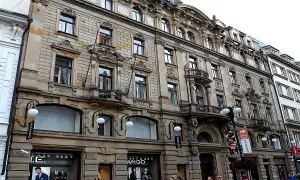
Real photos taken near the monument


Zdroj a licence jsou uvedeny u každého snímku.
Tips from visitors
No tips yet. Be the first!
Log in and add your tip.
Sources and literature
Photos: Diego Delso / CC BY-SA 4.0 — Wikimedia Commons. The author and licence also appear when you hover over the image.
Faktickým podkladem tohoto textu byl článek na Wikipedii, jehož autory jsou přispěvatelé Wikipedie. Článek je dostupný pod licencí CC BY-SA 4.0.
Location on the map
More monuments – Nové Město
Show all in the municipality


Příběhy a pověsti
Legendy, pověsti a příběhy spjaté s touto památkou

Fotografie návštěvníků
Zatím žádné fotografie. Buďte první, kdo přidá fotografii z návštěvy!
Log in a přidejte svou fotografii nebo hodnoťte.
Za ověřenou návštěvu v aplikaci získáte víc bodů — poznáme podle GPS, že jste na místě.
Reviews and comments