






Památník a hrob obětí důlní katastrofy v roce 1924 Memorial
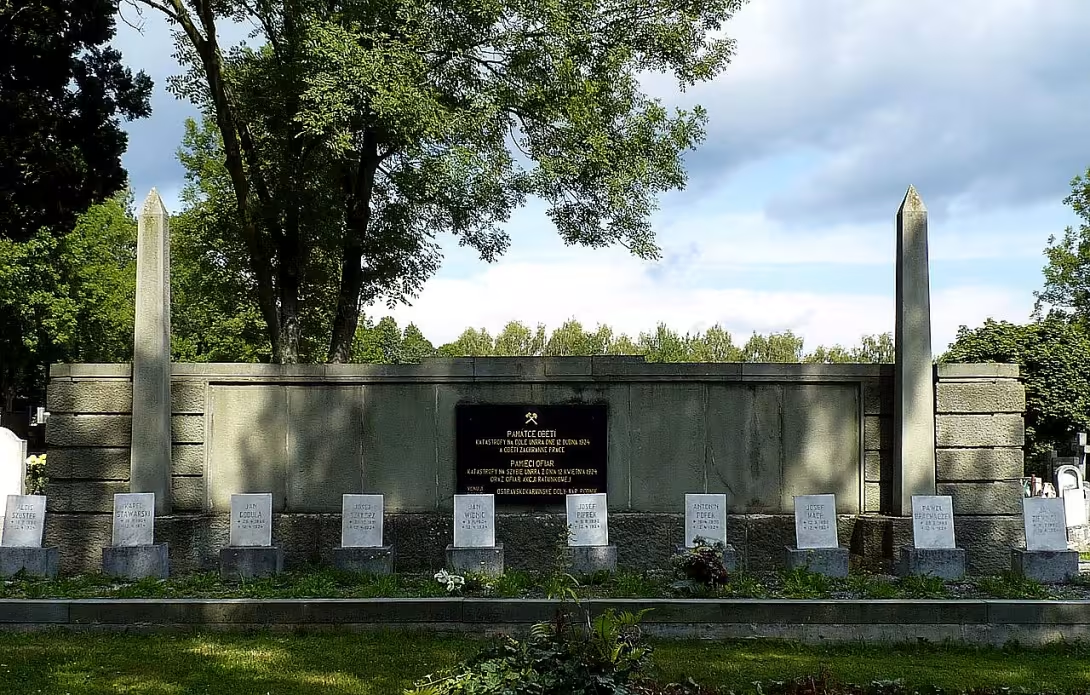
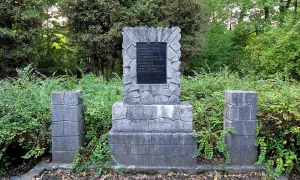
The landmark and grave of the mining disaster victims from 1924 is a cultural monument located in a cemetery in the Karviné- mines, opposite the church of St. Peter of Alkantara. This monument resembles the tragedy that took place on April 12, 1924 at Gabriel's mine, when the fire led to the explosion and death of 15 miners. The monument symbolizes the period of industrialization and development of coal mining in Czechoslovakia after the First World War.
On April 11, 1924, a fire broke out at Gabriel's mine in an compound of 29 Eastern fields, which was destroyed by the closure of the affected area. On the next day, the situation changed dramatically when an explosion occurred that killed 15 miners working to strengthen the fire levees. On 13 April, there was another explosion which reached the surface, leading to the closure of all yams. The repairs lasted several months, with the level of pre-accident extraction not until 1927.
In 1947 there was a fundamental change when the mine was renamed the mine UNRRA. In memory of this tragedy, a memorial was built as a permanent reminder of the victims of the disaster and their rescue work.
The memorial is designed as a piety site with a framed grave. Its central element is a monument consisting of a wall of Godulan sandstone, on which is placed the inscription plate of black marble. Pylons are located on the sides of the wall. The inscription in Czech and Polish reads: "PAMATICE OBČÍTÍK / KATASTROFY NA DOLE UNRRA ON 12 APRIBNA 1924 / AND THE CIVIL OF SAFEGUARD / PENALTIES: THE STRAVSKOCARVIN DOLLS OF THE INSTALLATION '. There are twelve commemorative plates of artificial stone placed in front of the monument, bearing the names of the victims.
Today, the memorial and the grave are open to the public. It is a place where visitors can remember a tragedy that happened more than a hundred years ago and appreciate the courage of those who worked in the industrial environment at that time. Visiting this monument is an opportunity to explore an important part of local history and understand the importance of coal mining for the region.
Historical milestones
- 1924
- The fire and the ensuing explosion at Gabriel's mine led to the deaths of 15 miners.
- 1927
- Doly has reached pre-accident levels after repairs lasting several months.
- 1947
- The mine was renamed UNRRA mine.
Historical events
- 1924
- On April 11th, a fire broke out at Gabriel's mine.
- 1924
- On 12 April there was an explosion that killed 15 miners.
- 1947
- The mine was renamed the mine UNRRA and built a memorial.
Points of interest
- The landmark and grave of the mining disaster victims of 1924 is a cultural monument located in a cemetery in the Karviné- mines, opposite the church of St. Peter of Alkantara. - This monument resembles the tragedy that took place on April 12, 1924 at Gabriel's mine, when the fire led to the explosion and death of 15 miners. - The monument symbolizes the period of industrialisation and development of coal mining in Czechoslovakia after World War I. - In 1947 there was a fundamental change when the mine was renamed the mine UNRRA. - The monument is designed as a piety place with a framed grave and inscription in Czech and Polish, which reminds of the victims of the disaster and their rescue work.
Guide
Show guide text
This text was created by artificial intelligence and has not been editorially reviewed. It may contain inaccuracies.
Welcome. You are standing in a place where time has stopped and where the silence of the cemetery meets the difficult history of human effort and tragedy. You have just arrived at a monument and graves that are not just stone and soil, but a living witness to events that have deeply left a mark in the hearts of the people and in the very soil of this place. Feel this moment. Feel the calm that exists here and pay attention to the surroundings. You are in the Karviné- mines, the cemetery that surrounds this place of memories. If you raise your eyes, you'll see the church of St. Peter of Alkantara. This closeness to the sacred place and to the place of rest reminds us of how closely faith, work and death are linked in this region.
Now look straight ahead at this monument. Even though it's quiet here, in his presence, you feel the weight of the events we need to talk about. This monument and grave serves as a constant reminder of the tragedy that took place in the depths of the earth, far beneath your feet. It's a place that tells the story of courage, the danger that people faced, and the sudden loss that has hit this whole area. This monument is now a recognized cultural monument of the Czech Republic, which means that its importance exceeds just a local dimension. It's part of our common heritage that we have a duty to preserve for future generations.
Let us now return to the past, to 1924. Imagine that day, April 12th. In Karviné, working in the mine was an essential part of life. People here sought livelihood, built their future, and their lives were inseparably linked to the rhythm of mining. But something happened at Gabrielle's mine that no one could have predicted. There was a fire in the darkness beneath the surface. A fire that was not controlled spread relentlessly and led to a devastating event - an explosion. In one moment, everything changed. The explosion took 15 men's lives. Pieces of miners, fathers, sons and friends never returned home. A dozen families were left at that moment filled with pain and empty seats at the table. This monument stands here precisely so that their names and their fates do not disappear in the dust of time. So that we don't forget that every meter of coal was purchased at this high price.
Now pay attention to how this place has changed over the years. History is not only about tragedies, but about people's ability to rise again. The disaster in 1924 followed a period of hard work and repairs. It must have been several months before the damaged parts were repaired and the mining was returned to the original level. In 1927 the mine worked again fully, as if nothing had happened, and people returned to their depths to continue the work that was so important to the region. This resistance of miners and their community is part of the story that radiates this place.
Time passed, and with it changes in political and social order. There was another significant change in 1947 when the mine was renamed according to the then international organisation which provided aid and recovery after the war. Although the name was changing at the bottom, its essence remained the same - it was work, sweat and constant struggle with natural forces beneath the surface of the earth.
Feel the atmosphere of this place now. Even if you don't see complex statues or tall towers, feel the simplicity and the seriousness. This monument is not built on grandeur, but on honesty. It's a place where one can stop and think about the fragility of life. Notice how this monument worked in the surrounding environment of the cemetery. It's part of this peaceful space where people who once worked hard and tirelessly rest.
Perhaps you are now being told what is the true power of this place? It's the invisible link between the past and the present. You, the man from the modern world, are standing here, yet you feel the echo of the April 1924 event. It's the secret of history that teaches us humility. Every stone and every engraved word here reminds us that history is not only about data in textbooks, but about living people who had their dreams, their fears and their loved ones.
Now I want to invite you to continue your walk around this cemetery. Explore other parts of this place, look at the surrounding tombstones and feel the calm that exists here. This monument will continue to stand here as a silent guardian of the memory of 15 men and as a reminder of all that has passed through these streets. Thank you for paying attention to this place and for stopping by this historic monument with us. We wish you a peaceful and inspiring further journey along Karviné. Goodbye.
Tips for visitors
The best time to visit the monument and grave victims of the mining disaster in 1924 is an early spring or late autumn day. These periods offer a quieter atmosphere and pleasant temperatures, allowing a relaxed walk and a reflective visit to the memorable place. Today's light is also ideal for photography because the sun is not too high in the sky.
Parking and transport: The monument is available both by car and public transport. For parking you can find places near the cemetery in Karviné- Mines. If you are using public transport, we recommend checking current connections with a search engine or mobile application for traffic information.
What to take with you: It is recommended to bring your handkerchief and sunglasses if you are planning to photograph. You can also consider buying commemorative souvenirs or books about the history of the mine in a local museum or bookstore. Don't forget the drinking water bottle, especially in warmer months.
Photography: The best places for photos are from the cemetery towards St. Peter's Church of Alkantara. Morning and evening hours offer the best changed light, which highlights the historical character of the monument. Make sure you wear a high-quality camera or a mobile phone with a good camera.
What to visit in the surroundings: In the basic 30 minutes from the monument you can visit the church of St. Peter of Alkantara, located directly opposite the cemetery. This historic building offers beautiful interiors and is suitable for families with children who can enjoy a quiet moment in a quiet atmosphere.
Businesses nearby
Do you run a restaurant, accommodation, shop, museum, rental, wellness or other visitor service near this monument? Show yourself directly to the people heading to it — this is how they will see you in the app and on the web:
Nearby
Památník se nachází na hřbitově v Karviné-Dolech, naproti kostelu svatého Petra z Alkantary.
Accommodation nearby
Themed route
Thematic cruise route for village Doly
1. Memorial and tomb of the victims of the 1924 mine disaster (memorial) - Type: Memorial - Why is it worth visiting: This monument is an important historical monument that remembers the tragedy of 1924 and worships the victims of the mine disaster. It's a place for reflection on the past and understanding the history of mining in this location.
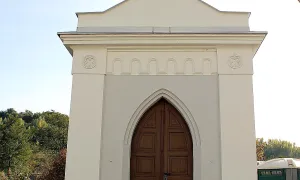
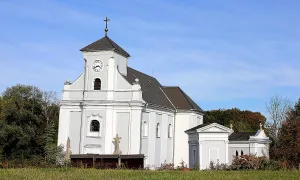
2. St. Peter's Church of Alkantara - Type: Religious object - Why is it worth a visit: The church, which is located opposite the monument at the cemetery in Karviné- Dolech, is an architectural pearl of this area. Its history and artistic value attract visitors interested in Baroque construction and its spiritual importance.
3. Cemetery Karviné- Doly - Type: Cemetery - Why is it worth visiting: In addition to the monument, the cemetery is a suitable place for understanding the historical contexts of the village. It is a place that offers peace and the opportunity to dive into the past, with several other monuments and monuments.
4. Neighborhood streets and houses in Karviné- mines - Type: Historical area - Why is it worth a visit: Walk on the streets of the village offers an opportunity to explore architectural elements and the history of local life. These streets and houses testify to the history of the mining industry in the region and its impact on the community.
This route offers visitors the opportunity to explore historical and cultural aspects of the village Doly, focusing mainly on monuments associated with the mining disaster of 1924.
Seasonal recommendations
Spring: In spring, the monument and grave of the victims of the mining disaster in 1924 is transformed into a place with warm sunlight and newly grown greenery. Flowers and trees are beginning to bloom, which gives the atmosphere of peace and renewal. Visit this historic lady at noon, when the sun illuminates the monument most beautifully. It is advisable to dress up with warm clothes with umbrella in preparation for suddenly changing weather. Visit this place in between when the crowds are usually lower.
Summer: In summer the atmosphere around the monument and the grave is full of warmth and sunlight. Days are long and pleasant, which creates ideal conditions for visiting. Due to the main summer season, it is recommended to visit this historic hostess early in the morning or late in the afternoon to avoid large crowds of tourists. Put on light clothes and bring water to handle the warm weather.
Autumn: In autumn, the surrounding area of the monument and grave of the victims of the mine disaster is decorated with colorful tree leaves. The sunlight looks darker, which adds a melancholy atmosphere instead. This is the perfect time for a visit when the crowd shrinks and the lady has a quieter tone. Put on your layered clothes and bring an umbrella for any rain.
Winter: In winter, the atmosphere around the monument and the grave is cold but often calm due to falling temperatures. Sunlight turns paler, creating unique lighting of the monument. Visit this place in between or at noon when the sun is in the highest place and the long rays are lit. Wear warm clothes with leather gloves and shoes that protect against cold. The days are shorter, so make sure you have enough time to explore this historic place.
Visualizations and artistic views

The visualisations are generated by artificial intelligence and serve as inspiration.
Photos from the area
Real photos taken near the monument


Zdroj a licence jsou uvedeny u každého snímku.
Tips from visitors
No tips yet. Be the first!
Log in and add your tip.
Sources and literature
Photos: Michal Klajban / CC BY-SA 3.0 — Wikimedia Commons. The author and licence also appear when you hover over the image.
Faktickým podkladem tohoto textu byl článek na Wikipedii, jehož autory jsou přispěvatelé Wikipedie. Článek je dostupný pod licencí CC BY-SA 4.0.
Location on the map
Příběhy a pověsti
Legendy, pověsti a příběhy spjaté s touto památkou

Fotografie návštěvníků
Zatím žádné fotografie. Buďte první, kdo přidá fotografii z návštěvy!
Log in a přidejte svou fotografii nebo hodnoťte.
Za ověřenou návštěvu v aplikaci získáte víc bodů — poznáme podle GPS, že jste na místě.
Reviews and comments