






Pamětní kámen (Opatovice, 1000127552) Monument
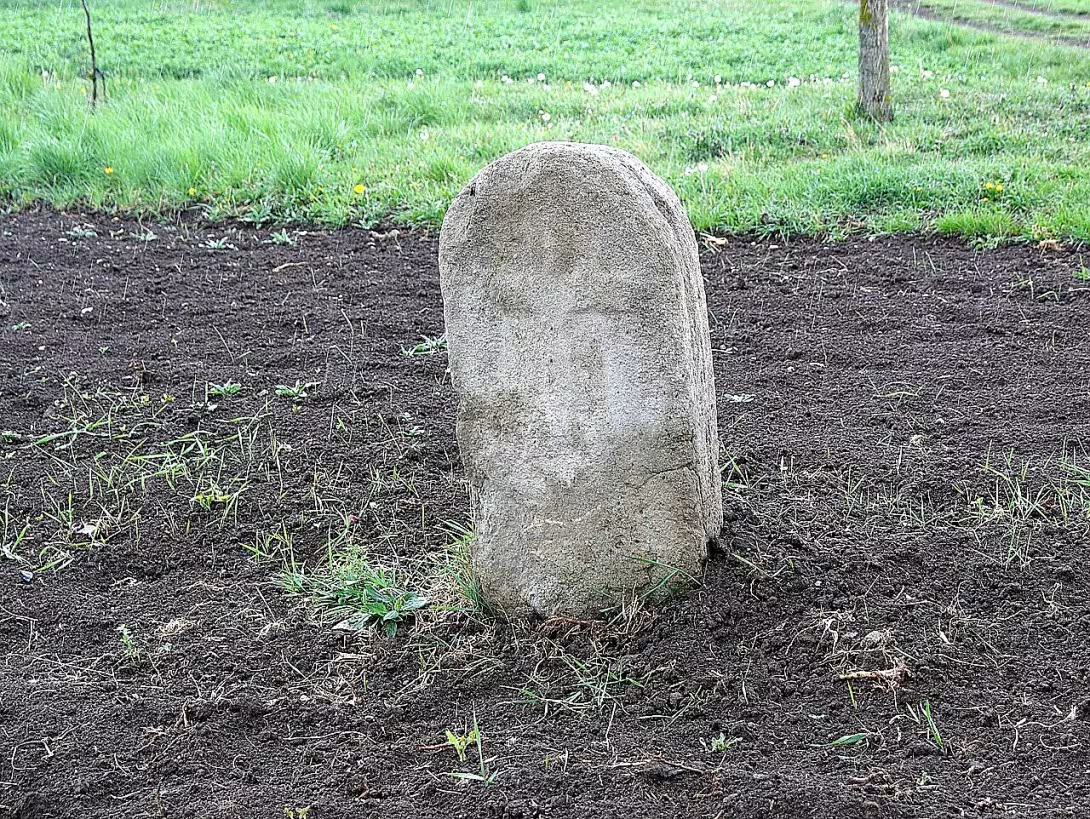
The Pamětní kámen in Opatovice is a historical monument situated west of the village, within Na topole locality in the Brno-venkov district. Dating back to around 1650, this memorial stone commemorates a dramatic duel involving three officers who died over an unfaithful woman, described as a local beauty. The site is protected as a cultural monument of the Czech Republic due to its historical significance and unique narrative.
Originating in the mid-17th century, during significant social and military changes following the Thirty Years' War, the Habsburg lands were transforming with shifting allegiances and evolving societal norms. The monument marks where three officers engaged in a fatal duel over an unfaithful woman, highlighting themes of honor and rivalry prevalent at the time.
Architecturally, the Pamětní kámen is a simple stone slab with a rounded top, measuring 60 × 46 × 20 cm. Its front features a carved cross relief, while the back bears an inscription that has become illegible over time. This modest design reflects its purpose as a somber reminder of the duel and its tragic outcome.
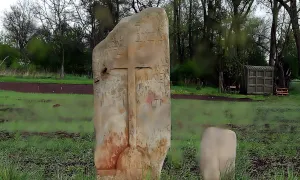
Local legends enrich the historical narrative surrounding the Pamětní kámen. According to these tales, the officers fought for the affections of a woman considered a local beauty, whose infidelity sparked their deadly confrontation. This story adds intrigue and human drama to the monument's history. Another memorial stone stands approximately 150 meters southwest, while a third has not survived, suggesting this site was once part of a larger commemorative landscape.
Today, the Pamětní kámen remains accessible in its field setting, offering visitors a tangible connection to a poignant chapter of local history. Its preservation as a cultural monument underscores its importance and ensures future generations can appreciate its historical significance. Visitors are invited to explore this site, reflecting on themes of honor, rivalry, and memory that continue to resonate through time.
Historical milestones
- 1650
- Construction of the Pamětní kámen in Opatovice.
- kolem 1648-1651
- End of the Thirty Years' War, influencing societal norms and allegiances.
Architectural development
The monument is a simple stone slab with a rounded top. It features a carved cross relief on the front face and an inscription on the reverse side that is no longer legible.
Historical events
Around 1650, the stone was erected to mark the site of a fatal duel involving three officers.
Points of interest
- The Pamětní kámen in Opatovice is a historical monument commemorating a dramatic duel involving three officers over an unfaithful woman. - Dating back to around 1650, the site marks where these officers engaged in a fatal confrontation due to themes of honor and rivalry prevalent at that time. - Architecturally, it is a simple stone slab with a rounded top, featuring a carved cross relief on its front and an illegible inscription on the back. - Local legends suggest the duel was sparked by the affections of a woman considered a local beauty, adding intrigue to the monument's history. - The site remains accessible today as a cultural monument, offering visitors a connection to this poignant chapter of local history.
Guide
Show guide text
This text was created by artificial intelligence and has not been editorially reviewed. It may contain inaccuracies.
Welcome to this quiet corner of the landscape. As you stand here, take a moment to breathe in the open air and look around you. You have stepped away from the bustle of daily life and found yourself in the fields west of the village of Opatovice. Right there, before you, stands the Pamětní kámen. At first glance, it may seem like a simple, solitary presence in the greenery, but this stone is far more than a mere marker in the soil. It is a silent witness to a tragedy of passion and pride, a piece of history that has endured for centuries, protected today as a cultural monument of the Czech Republic.
As you look at the monument, let your mind travel back in time, nearly four hundred years. We are stepping back to around the year 1650. To understand why this stone exists, we must consider the world as it was then. The European continent had just emerged from the devastation of the Thirty Years' War, a conflict that had raged from 1618 to 1648. This was a period of unimaginable upheaval, where borders shifted, cities were razed, and the social fabric of society was torn apart. By 1650, the smoke of battle was beginning to clear, but the mentality of the era remained. The men of that time, especially the military officers, lived by a rigid and often dangerous code of honor. In their world, a slight to one's reputation or a betrayal of trust was not something to be settled with words or laws, but with steel.
Now, please turn your attention to the physical form of the monument itself. Notice the shape of the Pamětní kámen. It is a stone slab, characterized by its rounded top. There are no grand sculptures here, no towering spires or ornate carvings to distract you. Instead, there is a stark, honest simplicity. I invite you to observe the way the stone sits within the earth, weathered by centuries of rain, wind, and snow. This simplicity is intentional. The stone does not seek to glorify the men who fell here; rather, it serves as a permanent marker of a specific spot where life ended abruptly. As you examine the surface and the silhouette of the slab, consider how this modest piece of architecture has managed to survive the passage of time while the people it commemorates have long since faded into the mists of history.
The story etched into the memory of this place is one of dramatic rivalry and fatal jealousy. Imagine this field not as the peaceful meadow you see now, but as a scene of high tension. The records tell us of three officers who found themselves locked in a deadly triangle of affection and betrayal. At the center of their conflict was a woman, described in local lore as a beauty of the area. In the eyes of these men, she was a prize to be won, but her heart was unfaithful, or perhaps she played upon their rivalries, leading to a situation that could only end in violence.
In the mid-17th century, the concept of honor was paramount. For an officer, his reputation was his most valuable possession. When the conflict over this woman reached a breaking point, these three men did not seek reconciliation. Instead, they met here, in this very field, to settle their dispute through a duel. It was a confrontation driven by passion and a desperate need to reclaim a sense of pride. However, this duel did not result in a single victor. In a tragic turn of events, all three officers lost their lives in the fighting. They died here, side by side, victims of their own rivalry and the unforgiving codes of their profession.
There is a profound mystery that lingers around the Pamětní kámen. While we know the circumstances of the tragedy and the approximate date of the monument's creation, the identities of the three officers remain unknown. Their names have been lost to time, leaving us with a story of human emotion rather than a record of specific biographies. This anonymity adds a haunting layer to the site. It transforms the monument from a tribute to specific individuals into a universal symbol of the folly of pride and the destructive power of jealousy. Why were their names not preserved? Perhaps the community of Opatovice wanted the stone to serve as a warning to others rather than a memorial to the men themselves. The stone stands not to celebrate their bravery, but to mark the spot where three lives were wasted over a fleeting passion.
As you stand here in the silence, think about the contrast between the violence of that day in 1650 and the serenity of the fields surrounding you today. The grass has grown and withered thousands of times over the spot where those men fell. The village of Opatovice has evolved, and the world has changed beyond recognition, yet the Pamětní kámen remains. It is a grounding presence, reminding us that while human emotions like love, jealousy, and anger are timeless, the lives we lead are fragile.
Take one last look at the rounded top of the slab and the way it breaks the horizon of the field. Let the atmosphere of this place sink in. There is something deeply moving about a monument that remembers a tragedy without needing to name the victims. It asks us to reflect on our own lives and the things we value. Was the pride of those officers worth the price they paid? The stone does not answer, but its very existence provides the question.
Your visit to this specific site has come to an end, but the landscape around Opatovice still has much to offer. As you prepare to move on, I encourage you to keep this story in your mind. Let the image of the Pamětní kámen serve as a reminder of the complex intersection between honor and tragedy. Thank you for joining me on this brief journey into the past. Please feel free to linger a while longer in the quiet of the fields before you continue your exploration of the region. Safe travels on the rest of your journey.
Tips for visitors
The best time to visit the Pamětní kámen is during late spring or early autumn when the weather is mild, making it ideal for a pleasant walk through the fields surrounding the memorial stone. These seasons offer beautiful natural scenery and are less crowded compared to summer months, allowing you to enjoy the tranquility of the site. Additionally, visiting in these periods ensures that the light is soft and warm, perfect for photography.
Parking and transportation options near Opatovice include local roads where you can find parking spaces, though it's advisable to check availability as they may be limited during peak times. Public transport is also accessible; however, specific bus or tram lines should be verified through a travel search engine or local transit websites for the most current information.
When planning your visit, consider bringing comfortable walking shoes and weather-appropriate clothing, especially if you plan to explore the surrounding fields. A picnic basket with snacks can enhance your experience, allowing you to relax in nature. Don't forget to bring a camera or smartphone for capturing the serene landscape and the historical monument itself.
For photography enthusiasts, the best spots around the Pamětní kámen are those where the stone is framed by the natural backdrop of fields and trees. Early morning or late afternoon light provides the most flattering conditions, casting long shadows and offering a warm glow that enhances the texture and details of the memorial stone.
Nearby attractions within 30 minutes include other historical sites in the Brno-venkov district, which offer insights into the region's rich cultural heritage. Exploring these nearby locations can provide a broader understanding of the area’s history and complement your visit to the Pamětní kámen.
Businesses nearby
Do you run a restaurant, accommodation, shop, museum, rental, wellness or other visitor service near this monument? Show yourself directly to the people heading to it — this is how they will see you in the app and on the web:
Events nearby


Zdroj akcí: otevřená data měst a obcí ČR (Národní katalog otevřených dat) a kalendář akcí Národního památkového ústavu.
Nearby
The stone is situated in a field in the locality of Na topole, west of the village of Opatovice.
Accommodation nearby
Trips and activities nearby
Guided tours, tickets and activities nearby from GetYourGuide
Affiliate link: if you buy from the partner, we may receive a commission. The price for you does not change.
Search tours and activities →Themed route
Thematic Walking Tour in Opatovice
1. Pamětní kámen (Opatovice) *Type:* Historical monument *Why Visit:* This memorial stone, located in a field near Na topole west of the village, serves as a poignant reminder of local history and heritage. It offers visitors an opportunity to reflect on past events that have shaped the community.
2. Na topole Field *Type:* Open landscape *Why Visit:* The expansive fields around Na topole provide a serene environment for walking or picnicking, allowing you to appreciate the natural beauty and tranquility of Opatovice's countryside. It is an ideal spot for those who enjoy peaceful outdoor activities.
3. Village of Opatovice *Type:* Rural village *Why Visit:* A short walk from the memorial stone will bring you into the heart of Opatovice, where you can explore its charming streets and experience local life. The village offers a glimpse into traditional Czech rural living, with quaint architecture and friendly locals.
This tour provides an enriching exploration of Opatovice's historical and natural attractions, all within close proximity to each other for easy access.
Seasonal recommendations
Spring: Visiting the Památní kámen (Opatovice) during spring offers a refreshing atmosphere as nature awakens with vibrant colors and blooming flowers, creating an idyllic backdrop for exploring the monument. The gentle warmth of the sun enhances the experience, casting soft light that highlights intricate details on the stone surface. Visitors should dress in layers to accommodate fluctuating temperatures and consider bringing a hat or sunglasses for sunny days. It's advisable to arrive early when the site is less crowded, allowing ample time to appreciate the serene environment without interruptions.
Summer: Summer at Památní kámen (Opatovice) brings long daylight hours, perfect for leisurely exploration under the bright sun that accentuates the monument’s features. The lush greenery surrounding the site provides a picturesque setting, although visitors should be prepared for larger crowds during peak tourist season. To avoid the midday heat and throngs of people, it's best to visit in the morning or late afternoon. Comfortable walking shoes and light clothing are recommended, along with plenty of water to stay hydrated throughout your visit.
Autumn: The autumn months transform Památní kámen (Opatovice) into a stunning display of warm hues as leaves change color, offering a magical atmosphere for visitors. The cooler temperatures make it an ideal time for a leisurely stroll around the site without the discomfort of summer heat. As the days grow shorter, arriving early is recommended to take advantage of natural lighting before it fades. Layered clothing will help accommodate the crisp air, and carrying a light jacket or sweater can ensure comfort during your visit.
Winter: Winter at Památní kámen (Opatovice) presents a serene and quiet atmosphere as snow blankets the landscape, creating a picturesque setting that is both tranquil and enchanting. The monument may be less crowded, providing an intimate experience with fewer distractions. However, visitors should dress warmly in insulated clothing to combat the cold weather and consider bringing gloves and a hat for added protection against the elements. It's important to check opening hours as they might be reduced during this season, so planning your visit accordingly is advisable.
Visualizations and artistic views


The visualisations are generated by artificial intelligence and serve as inspiration.
Photos from the area
Real photos taken near the monument


Zdroj a licence jsou uvedeny u každého snímku.
Tips from visitors
No tips yet. Be the first!
Log in and add your tip.
Sources and literature
Fotografie: RomanM82 / CC BY-SA 3.0 — Wikimedia Commons. The author and licence also appear when you hover over the image.
Faktickým podkladem tohoto textu byl článek na Wikipedii, jehož autory jsou přispěvatelé Wikipedie. Článek je dostupný pod licencí CC BY-SA 4.0.
Location on the map


Příběhy a pověsti
Legendy, pověsti a příběhy spjaté s touto památkou

Fotografie návštěvníků
Zatím žádné fotografie. Buďte první, kdo přidá fotografii z návštěvy!
Přihlaste se a přidejte svou fotografii nebo hodnoťte.
Za ověřenou návštěvu v aplikaci získáte víc bodů — poznáme podle GPS, že jste na místě.
Reviews and comments