



park Edmunda Teyrovského Park
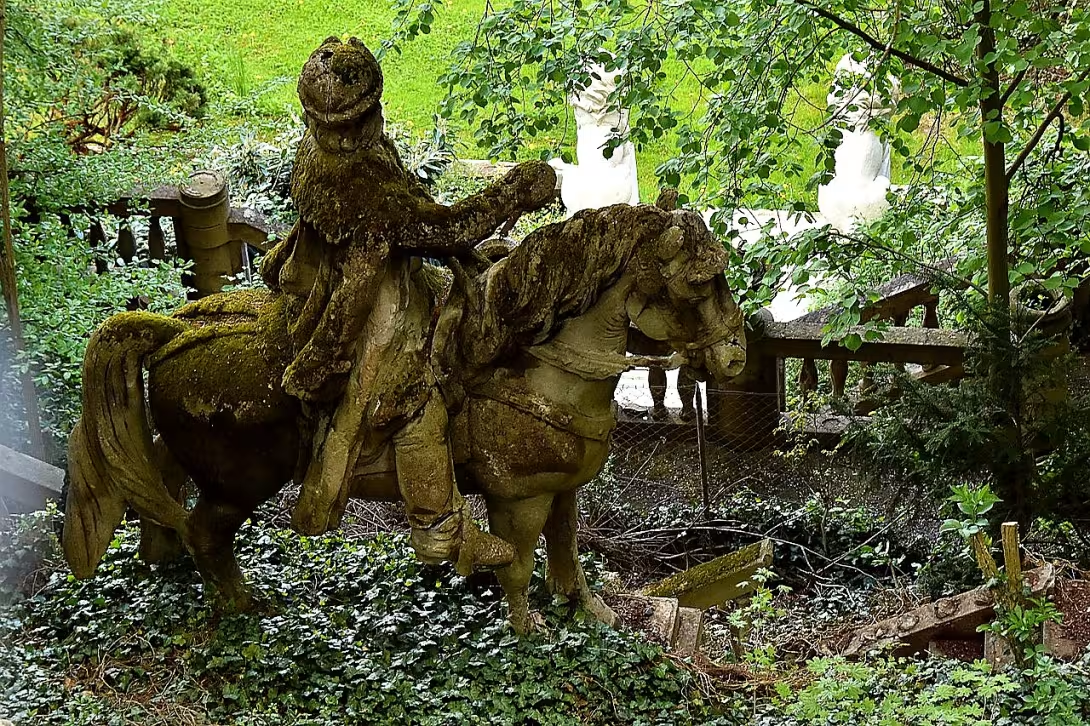
The park of Edmund Teyrovský in Vsenory is a historic place founded between 1926 and 1927 during the first Czechoslovak Republic. Architect Alois Dlabač designed it as a 'voluptuar' - a romantic garden for relaxation and landscaping. The park offers sculptures of important Czech characters, pavilions, staircases and decorative elements. Despite its decline as a result of neglect and vandalism over the decades, renewal efforts are ongoing.
The origin of Edmund Teyrovski Park returned to the period when Czechoslovakia experienced significant cultural development after World War I. At the beginning of the 20th century Vsenory became popular for building summer villas and enjoying nature. The park was built under engineer Edmund Teyrovský and architect Alois Dlabač from 1926 to 1927. It spreads approximately four hectares, with elements typical of a romantic garden which is designed to improve relaxation and aesthetics of the landscape.
Architectural park integrates nature with artistic elements. The Alois Dlabač construction included landscaping, small pavilions, staircases and decorative elements harmonised with the natural environment. Important architectural elements include sculptures representing significant Czech personalities such as Jan Žižka, Master Jan Hus and Jan Amos Komenský (although this statue was later lost). In addition, there are balustrations, stone inscriptions of spiritual and national importance, pavilions, altars and a small pond.
Owning changed dramatically in the 1950s when the Communist government seized it. This led to paralysis and sales, which led to deterioration. Once cohesive design fell apart because sculptures and buildings deteriorated or were destroyed due to neglect and inappropriate time manipulation.
Throughout his history, Park Edmund Teyrovsky witnessed several key events and curiosities. Originally a part of Lower Mokropsie before it became part of Všenory, the park was connected by a road between two divided municipalities under a newly built road (now Karl Mayer street). Edmund Teyrovský also built his own villa in the park, designed in the same style as the garden. In 2017, efforts to preserve the heritage of the park saw the relocation of the statue of St. Wenceslas stand before the church of St. Wenceslas in Vsenory.
The recovery efforts are currently being conducted by the "One Wine 'association established in 2018. While many elements remain hairy and some statues are buried under vegetation, volunteers are actively working to restore them. The historical importance of the park and its combination of natural beauty with cultural art makes it a useful visit for interested people in Czech history and landscape architecture.
Edmund Teyrovski Park stands as a testament to the first 20th century of cultural aspirations and architectural innovations. Its continued renewal efforts draw attention to the continued value of preserving these historical sites. Visitors are invited to explore this unique park where they can witness both its past grandeur and its promising future recovery.
Then and now
Drag the slider to compare how the landmark may have looked when it was built with the view today.
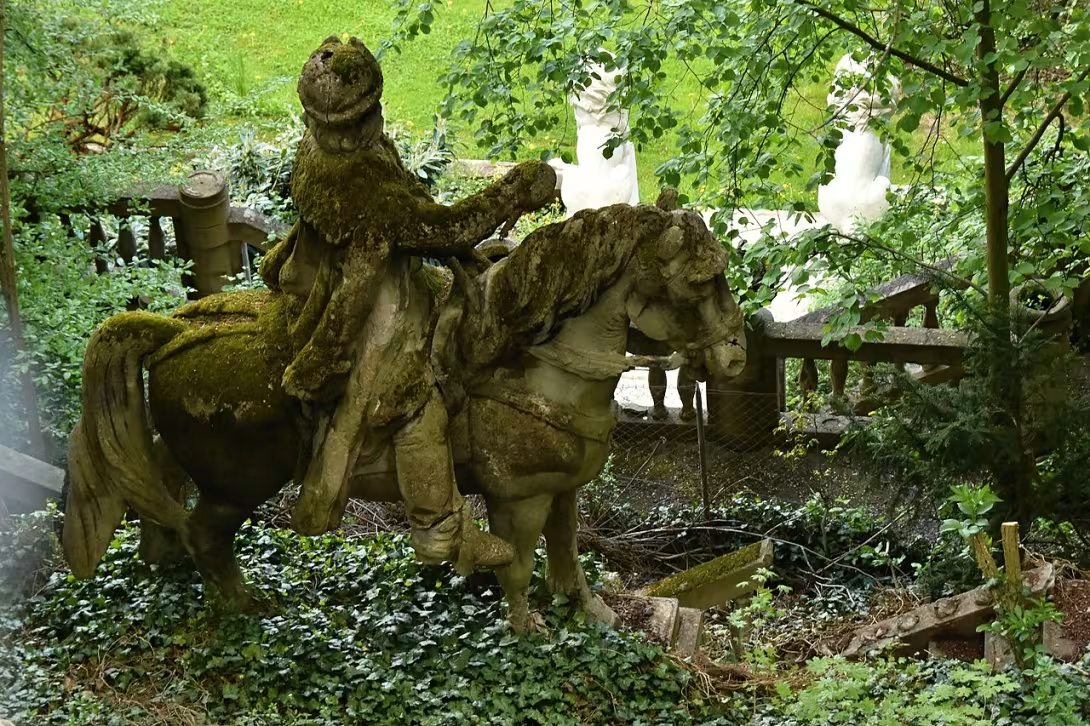
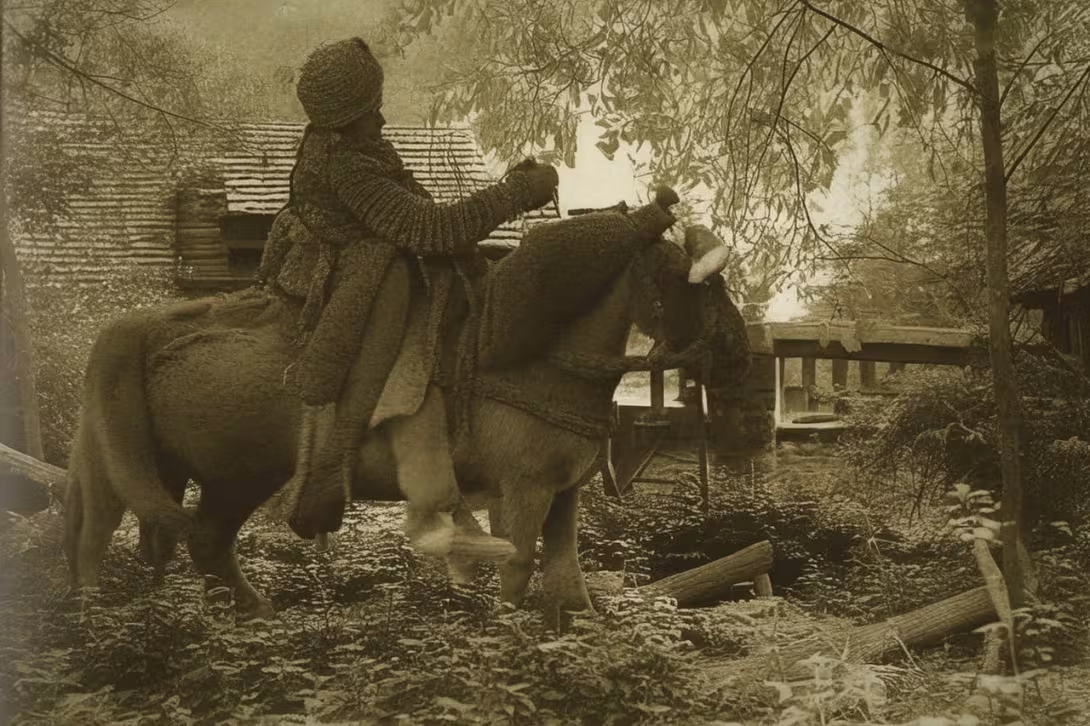
The historical appearance on the left is an AI-generated visualisation and serves as inspiration only.
Historical milestones
- 1926
- The foundation of Edmund Teyrovsky Park in the first Czechoslovak Republic.
- 1927
- Completion of park construction under the direction of engineer Edmund Teyrovski and architect Alois Dlabač.
- 1950
- The seizure of the park by the Communist government that leads to its paralysis and deterioration.
- 2017
- Relocation of the statue of St. Wenceslas in front of the church of St. Wenceslas in Vsenory.
- 2018
- The creation of a "One Wine" association for park renewal.
Architectural development
The park was designed as a romantic garden with various architectural elements including pavilions, staircases and decorative elements. She presented statues of prominent Czech personalities like Jan Žižka and Master Jan Hus. The construction was intended to improve the natural landscape while providing space for relaxation.
Historical events
1926-1927: Park built according to construction Alois Dlabač.
1950: Confiscation by the Communist government led to parking and sale.
Owners
Originally owned by Edmund Teyrovsky, the park was seized in the 1950s after the rise of the Communist regime to power. Then it fell and sold, which led to its decline.
Points of interest
- The park was initially part of Lower Mocropsia before it became associated with Vsenory, and was connected along a path between the two villages divided by a newly built path.
- Architect Alois Dlabač designed the park as a "Voluptuary," a romantic garden designed for relaxation and landscape beauty, including elements such as pavilions and staircases to mix with nature.
- Jan Amos Komenský's statue was originally part of the park collection, but since then it has been lost and emphasizes the challenges in preserving historical works over time.
- In 2017, significant renewal efforts included the relocation of the statue of St. Wenceslas to stand before the Church of St. Wenceslas in Všenora, which represented an ongoing effort to preserve and honor the cultural elements of the park.
- The Association "On One Wine," founded in 2018, leads the current reconstruction efforts, with volunteers actively working to restore overgrown statues and other damaged features in the park.
Guide
This guide is narrated by a synthetic voice generated by artificial intelligence.
Show guide text
This text was created by artificial intelligence and has not been editorially reviewed. It may contain inaccuracies.
Welcome to Edmund Teyrovsky's magic park in Vsenory, a hidden jewel nestled in the Středočeský kraj region. As you stand here, imagine returning to the era of romantic gardens and architectural elegance. This park is not just a green space, it's a historical story intertwined by time.
The story begins in the early 20th century, during the first Czechoslovak Republic. In 1926, with a vision to create 'Voluptuar' - a garden designed for relaxation and beauty - the park was founded. The architect Alois Dlabač was behind his design, whose work culminated in 1927 under the guidance of engineer Edmund Teyrovsky. This period meant an ambitious effort to mix nature with art, create a quiet environment that invites visitors to relax in the middle of plastics and landscape visions.
As you walk through the park today, notice how the remains of its original design continue to whisper stories of its past grandeur. The roads lead your eyes where the pavilion once stood and called for contemplation under their roofs. The staircase gently emerges into the landscape, which is proof of Dylan's vision of integration of architecture with nature smoothly.
This park was more than just an escape; It was a canvas that showed remarkable Czech figures through statues that flowed his lands. Although many of these works of art may no longer be present, the space they occupied calls on your imagination to fill their stories and meaning.
The history of Edmund Teyrovsky Park is marked by both creation and challenge. In 1950, after a period of political upheaval, the park was seized by the Communist government. This has led to its division and gradual decline, which is a significant reminder of how social-political forces can transform the landscape.
Yet, in recent years, there has been hope of recovery. The relocation of the statue of St. Wenceslas before the church of St. Wenceslas in 2017 meant the beginning of renewed interest. Until 2018, the association "One Wine" was established with the mission to breathe new life into this historic place.
The fascinating aspect of the park's history is its geographical and administrative path. Originally part of the Lower Mokropsie later became associated with Vsenory. The road that once joined these two villages and bridged them on a newly built road - a physical and symbolic connection between communities.
As we close this soundwalk through the park of Edmund Teyrovsky, I invite you to further explore, to walk through the paths which Alois Dlabač represented, and to think about layers of history beneath your feet. This park is proof of the resilience, beauty and enduring force of nature intertwined with human creativity. Thank you for joining me on this journey through time and space.
Tips for visitors
The best time to visit Park Edmund Teyrovski is at the end of spring or at the beginning of autumn months when the weather is mild and the natural beauty of the park is at the top with pulsating leaves and flowering flowers. These seasons offer pleasant temperatures for walking and exploring without summer crowds or winter cold. In addition, a visit during this time will allow you to enjoy outdoor activities in comfort while appreciating historical architecture and landscape design.
This flexibility in access makes the visit comfortable regardless of your preferred mode of transport.
When planning your visit, consider bringing comfortable walking shoes and clothes suitable for weather, as the park covers large areas with diverse terrain. The camera is also recommended to capture picturesque views and architectural details designed by Alois Dlabač. Tanning cream and hat can be useful for sunny days, while umbrella or raincoat may be necessary if visited during unpredictable spring or autumn weather.
For photographic enthusiasts, some of the best places in Park Edmund Teyrovsky include areas where natural light beautifully illuminates historical structures and landscape features. Early morning or late afternoon is ideal for catching soft light conditions that increase the aesthetic attraction of the park. In addition, the examination of various angles around St. Wenceslas church can provide unique perspectives and compositions.
Near attractions within a 30-minute drive include St. Wenceslas Church in Vsenory, which offers historical importance and architectural interest. Families with children could also look forward to exploring the natural features of the surrounding park, which provide opportunities for outdoor activities such as picnic or nature walks. These nearby sites complement your visit to the park by offering other cultural and recreational experiences.
Frequently asked questions
Can the monument be visited?
Parks and gardens are often open to the public, but some have opening hours or are part of a closed site. We have not verified the entry conditions. According to the heritage register the structure is in poor condition – do not enter it and take care nearby.
What are the opening hours and admission?
We have not verified the opening hours or admission. Current information is published by the operator.
Where is the monument?
Location: Všenory, Středočeský kraj. The map on this page shows the exact spot.
Businesses nearby
Do you run a restaurant, accommodation, shop, museum, rental, wellness or other visitor service near this monument? Show yourself directly to the people heading to it — this is how they will see you in the app and on the web:
Events nearby
Zdroj akcí: otevřená data měst a obcí ČR (Národní katalog otevřených dat) a kalendář akcí Národního památkového ústavu.
Nearby
The park is located near the village Všenory in Středočeský kraj. The surrounding landscape includes natural features and historical monuments such as St. Wenceslas Church.
Accommodation nearby
Trips and activities nearby
Guided tours, tickets and activities nearby from GetYourGuide
Affiliate link: if you buy from the partner, we may receive a commission. The price for you does not change.
Search tours and activities →Themed route
Significant Route: Edmund Teyrovsky Park and the District
1. Edmund Teyrovsky Park * Type: * Park You will start your journey in the park of Edmund Teyrovsky, where you can see beautiful green spaces and quiet pavements. The park is ideal for relaxing on nature and offers support to the surrounding region. It's a perfect way out for a taste of the soul where you can relax your mind and look at the beautiful architecture of park design.
2. Church of St. Wenceslas * Type: * Historical project The Church of St. Wenceslas, a historical monument with a rich past, is 1 km from the park. This church is an important place for milestones of history and architecture, offering a view of the tradition and culture of the area. Visit him for the historical context of the region and enjoy a quiet atmosphere.
3. Vsenory * Type: * Villages Return to Vsenora village, where you can explore them is headed for paved streets and can help themselves to rural products. This last acquired liquid contribution after demanding parks and churches, while increasing the decline of small life and culture. It's a great resource to close your path in a quiet and comfortable process.
This route offers a harmonious connection and history, what it is an ideal choice for anyone who has a good defected quantity with a rich cultural background.
Seasonal recommendations
Spring: Edmund Teyrovsky Park offers a one-time experience in the spring business, where the bushes and trees are distributed in a vibrant range of colours. The sunny days shall recalculate all amounts which are green and new to the cancellation of the concession. During the spring, it is possible to order that the park in the early wounds or if it is the crowds that are the subject of this decision and can claim peace. It is recommended that you cannot get your own style to be transported to promotional services that can be used during the day and cool at night.
Summer: Summer is an ideal time for Edmund Teyrovsky Park, when its natural beauty becomes stronger under warm sunlight. Green meadows and whole amount of bushes harvested for relaxation or picnic. As a result of the fact that the park is to become a popular limit, provision should be made for this Regulation to enter into force on the day of its publication in the Official Journal of the European Union. Wearing light, light round and sunny forbidden products such as Klubouk and Sunflower is important for securing the supply of goods.
Autumn: In autumn park Edmunda Teyrovského acquired melancholic beauty, where tree leaves and bushes are promoted to live outages red, orange and gold. Classes of natural public procurement intended for attenuation transferred by cold products and sunny days of the provision of these services at full ease. This time is ideal for quiet proms because the crowds are usually less burdened than in summer trade. It is recommended that it is not affected and perhaps even shoes on dry floors, the abyss have been transported to cool weather and wet leaves.
Winter: Winter National park Edmunda Teyrovského encourages a different experience, where trees and shrubs are revealed in all faceless forms. Cold weather can pass a mystical atmosphere, especially during short days with dawn and twilight muscle. The park is usually less private in this zone, which allows you to enjoy peace and quiet. It should be noted that given with this product, hat and protective products for rasp, it can be established that they can be very cold. Enter the park in times where the sun is brightest in the sky to enjoy what is not heat.
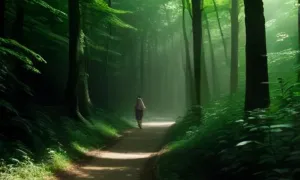
Visualizations and artistic views


The visualisations are generated by artificial intelligence and serve as inspiration.
Photos from the area
Real photos taken near the monument

Zdroj a licence jsou uvedeny u každého snímku.
Tips from visitors
No tips yet. Be the first!
Log in and add your tip.
Sources and literature
Photos: Ivan Ďurko / CC BY-SA 4.0 — Wikimedia Commons. The author and licence also appear when you hover over the image.
Faktickým podkladem tohoto textu byl článek na Wikipedii, jehož autory jsou přispěvatelé Wikipedie. Článek je dostupný pod licencí CC BY-SA 4.0.
Location on the map




Příběhy a pověsti
Legendy, pověsti a příběhy spjaté s touto památkou
Fotografie návštěvníků
Zatím žádné fotografie. Buďte první, kdo přidá fotografii z návštěvy!
Log in a přidejte svou fotografii nebo hodnoťte.
Za ověřenou návštěvu v aplikaci získáte víc bodů — poznáme podle GPS, že jste na místě.
Reviews and comments