






Pirkštejn Castle
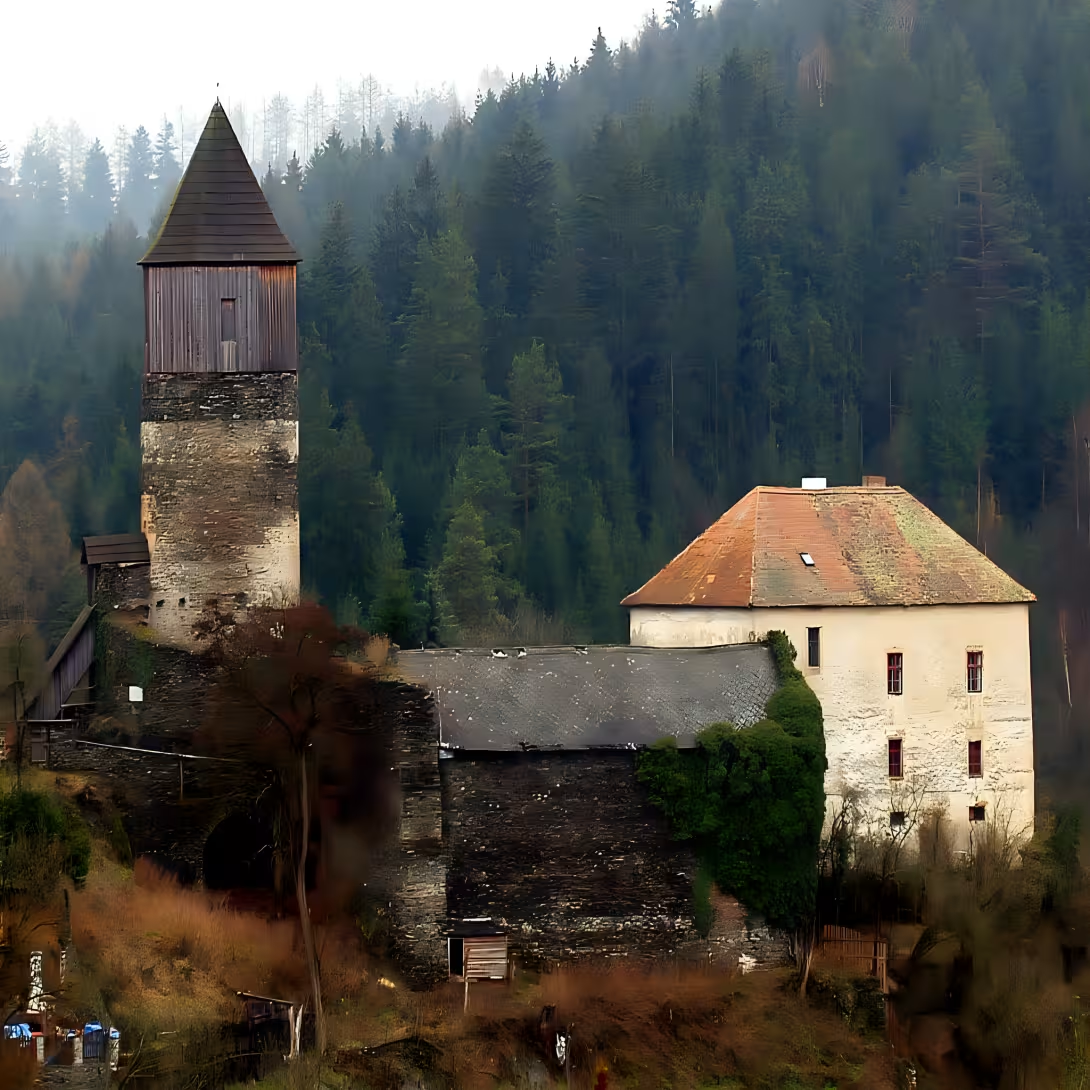
Pirkštejn is a castle situated in Ratai nad Sazavou on the southwest part of the Ratai Island. It was only in the middle of the 14th century that he took the name from the family of masters from Pirkštejna, who acquired it and named it after its original residence, the castle of the Ppole. But its first chapter was written by the lords of Lipé who built it in the first third of the fourteenth century as part of a pair of castles controlling Ratai. The first documentary evidence of the existence of both Ratai castles dates back to 1346.
Since the fifties of the fourteenth century, when Pirkštejn fell to the masters of Pirkštejna, it became the seat castle of their Ratai domain. It was from this family that Hynce Ptáček z Pirkštejna, the influence of the politics of the time immediately after the end of the Hussite wars. He died in Ratai on 27 August 1444 and was buried here in St. Matthew's church. Pirkštejn remained the main seat of its holder until the sixteenth century, when the second, upper castle transformed the name of the Malešiks from Černožice in the Renaissance castle. Over time, several noble families, including the masters of Švamberk and Viktor of Podebrad, were replaced in possession of the castle.
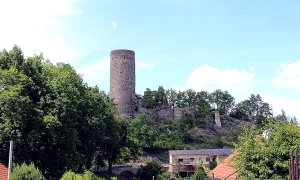
Construction sites include Pirkštejn among advanced specimens of bergfrit-type castles. Since he was close to the town, he probably went without a foothold. The city separated a deep neck ditch from the castle. Behind it is a characteristic building of the castle: a free-standing round bergfrit covered with a wall cover. It was possible to control the entrance through the crescent gate from the entrance of the wall. The central element of the best protected back part of the island hall is the palace with three rooms on each floor, which was subsequently encapsulated in the slope by a park. The remains of farm buildings can still be observed on the sides of the courtyard.
During the rustic uprising in 1627 the castle suffered significant damage and was subsequently abandoned. At the beginning of the eighteenth century, from 1713 to 1724, it was converted into a rectory with a bell tower. The castle has been owned by the Church ever since. Since 2015, it has been rented by Prague's coffee maker Ondřej Kobza. The area is accessible to the public only exceptionally and remains protected as a cultural monument. Although belonging to the circus and the private owner limits its approach, Pirkštejn remains an important trace of the medieval and early modern building culture in Ratai and represents a valuable witness to the history of Czech nobility.
Then and now
Drag the slider to compare how the landmark may have looked when it was built with the view today.
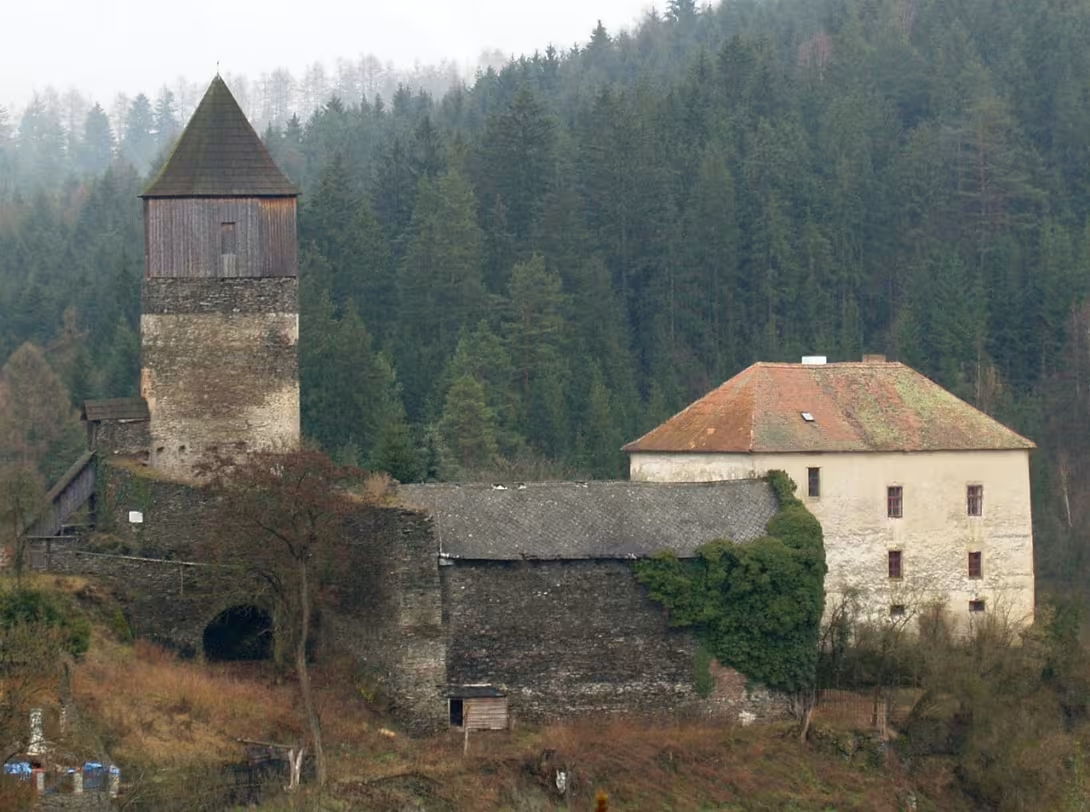
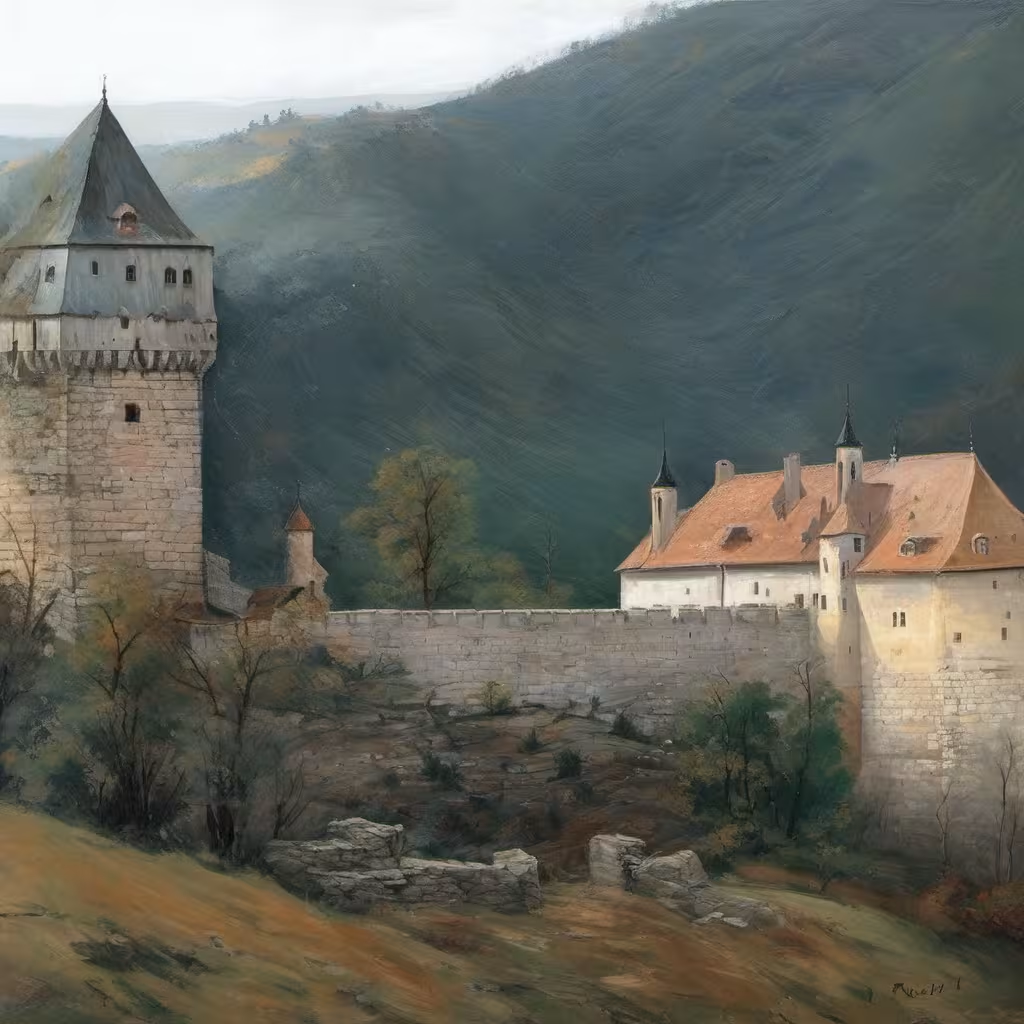
The historical appearance on the left is an AI-generated visualisation and serves as inspiration only.
Historical milestones
- 1346
- First written mention of the castle.
- 1444
- Death of Hynce Ptáček z Pirkštejna in Ratai.
Architectural development
Pirkštejn was built as a bergfrit castle without a foothold. Over the years he underwent several changes to owners and modifications before he was converted into a rectory with a bell tower in 1713-1724. The castle is today owned by the Church.
Historical events
- 1346
- First written mention of the castle.
- 1444
- Death of Hynce Ptáček z Pirkštejna in Ratai.
- 1627
- Damage during the russian uprising.
- 1713
- Rebuilding the rectory with the bell tower.
Owners
Pernstejn
Points of interest
- Pirkštejn only took his name in the middle of the 14th century from the family of men from Pirkštejna.
- Hynce Ptáček z Pirkštejna, an influential politician after the Hussite wars, died and was buried in Ratai on 27 August 1444.
- Construction works include Pirkštejn among advanced specimens of Bergfrit-type castles with characteristic round bergfrit coated with wall cover.
- During the Russian uprising in 1627, Pirkštejn suffered significant damage and was subsequently abandoned, rebuilt into a rectory with a bell tower between 1713 and 1724.
- Since 2015, Prague's café Ondřej Kobza has been renting the castle, but it is only exceptionally accessible to the public.
Guide
This guide is narrated by a synthetic voice generated by artificial intelligence.
Show guide text
This text was created by artificial intelligence and has not been editorially reviewed. It may contain inaccuracies.
Welcome to the historic place, which is a great example of medieval architecture and history - Pirkštejn! You are standing in front of a castle built in the first third of the 14th century, which boasts its remarkable bergfrit structure. This monument is located in the noble and peaceful environment of the Ratai Island House in the southwest part of Ratami nad Sazavou, which provides a unique view of the surrounding countryside.
Let's dive into his history. Pirkštejn was built by Henry of Lipé and is first mentioned in writing in 1346. The castle served as an important residence for several noble families, including the masters themselves of Pirkštejna. This castle is not only a cultural heritage but also a witness to many historical events and changes.
Let's look at his architecture. Although the particular architects remained unknown, Pirkštejn is considered an advanced example of the bergfrit type of castle. This structure will necessarily capture you with its robust and strategic structure. When you look at the castle, make sure you notice its fixed walls and a distinct bergfrit, which was a key defense structure.
Now let's look at some of the key stories associated with this location. Hynce Ptáček z Pirkštejna, an important historical personality after the Hussite wars, is one of the unforgettable officers of this place. He died and was buried in Ratai on 27 August 1444, adding another layer of historical interest to this place.
There is an interesting thing to realize: even though the castle bears the name Pirkštejn, it was only in the middle of the 14th century that it received this name from the family of masters from Pirkštejna. This historical fact enriches his captivating past and shows the complexity of noble history.
Allow me to invite you to explore this fascinating place again. Every corner of the castle has a story and every wall is a witness to history. Take your time, look at the facade and perception of the atmosphere that this castle has maintained for centuries.
Thank you for your visit Pirkštejna. I hope you've had fun and gained a lot of new knowledge about this beautiful historical monument. May the world welcome you with more thrilling stories!
Tips for visitors
The best time to visit Pirkštejna is in the spring or autumn season when the weather is pleasant and the castle is not burdened by tourists.
You can verify the current connection in the search engine.
When visiting, bring shoes suitable for walking on uneven terrain, protective sunglasses and plenty of drinking. Thanks to the high position of the castle there is often a strong sun, so remember to protect it.
Photography Pirkštejna offers many options: best works in sunlight in early morning or late afternoon when shading is suitable for details. Don't forget to include a panoramic view of the surrounding landscape.
The surrounding castle Pirkštejn is located Rataje nad Sázavou, where you can visit historical monuments and explore natural beauty. It is advisable for families with children to organise a visit in the park or on nearby paths where children can play and enjoy nature.
Frequently asked questions
Can the monument be visited?
This is a ruin. Such sites are often freely accessible, but some can only be visited with a guide or are closed for safety reasons. We have not verified the current situation – take care and respect any restrictions.
Where is the monument?
Location: Rataje nad Sázavou, Středočeský kraj. The map on this page shows the exact spot.
Why is the monument protected?
It is listed in the Central List of Cultural Monuments of the Czech Republic as a cultural monument (register no. 46437/2-1157).
For kids
Imagine going back to the past, to the time when noble houses ruled the Czech kingdom. The town Pirkštejn was the center of everything and the seat of the famous Pernstejn family.
Is that what it looked like? Who lived here? What happened here? The city of Pirkštejn was like a living city full of people, animals and life. The nobles of Pernstejn had their seat in Castle Pirkštejn, where festivities and entertainment took place. There were trees and flowers around the castle.
Businesses nearby
Do you run a restaurant, accommodation, shop, museum, rental, wellness or other visitor service near this monument? Show yourself directly to the people heading to it — this is how they will see you in the app and on the web:
Natáčelo se zde
- Princ Bajaja (1971) film
Zdroj: Wikidata (vlastnost „místo natáčení“) · Všechna filmová místa
Nearby
The surrounding area of the castle consists of Šumava with its forests and water streams.
Accommodation nearby
Trips and activities nearby
Guided tours, tickets and activities nearby from GetYourGuide
Affiliate link: if you buy from the partner, we may receive a commission. The price for you does not change.
Search tours and activities →Themed route
Thematic cruise route around castle Pirkštejn
1. Castle Pirkštejn * Type: * Castle * Why is it worth visiting: * Castle Pirkštejn is one of the best known and best preserved Gothic forts in the Czech Republic. Its history dates back to the 14th century, when it was built for the House of Pernstejn. Visit its amazing castle with a dailies and excellent panorama on the surrounding landscape.
2. St. George's Church * Type: * Church * Why is it worth visiting: * This church is located near the castle and represents an important sacral monument with a rich history. Its Gothic elements and quiet environment offer an ideal place to relax and refleksia after visiting the castle.
3. Ratay Park over Sazavou * Type: * Park * Why is it worth a visit: * This park is a beautiful place for relaxation and sightseeing where you can enjoy the natural beauty of the village Rataje nad Sázavou. It is ideal for a moment of rest after a trip around the castle and church.
4. Rataje nad Sázavou - center of the village * Type: * City centre * Why is it worth a visit: * Ratani Centre offers a view of the historic city framework where you can explore streets with ancient houses and shops. It's a great way to end your trip and get to know local life.
This route offers a combination of historical monuments and natural beauties, making it ideal for a day's visit.
Seasonal recommendations
Spring: In the spring season Pirkštejn Castle is a bright place because of its lively green circle, where leaves and flowers develop in full beauty. Sun rays illuminate medieval architecture with fine lights, which adds a romantic touch to the tour. At the same time, it is appropriate to avoid the start of the month because of likely rainy days, but from April to May, sun days often appear. Recommended clothing includes warm coats or coats for morning cold and boxes with drinks on rainy day.
Summer: For years, Pirkštejn Castle is a popular destination for tourists when high sun rays reveal its historical beauty in a special light. This season, the atmosphere is full of life and energy, but there may also be more visitors. It is advisable to visit the castle earlier on or later in the evening to enjoy a place without crowd saturation. Dress light and resistant to the sun, do not leave at home even buying with drinking and UV protection.
Autumn: In autumn, Pirkštejn Castle becomes full of melancholy and calm when tree leaves turn into hot colors. This season is ideal for photography, because light and colors are particularly impressive. Moreover, it is more likely that you will meet fewer visitors than during the summer. It is recommended to wear warmer clothes and suitable shoes for potential rainy days. This season it is also advisable to come to the castle when the sun starts to set so that the colour of the leaves can turn into light.
Winter: Winter visit to castle Pirkštejn offers a unique atmosphere where everything is covered with snow and ice, which adds a mystical touch. The sunlight is projected on white surfaces, making medieval walls seem even more pronounced. This season the opening times are shorter and the traffic is usually lower, which allows you to explore the ruins more calmly. It is necessary to prepare for the cold with warm clothes, including hat and gloves, and to make sure you have a drink with you because the winter day is shorter.
Visualizations and artistic views


The visualisations are generated by artificial intelligence and serve as inspiration.
Photos from the area
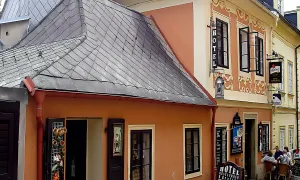
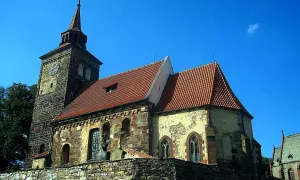
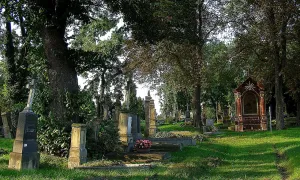
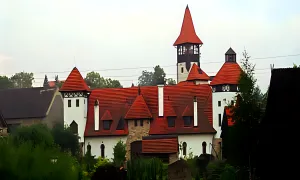
Real photos taken near the monument


Zdroj a licence jsou uvedeny u každého snímku.
View from the area
This animation was generated by artificial intelligence from a real photograph of the surroundings. The motion and details are not real footage of the location.
Tips from visitors
No tips yet. Be the first!
Log in and add your tip.
Sources and literature
Photos: Lukáš Jelínek / CC BY-SA 4.0, rozlišení zvýšeno umělou inteligencí — Wikimedia Commons. The author and licence also appear when you hover over the image.
Faktickým podkladem tohoto textu byl článek na Wikipedii, jehož autory jsou přispěvatelé Wikipedie. Článek je dostupný pod licencí CC BY-SA 4.0.
Location on the map
More monuments – Rataje nad Sázavou
Show all in the municipality
Příběhy a pověsti
Legendy, pověsti a příběhy spjaté s touto památkou
Fotografie návštěvníků
Zatím žádné fotografie. Buďte první, kdo přidá fotografii z návštěvy!
Log in a přidejte svou fotografii nebo hodnoťte.
Za ověřenou návštěvu v aplikaci získáte víc bodů — poznáme podle GPS, že jste na místě.
Reviews and comments