






Plánice Castle
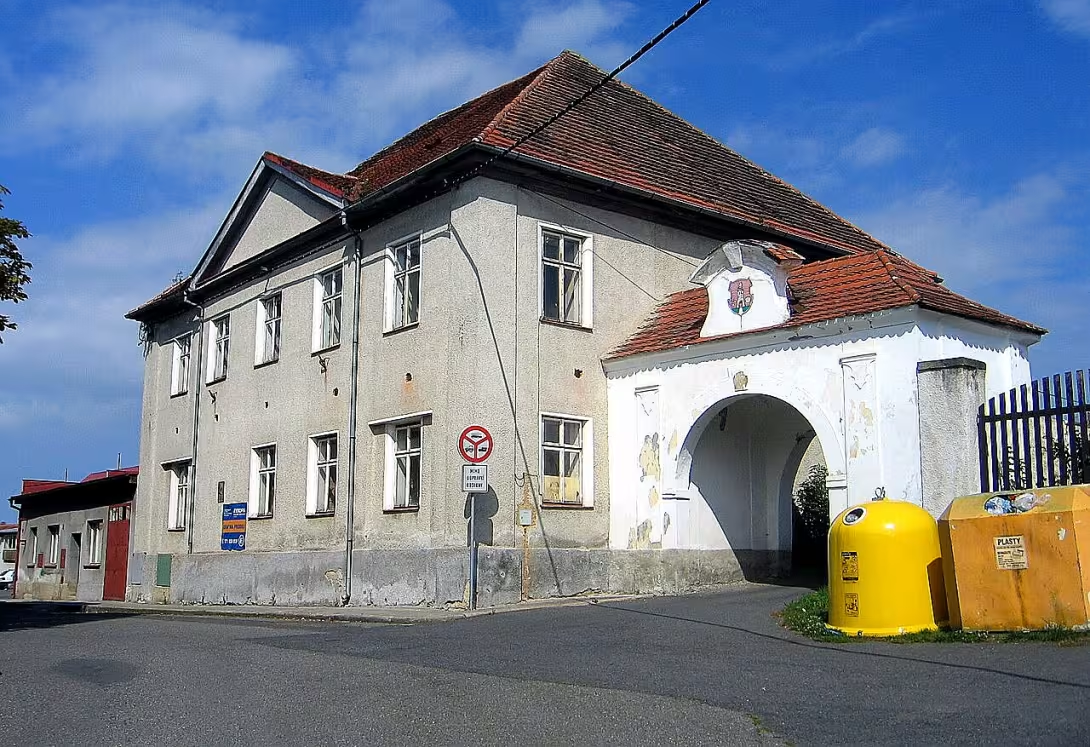
Plánice Castle is a significant historical monument located in the town of Plánice, within Klatovy District in the Czech Republic's Plzeň Region. This baroque castle showcases architectural evolution and cultural heritage, having transformed from its original Renaissance fortress form in the mid-16th century into its current baroque structure at the beginning of the 18th century. The castle features a two-winged main building with a mansard roof, surrounded by various structures including administrative buildings, farmhouses, and a former brewery.
The origins of Plánice Castle trace back to when it was initially constructed as a Renaissance fortress by Vilém ze Šternberka in the mid-16th century. This period marked significant political and religious changes across Bohemia due to the Protestant Reformation. By the early 18th century, under Habsburg rule, the castle underwent substantial transformation into its baroque form, reflecting the architectural influences of that era.
The ownership of Plánice Castle has seen a succession of notable families over the centuries. Initially built by Vilém ze Šternberka, it later came under the control of Ladislav ze Šternberka and subsequently Kateřina z Lokšan married to Jiří Popel z Lobkovic. The estate was acquired by Jaroslav Bořita z Martinic in 1638, marking its independence from Zelená Hora. Over time, it passed through the hands of several members of the Martinic family and later to František Wallis in 1790.
Throughout its history, Plánice Castle has witnessed various changes in ownership that reflect broader historical shifts within the region. The transformation from a Renaissance fortress to a baroque castle signifies not only architectural evolution but also the changing fortunes and influences of its owners. These transitions highlight the castle's role as both a residential and administrative center over the centuries.
Today, Plánice Castle is owned by the town and remains inaccessible to the public, preserving its historical integrity. Despite this, it stands as an important cultural monument since 1964, offering insight into the architectural styles and societal changes of past eras. Visitors can appreciate its significance from a distance, understanding its place in the broader tapestry of Czech history.
Plánice Castle is more than just a structure; it is a symbol of resilience and transformation through time. Its journey from a Renaissance fortress to a baroque castle encapsulates centuries of architectural innovation and historical shifts. For those interested in exploring the rich cultural heritage of the Czech Republic, Plánice Castle offers a unique glimpse into the past, making it a worthwhile destination for history enthusiasts.
Then and now
Drag the slider to compare how the landmark may have looked when it was built with the view today.
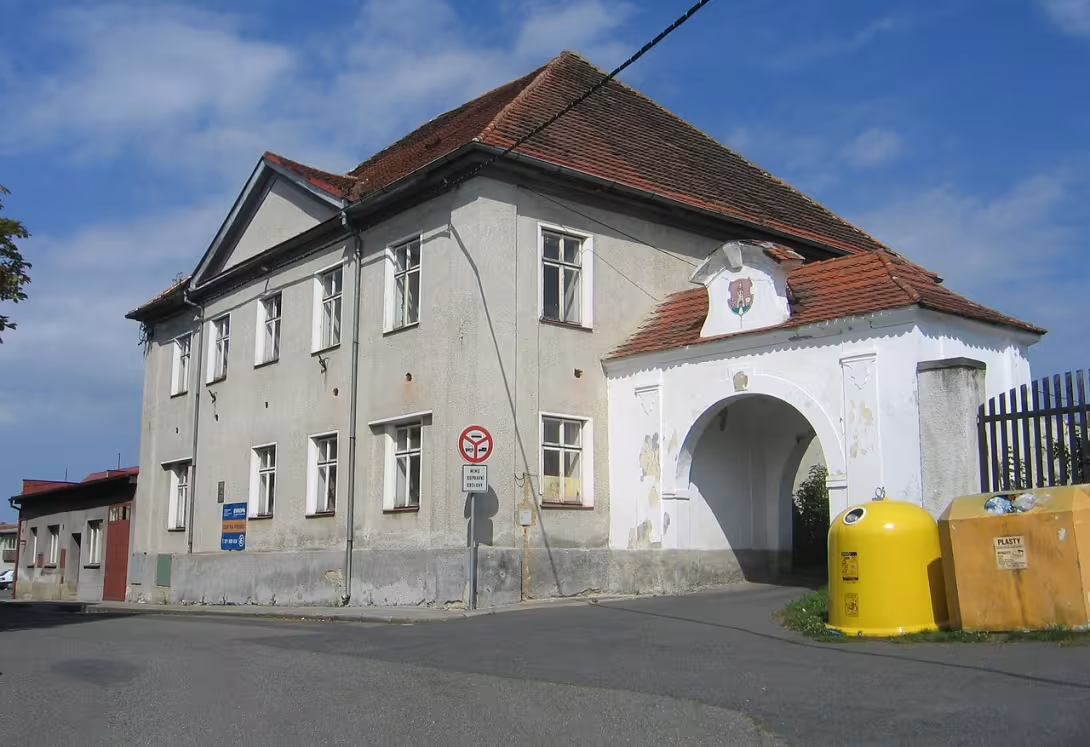
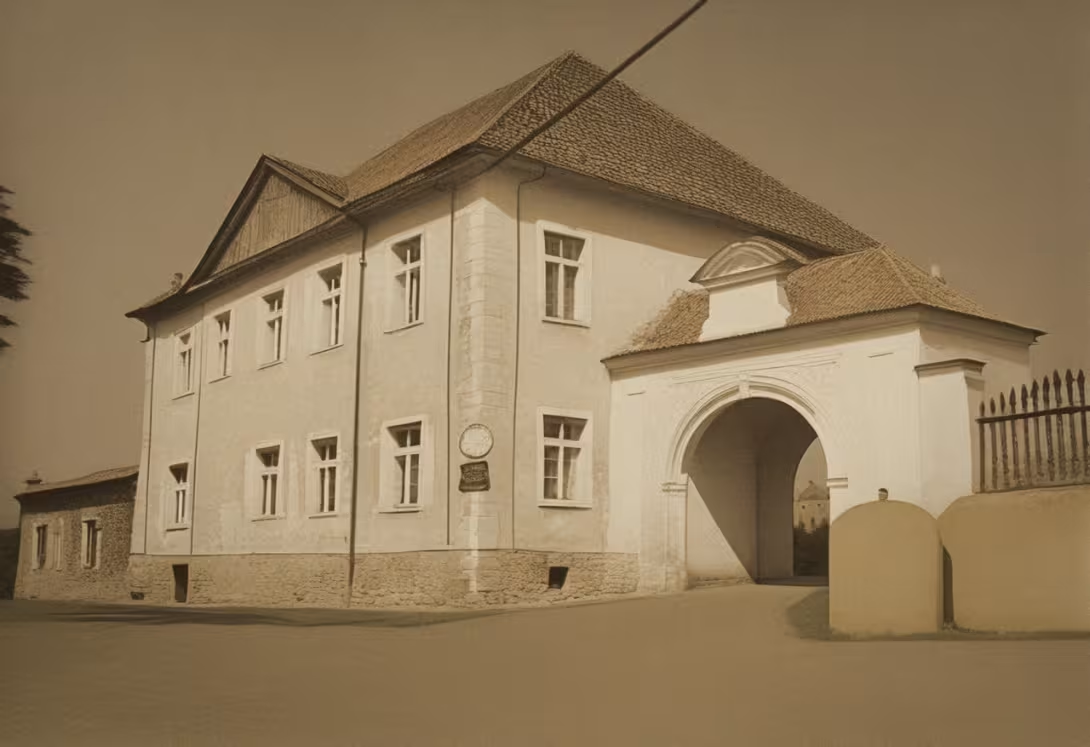
The historical appearance on the left is an AI-generated visualisation and serves as inspiration only.
Historical milestones
- c. 1550
- Vilém ze Šternberka built the Renaissance castle.
- 1638
- Jaroslav Bořita z Martinic purchased the estate, independent of Zelená Hora.
- c. 1700
- The castle was transformed into a Baroque structure under the Habsburgs.
- 1790
- František Wallis became the owner of the castle.
- 1964
- The castle was recognized as a cultural monument.
Architectural development
Plánice began as a Renaissance fortress constructed by Vilém ze Šternberka. In the early 18th century, this structure underwent significant transformation into a baroque castle. The main building is characterized by its two-winged design and mansard roof, reflecting typical baroque architectural elements.
Historical events
The castle was originally built as a Renaissance fortress by Vilém ze Šternberka in the mid-16th century.
It was transformed into a baroque castle at the beginning of the 18th century.
In 1638, Plánice became independent from Zelená Hora when Jaroslav Bořita z Martinic acquired it.
The estate was sold to František Wallis in 1790.
Owners
Vilém ze Šternberka (1556-1562)
Ladislav ze Šternberka
Kateřina z Lokšan married to Jiří Popel z Lobkovic
Ferdinand and Ladislav, sons of Jiří Popel z Lobkovic
Jaroslav Bořita z Martinic (1638)
Maxmilián Valentin z Martinic
Jiří Adam z Martinic (1678-1714)
Adolf Bernart z Martinic
František Michal z Martinic († 1760)
František Karel z Martinic
František Wallis (1790s)
Josef Wallis
Maxmilián Wallis
Josef Arnošt Wallis
Marie Anna Schaffgotschová (post-1918)
Points of interest
- Despite its current status as a private property and being inaccessible to the public, Plánice Castle has served as an inspiration for numerous artists and writers who have captured its imposing presence through various forms of art over the years.
- The castle's transformation from a Renaissance fortress into a baroque structure was not only an architectural evolution but also reflected the changing tastes and influences brought by each successive owner, particularly during the politically tumultuous times of the 17th century.
- An intriguing legend associated with Plánice Castle tells of hidden tunnels beneath its grounds, allegedly used in the past for secret meetings or as escape routes during conflicts; however, no concrete evidence has been found to confirm these tales.
- During its time under the ownership of the Martinic family, it is said that a grand annual festival was held at the castle, drawing visitors from across the region and showcasing local crafts, music, and cuisine, although records of such events are sparse.
- The castle's strategic location near the border between Bohemia and Bavaria made it a focal point during various conflicts in Central Europe, including serving as a temporary refuge for nobility fleeing political unrest or military invasions.
Guide
This guide is narrated by a synthetic voice generated by artificial intelligence.
Show guide text
This text was created by artificial intelligence and has not been editorially reviewed. It may contain inaccuracies.
Plánce in the Klatovy district is a small town whose manorial seat was initially a Renaissance stronghold, later converted into a Baroque château. From the middle of the sixteenth century, it was the centre of an independent estate, and among its most important owners were the Šternberks, the Martinices and the Wallises. The château complex has been protected as a cultural monument since 1964.
The stronghold was built after 1556 by William of Šternberk, when his father Adam of Šternberk entrusted the small town to his administration. William became the definitive owner only after his father's death in 1560. However, the independent estate lasted only until 1562. Then William died and his brother Ladislav annexed Plánice to the Zelená hora estate. Ladislav's widow Catherine of Lokšan later married George Popel of Lobkovice, and his sons Ferdinand and Ladislav then divided the Plánice estate between them.
Plánice was permanently separated from Zelená hora only in 1638 when Jaroslav Bořita of Martinice acquired it. His son Maximilian Valentine probably had to pay out his brothers' shares first. He also owned the northern Bohemian estates of Ahníkov and Prunéřov, which together with Plánice and Němčice became the foundation of the Bořita trust. In 1678 Plánice passed to George Adam of Martinice. At the beginning of the eighteenth century, the old stronghold was converted into a Baroque château.
The Martinices held Plánice for several more generations until 1790, when they sold it to Count Francis Wallis. Shortly after, their family died out in the male line. The estate belonged to the Wallises until 1918. Then it was purchased by Marie Anna Schaffgotschová and her family owned it until 1945. In the second half of the twentieth century, the château served as apartments and offices for the Unified Agricultural Cooperative Úslava.
The core of the château is a single-storey two-wing building with a mansard roof. The complex also includes an administrative building with an adjoining farm building, three other houses, a barn, a former brewery, a granary and a boundary wall with a gate.
Tips for visitors
The best time to visit Plánice Castle is during the late spring or early autumn months, from May to September. During these periods, the weather is typically mild and pleasant, making it ideal for exploring both the castle grounds and the surrounding rural landscape. Additionally, visiting in this timeframe allows you to enjoy the natural beauty of the area without the peak tourist crowds, providing a more serene experience.
It's advisable to check the latest schedules on transportation websites or local information centers before your visit.
When visiting Plánice Castle, it is recommended to bring comfortable walking shoes as there are several paths and stairs within the castle grounds. A hat and sunscreen can be useful if you plan to spend time outdoors during sunny days. Additionally, carrying a water bottle will help keep you hydrated throughout your visit. For those interested in learning more about the history of the castle, bringing along a notebook or guidebook could enhance your experience.
Photography enthusiasts will find several spots around Plánice Castle ideal for capturing its baroque architecture and picturesque surroundings. The best light is usually during the golden hours—shortly after sunrise or before sunset—when the sunlight casts a warm glow over the landscape. The castle's main facade offers stunning views, especially when photographed from the garden area across the moat. Exploring the surrounding fields can also provide unique perspectives of the castle against natural backdrops.
For families with children visiting Plánice Castle, there are several activities to keep young ones engaged. The expansive grounds offer plenty of space for exploration and play. Additionally, the nearby Klatovy District features small settlements where you can enjoy local cuisine or visit quaint shops. Within a 30-minute drive from Plánice, consider exploring natural attractions such as hiking trails in the surrounding countryside, which provide opportunities for outdoor fun and learning about the region's flora and fauna.
Frequently asked questions
Can the monument be visited?
Some buildings of this kind are open for guided tours, others serve another purpose or are privately owned. We have not verified whether and when this monument is open – please ask the operator.
What are the opening hours and admission?
We have not verified the opening hours or admission. Current information is published by the operator.
Where is the monument?
Location: č.p. 181, Plánice, Plzeňský kraj. The map on this page shows the exact spot.
Why is the monument protected?
It is listed in the Central List of Cultural Monuments of the Czech Republic as a cultural monument (register no. 17849/4-3230).
Businesses nearby
Do you run a restaurant, accommodation, shop, museum, rental, wellness or other visitor service near this monument? Show yourself directly to the people heading to it — this is how they will see you in the app and on the web:
Nearby
The surrounding landscape of Plánice includes agricultural fields and small settlements typical of the Klatovy District. The area is characterized by its rural charm and proximity to natural features.
Accommodation nearby
Themed route
Plánice Castle Tour
Stop 1: Plánice (zámek) The main attraction of the tour is the Plánice Castle, a well-preserved Renaissance chateau with a beautiful garden and a unique collection of furniture and art.
Stop 2: Plánice Church A short walk from the castle, the Plánice Church is a charming example of a rural church with a simple yet elegant design.
Stop 3: Local Farmhouses The surrounding landscape of Plánice is dotted with traditional farmhouses, offering a glimpse into the daily life of rural Czech communities.
Seasonal recommendations
Jaro
In the springtime, Plánice is surrounded by greenery and flowers. A distinctive feature is the bright sunlight that illuminates the courtyards and castle buildings. The atmosphere is calm and relaxed, perfect for strolls and photography. We recommend visiting the castle in the spring season because there are fewer tourists, allowing you to explore the monument without large crowds. Don't forget to wear walking boots and comfortable clothing, as after the rainy winter period, paths and courtyards may be muddy. The best time to visit is from April to May when the weather is calmest and warmest.
Summer
In summer, Plánice is in full swing. A distinctive feature is the high temperatures and large number of visitors who gather here for tours and picnics. The atmosphere is lively and energetic but can also be quite busy. We recommend visiting the castle in early morning or late afternoon when there are fewer people, allowing you to explore the monument in peace. Don't forget to bring sunglasses and an umbrella, as the summer sun can be quite strong. The best time to visit is from June to August when the weather is warmest and longest.
Autumn
In autumn, Plánice is surrounded by beautiful colors and scents. A distinctive feature is the cool air and glistening foliage of trees. The atmosphere is calm and romantic, ideal for strolls and photography. We recommend visiting the castle in the autumn season because there are fewer tourists, allowing you to explore the monument in peace. Don't forget to wear walking boots and warm clothing, as the weather can be quite cold. The best time to visit is from September to October when the weather is calmest and warmest.
Winter
In winter, Plánice is surrounded by snow and tranquility. A distinctive feature is the cool air and silence. The atmosphere is calm and intimate, ideal for strolls and photography. We recommend visiting the castle in the winter season because there are fewer tourists, allowing you to explore the monument in peace. Don't forget to bring warm clothing and a hat, as temperatures can be quite low. The best time to visit is from December to February when the weather is coldest and lowest.
Visualizations and artistic views


The visualisations are generated by artificial intelligence and serve as inspiration.
Photos from the area
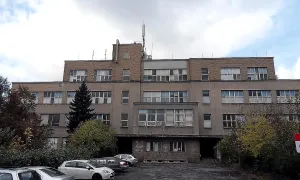
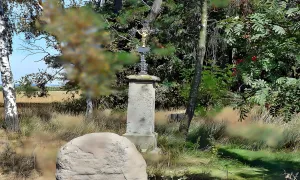
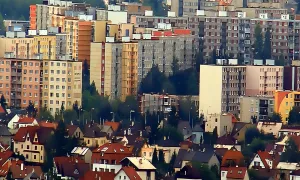
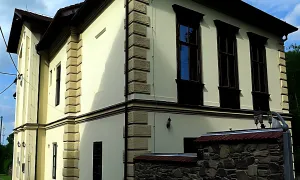
Real photos taken near the monument


Zdroj a licence jsou uvedeny u každého snímku.
Tips from visitors
No tips yet. Be the first!
Log in and add your tip.
Sources and literature
Photos: Jiří Novák / CC BY-SA 3.0 — Wikimedia Commons. The author and licence also appear when you hover over the image.
Faktickým podkladem tohoto textu byl článek na Wikipedii, jehož autory jsou přispěvatelé Wikipedie. Článek je dostupný pod licencí CC BY-SA 4.0.
Location on the map
More monuments – Plánice
Show all in the municipality

Příběhy a pověsti
Legendy, pověsti a příběhy spjaté s touto památkou

Fotografie návštěvníků
Zatím žádné fotografie. Buďte první, kdo přidá fotografii z návštěvy!
Log in a přidejte svou fotografii nebo hodnoťte.
Za ověřenou návštěvu v aplikaci získáte víc bodů — poznáme podle GPS, že jste na místě.
Reviews and comments