






Plavební kanál Kaplického potoka Water structure
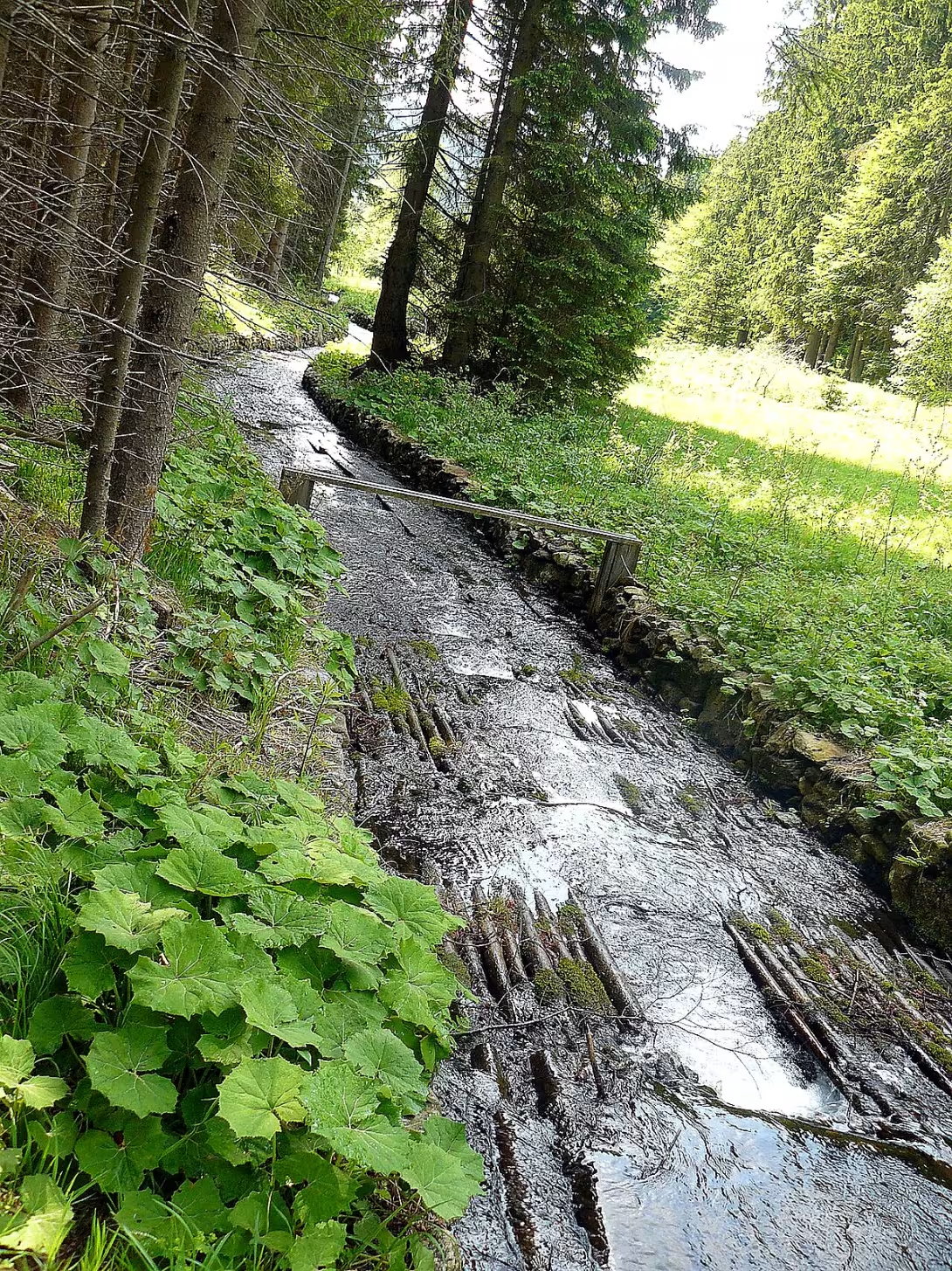
The Plavební kanál Kaplického potoka is a notable 19th-century waterway in Horní Vltavice, within the Prachatice district of the South Bohemian Region. Constructed in 1833, it facilitated timber transportation from remote areas under Boubín Mountain to mills and factories downstream. Its historical importance was recognized when it became a national cultural monument in 2014, along with other significant waterways in the region.
The canal's origins are tied to early 19th-century industrial growth in Bohemia, particularly within the timber industry. It addressed the need for efficient transportation methods supporting burgeoning European industries. By enabling wood movement from hard-to-reach areas under Boubín Mountain to downstream mills and factories, it played a crucial role in local industrial activities.
Architecturally, Plavební kanál Kaplického potoka showcases the engineering ingenuity of its time. It features an artificial reservoir named Boubínské jezírko on Boubín Mountain's southern slope to ensure sufficient water flow for timber transport. This infrastructure highlights the period's technical advancements and practical solutions tailored to industrial needs.
Throughout its history, the canal has seen significant developments and recognition. Completed in 1833, it marked a pivotal moment in regional industrial logistics by facilitating timber transport. In 2014, it gained further prominence when declared a national cultural monument as part of the Soubor plavebních kanálů na Šumavě. This recognition was largely due to Hynek Hladík's efforts, the waterway director of Schwarzenberský kanálu, who played a key role in its designation.
Today, Plavební kanál Kaplického potoka stands as an important historical site near Boubín Mountain and the Teplá Vltava river. It offers visitors insights into the region's rich natural beauty and industrial heritage. The surrounding landscape includes forests and other significant monuments within a 5 km radius, making it attractive to history and nature enthusiasts.
Visiting Plavební kanál Kaplického potoka provides a unique opportunity to explore Bohemia’s industrial past while appreciating the South Bohemian Region's natural beauty. Its designation as a national cultural monument underscores its historical importance, inviting visitors to delve into how this waterway contributed to regional development and continues to be celebrated today.
Then and now
Drag the slider to compare how the landmark may have looked when it was built with the view today.
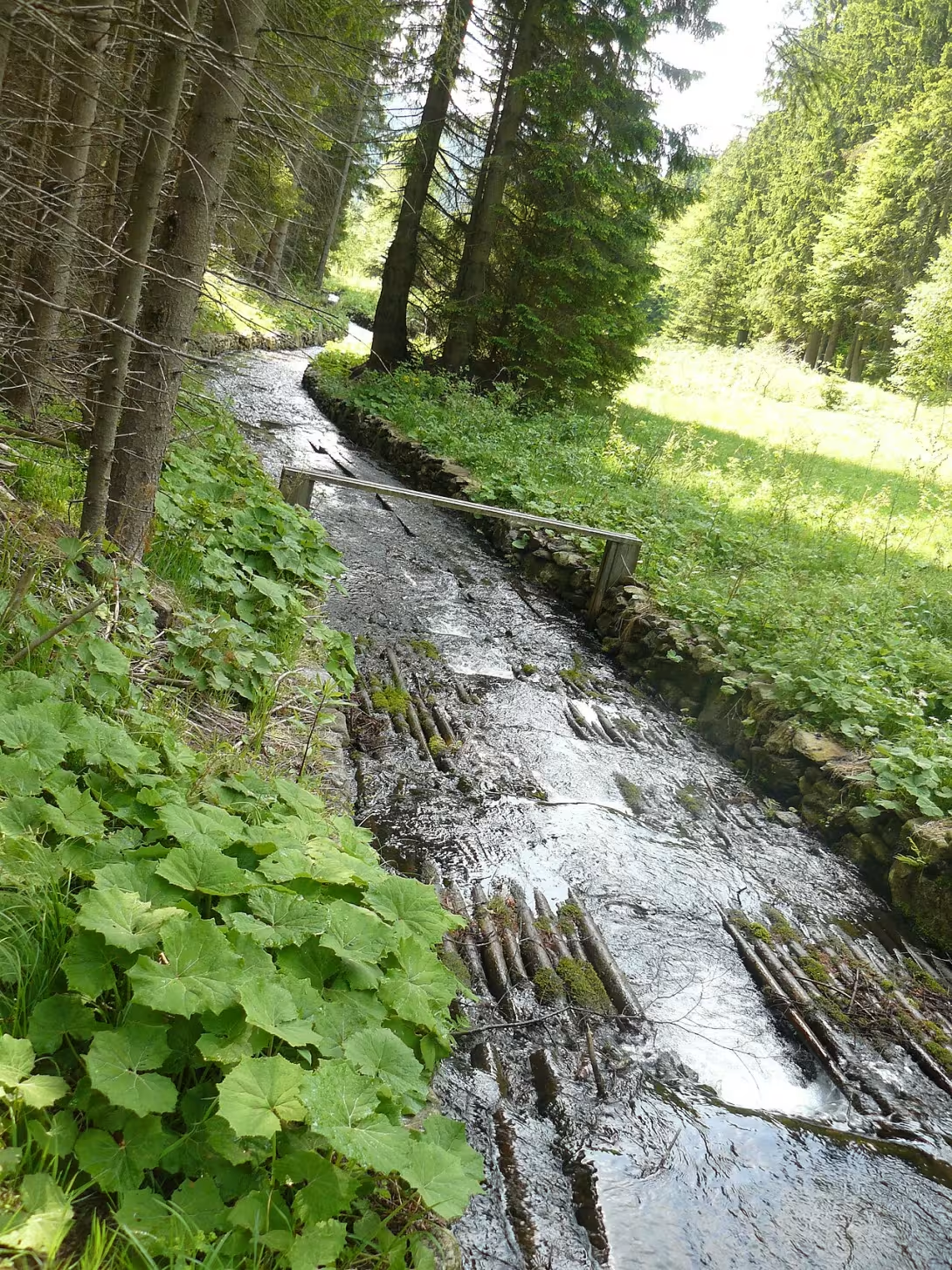
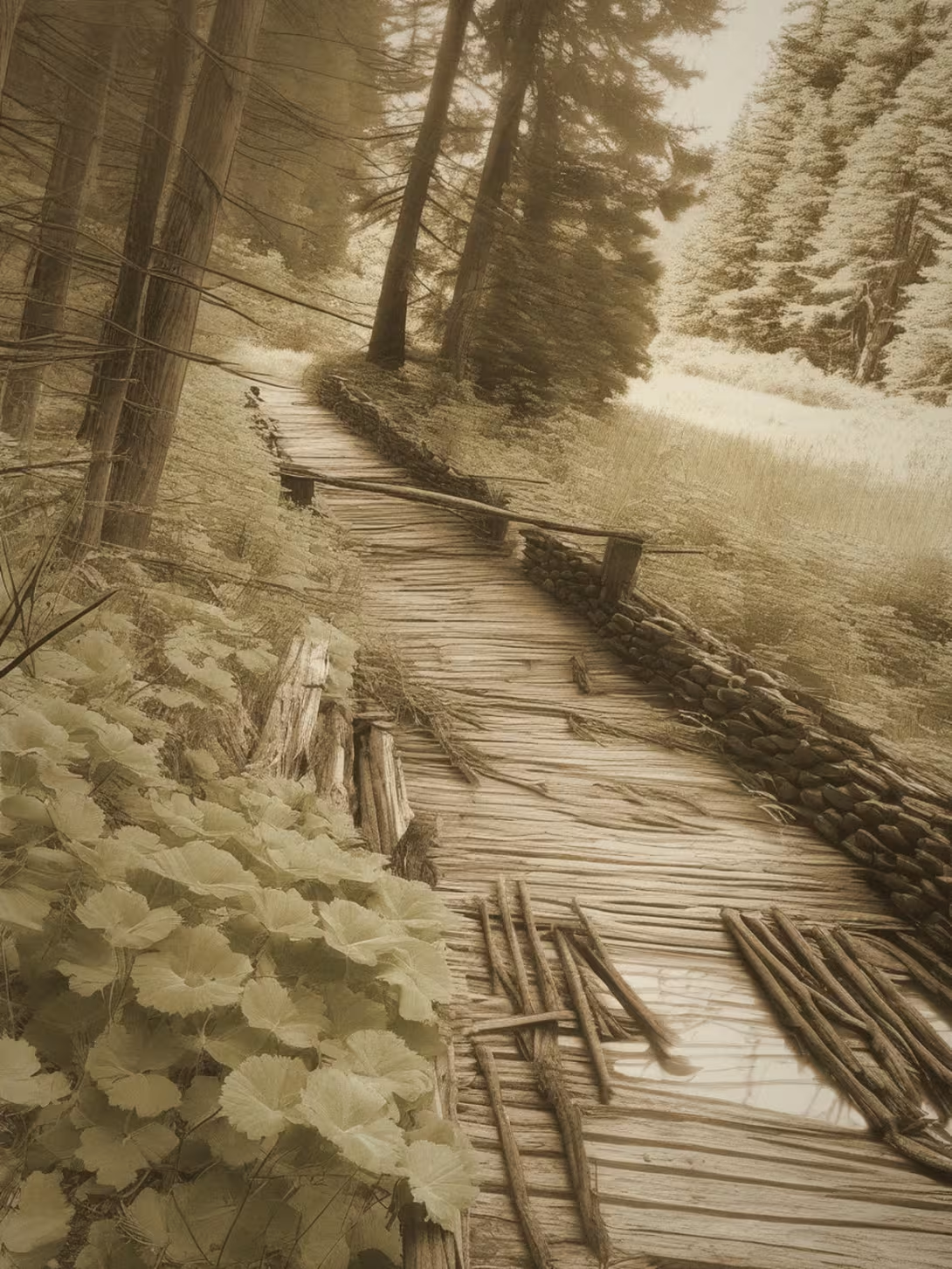
The historical appearance on the left is an AI-generated visualisation and serves as inspiration only.
Historical milestones
- 1833
- Completion of construction to facilitate timber transport.
- 2014
- Declared a national cultural monument as part of the Soubor plavebních kanálů na Šumavě.
Architectural development
The Plavební kanál Kaplického potoka was engineered to ensure sufficient water flow for timber transportation, featuring an artificial reservoir named Boubínské jezírko. This infrastructure highlights the technical advancements of its time, focusing on practical solutions for industrial needs.
Historical events
1833: Construction of the Plavební kanál Kaplického potoka was completed to transport timber from remote areas.
2014: The canal was declared a national cultural monument as part of the Soubor plavebních kanálů na Šumavě.
Guide
This guide is narrated by a synthetic voice generated by artificial intelligence.
Show guide text
This text was created by artificial intelligence and has not been editorially reviewed. It may contain inaccuracies.
Welcome to the historical monument that demonstrates the engineering prowess of the 19th century. You are standing before the Plavební kanál Kaplického potoka, which played a crucial role in timber transportation. This canal was built in 1833 on the Kaplický stream in the South Bohemian Region. Its historical significance is underscored by its inclusion among national cultural monuments as part of the Soubor plavebních kanálů na Šumavě.
Let's move forward in time and discover how this canal became part of a network of waterways that played a crucial role in 19th-century timber trade across Europe. The canal connected remote areas under Boubín with factories and mills along the river’s course.
Notice how the canal is designed to adapt to the terrain. Now, pay attention to its architecture. Despite its historical significance, the construction of the canal faced many challenges due to difficult terrains.
You are standing before one of the most important water canals of the 19th century. Although its construction was demanding, it brought significant benefits to the region's economy.
Notice how the canal is designed to adapt to the terrain. Despite its historical significance, the construction of the canal faced many challenges due to difficult terrains.
Now take a moment to consider how this canal played a role in the 19th century. You are standing before a living testament to the engineering knowledge and skills of people from the past.
Tips for visitors
The best time to visit the Plavební kanál Kaplického potoka is during late spring or early autumn when the weather is mild, and the natural surroundings are particularly vibrant. During these months, you can enjoy pleasant temperatures for walking along the canal while avoiding the summer crowds and potential rain in the winter. The lush greenery of the forests surrounding the area adds to its charm, making it an ideal time for nature lovers.
The nearby town of Horní Vltavice offers various amenities that are easily accessible by foot.
When visiting the canal, it's advisable to bring comfortable walking shoes as there may be uneven terrain along the paths. A hat, sunscreen, and water are essential due to outdoor exposure, especially during warmer months. Binoculars can enhance your experience if you're interested in bird watching or observing wildlife. Additionally, a camera is recommended for capturing the scenic beauty of the surrounding landscapes.
For photography enthusiasts, early morning or late afternoon offers the best light conditions along the Plavební kanál Kaplického potoka. The soft golden hues during these times can beautifully illuminate the water and forest scenery. Key spots include areas where the canal intersects with natural streams or opens up to wider views of the landscape. Be sure to explore different angles for unique compositions.
Nearby attractions within a 30-minute drive include the Boubín Mountain, which offers hiking trails and panoramic views of the region. The Teplá Vltava river is also worth visiting for its picturesque landscapes and opportunities for leisurely walks or picnics. For those interested in history, other significant monuments around Horní Vltavice provide insights into the area's rich cultural heritage.
Frequently asked questions
Can the monument be visited?
This is a structure in a public space that can usually be seen from outside free of charge. We have not verified that this particular one is freely accessible.
Where is the monument?
Location: Horní Vltavice, Jihočeský kraj. The map on this page shows the exact spot.
Why is the monument protected?
It is listed in the Central List of Cultural Monuments of the Czech Republic as a national cultural monument (register no. 105084). It is protected as part of a larger listed ensemble.
Businesses nearby
Do you run a restaurant, accommodation, shop, museum, rental, wellness or other visitor service near this monument? Show yourself directly to the people heading to it — this is how they will see you in the app and on the web:
Events nearby

Zdroj akcí: otevřená data měst a obcí ČR (Národní katalog otevřených dat) a kalendář akcí Národního památkového ústavu.
Nearby
Located near the Boubín Mountain and Teplá Vltava river, the canal is part of a region rich with natural beauty and historical waterways. The surrounding landscape includes forests and other significant monuments within a 5 km radius.
Accommodation nearby
Themed route
Trasa: Plavební kanál Kaplického potoka a okolí
1. Plavební kanál Kaplického potoka (hlavní cíl) - Vodní dílo, které stojí za návštěvu pro svou jedinečnou historii a technickou zajímavost. Je to jeden z nejstarších a nejkrásnějších kanálů v Čechách, který spojuje Teplou Vltavu s Kaplickým potokem.
2. Boubín (5 km) - Poblíž kanálu se nachází Boubín, nejvyšší vrchol Šumavy. Je to ideální místo pro pěší výlet a výhled na krásnou krajinu.
3. Teplá Vltava (3 km) - Řeka, která protéká blízkým údolím a nabízí krásné výhledy na okolní krajinu. Je možné se zastavit u řeky a prohlédnout si její průběh.
4. Kaplický potok (1 km) - Malý potok, který protéká blízkým údolím a je spojen s Plavebním kanálem. Je možné se zastavit u potoka a prohlédnout si jeho průběh.
Seasonal recommendations
Jaro:
In the spring season, Plavební kanál Kaplického potoka is surrounded by nature awakening from its winter slumber. The atmosphere is calm and quiet, with occasional bird songs. Suitable clothing: comfortable walking shoes and blankets for possible picnics. The best time to visit is from April to May when the weather is favorable and there aren't too many tourists.
Léto:
The main summer season brings warm weather and high tourist activity. The canal is full of people trying to make the most of the heat and sunshine. It's a good idea to come early to avoid crowds and enjoy the canal in peace. Suitable clothing: light dresses, sunglasses, and walking shoes.
Podzim:
In autumn, the canal is surrounded by colorful nature preparing for its winter rest. The atmosphere is calm and quiet, with occasional winds. Suitable clothing: warm clothes for possible cold weather and walking shoes. The best time to visit is from September to October when the weather is favorable and there aren't too many tourists.
Zima:
In winter, the canal is covered in snow and ice, creating a unique atmosphere. It's good to come with warm clothing and blankets to avoid the cold. The ideal time to visit the canal is from December to February when the weather is coldest.
Visualizations and artistic views


The visualisations are generated by artificial intelligence and serve as inspiration.
Photos from the area
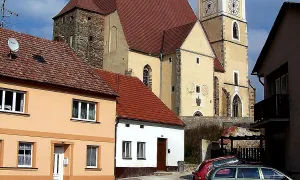
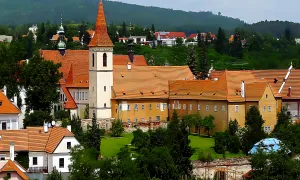
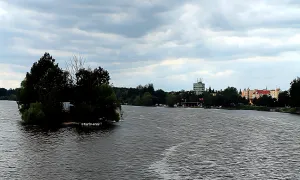
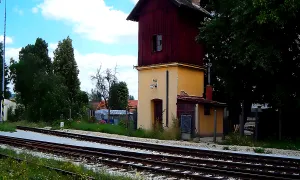
Real photos taken near the monument


Zdroj a licence jsou uvedeny u každého snímku.
Tips from visitors
No tips yet. Be the first!
Log in and add your tip.
Sources and literature
Photos: Mpik61 / CC BY-SA 3.0 — Wikimedia Commons. The author and licence also appear when you hover over the image.
Faktickým podkladem tohoto textu byl článek na Wikipedii, jehož autory jsou přispěvatelé Wikipedie. Článek je dostupný pod licencí CC BY-SA 4.0.
Location on the map

Příběhy a pověsti
Legendy, pověsti a příběhy spjaté s touto památkou

Fotografie návštěvníků
Zatím žádné fotografie. Buďte první, kdo přidá fotografii z návštěvy!
Log in a přidejte svou fotografii nebo hodnoťte.
Za ověřenou návštěvu v aplikaci získáte víc bodů — poznáme podle GPS, že jste na místě.
Reviews and comments