






Plavecký stadion Podolí Building complex
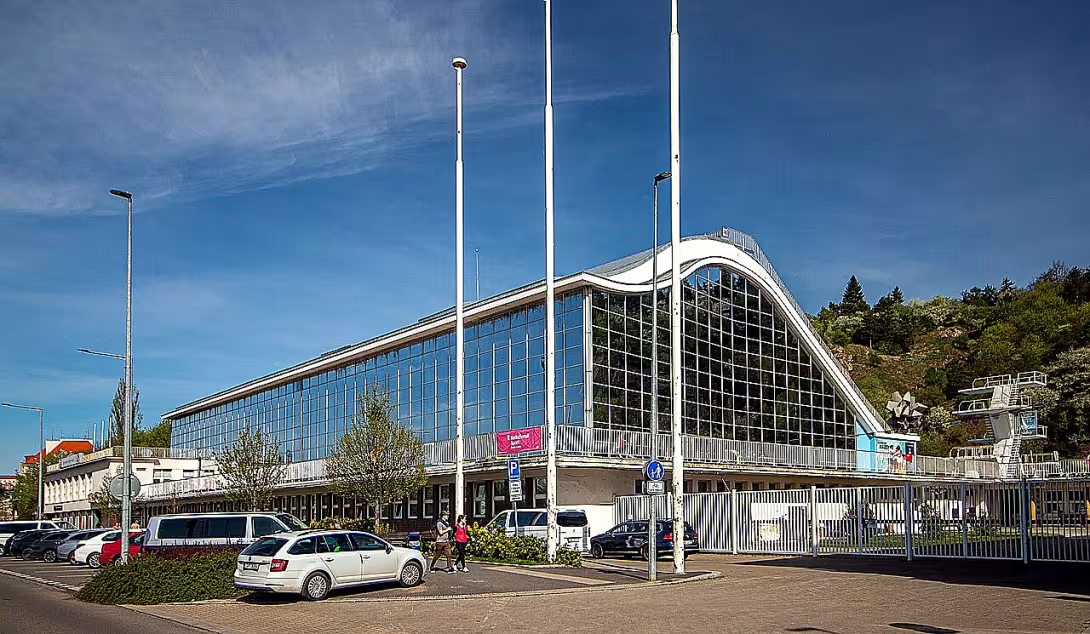
Plavecký stadion Podolí is an important Prague sports and recreational monument located in the village Praha-Podolí. This complex of buildings was opened to the public on 24 June 1965 and is known for its scope and facilities, which includes an indoor swimming pool of 50 meters, two outdoor pools with one diving tower, a relaxation pool and other recreational facilities. The area has been protected as a cultural monument since 10 December 2020.
Construction of swimming stadium The ground was started in 1959 at the site of the former limestone quarry, which, after mining, served as a temporary landfill of ash and construction waste. The author of the design was Czech architect Richard Podzemný, who effectively used the space for both swimming pools with bleachers. At the time of construction of the stadium, intensive development efforts took place in Czechoslovakia with emphasis on sport and recreational facilities, reflecting the ambitious nature of the project.
Architecturally, the stadium is interesting with its functionality. The roof of the indoor swimming pool also served as a bleachers for the outdoor swimming pool, which was an innovative solution using limited space. In 2019, the children's pool was reconstructed and now has water depth from 0.01 to 0.8 meters. The stadium is designed to host the Olympic Games, which reflects its size and amenities.
Plavecký stadion Podolí has undergone several key events throughout its history. In 1991, British Princess Diana swam here, which contributed to his international reputation. In 2009 he hosted the European Junior Swimming Championships and is a regular place for the organisation of the Summer Swimming Championships.
The stadium has an interesting technological connection with the Czech Television complex in the Caucasus Mountains. Since the mid-1980s, the swimming area has been connected by pipeline to this area, where water from Podoli serves to cool television technologies and hot water returns to Podolí for swimming pools. The temperature in the swimming pools never falls below 26 degrees Celsius, which ensures ideal conditions for swimming throughout the year.
Today is the swimming stadium It offers a popular recreation centre with an average daily visit of about 2500 people, which represents a million visitors per year. Most people visited the stadium in 1973 when there were more than 2.3 million visitors per year. The current state and monument status make this area not only an important sport infrastructure but also a cultural heritage.
Plavecký stadion Podolí is therefore an important Prague monument that combines historical architecture with modern recreational possibilities. Its unique connection with the Czech Television complex and the ability to host large sports events makes this stadium an essential place for lovers of swimming sports and recreational activities. Visitors have the opportunity to look at the historical building while enjoying modern swimming pools with high standards.
Historical milestones
- 1965
- Opening a swimming stadium for the public.
- 1991
- A visit from British Princess Diana.
- 2009
- European Junior Swimming Championships.
Architectural development
The stadium was built on the site of the former lime quarry and its construction began in 1959. Architect Richard Podzemný designed a complex that effectively used space for both swimming pools with bleachers. In 2019, the children's pool was reconstructed.
Historical events
- 1965
- Open to the public.
- 1991
- A visit from British Princess Diana.
- 2009
- Hosting the European Junior Championship in swimming.
Points of interest
- Plavecký stadion Podolí is an important Prague sports and recreational monument. - The building complex was opened to the public on 24 June 1965 and is protected as a cultural monument from 10 December 2020. - The stadium started in 1959 on the site of the former limestone quarry, the author of the design was Czech architect Richard Podzemný. - In 1991, British Princess Diana was swimming here, which contributed to his international reputation. - The stadium has a technological connection with the Czech Television complex in the Caucasus Mountains for cooling and heating pools.
Guide
Show guide text
This text was created by artificial intelligence and has not been editorially reviewed. It may contain inaccuracies.
Welcome to Podolí Plavecký stadium, a unique Prague sports and recreation monument located in the Podoli district. You are standing in front of an impressive complex of buildings that stretches over the Vltava River. In front of you there is an indoor swimming pool 50 meters and there are two outdoor swimming pools with one jumper tower, which boasts its elegant shaping. The relaxation pool provides an atmosphere of calm and relaxation, while other recreational facilities offer various options for athletes and non-athletes.
Let's dive into the history of this place. Plavecký stadion Podolí was opened to the public on 24 June 1965 and is today protected as a cultural monument from 10 December 2020. The stadium, the foundation of which was laid in 1959 on the site of the former limestone quarry, is the work of Czech architect Richard Underground. His proposal was aimed at allowing the stadium to host the Olympic Games, which is reflected in its size and amenities.
Look up and see the elegant line of the building. The stadium architecture is an example of modern design with emphasis on functionality and aesthetics. Notice how an indoor pool of 50 meters integrates light into its structure, creating a sense of openness even inside the building. Outdoor pools are set in a landscape environment so that they harmonically intersect with the surroundings and offer visitors a view of the panoramic view above Prague.
The key moments in the history of the stadium are the visit of British Princess Diana in 1991, highlighting his international prestige. In addition, there was a host of the European Junior Championship in swimming in 2009, which shows his ability to accept large sports events.
The interesting thing is that Plavecký stadion Podolí was designed for potential participation in the Olympic Games. Although this dream was not fulfilled, the stadium remains one of the most modern sports facilities in Prague.
The invitation is to explore other parts of the stadium and its surroundings. Note how architecture intersects with the natural environment and offers various possibilities for relaxation and sports activities. I hope this visitor guide inspired you to explore this fascinating place again.
Goodbye and thank you for your visit to Podolí Swimming Stadium. I hope you enjoyed it here and I wish you much pleasure in further research!
Tips for visitors
Best time to visit Plavecký stadium The pool is in summer when the outdoor pools are open and you can enjoy sunny days. This period is ideal for swimming and relaxation on banks with natural environment around.
Parking and transport: The place can be reached by car and public transport. Parking is nearby, but due to limited capacity it is advisable to consider using a bus or tram. You can verify the current connection in the traffic search engine.
What to take with you: When visiting the stadium it is advisable to bring an umbrella, protective clothing and perhaps a swimming coat for colder days. Additional food and drink can be bought in shops on the premises.
Photography: The best places for photography are around the pools, especially in the evening when the light is pleasant and you can capture views of the Caucasus Mountains. Morning clocks are also ideal for mild light and fewer people.
What to visit in the surrounding area: There is a Veslary Island nearby, where you can organize swimming on oars or just relax. Podolská water plant is another attraction for those who wish to enjoy views of water buildings and perhaps even some events.
Businesses nearby
Do you run a restaurant, accommodation, shop, museum, rental, wellness or other visitor service near this monument? Show yourself directly to the people heading to it — this is how they will see you in the app and on the web:
Events nearby

Zdroj akcí: otevřená data měst a obcí ČR (Národní katalog otevřených dat) a kalendář akcí Národního památkového ústavu.
Nearby
Nachází se v bývalém Podolském lomu pod Kavčími horami.
Nedaleko od Podolské vodárny a Veslařského ostrova.
Accommodation nearby
Trips and activities nearby
Guided tours, tickets and activities nearby from GetYourGuide
Affiliate link: if you buy from the partner, we may receive a commission. The price for you does not change.
Search tours and activities →Themed route
Thematic cruise route around the Podolí Plavecký stadium
1. Plavecký stadion Podolí (building complex) Type: Sports complex and recreation centre Why is it worth a visit: This complex offers modern swimming pools, fitness center and other sports activities. It is an ideal place for those who love water and active recreation.
2. Podolská waterworks Type: Water Why is it worth a visit: Podolská water plant is not only an important source of drinking water, but also an interesting technical monument. It is possible to explore its history and architecture.
3. Boarding Island Type: Sports and recreation place Why is worth a visit: This place offers possibilities for rowing, sailing and other water sports. It is an ideal place for relaxing on water and exploring the nature of surrounding areas.
4. The Caucasus Mountains Type: Natural body Why is it worth a visit: The Caucasus Mountains are a beautiful natural body that offers excellent views of the surrounding countryside. They are ideal for a picnic or exploring the location after a walk around the Podolí Plavecký stadium.
This route offers a combination of sports activity, technical attractions and natural beauty near Prague.
Seasonal recommendations
Spring: Plavecký stadion Podolí offers visitors a special atmosphere when nature wakes up from its winter sleep. Trees and shrubs start to frown, which creates a vivid picture full of colors. The sun illuminates a complex of buildings for a long time a day, which makes it suitable for walking and photography. Although the attendance may still be limited at this time, we recommend visiting a memorial earlier in the day to avoid possible groups of schoolchildren or tourist guides. Due to the possible rain, it is advisable to wear spare clothes such as a coat or umbrella.
Summer: This year's season brings Plavecký stadion Podolí in full bloom. The sunny days and warm nights invite to walk around the building complex, which is lit by natural light until late evening. At this time the attendance may be high, especially on Friday and Saturday when people gather on outdoor activities. It is recommended to visit the memory early or late in the evening to enjoy milder temperatures and fewer visitors. Remember sun protection - cream with high protective factor, wide hats and light clothes are essential for comfort.
Autumn: In the autumn period, Plavecký stadion Podolí offers visitors a unique look of coloured leaves that provide trees and shrubs. Sunshine days are beautiful for walking around the building complex when the sun hides behind the horizon soon. The atmosphere is calmer compared to the summer season, which allows you to enjoy views without unnecessary interference. We recommend visiting a memorial in the late afternoon or early evening so that you can benefit from sunlight and mild temperatures. It is advisable to wear clothes for changing weather such as warm jackets or sweater.
Winter: During the winter period, Plavecký stadion Podolí offers a calm and quiet atmosphere. The building complex is lit with artificial light, which creates romantic moods in the evening. The temperatures are usually cold, so we recommend visiting a monument with warm clothes - fur coats, scarves and warm shoes are necessary for comfort. Due to shorter daylight, it is advisable to visit the stadium early in the day to make sure you have sufficient time to walk and tour. Despite cold temperatures, visitors may still be acceptable, especially on Sundays or leisure days.
Visualizations and artistic views

The visualisations are generated by artificial intelligence and serve as inspiration.
Photos from the area
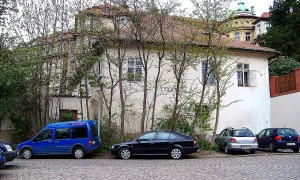
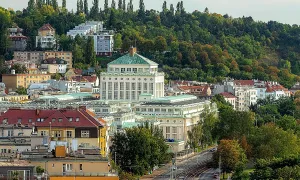
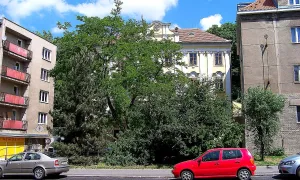
Real photos taken near the monument

Zdroj a licence jsou uvedeny u každého snímku.
Tips from visitors
No tips yet. Be the first!
Log in and add your tip.
Sources and literature
Photos: VitVit / CC BY-SA 4.0 — Wikimedia Commons. The author and licence also appear when you hover over the image.
Faktickým podkladem tohoto textu byl článek na Wikipedii, jehož autory jsou přispěvatelé Wikipedie. Článek je dostupný pod licencí CC BY-SA 4.0.
Location on the map
Příběhy a pověsti
Legendy, pověsti a příběhy spjaté s touto památkou
Fotografie návštěvníků
Zatím žádné fotografie. Buďte první, kdo přidá fotografii z návštěvy!
Log in a přidejte svou fotografii nebo hodnoťte.
Za ověřenou návštěvu v aplikaci získáte víc bodů — poznáme podle GPS, že jste na místě.
Reviews and comments